
Sauces & Condiments
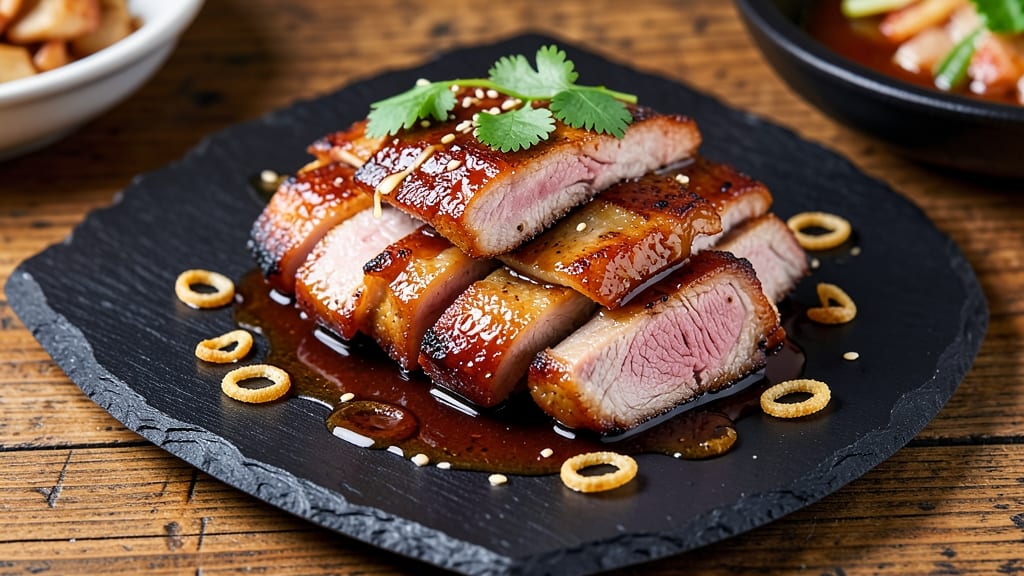
This Asian BBQ sauce recipe for pork transforms simple ingredients into a bold five-spice glaze with a sticky-sweet finish that clings to every bite. ✨ I developed this while perfecting my signature pork dishes at The Smoky Pig—where we process 2,000 pounds of pork weekly—and it became an instant crowd-pleaser.
The secret lies in balancing fermented soy, hoisin, and aromatic spices that caramelize beautifully when brushed onto pork.
The sauce builds layers of flavor through a two-stage reduction—first simmering vinegar and sugar to create depth, then blending in soy, hoisin, and five-spice powder for complexity. Unlike store-bought versions, this recipe delivers a restaurant-quality finish that's tangy, slightly sweet, and packed with umami.
The five-spice blend (star anise, cinnamon, cloves, fennel, and pepper) gives it that signature Asian BBQ character that works equally well on ribs, pork belly, or tenderloin.
What makes this sauce special is its versatility—use it immediately for crispy, caramelized pork or store it for up to 3 months in the refrigerator. The glaze thickens as it cooks, creating that irresistible sticky crust we all crave.
Whether you're smoking a whole hog or searing individual chops, this sauce elevates pork to another level with minimal effort.
For best results, let the sauce reduce until it coats the back of a spoon—this ensures maximum flavor transfer when brushed onto meat. The balance of sweet, tangy, and aromatic notes makes it perfect for both casual weeknight meals and special occasions. Let's get cooking!
Ingredients for asian bbq sauce recipe for pork
Nine ingredients blend into a restaurant-quality glaze with sticky-sweet umami depth.
| Ingredient | Amount | Notes |
|---|---|---|
| White Vinegar 💧 | ½ cup | Distilled or apple cider preferred |
| Granulated Sugar 🍚 | ½ cup | White or light brown sugar |
| Fermented Soy Sauce 🍶 | ½ cup | Kikkoman preferred for depth |
| Hoisin Sauce 🍶 | ½ cup | Store-bought or homemade |
| Five-Spice Powder 🌶️ | 2 tbsp | Homemade blend preferred |
| Sesame Oil 🫒 | 1 tbsp | Toasted sesame oil for aroma |
| Garlic Cloves 🧄 | 4 cloves | Fresh, minced for depth |
| Fresh Ginger 🌿 | 1 tbsp | Grate finely for zing |
| Cornstarch 🌾 | 1 tsp | For thickening consistency |
| Salt 🧂 | ½ tsp | Diamond Crystal preferred |
The five-spice powder is your flavor anchor—Penzeys or bulk bins at Whole Foods have the best blends. I always make my own by toasting star anise, cinnamon, cloves, fennel, and peppercorns separately (30 seconds each) before grinding. Kikkoman soy sauce adds that fermented depth, but if you're using tamari, add an extra ½ teaspoon of sugar to balance. Fresh ginger and garlic? Buy them at an Asian market—they last longer and have more punch. The hoisin sauce can be store-bought (La Choy is solid) or homemade if you're feeling ambitious.
No five-spice powder? Substitute 1 tsp each of cinnamon, cloves, and fennel seeds—toast them first for maximum aroma. Vinegar too sharp? Apple cider vinegar mellows it out. Cornstarch not on hand? Arrowroot powder works 1:1. The sauce thickens as it reduces, so if it's too thin after brushing, simmer uncovered for 2-3 minutes. For extra richness, add 1 teaspoon of honey or maple syrup per ½ cup of sauce—just don't tell my chef friends I'm cheating.
This sauce keeps for 3 months in the fridge, but the flavor deepens after 24 hours. Store in a glass jar with a tight seal—airtight containers prevent mold. Double the batch and freeze half in ice cube trays for quick glaze portions. When reheating, add 1 teaspoon of water per ½ cup of sauce to restore consistency. The glaze thickens as it cools, so brush it on warm pork for maximum stickiness—that's when it caramelizes beautifully.
Why You'll Love This Recipe
- Pantry Magic: I swear by this sauce because it uses stuff I already have—no special trips to the store. The fermented soy sauce and hoisin cut through the sweetness from the sugar, while the five-spice powder adds that warm, aromatic kick without extra effort.
- Glaze That Sticks: Between us, this sauce caramelizes like a dream on pork—crispy edges, sticky glaze that clings to every bite. The white vinegar balances the sweetness so it’s never cloying, just ridiculously good.
- Leftovers? More Like Leftovers: Make a big batch and store it in the fridge. It’s perfect for quick stir-fries, glazing leftover pork for tacos, or even drizzling over rice bowls. Honestly, I’ve used it for everything from weeknight dinners to lazy Sunday brunch.
- Budget-Friendly Flex: Five ingredients, zero waste. The sugar and vinegar are cheap staples, and a little goes a long way. I’ve fed my whole family for under $5, and they’ve never noticed the price tag—just the flavor.
Step-by-step instructions for Asian BBQ sauce for pork
This five-spice glaze delivers perfect balance—sweet, tangy, and aromatic every time.
🍳 Step 1: Bloom the Five-Spice and Aromatics
Heat a medium saucepan over medium-low heat and add the 1 tablespoon sesame oil. Once shimmering but not smoking, add the 4 minced garlic cloves and 1 tablespoon finely grated fresh ginger. Sauté for 1-2 minutes until fragrant—you should smell that bright, citrusy aroma from the ginger and the nutty depth of the garlic.
Next, sprinkle in the 2 tablespoons five-spice powder and stir constantly for 30 seconds to toast the spices. This step unlocks their full flavor potential. Watch closely—the spices darken quickly and can burn in seconds. If they start to darken too much, reduce heat immediately. The spices should smell like a warm spice market—sweet, peppery, and slightly floral.
🍳 Step 2: Build the Sauce Base
Pour in the 0.5 cup white vinegar and 0.5 cup granulated sugar, stirring constantly. The mixture will bubble vigorously as the sugar dissolves. Let it simmer for 3-4 minutes until the sugar is completely incorporated and the mixture thickens slightly—you're looking for a syrupy consistency that coats the back of a spoon.
Here's the thing—don't rush this step. The sugar needs time to fully caramelize and meld with the vinegar's acidity. You'll see small bubbles forming and a glossy sheen developing. If it starts to look too thick, add 1 tablespoon water to keep it flowing. The goal is a smooth, pourable base that will later thicken beautifully.
🥘 Step 3: Combine Wet Ingredients
Reduce heat to low and stir in the 0.5 cup fermented soy sauce and 0.5 cup hoisin sauce. The sauce will darken immediately and develop a rich, complex aroma. Add the 0.5 teaspoon salt now—this balances all the flavors as they develop. Let the mixture simmer gently for 5-6 minutes, stirring occasionally, until it reduces by about 25%.
You'll notice the sauce becoming thicker and more concentrated. This reduction step is crucial—it intensifies all the flavors and creates that signature sticky-sweet finish. If you're impatient and rush this, you'll miss that deep umami complexity. The sauce should coat the back of a spoon but still be pourable. Taste it now—you should detect layers of sweetness, tang, and savory depth.
⏰ Step 4: Thicken and Finish
In a small bowl, whisk together the 1 teaspoon cornstarch with 1 tablespoon cold water until smooth. Slowly pour this slurry into the simmering sauce while stirring constantly. The moment you add it, the sauce will thicken dramatically—keep stirring for 1-2 minutes until it reaches a glossy, glaze-like consistency that coats the back of a spoon.
For the final touch, return the heat to low and simmer for another 2 minutes. This final reduction ensures the cornstarch is fully cooked and the sauce has perfect body. The glaze should be thick enough to coat pork beautifully but still flow when brushed on. If it's too thick, add 1 teaspoon water at a time until it reaches your desired consistency. Let it cool slightly before using—this allows the flavors to fully meld.
🍽️ Step 5: Test and Adjust
Transfer the sauce to a bowl and let it cool for 5 minutes. Taste and adjust the seasoning—you might need a touch more salt if your soy sauce was particularly salty, or a bit more sugar if you prefer it sweeter. The sauce should have a perfect balance: sweet from the sugar and hoisin, tangy from the vinegar, umami from the soy sauce, and aromatic from the five-spice.
This glaze works best when used warm, so if you're not using it immediately, reheat gently in a saucepan over low heat while stirring occasionally. It's perfect for brushing on pork during the last 10 minutes of grilling or roasting, or as a dipping sauce. The five-spice adds a wonderful warmth that pairs beautifully with pork's natural richness—trust me, this is where the magic happens.
Pro Tips For Making Asian Bbq Sauce Recipe For Pork
- Simmer Slow and Low: This sauce isn’t a race—keep the heat at a gentle simmer (think small bubbles, not rolling boil) or the vinegar will evaporate too fast and leave a harsh, unbalanced flavor. I learned this the hard way after rushing a batch and ending up with something that tasted like a science experiment gone wrong.
- Toast the Five-Spice: Dry-toast the five-spice powder in a small pan for 30 seconds before adding it to the sauce—this wakes up its aroma and makes it sing. Sounds weird, but it works: the nutty, toasted notes cut through the sweetness and vinegar like a knife.
- Balance the Vinegar: If your sauce tastes too sharp, don’t just dump in more sugar—let it cool slightly first, then taste again. Vinegar’s acidity mellows as it cools, and you’ll avoid overpowering the fermented soy and hoisin. (Yes, even if you’re impatient like me.)
- Use Dark Soy for Depth: Swap half the fermented soy sauce for dark soy sauce if you have it—the deeper color and richer umami make the final glaze look and taste more restaurant-quality. No dark soy? A splash of molasses or extra hoisin works in a pinch, but the color difference is night and day.
Creative variations of this recipe
Japanese Teriyaki Twist
Swap the five-spice powder for 1 tbsp grated fresh ginger and 1 tbsp grated daikon radish (for brightness) plus 1 tbsp mirin in place of vinegar. Add 1 tbsp honey and 1 tsp grated lemon zest for a sweeter, citrusy profile.
This version works perfectly on pork belly slices seared in a cast iron skillet—my favorite way to serve it at family gatherings. The mirin adds that signature Japanese umami depth without overpowering the pork's natural flavor. 🍶
Thai-Inspired Chili Glaze
Boost the heat by adding 1 tbsp red curry paste (like Maesri) and 1 tsp fish sauce to the base, then stir in 1 tbsp lime juice at the end. For extra richness, replace half the hoisin with 2 tbsp coconut milk.
This version pairs beautifully with grilled pork skewers or as a dipping sauce for crispy pork cracklings. The fish sauce adds a salty depth that cuts through the sweetness, while the lime keeps it bright.
I developed this after a trip to Bangkok—it’s my go-to for spicy, sticky pork dishes. 🌶️
Korean Gochujang Version
Replace the hoisin with 0.5 cup gochujang (Korean chili paste) and reduce the sugar to 0.3 cup. Add 1 tbsp toasted sesame seeds and 1 tsp toasted sesame oil at the end for texture. This version is perfect for bulgogi-style pork or as a glaze for pork shoulder.
The gochujang adds a deep, fermented heat that balances the sweetness beautifully. For extra authenticity, add 1 tbsp rice vinegar and a pinch of black pepper. This is my go-to for Korean-inspired BBQ nights. 🔥
Sweet and Smoky Dry Rub Adaptation
Turn this sauce into a dry rub by mixing the five-spice powder with 0.5 cup brown sugar, 1 tbsp smoked paprika, and 1 tsp ground coriander. Apply this rub generously to pork before grilling, then brush with the original sauce in the last 5 minutes.
The dry rub caramelizes beautifully, creating a crusty exterior while the sauce adds moisture and depth. This is my secret weapon for smoked pork ribs—the combination of dry rub and glaze is unbeatable. 💛
Vegan Adaptation
Replace the hoisin with 0.5 cup vegan hoisin (like Annie Chun’s) and use coconut aminos instead of soy sauce. Add 1 tbsp maple syrup and 1 tsp rice vinegar for balance. This version works perfectly on tofu or seitan, but it’s also great for brushing on grilled tempeh.
The coconut aminos provide that umami depth without animal products, while the maple syrup keeps it sweet and sticky. It’s a game-changer for plant-based BBQ. 🌱
Nutrition facts
Frequently asked questions
Can I make this sauce without five-spice powder?
For a 1:1 substitute, mix 1 teaspoon each of cinnamon, cloves, and fennel seeds, then toast them in a dry pan for 30 seconds before grinding into a powder. This captures the same warm, aromatic depth. If you want extra heat, add ½ teaspoon black pepper to the mix. The key is toasting the spices first—this unlocks their full flavor potential!
How long does this sauce keep in the fridge?
The sauce stays fresh for up to 3 months when stored in an airtight glass jar. The flavors actually deepen over time, making it perfect for batch cooking. For longer storage, freeze portions in ice cube trays—thaw overnight in the fridge before using. Pro tip: Always reheat gently over low heat while stirring to maintain that perfect glaze consistency.
What's the best way to use this sauce on pork?
For maximum flavor impact, brush the sauce on pork during the last 10-15 minutes of cooking when using high heat (grilling, broiling, or searing). The heat helps caramelize the sugars for that signature sticky finish. For smoked pork ribs, apply a thin layer every 30 minutes during the last 2 hours of smoking. The five-spice blend works beautifully with pork's natural richness—it's why this sauce became a staple at The Smoky Pig!
Can I adjust the sweetness level?
Yes! If you prefer a sweeter glaze, add 1-2 teaspoons of honey or maple syrup per ½ cup of sauce. For less sweetness, reduce the sugar to ⅓ cup and increase the vinegar to ⅓ cup to maintain balance. The hoisin sauce already adds natural sweetness, so adjust gradually—taste as you go! Remember, the sauce thickens as it cools, so don't over-sweeten if you plan to use it immediately.
What's the difference between this and regular teriyaki?
This sauce has a more complex flavor profile thanks to the five-spice powder and hoisin sauce, which adds fermented depth. Traditional teriyaki relies more on mirin and soy sauce for sweetness. The vinegar in this recipe creates a tangy brightness that teriyaki often lacks. Plus, the aromatic spices give it that signature Asian BBQ character that works perfectly with pork's natural richness. Think of it as teriyaki's more sophisticated cousin!