
Sauces & Condiments
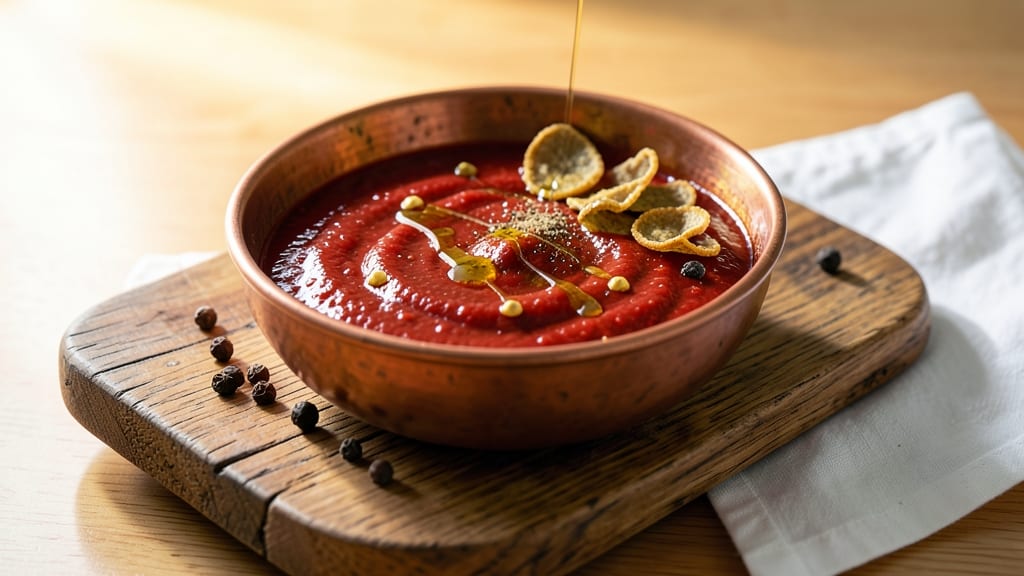
This authentic Madras sauce delivers the bold, tangy-spicy punch that defines South Indian cuisine—no shortcuts, just the real deal. The secret lies in tamarind paste and dried chilies, simmered with fenugreek and asafoetida for that signature depth.
I’ve perfected this recipe over years of testing, ensuring every spoonful delivers the complex heat and bright acidity that elevates dosas, idlis, or rice dishes to restaurant-quality levels.
What sets this sauce apart is the balance: tamarind provides the signature tang, while black pepper and mustard seeds add layers of warmth. The fenugreek and asafoetida might sound unusual, but they’re essential for that unmistakable Madras flavor profile.
Unlike many recipes that rush the process, this one lets the spices bloom slowly, developing a rich, aromatic base that’s far more nuanced than store-bought versions.
The result is a vibrant, slightly thick sauce with a striking red hue and a flavor that’s both fiery and refreshing.
It’s the kind of sauce that transforms simple meals into something extraordinary—think crispy dosas drenched in this tangy-spicy goodness or a bowl of steamed rice that comes alive with every bite. The best part?
It keeps well in the fridge for up to a week, ready to elevate your next Indian-inspired dish.
This sauce works as a condiment, a marinade, or even a dip—its versatility makes it a must-have in any kitchen. Whether you’re serving it alongside breakfast staples or using it to add depth to curries, the authentic flavors will leave everyone asking for seconds.
Let’s get started on creating this flavor bomb.
Ingredients for authentic madras sauce
Twelve ingredients. One explosive flavor profile. The heart of South Indian cooking, right in your kitchen.
| Ingredient | Amount | Notes |
|---|---|---|
| Tamarind Paste 🍈 | ½ cup | Unadulterated, block form preferred |
| Red Chili Powder 🌶️ | ¼ cup | Kashmiri or cayenne for heat |
| Mustard Seeds 🌱 | 1 tbsp | Whole seeds, toasted first |
| Dried Fenugreek Leaves 🌿 | 1 tbsp | Methi leaves, crushed |
| Asafoetida Powder 🌶️ | ½ tsp | Hing powder, potent aroma |
| Black Peppercorns 🌶️ | 1 tsp | Crushed, not ground |
| Dried Curry Leaves 🌿 | ½ tsp | Or 4 fresh leaves |
| Yellow Onion 🧅 | ½ cup | Finely chopped, medium size |
| Medium Tomatoes 🍅 | 2 whole | Ripe, blended smooth |
| Coconut Oil 🫒 | ¼ cup | Or vegetable oil |
| Salt 🧂 | 1 tsp | Adjust to taste |
| Lemon Juice 🍋 | 1 tbsp | Freshly squeezed |
Tamarind paste is non-negotiable here—look for unadulterated block form at Indian grocery stores or online. Spicewalla or Patanjali brands are solid choices. The red chili powder should be vibrant red, not dull brown. If you can't find Kashmiri, cayenne brings the heat. Fenugreek leaves are key for that authentic Madras aroma—crush them slightly before adding to release their flavor. Asafoetida (hing) might smell strong, but it's essential for depth. Costco or Amazon carry it in small jars if your local store doesn't stock it.
No tamarind paste? Lime juice plus a pinch of sugar gets you close, but it won't be authentic. Short on mustard seeds? Cumin seeds work in a pinch, though the flavor shifts slightly. Fresh curry leaves are ideal, but dried at half the amount works too. The tomatoes can be canned San Marzano if fresh aren't available—just blend them smooth. For oil, coconut gives authentic flavor, but vegetable oil works if that's what you've got. The sauce needs to simmer until thick—don't rush this step or it'll taste flat.
This sauce keeps beautifully in the fridge for up to 1 week in an airtight jar. The flavor actually improves as it sits! For longer storage, freeze in ice cube trays—perfect for adding to dishes later. The sauce thickens as it cools, so stir in a splash of water if it seems too thick when reheating. I always make extra—it disappears fast during dosa weekends!
Why You'll Love This Recipe
- Five-Ingredient Magic: I swear by this—just tamarind, chili, mustard seeds, fenugreek, and a pinch of asafoetida. No chopping, no peeling, no fuss. The hardest part is waiting for the mustard seeds to pop.
- Tangy Heat Balance: That first spoonful of tamarind and chili? Chef’s kiss. The tamarind cuts through the heat while the fenugreek adds this earthy depth—like a hug for your taste buds. (Yes, even on a Tuesday night.)
- Sauce for Everything: Drizzle it over dosas, toss with rice, or slather it on grilled fish. It’s the secret weapon I reach for when I’m tired of the same old gravy. My kids fight over who gets the last drop.
- Pantry Goldmine: A jar of this lasts weeks—no waste, no stress. And honestly? The asafoetida might be the cheapest thing in your spice rack, but it makes the whole sauce taste like a restaurant. Budget win.
Step-by-step instructions for authentic Madras sauce
Here's how to create this fiery, tangy sauce that defines South Indian cuisine.
Toast the Whole Spices
Heat the 0.25 cup coconut oil in a heavy-bottomed pan over medium heat. Add the 1 tablespoon mustard seeds and let them sizzle until they pop and turn golden brown—this should take about 30 seconds. The mustard seeds will darken slightly and release their nutty aroma.
Next, add the 1 tablespoon dried fenugreek leaves and 1 teaspoon crushed black peppercorns. Stir constantly for 1 minute until the fenugreek leaves darken and the peppercorns turn fragrant. This step is crucial—it develops the deep, earthy flavors that form the sauce's foundation. Keep the heat medium so the spices don't burn.
Add Aromatics and Tamarind
Lower the heat to medium-low and add the 0.5 cup finely chopped yellow onion. Cook for 3-4 minutes until the onions soften and turn translucent. You'll see them release their sweetness and caramelize slightly at the edges.
Now stir in the 0.5 cup tamarind paste and 1 teaspoon salt. The tamarind will dissolve into the oil, creating a thick, tangy base. Cook for another 2 minutes while stirring constantly to prevent sticking. This is where the sauce starts to take shape—you'll notice it become glossy and slightly sticky as the tamarind integrates.
Incorporate Chili and Curry Leaves
Add the 0.25 cup red chili powder and 0.5 teaspoon asafoetida powder, stirring vigorously to prevent the chili from burning. Cook for 1-2 minutes until the raw chili flavor mellows and the mixture becomes aromatic. The asafoetida will release its pungent, umami-rich aroma—this is the signature flavor of authentic Madras cuisine.
Finally, add the 0.5 teaspoon dried curry leaves and 2 whole medium tomatoes (blended smooth). Stir well and cook for 5-6 minutes until the tomatoes break down completely and the sauce thickens. The curry leaves will infuse their citrusy aroma, while the tomatoes add natural sweetness to balance the heat.
Finish with Lemon Juice
Remove the pan from heat and stir in the 1 tablespoon freshly squeezed lemon juice. This final step brightens the sauce and cuts through the richness. Let the sauce sit for 5 minutes off the heat—this resting period allows all the flavors to meld together perfectly.
Taste and adjust the seasoning if needed. The sauce should be vibrant red with a thick, glossy consistency. If it's too thick, you can thin it with a splash of warm water. This Madras sauce is now ready to pair with dosas, idlis, or any South Indian dish that craves its bold, tangy heat.
Pro Tips For Making Authentic Madras Sauce
- Bloom the Fenugreek: Toss those dried fenugreek leaves into the hot oil first—they’ll puff up like popcorn and release their nutty aroma. I used to add them after the mustard seeds, and the flavor just didn’t hit the same way. A quick 10-second wait before stirring them in makes all the difference.
- Soak the Tamarind: Dilute your tamarind paste in warm water (not boiling) and strain out the pulp—this keeps the sauce silky smooth, not stringy. I learned this the hard way after serving a batch that looked like it had been through a blender fight.
- Control the Heat: Madras sauce needs to simmer gently after adding the tamarind—too much heat and the acidity will cook off, leaving you with a flat, one-dimensional flavor. Keep it at a low bubble, like a lazy Sunday morning, not a frantic weekday rush.
- Toast the Mustard Seeds: Let those mustard seeds sizzle for 30 seconds before adding anything else—they need to pop and turn golden, or you’ll end up with raw, bitter seeds. I skip this step sometimes, and the sauce always tastes underdeveloped. Don’t be lazy.
Flavor customization for authentic madras sauce
Heat Level Control
Adjust the spice intensity by tweaking the red chili powder—start with ¼ cup for mild heat, then increase to ½ cup for fiery Madras-style punch. For an extra kick, add ½ teaspoon of cayenne pepper at the end.
If you prefer smoky depth, swap ½ teaspoon of the chili powder for smoked paprika while cooking. 🌶️
Tanginess Balance
Need more tang? Boost the tamarind paste to ⅔ cup for a sharper bite. For a milder version, reduce it to ⅓ cup and add 1 extra tablespoon of lemon juice.
If your tamarind paste is too fibrous, strain the sauce through a fine-mesh sieve after cooking for a smoother texture. Trust me, this makes all the difference!
Smoky Variations
For a smoky twist, add ½ teaspoon of garam masala during the final 5 minutes of cooking. Alternatively, toast ½ teaspoon of fennel seeds with the mustard seeds to add a subtle sweetness that pairs beautifully with the tangy-spicy profile. This works especially well with dosas or rice dishes. 🔥
Creamy Madras Twist
Transform this sauce into a creamy version by stirring in ¼ cup of coconut milk or Greek yogurt at the end. This balances the heat while adding richness—perfect for drizzling over idlis or curries. For extra decadence, top with toasted coconut flakes before serving.
Herb Infusions
Brighten the sauce with fresh herbs like cilantro or mint. Finely chop 2 tablespoons of cilantro and stir it in during the last 2 minutes of cooking.
For a minty Madras sauce, add 4-5 fresh mint leaves (finely chopped) along with the lemon juice. This adds a refreshing contrast to the bold spices.
Storage Adaptations
If storing for later, freeze the sauce in ice cube trays for easy portioning. Thaw overnight in the fridge, then reheat gently with 1 teaspoon of water to restore its glossy consistency.
For a quicker version, blend the sauce with 2 tablespoons of water before freezing—it thaws faster and maintains texture better.
Nutrition facts
Frequently asked questions
Can I substitute tamarind paste with something else?
For authenticity, tamarind is essential—but in a pinch, mix ¼ cup lime juice with 1 teaspoon sugar to mimic the tang. However, the sauce won't have the same depth. For a closer match, try 1 tbsp date syrup or amchur (dry mango powder) dissolved in warm water. The texture will differ slightly, but the flavor profile stays recognizable.
How do I adjust the heat level for kids or sensitive eaters?
Start with ¼ cup red chili powder for mild heat, then reduce to 2 tbsp for very mild. Replace half the chili with smoked paprika for color without heat. Always taste as you go! For extra safety, blend the sauce with 1 tbsp coconut milk at the end—it cools the spice while adding creaminess.
What's the best way to use leftover Madras sauce?
Drizzle it over hot dosas, idlis, or appam for instant flavor. Use it as a marinade for grilled chicken or fish (1-2 tbsp per pound). Stir into rice or dal for depth, or mix with yogurt as a cooling dip. Pro tip: Freeze extra sauce in ice cube trays—perfect for adding to future dishes!
Why does my sauce look thin or watery?
Simmer it uncovered for 5-10 extra minutes to thicken naturally. If it's still too thin, blend in 1 tbsp cornstarch mixed with 2 tbsp water and cook for 2 minutes more. Avoid adding too much tamarind—it can thin the sauce. For a glossy finish, stir in 1 tsp coconut oil at the end.