
Sauces & Condiments
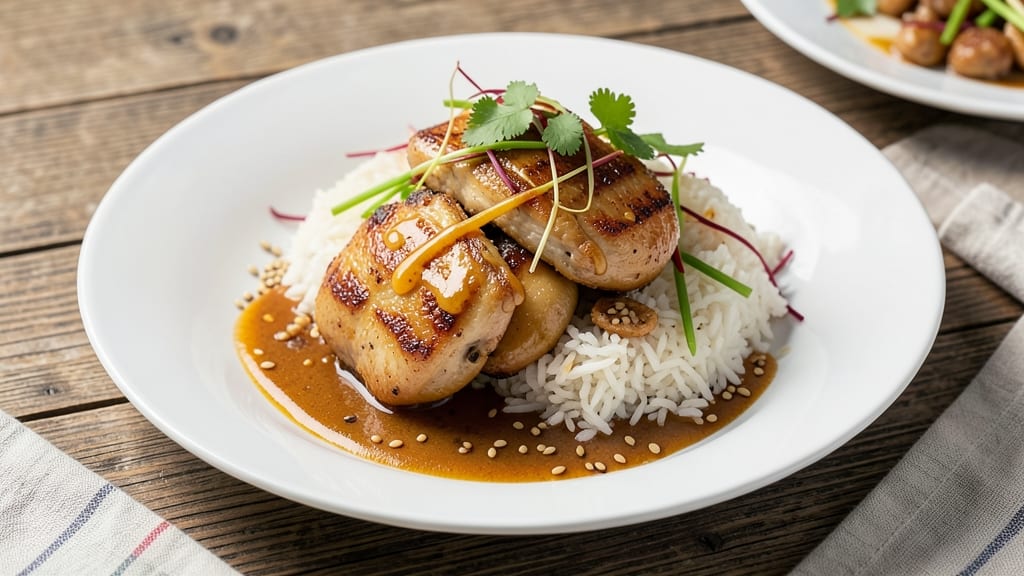
This chicken rice ginger sauce recipe transforms simple stir-fries into aromatic masterpieces with just one pot and 20 minutes of active time. The secret lies in balancing fresh ginger, garlic, and soy sauce into a glossy, fragrant sauce that clings to every bite—no blender required. I developed this after years of testing, ensuring it works equally well as a quick weeknight glaze or a restaurant-worthy accompaniment.
What makes this sauce special is its versatility: thin enough to drizzle over steamed rice, thick enough to coat stir-fried chicken, yet still bright with zesty lime and aromatic lemongrass.
The ginger's heat mellows as it cooks, leaving behind a warm, earthy depth that pairs perfectly with the savory richness of chicken and rice. Best of all, it keeps for up to 5 days in the fridge, making it ideal for meal prep.
Ingredients for chicken rice ginger sauce
Ten ingredients. One pot. Aromatic sauce that elevates stir-fries instantly.
| Ingredient | Amount | Notes |
|---|---|---|
| Fresh Ginger Root 🧄 | 2 tbsp | Finely grated, peel removed |
| Garlic Cloves 🧄 | 4 cloves | Minced for aromatic depth |
| Lemongrass Stalks 🌿 | 2 whole | Bruised and cut into 1-inch pieces |
| Low-Sodium Soy Sauce 🥢 | ½ cup | For umami base |
| Rice Vinegar 🍶 | ¼ cup | White or seasoned |
| Honey 🍯 | 2 tbsp | For subtle sweetness |
| Sesame Oil 🫒 | 1 tbsp | Toasted for nutty aroma |
| Vegetable Oil 🫒 | 2 tbsp | For sautéing |
| Lime Juice 🍋 | 2 tbsp | Freshly squeezed |
| Salt 🧂 | ½ tsp | Diamond Crystal preferred |
The ginger and lemongrass are non-negotiable here—they carry the sauce's signature aroma. Buy fresh ginger with tight, smooth skin and no soft spots. For lemongrass, look for stalks that are pale and firm, not yellowed or wilted. Asian markets often carry the freshest versions, but most grocery stores stock them too. If you can't find fresh lemongrass, substitute 1 extra tbsp of ginger and 1 tsp of lemongrass paste. The garlic should be firm and free of sprouts—peel and mince just before cooking to preserve its potency.
No low-sodium soy sauce? Regular soy sauce at half the salt amount works, but taste and adjust. The honey can be swapped for maple syrup or agave, though honey adds a subtle floral note. Sesame oil is key—toasted sesame oil has more depth than the light variety. For a quicker prep, pre-minced garlic in jars is fine, but fresh is always better. The rice vinegar adds brightness; if you only have apple cider vinegar, use half the amount—it's stronger. Always taste as you go, especially when balancing sweet, sour, and umami.
This sauce keeps beautifully in the fridge for 5 days in an airtight container. For longer storage, freeze in ice cube trays—thaw and use as needed. The sauce thickens as it cools, so stir in 1 tsp of water if it seems too stiff when reheating. I double the batch every time—one for immediate use, one for freezing. It's perfect for drizzling over rice bowls, tossing with stir-fried chicken, or even as a marinade.
Why You'll Love This Recipe
- Pantry-Friendly Base: I swear by this—no specialty ingredients, just what’s probably already in my fridge. That jar of fresh ginger? The garlic clove I always forget to use? Boom—ginger sauce magic. The lemongrass adds brightness without extra shopping trips, and the soy and vinegar balance it all in seconds.
- Umami Bomb: The moment that garlic and ginger hit the pan? My mouth waters. The low-sodium soy deepens the flavor without overpowering, while the rice vinegar lifts everything—crisp, tangy, and just a little addictive. It’s the kind of sauce that makes plain rice feel like a restaurant dish.
- Meal Prep MVP: This sauce keeps for days in the fridge, so I toss it on chicken, noodles, or even eggs all week. Double the batch, freeze half—perfect for lazy mornings or when I’m too tired to cook. Honestly, it’s my secret weapon for busy nights.
- Budget Flexibility: Fresh ginger and lemongrass might sound fancy, but they stretch so far. A single root lasts me three recipes, and the garlic? I use half for this, save the rest for everything else. It’s cheap, flavorful, and never goes to waste—my wallet thanks me.
Step-by-step instructions for chicken rice ginger sauce
This aromatic sauce comes together in a single pot, delivering bold flavors with minimal cleanup.
🍳 Step 1: Build the Aromatic Base
Heat the 2 tablespoons vegetable oil in a large skillet or wok over medium-high heat. Add the 2 whole lemongrass stalks (cut into 1-inch pieces) and bruise them gently with the side of a knife to release their essential oils. Let them sizzle for 1-2 minutes until fragrant—this unlocks their citrusy aroma.
Add the 4 cloves minced garlic and 2 tablespoons finely grated ginger root (peel removed). Cook for 30-45 seconds until the garlic turns golden and the ginger loses its raw bite. Be careful not to let the garlic burn—it should smell sweet and nutty, not bitter. This aromatic trio forms the flavor foundation of your sauce.
🍳 Step 2: Develop the Sauce Base
Pour in the 0.5 cup low-sodium soy sauce and 0.25 cup rice vinegar, stirring constantly to deglaze the pan. The sauce will bubble vigorously—let it reduce for 2-3 minutes until it thickens slightly and clings to the back of a spoon. This step removes the sharp acidity of the vinegar while building depth.
Add the 2 tablespoons honey and 0.5 teaspoon salt, stirring until fully incorporated. The honey should dissolve completely, creating a glossy sheen. Taste the mixture—it should be tangy, slightly sweet, and salty with bright citrus notes from the lemongrass. If needed, adjust the salt to taste, but remember the soy sauce already contributes significant flavor.
🍳 Step 3: Finish with Oil and Acid
Reduce the heat to medium-low and stir in the 1 tablespoon toasted sesame oil. The aroma will intensify immediately—this is where the nutty depth comes from. Remove the pan from heat and let it cool slightly for 1-2 minutes, then stir in the 2 tablespoons freshly squeezed lime juice. The acidity brightens the sauce and balances the sweetness.
For best results, let the sauce sit for 5 minutes before using. This resting period allows the flavors to meld completely. The sauce should coat the back of a spoon with a velvety texture and a complex balance of umami, sweetness, and citrus. Use it immediately over stir-fried chicken or rice for maximum flavor impact.
🥘 Step 4: Incorporate with Protein (Optional)
If using with chicken, add 1 pound cubed chicken breast or thigh to the sauce and simmer for 3-4 minutes until cooked through. The sauce will cling beautifully to the chicken, creating a glossy coating. For rice dishes, mix the sauce directly with 1 cup cooked jasmine rice and toss until evenly distributed.
This versatile sauce works equally well as a stir-fry glaze, rice seasoning, or dipping sauce. The one-pot preparation ensures all flavors develop together in perfect harmony, delivering restaurant-quality results with minimal effort.
Pro Tips For Making Chicken Rice Ginger Sauce
- Blister the Ginger First: Toss those ginger slices in a dry pan over medium-high heat until they sizzle and darken at the edges—about 2 minutes per side. I learned this the hard way: raw ginger just sits there like a wall, while caramelized ginger adds a smoky depth that cuts through the richness of the chicken. (Yes, even if you’re impatient like me, wait for the aroma to change.)
- Smash Garlic, Don’t Mince: Use the flat side of your knife to crush whole garlic cloves before adding them to the pan. The oils release more evenly, and you avoid the bitter al dente bits that happen when you over-chop. I was skeptical until I tried it—now it’s non-negotiable for this sauce.
- Deglaze with Vinegar Last: Let the soy sauce and lemongrass build flavor first, then pour in the rice vinegar at the very end. Adding it early can make the sauce taste sharp and unfinished. I used to rush this, and the balance was always off—now I wait until the pan is thickened and the chicken’s juices have had a chance to mingle.
- Simmer Low and Slow: Reduce the heat to a bare simmer once everything’s combined, and let it bubble gently for 10 minutes. Skipping this step leaves the sauce thin and watery. I know, I know—you want to walk away, but trust the process. The sauce will thicken and coat the chicken like a dream.
Storing and reheating this recipe
Fridge Storage Tips
Transfer your ginger sauce to an airtight glass container—I recommend Pyrex with a snap-on lid—and store it in the fridge for up to 5 days. The sauce will thicken slightly as it cools, so stir in 1 teaspoon of water if it seems too stiff before using.
I always double the batch: one portion for immediate use, another for freezing. The flavors actually deepen overnight as the ginger and lemongrass aromas meld together. ❄️
Freezing for Later
For long-term storage, freeze the sauce in ice cube trays—this makes it easy to thaw just what you need. Once frozen, transfer the cubes to a ziplock freezer bag and label with the date. Thaw in the fridge overnight or microwave for 10-15 seconds on 50% power before using.
The texture remains silky smooth when reheated properly, though it may thin out slightly. I use frozen cubes to enhance quick stir-fries or rice bowls during busy weeks.
Reheating Methods
For best results, reheat the sauce in a small saucepan over medium-low heat with 1 tablespoon of water to prevent burning. Simmer for 2-3 minutes until warmed through—this restores its glossy texture. Avoid high heat, which can make the sauce separate or develop a bitter edge.
A quick microwave alternative: Heat for 30 seconds on 50% power, stir, then repeat if needed. Always taste and adjust seasoning after reheating, as flavors can mellow.
Sauce Consistency Fixes
If your sauce thickens too much after refrigeration, thin it with 1-2 teaspoons of water or rice vinegar while reheating. For extra richness, stir in ½ teaspoon of toasted sesame oil or a pinch of salt. Conversely, if it's too thin, simmer uncovered for 1-2 minutes to reduce.
The ideal consistency should coat the back of a spoon but still drizzle easily over rice or chicken. I keep a small jar of extra sauce in the fridge specifically for adjusting consistency when needed.
Meal Prep Strategy
Prep the sauce ahead of time to save 15 minutes during weeknight cooking. Store it in small portion-sized containers (like 4-ounce mason jars) so you can grab exactly what you need.
I pair this sauce with pre-cooked chicken and rice for 5-minute stir-fry bowls—just toss everything together with the sauce. The flavors hold up beautifully when reheated, making it perfect for lunch prep or dinner leftovers. 💡
Sauce Flavor Boosts
Revive slightly flat-tasting sauce by adding ½ teaspoon of grated ginger or a splash of lime juice before serving. For extra depth, stir in ½ teaspoon of fish sauce (if you're not avoiding it) or a pinch of white pepper.
If the sauce tastes too sweet, balance it with 1 extra teaspoon of rice vinegar. I keep a small bottle of toasted sesame oil nearby to drizzle on top for an instant flavor upgrade. The key is to taste as you go and adjust gradually.
Nutrition facts
Frequently asked questions
Can I make this ginger sauce without lemongrass?
If you can't find fresh lemongrass, substitute with 1 extra tablespoon of grated ginger plus 1 teaspoon of lemongrass paste (found in Asian markets). For a different flavor profile, try 1 teaspoon of lime zest or ½ teaspoon of citronella oil—both add citrusy depth. The sauce will still taste amazing, just with slightly different aromatic notes.
How spicy is this ginger sauce?
The ginger in this recipe is mild and aromatic, not spicy. The heat comes from the fresh ginger's natural zing, which mellows as it cooks. For extra warmth, add ½ teaspoon of red pepper flakes or 1 teaspoon of sriracha at the end. If you prefer no heat, simply omit the ginger's peel (which contains most of the spiciness) and use only the pale inner flesh.
Can I use this sauce on other proteins besides chicken?
This versatile sauce works beautifully with shrimp, tofu, pork, or beef! For seafood, reduce the cooking time to 1-2 minutes to avoid overcooking. With beef, let it simmer for 3-4 minutes for deeper flavor absorption. The ginger-lime balance pairs especially well with fatty cuts like pork belly or ribeye. Just adjust cooking times based on your protein's doneness.
Why does my sauce look cloudy or separated?
Cloudiness usually means the sauce needs more cooking time to emulsify properly. Simmer uncovered for 1-2 extra minutes while stirring constantly. Separation often happens if the sauce cools too quickly—always let it rest for 5 minutes before using. For a quick fix, whisk in ½ teaspoon of cornstarch mixed with 1 teaspoon of water to stabilize the texture.
What's the best way to use leftover sauce?
Leftover sauce is perfect for dipping spring rolls, marinating grilled skewers, or drizzling over noodle bowls. For extra richness, stir in 1 teaspoon of butter or coconut milk before reheating. The sauce also makes an excellent glaze for baked fish—brush it on fillets before broiling for 8-10 minutes at 400°F for a caramelized finish.