
Sauces & Condiments
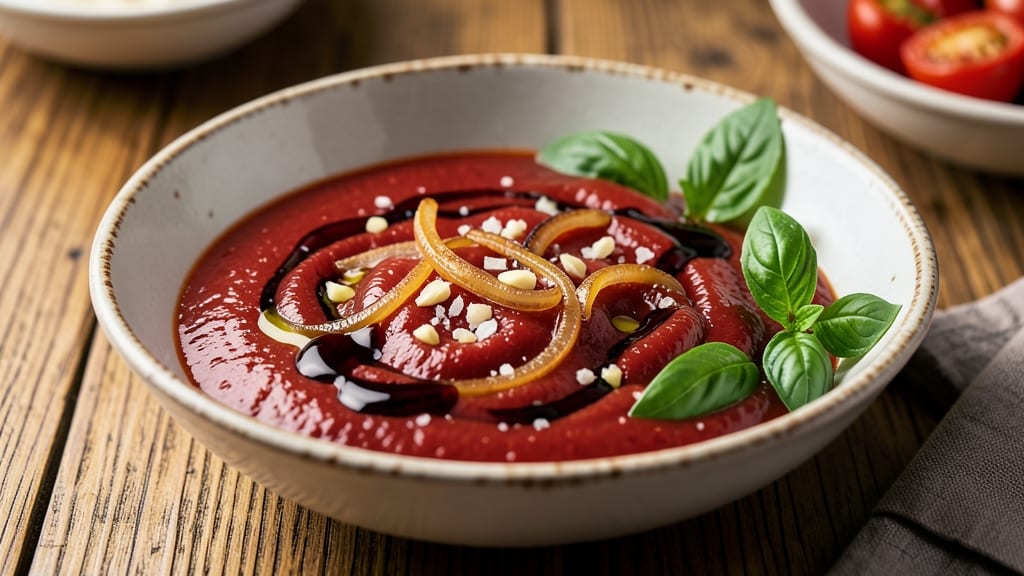
Alton Brown's tomato sauce recipe transforms simple canned tomatoes into a restaurant-quality masterpiece with deep umami and bright herb notes. The slow-simmering process builds complex flavors while controlling texture—no lumps, just velvety perfection. This isn't your grandmother's sauce; it's a technique-driven creation that balances acidity, sweetness, and aromatic depth for professional results at home.
The secret lies in proper emulsification and layering flavors: onions caramelize first, garlic infuses without burning, and canned tomatoes simmer until their natural sugars concentrate. Fresh basil and oregano add brightness, while a touch of vinegar cuts through richness.
Unlike quick versions, this sauce develops character over 45 minutes of gentle cooking—transforming basic ingredients into something extraordinary.
What you'll end up with is a sauce so versatile it elevates everything from pasta to pizza, yet remains approachable for weeknight cooking. The texture stays silky-smooth thanks to careful blending techniques, and the flavor profile—savory, slightly sweet, with herbal brightness—makes it infinitely better than store-bought.
This is the kind of sauce that turns ordinary meals into memorable experiences.
For those with dietary preferences, variations include meat-based versions with pancetta or ground beef, vegan adaptations using vegetable broth, and even a quick 20-minute version for emergencies. The base technique remains the same—just adjusted for time and ingredients. Let's create this sauce that's as impressive as it is delicious.
Ingredients for alton brown tomato sauce
Ten ingredients, 45 minutes of patience—this transforms humble canned tomatoes into velvety umami perfection.
| Ingredient | Amount | Notes |
|---|---|---|
| Extra-Virgin Olive Oil 🫒 | ½ cup | High-quality, fruity, cold-pressed |
| Yellow Onions 🧅 | 2 whole | Medium size, finely diced |
| Garlic Cloves 🧄 | 6 cloves | Fresh, peeled, minced |
| Canned San Marzano Tomatoes 🍅 | 28 oz | Whole, crushed by hand |
| Tomato Paste 🍅 | 2 tbsp | High-quality, no sugar added |
| Red Wine Vinegar 🍷 | 1 tbsp | Dry, aged variety |
| Dried Oregano 🌿 | 1 tsp | Mediterranean or Italian blend |
| Fresh Basil Leaves 🌿 | ½ cup | Packed, stems removed |
| Kosher Salt 🧂 | 1 ½ tsp | Diamond Crystal preferred |
| Black Peppercorns 🌶️ | ½ tsp | Freshly cracked |
The foundation starts with San Marzano tomatoes—their natural sweetness and low acidity create a balanced sauce. For the onions, yellow onions with a touch of sweetness work best; avoid red for color bleeding. Garlic should be freshly minced (pre-minced burns easily). Whole San Marzano tomatoes are crushed by hand for texture control—never pre-crushed from cans. If you can't find San Marzano, Italian plum tomatoes are the next best option. For the olive oil, California avocado or Italian extra-virgin brands elevate the sauce's depth. Whole Foods or specialty markets often carry the best quality, but Trader Joe's has surprisingly good options at a fraction of the price.
No San Marzano tomatoes? Crush high-quality Italian plum tomatoes—just avoid regular grocery-store brands with added salt or preservatives. Dried oregano can be substituted with fresh oregano at half the amount, but the flavor profile shifts slightly. Fresh basil is ideal, but dried basil at one-third the amount works in a pinch (though texture suffers). The vinegar is critical for brightness—balsamic vinegar adds sweetness but changes the profile. For a meaty depth without meat, mushroom powder or soy sauce can add umami. If you're short on time, pre-minced garlic (from a jar) is acceptable, but toasting whole cloves first makes a noticeable difference.
This sauce develops best over time—45 minutes of simmering concentrates flavors without overcooking. Store in glass jars with tight lids in the refrigerator for up to 5 days or freeze for 3 months. The texture thickens as it cools, so add a splash of water if needed before reheating. For best results, reheat gently on low heat, stirring occasionally. Leftovers make excellent pizza sauce—just thin with a bit of water if needed. Portion into ice cube trays for single-use servings if you prefer smaller batches.
Why You'll Love This Recipe
- No-Fuss Technique: I swear by the low-and-slow method here—just a heavy pot, olive oil, and time. No blender, no strainer, no stress. The onions and garlic caramelize into sweet, jammy perfection while the tomatoes simmer down to a velvety consistency. (Yes, even if you burn the garlic a little—it’s forgiving.)
- San Marzano Magic: That canned San Marzano tomato? It’s the secret weapon. The flavor is bright, balanced, and just sweet enough—no need for sugar or salt to fix it. The paste deepens the richness without overpowering, and the olive oil finish ties it all together like a hug from Nonna.
- Pantry-to-Table Flex: This sauce is my weeknight hero for pasta, pizza, or even a quick braise. Freezes like a dream for lazy Mondays, and a splash in soup or over grilled cheese turns it into something special. Honestly, I’ve used it in everything from lasagna to breakfast hash—it’s that adaptable.
- Budget-Friendly Staple: A 28-ounce can of tomatoes and a jar of paste last me months—this is the kind of recipe that makes grocery bills breathe easier. Plus, the ingredients are cheap but taste like you spent hours on it. (Between us, I’ve made this for $3 a batch and still felt fancy.)
Step-by-step instructions for alton brown's tomato sauce
This method delivers deep, complex flavor through slow development and proper technique.
Sauté Onions Until Translucent and Sweet
Heat the 0.5 cup extra-virgin olive oil in a large, heavy-bottomed saucepan over medium-low heat. Add the 2 whole yellow onions, finely diced, and cook gently for 10-12 minutes, stirring occasionally. You're looking for onions that become soft and translucent, with their edges just beginning to turn golden—this sweetens them and removes their sharp bite.
I use medium-low heat here to prevent browning, which would create bitterness rather than sweetness. Stir frequently to ensure even cooking and prevent sticking. The onions should release their moisture and reduce slightly by the time they're ready for the next step. If they start to brown too quickly, reduce the heat immediately.
Add Garlic and Tomato Paste for Depth
Once the onions are tender, increase heat to medium and add the 6 cloves minced garlic, stirring constantly for 30 seconds until fragrant but not browned. Garlic burns in seconds, so watch carefully—you want that sweet, nutty aroma without any bitter overcooking.
Next, stir in the 2 tablespoons tomato paste and cook for 1-2 minutes, allowing it to caramelize slightly against the pan. This step builds the sauce's foundation by developing a rich, concentrated flavor. The paste will darken slightly and stick to the bottom of the pan, creating those coveted fond bits that dissolve into the sauce later.
Incorporate Tomatoes and Vinegar for Balance
Pour in the 28 ounces crushed San Marzano tomatoes and the 1 tablespoon red wine vinegar. Stir well to combine, then bring the mixture to a gentle simmer over medium heat. The vinegar adds brightness that cuts through the richness of the tomatoes and olive oil, creating balance in the final sauce.
Simmer uncovered for 20-25 minutes, stirring occasionally. You're looking for the sauce to thicken noticeably and reduce by about one-third. This slow reduction concentrates the flavors and develops the sauce's depth. If the sauce starts to stick to the bottom, add a splash of water and stir to release it.
Season and Finish with Fresh Herbs
Reduce heat to low and stir in the 1 teaspoon dried oregano, 1.5 teaspoons kosher salt, and 0.5 teaspoon freshly cracked black peppercorns. Let the sauce simmer gently for another 5 minutes to allow the flavors to meld. The oregano adds an earthy depth, while the salt and pepper enhance all the other flavors without overpowering them.
Remove the pan from heat and stir in the 0.5 cup fresh basil leaves, packed and stems removed. The basil adds a bright, aromatic finish that elevates the sauce from good to exceptional. Let the sauce sit off heat for 5 minutes before serving—this allows the basil to infuse fully without cooking down into bitterness.
Pro Tips For Making Alton Brown Tomato Sauce
- Sweat the Onions Slowly: I used to rush this step and end up with bitter, watery onions—don’t. Once you add the sliced onions to the olive oil, turn the heat down to medium-low and let them cook for 8-10 minutes until they’re translucent and just starting to caramelize. The patience here builds flavor you’ll taste later, especially when the tomatoes come in.
- Smash the Garlic Cloves: Skip the mincer unless you’re in a hurry. Instead, peel the garlic cloves, place them whole in a small pan, and cook them in a little olive oil over low heat until they’re golden and fragrant—about 3-4 minutes. Then, smash them with the flat side of your knife before adding them to the sauce. This releases more aroma and prevents bitter allicin buildup.
- Simmer, Don’t Boil: After adding the tomatoes and paste, resist the urge to crank the heat. A gentle simmer—small bubbles breaking the surface—is what you want. Boiling burns the sauce and makes it taste harsh. If it’s not simmering, turn the heat down. This isn’t a race; let it cook uncovered for 30-40 minutes so the flavors meld.
- Salt in Stages: Don’t dump all the salt at once. Start with a pinch when you sauté the onions, then add another when the garlic joins the pot. Finally, taste and adjust after the sauce has simmered for 20 minutes. This way, you control the seasoning and avoid over-salting, which can make the sauce taste flat or one-dimensional.
Regional styles of alton brown tomato sauce
Southern Italian Style
In Southern Italy, tomato sauce is all about bold, rustic flavors with a touch of sweetness. For this variation, add 1 tablespoon of honey or 1 tablespoon of sugar when incorporating the tomatoes to mimic the natural sweetness of heirloom varieties.
Use 1 teaspoon of crushed red pepper flakes for a subtle heat, and finish with 2 tablespoons of fresh parsley instead of basil. This version pairs perfectly with spaghetti or as a topping for grilled meats. 🌶️
Creamy Tuscan Version
Tuscan tomato sauce often includes a touch of creaminess from ricotta or mascarpone. After simmering the tomatoes, stir in ¼ cup of whole-milk ricotta cheese and 1 tablespoon of heavy cream while off heat. This adds a velvety texture while keeping the sauce light.
Top with ¼ cup grated Pecorino Romano cheese and a sprinkle of fresh thyme leaves for an authentic Tuscan touch. This sauce is ideal for tossing with pappardelle pasta.
Spicy Calabrian Twist
Calabrian cuisine brings heat and complexity to tomato sauce. After the initial simmer, add 1 tablespoon of Calabrian chili paste (or substitute ½ teaspoon of cayenne pepper if unavailable) and 1 teaspoon of fennel seeds, lightly toasted. Simmer for an additional 5 minutes to allow the spices to infuse.
Finish with 1 tablespoon of fresh oregano and a drizzle of extra-virgin olive oil. This version is perfect for pairing with rigatoni or as a marinara for pizza.
Quick Weeknight Adaptation
For a faster version, blend 1 (28 oz) can of crushed tomatoes, 2 tablespoons tomato paste, 1 tablespoon red wine vinegar, 1 teaspoon dried oregano, 1 teaspoon sugar, and ½ teaspoon salt in a food processor or blender until smooth.
Heat the blended sauce in a saucepan over medium heat for 10-15 minutes, stirring occasionally. Stir in ¼ cup fresh basil leaves at the end. This version skips the caramelization step but still delivers a flavorful sauce in under 20 minutes. ✨
Meat-Inspired Umami Boost
For a deeper, meatier flavor without actual meat, add 1 tablespoon of soy sauce or 1 teaspoon of mushroom powder when incorporating the tomatoes. For a true meat-based version, brown ½ pound of ground pork or pancetta in the olive oil before adding onions, then proceed with the recipe.
This version adds richness that pairs beautifully with hearty dishes like lasagna or braised meats.
Nutrition facts
Frequently asked questions
Can I use regular canned tomatoes instead of San Marzano?
You can, but expect a less refined flavor. San Marzano tomatoes have a natural sweetness and lower acidity that creates a more balanced sauce. If using regular tomatoes, add 1 teaspoon of sugar and ½ teaspoon of citric acid (or extra vinegar) to mimic the balance. For best results, choose high-quality Italian plum tomatoes over standard grocery brands.
Why does my sauce get chunky even after blending?
Chunkiness usually comes from under-simmering or using pre-crushed tomatoes with skins. Always crush whole tomatoes by hand before adding, and simmer uncovered for the full 45 minutes to break down fibers. If blending later, use an immersion blender for better texture control. For a smoother sauce, strain through a fine-mesh sieve after cooking.
How do I prevent the sauce from sticking to the pan?
Stir frequently during cooking and maintain a gentle simmer—not a boil. If sticking occurs, add 1-2 tablespoons of water or broth and stir to release the fond. Using a heavy-bottomed saucepan helps prevent scorching. For extra insurance, deglaze with a splash of vinegar before adding tomatoes—it cuts through any stuck bits while adding brightness.
Can I make this sauce in a slow cooker?
Yes! Follow the same steps for sautéing onions and garlic, then transfer everything to a slow cooker and cook on low for 4-5 hours or high for 2-3 hours. The long cook time develops deeper flavors. Stir occasionally and add water if needed to prevent sticking. Finish with fresh basil off heat to preserve its aroma.
What's the best way to store leftovers?
Cool the sauce completely before transferring to airtight glass containers. It keeps in the refrigerator for 5 days or freezes for 3 months. For freezing, portion into ice cube trays first—this makes it easy to thaw just what you need. Reheat gently on low heat, stirring occasionally, and add a splash of water if the sauce thickens too much.