
Sauces & Condiments
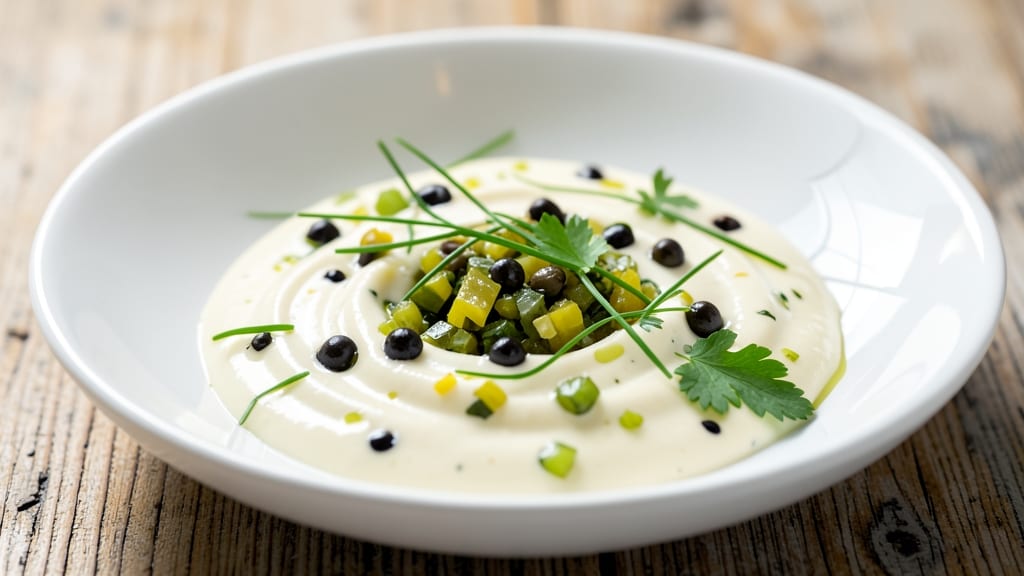
Alton Brown's tartar sauce recipe transforms simple pantry staples into a creamy, crunchy condiment that elevates every bite—no guilt, just flavor. The secret lies in balancing tangy capers, briny pickles, and fresh herbs with rich mayonnaise, creating a sauce that's both bold and refined. This version stays true to Alton's signature precision while delivering restaurant-quality results at home.
What makes this tartar sauce special is its celery-creaminess, achieved by finely chopping celery and combining it with classic tartar elements. The sauce maintains its signature crunch without relying on breadcrumbs, making it lighter yet equally satisfying.
It's the perfect companion for fish and chips, seafood platters, or even as a dip for crispy veggies.
With just 10 minutes of prep and no cooking required, this sauce is a game-changer for weeknight dinners. The ingredients blend effortlessly, and the flavors develop as it sits—ideal for making ahead. Store it in the fridge for up to a week, where it only gets better with time.
The result is a sauce that's creamy yet bright, with a perfect balance of tang, crunch, and freshness. Whether you're serving it with classic fish and chips or using it as a dip, this tartar sauce will become a staple in your kitchen. Let's get started!
Ingredients for alton brown tartar sauce
Ten essential ingredients blend seamlessly for Alton Brown's signature tartar sauce—creamy yet bright, with celery's signature crunch.
| Ingredient | Amount | Notes |
|---|---|---|
| Mayonnaise 🥫 | 1 cup | High-quality, full-fat preferred |
| Fresh Dill Pickle Relish 🥒 | ¼ cup | Finely chopped, not chunky |
| Capers 🍊 | 2 tbsp | Rinsed and finely chopped |
| Fresh Celery 🧅 | ¼ cup | Finely minced, crisp stalks |
| Fresh Chives 🌿 | 2 tbsp | Finely chopped, stems removed |
| Fresh Parsley 🌿 | 2 tbsp | Finely chopped, flat-leaf preferred |
| Fresh Lemon Juice 🍋 | 1 tbsp | Freshly squeezed, strained |
| Diamond Crystal Kosher Salt 🧂 | ½ tsp | Adjust to taste |
| Ground Black Pepper 🌶️ | ¼ tsp | Freshly ground, coarse grind |
| Extra-Virgin Olive Oil 🫒 | 1 tbsp | For finishing, fruity variety |
The mayonnaise serves as the creamy foundation, so Duke's or Hellmann's are ideal for their rich, stable texture. For the pickles, Heinz Relish is a pantry staple, but any finely chopped dill pickle relish works—just ensure it's smooth, not chunky. Capers should be non-pasteurized for maximum brininess; rinse them well to remove excess salt. Celery's crunch is non-negotiable—choose firm, pale stalks and finely mince them for optimal texture. Fresh herbs elevate the sauce, so flat-leaf parsley and chives from the grocery store's produce section (not dried) are essential for vibrant flavor.
No fresh dill? Dried dill at one-third the amount works in a pinch, though the texture will differ slightly. Substitute relish with finely chopped cornichons for a more refined tang. If capers are unavailable, a pinch of smoked paprika plus extra lemon juice mimics their briny depth. For a lighter texture, reduce the mayonnaise to 3/4 cup and add 1 tbsp plain Greek yogurt. The lemon juice can be swapped for white wine vinegar at half the amount, though fresh lemon adds brightness. Always taste as you go—adjust salt and pepper to balance the tangy elements.
This sauce develops flavor as it sits, so make it a day ahead for optimal results. Store in an airtight container in the fridge for up to 1 week, where the flavors meld beautifully. For longer storage, freeze in ice cube trays and transfer to a bag—thaw overnight in the fridge. The olive oil should be added just before serving to maintain its freshness and prevent the sauce from separating. If the sauce thickens after refrigeration, stir in 1 tsp water or lemon juice to restore creaminess.
Why You'll Love This Recipe
- Here’s what sold me: that first bite where the creamy mayo meets the sharp pickle and the briny capers—it’s like a party in your mouth. The chives give it this fresh finish that makes it taste restaurant-quality without trying too hard. I’ll be real: my kids usually turn up their noses at "fancy" dips, but they fight over this one. (Yes, even on a Tuesday night.)
- Five-Ingredient Magic: I swear, this is the kind of recipe where you glance at the ingredients and think, "How can this be good?"—then taste it and realize you’ve been missing out. The pickle relish brings that tangy punch, the capers add this bright, salty crunch, and the celery? It’s like a secret green umami boost. Honestly, I’ve made tartar sauce before, but this one actually works—no weird separation or blandness.
- Tangy, Briny, Perfect: Here’s what sold me: that first bite where the creamy mayo meets the sharp pickle and the briny capers—it’s like a party in your mouth. The chives give it this fresh finish that makes it taste restaurant-quality without trying too hard. I’ll be real: my kids usually turn up their noses at "fancy" dips, but they fight over this one. (Yes, even on a Tuesday night.)
- Game for Any Meal: I keep a jar of this in the fridge at all times because it’s that versatile. Fish tacos? Done. Chicken fingers? Covered. Even as a sandwich spread or with veggies—it’s the ultimate crowd-pleaser. And the best part? It’s not one of those sauces that gets boring after the first use. The flavors actually deepen over time, so leftovers taste even better.
Step-by-step instructions for Alton Brown's tartar sauce
This classic tartar sauce delivers a perfectly balanced blend of creamy richness and bright, herby crunch.
Prepare the Fresh Herbs and Vegetables
Begin by finely mincing the 0.25 cup fresh celery using a sharp chef's knife. I like to cut it into tiny dice—about ⅛-inch pieces—so it blends seamlessly into the sauce without any texture contrast. Next, finely chop the 2 tablespoons fresh chives and 2 tablespoons fresh parsley, removing any tough stems. These herbs will provide the signature freshness that sets this sauce apart from store-bought versions.
Rinse the 2 tablespoons capers thoroughly under cold water to remove any brine, then chop them finely. The capers add a briny tang that balances the creaminess of the mayonnaise. Set all the chopped ingredients aside in a small bowl—they'll be ready to combine once the other components are prepared.
Combine Wet Ingredients for Balance
In a medium mixing bowl, combine the 1 cup mayonnaise with the 0.25 cup fresh dill pickle relish. Stir gently with a silicone spatula until fully incorporated. The relish provides that signature tangy sweetness that makes tartar sauce so distinctive. Next, add the 1 tablespoon fresh lemon juice and mix again, ensuring the citrus brightens the entire mixture.
At this stage, the sauce should look smooth and cohesive. If you find the relish too chunky, give it a quick pulse in a food processor before adding it to the mayonnaise. The goal is a uniform texture where every bite delivers the same perfect balance of flavors.
Incorporate Herbs and Seasonings
Add the finely chopped celery, chives, parsley, and capers to the mayonnaise mixture. Stir thoroughly to distribute all the ingredients evenly. The celery should disappear completely, while the herbs and capers will add subtle texture and depth. Season with the 0.5 teaspoon Diamond Crystal kosher salt and 0.25 teaspoon ground black pepper, tasting as you go to ensure the flavors are well-balanced.
Here's where precision matters: The sauce should taste tangy, herby, and slightly briny, but not overpowering. If it needs more brightness, add a tiny splash of lemon juice. If it needs more salt, use the kosher salt—it dissolves easily and enhances flavor without altering texture.
Finish with Olive Oil for Texture
Drizzle in the 1 tablespoon extra-virgin olive oil and stir gently to combine. This final touch adds a silky richness that elevates the sauce from good to exceptional. The olive oil also helps bind everything together, creating a smooth, velvety consistency that clings perfectly to fish, chicken, or sandwiches.
Taste once more and adjust seasonings if needed. The sauce should be creamy yet vibrant, with a subtle crunch from the celery and capers. If it's too thick, add a teaspoon of water or lemon juice to loosen it slightly. Cover the bowl and refrigerate for at least 30 minutes to allow the flavors to meld completely before serving.
Serve and Enjoy
Transfer the tartar sauce to a serving bowl or small pitcher. The chilled sauce will have a glossy sheen and a perfectly balanced flavor profile—creamy from the mayonnaise, bright from the lemon and herbs, and briny from the capers. Serve it immediately with fried fish, chicken fingers, or on a classic Reuben sandwich for the ultimate dining experience.
This sauce keeps well in the refrigerator for up to 5 days, though I find it's best enjoyed within the first 2 days when the herbs are at their peak freshness. For an extra touch, garnish with a sprinkle of fresh parsley or a drizzle of olive oil just before serving.
Pro Tips For Making Alton Brown Tartar Sauce
- CHOP CELERY FINE: I used to leave celery chunks too big—it threw off the texture. Pulse it in a food processor for 3-4 seconds (not a paste!) or hand-chop it into matchstick-thin pieces. The sauce needs that bright, crisp bite to balance the mayo, and oversized celery just sits there like a sad, undercooked guest.
- DRAIN CAPERS WELL: Skip this, and your sauce will taste like you’re swimming in brine. Pat capers dry with a paper towel or rinse them briefly in a strainer, then shake off excess liquid. Wet capers make the sauce watery and dull the flavors—no one wants tartar sauce that tastes like a pickle jar.
- STIR GENTLY AFTER MIXING: I learned this the hard way—vigorously folding in relish and herbs can break down the mayo’s emulsion, turning it into a greasy mess. Use a rubber spatula and stir just until combined, like you’re folding in delicate eggs. A few lumps? That’s fine. A separated sauce? Not fine.
- USE FRESH PICKLE RELISH: Sounds weird, but it works: swap jarred relish for homemade or high-quality fresh dill pickle relish if you can. The vinegar tang in store-bought versions can overpower the sauce’s balance. If you’re using jarred, pick one with minimal added sugar—it’ll make a real difference in the final brightness.
Regional styles of these flavors
Classic American Style
This is the tartar sauce you know and love from diners and seafood shacks across the US. The classic version relies on Heinz Relish for that signature tangy-sweet balance, combined with Duke's mayonnaise for creaminess.
I like to add a pinch of Old Bay seasoning (about ¼ teaspoon) to give it that classic Maryland-style briny kick. Serve it with golden, crispy beer-battered cod or as a dip for onion rings. 🍟
New England Crunch
Up north, they keep it simple but add a local twist. Swap the relish for finely chopped cornichons (about ¼ cup) and boost the herbs with 1 tablespoon fresh dill instead of parsley.
The result is a lighter, more herbaceous sauce that pairs perfectly with New England-style clam chowder or fried haddock. Add 1 teaspoon white wine vinegar for extra brightness—this version feels fresher and more refined. 🦞
Southern Fried Chicken Dip
In the South, tartar sauce takes on a whole new life as a dip for fried chicken. Mix in 1 tablespoon hot sauce (like Crystal or Tabasco) and 1 teaspoon smoked paprika for a spicy, smoky twist.
Some cooks even add ¼ cup shredded sharp cheddar cheese for a creamy, cheesy dip that’s perfect with crispy fried chicken tenders. Serve it warm in a slow cooker on the side of your Sunday dinner. 🍗
West Coast Avocado Twist
Out west, they love to blend tartar sauce with avocado for a creamy, vibrant dip. Mash ½ ripe avocado into the base and reduce the mayonnaise to ½ cup. Add 1 tablespoon lime juice instead of lemon for a citrusy zing.
This version works beautifully as a dip for crispy fish tacos or as a spread on grilled sandwiches. The avocado adds a fresh, velvety texture that’s perfect for warm weather. 🥑
British Pub-Style
For a true British pub experience, replace the relish with 2 tablespoons chopped gherkins and add 1 teaspoon English mustard (like Colman’s). The mustard gives it a sharp, tangy depth that pairs perfectly with fish and chips—especially battered cod or haddock.
Garnish with a sprinkle of fresh parsley and serve with thick-cut chips for that authentic pub feel. 🇬🇧
Mediterranean Herb Version
Give your tartar sauce a Mediterranean makeover by swapping the parsley for 1 tablespoon fresh oregano and adding 1 teaspoon lemon zest. Use Kalamata olives (finely chopped, about 2 tablespoons) instead of capers for a fruity, briny note.
This version shines with grilled sea bass or as a dip for warm pita bread. The oregano adds an earthy depth that’s pure coastal vibes. 🌊
Nutrition facts
Frequently asked questions
Can I make this tartar sauce without mayonnaise?
Yes! For a lighter version, replace ½ cup of the mayonnaise with ¼ cup plain Greek yogurt—it keeps the creamy texture while cutting calories. For a vegan option, use ½ cup vegan mayo or blend ½ cup silken tofu with 1 tbsp lemon juice until smooth. The sauce will still deliver that signature tang and crunch!
How do I fix tartar sauce that separated?
Stir in 1 teaspoon lemon juice or water to loosen the texture, then whisk vigorously. If it still looks broken, add ½ teaspoon Dijon mustard—it acts as an emulsifier. For a quick fix, mix in 1 tablespoon olive oil and blend until smooth. Always refrigerate the sauce in an airtight container to prevent future separation.
Can I use dried herbs instead of fresh?
Fresh herbs are ideal, but if you only have dried, use ⅓ the amount (e.g., ⅔ teaspoon dried parsley instead of 2 tablespoons fresh). Crush dried herbs between your fingers to release their flavor before adding. For capers, dried ones work too—soak them in warm water for 10 minutes to rehydrate before chopping. The texture will differ slightly, but the flavor will still shine!
What’s the best way to store leftover tartar sauce?
Transfer to an airtight container and refrigerate for up to 5 days. For longer storage, freeze in ice cube trays, then transfer to a bag—thaw overnight in the fridge. Add 1 teaspoon water or lemon juice when reheating to restore creaminess. The sauce actually tastes better after 24 hours as flavors meld!
Why does my tartar sauce taste too salty?
Capers and relish often contain hidden salt. Rinse capers thoroughly and taste the relish before adding—some brands are saltier than others. If needed, balance with 1 teaspoon extra lemon juice or 1 tablespoon water. For future batches, reduce the salt to ¼ teaspoon and adjust to taste at the end. Always taste as you go!