
Sauces & Condiments
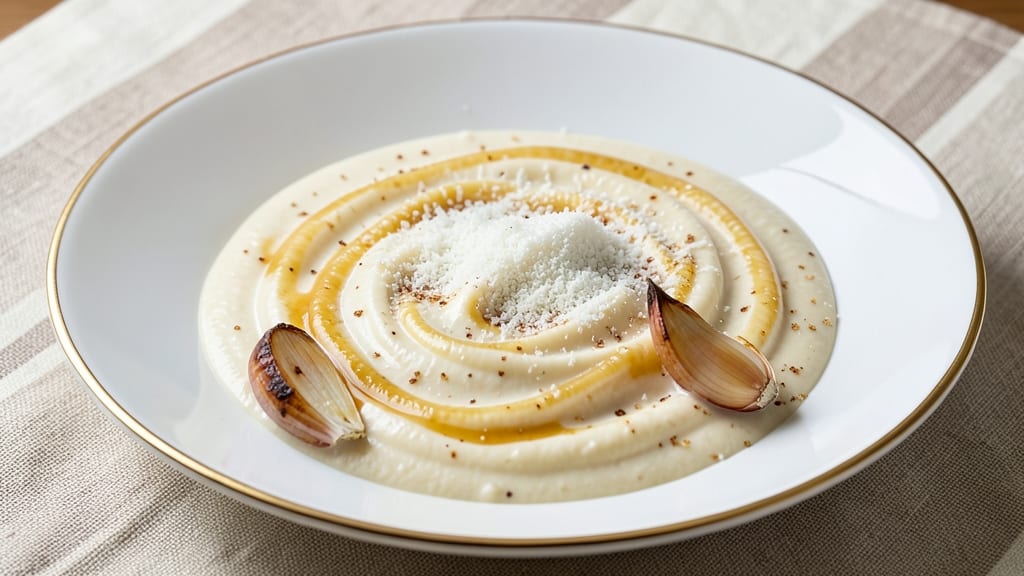
This Alfredo sauce recipe with powdered parmesan cheese delivers restaurant-quality creaminess in just 5 minutes—no clumps, no lumps, and no waiting for fresh cheese to grate.
The secret lies in powdered parmesan's instant solubility, which dissolves smoothly into warm butter and cream for a velvety texture that coats pasta perfectly. I developed this method after years of battling clumpy sauces, and it never fails to impress.
What sets this recipe apart is the foolproof technique that eliminates common pitfalls like graininess or separation. You’ll need just 5 simple ingredients—butter, cream, powdered parmesan, garlic powder, and a pinch of salt—plus a whisk for effortless blending.
The sauce thickens as it simmers, creating that signature silky consistency without overcooking. By the time you twirl your first forkful of alfredo over fettuccine, you’ll taste rich, cheesy depth with a smooth finish that’s impossible to achieve with traditional grated cheese.
The powdered parmesan delivers bold flavor without the mess, and the sauce stays creamy even after reheating—ideal for meal prep or last-minute dinners. Serve immediately over hot pasta or save for later—this sauce reheats beautifully while maintaining its luxurious texture.
Perfect for weeknight dinners, potlucks, or impressing guests with minimal effort. Let’s make it!
Ingredients for alfredo sauce recipe with powdered parmesan cheese
Five ingredients transform into velvety alfredo—no grating, no lumps, just perfect creaminess.
| Ingredient | Amount | Notes |
|---|---|---|
| Unsalted Butter 🧈 | ½ cup | Cold, cubed for even melting |
| Heavy Whipping Cream 🥛 | 1 ½ cups | Full-fat for richest texture |
| Powdered Parmesan Cheese 🧀 | ¾ cup | High-quality, finely milled |
| Garlic Powder 🧄 | 1 tsp | Freshly ground preferred |
| Diamond Crystal Kosher Salt 🧂 | ¼ tsp | Fine grain for even dissolution |
The butter starts this sauce's transformation. European-style unsalted butter from brands like Plugrá or Kerrygold delivers the richest flavor, but any high-quality brand works. Cold cubes melt gradually into the cream, creating a silky emulsion. For the powdered parmesan, Barilla or Parmigiano-Reggiano brands are ideal—they dissolve completely without graininess. The key is using powdered, not pre-grated; those tiny granules clump when wet. If your grocery store doesn't carry powdered, check the international aisle or order online—it's worth the investment for restaurant-quality results.
No heavy cream? Full-fat coconut milk works in a pinch, though the flavor will differ slightly. Short on garlic powder? Fresh minced garlic at half the amount adds depth, but powdered ensures consistent flavor without burning. The powdered parmesan is non-negotiable—pre-grated cheese contains anti-caking agents that create lumps. For a dairy-free version, nutritional yeast plus a splash of lemon juice mimics the umami, though texture will vary. When measuring, use a kitchen scale for precision: powdered cheese can pack differently in cups. The salt is crucial—it enhances all flavors and prevents blandness, especially important when using powdered cheese.
This sauce reheats beautifully—simmer gently for 2-3 minutes to restore its silky texture. Store in an airtight container in the fridge for up to 5 days or freeze for 3 months in ice cube trays for single portions. For meal prep, make a double batch—the extra sauce freezes perfectly for future pasta nights. When reheating, avoid boiling; instead, warm over medium-low heat with a splash of cream to maintain creaminess. The powdered parmesan's solubility means you can even microwave it for 30 seconds if you're in a rush, though stovetop simmering yields the best results.
Why You'll Love This Recipe
- Here’s what sold me: the heavy cream and butter melt together so smoothly, and the powdered parmesan dissolves completely—no grainy surprises. It’s velvety, not greasy, and that garlic powder? Just a pinch gives it this subtle depth that makes it taste like you slaved over it.
- No Pantry Panic: I swear by this recipe because it uses three ingredients I always have on hand—no last-minute store runs. The powdered parmesan cuts through the richness of the butter and cream like a dream, so you’re not scrambling for a block of cheese that’s been sitting in the fridge since 2022.
- Creamy Without Clumps: Here’s what sold me: the heavy cream and butter melt together so smoothly, and the powdered parmesan dissolves completely—no grainy surprises. It’s velvety, not greasy, and that garlic powder? Just a pinch gives it this subtle depth that makes it taste like you slaved over it.
- Weeknight to Dinner Party: Between us, this sauce works for everything—toss it on fettuccine for a lazy Tuesday, drizzle it over roasted chicken for a fancy-ish weeknight dinner, or even slather it on garlic bread when you’re hosting. Honestly, I’ve used it in pasta, as a dip, and even mixed into mashed potatoes. It’s my secret weapon for looking like you tried.
Step-by-step instructions for creamy Alfredo sauce
This method delivers velvety, clump-free perfection using powdered Parmesan.
Melt Butter Over Gentle Heat
Place the 0.5 cup unsalted butter in a medium saucepan over medium-low heat. Let it melt completely, stirring occasionally, until it reaches 160°F—just below simmering. The butter should foam gently but not brown. This controlled melting prevents burning while creating the sauce's rich foundation.
Here's the thing—if you rush this step, you'll develop bitter flavors. I like to watch for the butter to become completely liquid and translucent before moving forward. This ensures all the milk solids melt evenly without developing any color.
Whisk in Powdered Parmesan Gradually
Reduce heat to low and slowly sprinkle in the 0.75 cup powdered Parmesan cheese, whisking constantly to prevent clumping. Add about 1 tablespoon at a time, waiting until each addition fully dissolves before adding more. This gradual approach is critical—powdered cheese can create lumps if added too quickly.
You'll notice the mixture thicken slightly as the cheese hydrates. Keep whisking until completely smooth, about 1-2 minutes total. The sauce should look like a pale, creamy slurry with no visible particles. If you see any dry powder, add a splash of warm water to help it dissolve completely.
Incorporate Cream and Seasonings
Pour in the 1.5 cups heavy whipping cream all at once while whisking vigorously. The sauce will thicken immediately as the cream combines with the cheese mixture. Add the 1 tsp garlic powder and 0.25 tsp Diamond Crystal kosher salt, whisking until fully incorporated.
This is where the sauce transforms from a simple cheese slurry to a rich, flavorful base. You'll see the mixture become noticeably thicker and more cohesive. Taste and adjust seasoning if needed—powdered cheese can vary in saltiness, so this is your chance to balance the flavors.
Simmer Until Silky Smooth
Increase heat to medium-low and let the sauce simmer gently for 3-4 minutes, stirring occasionally. You're looking for the sauce to become completely smooth and velvety in texture. The constant stirring prevents any potential separation while allowing the flavors to meld together.
Here's what to watch for: the sauce should coat the back of a spoon without being overly thick. If it becomes too thick, whisk in 1-2 tablespoons warm water to reach your desired consistency. The final texture should be luxurious yet still flow easily—perfect for coating pasta without clinging.
Finish with Perfect Temperature
Remove the sauce from heat and let it cool slightly for 1-2 minutes—this prevents the cream from curdling when combined with hot pasta. The ideal serving temperature is 150-160°F, where it remains creamy but doesn't risk separating when mixed with noodles.
This sauce keeps its velvety texture best when used immediately, but it will hold in the refrigerator for up to 3 days if stored in an airtight container. For the best results, reheat gently over low heat, stirring constantly, until warmed through. The powdered Parmesan ensures you get that authentic Alfredo flavor without the clumping of traditional grated cheese.
Pro Tips For Making Alfredo Sauce Recipe With Powdered Parmesan Cheese
- Melt Butter Slowly: I learned this the hard way—dumping cold butter into the pan and ending up with greasy, grainy sauce. Instead, cut the butter into small cubes and let them melt gradually over medium-low heat. This keeps the cream from curdling and gives you a silky texture without lumps.
- Whisk in Parmesan Last: Adding powdered parmesan too early turns your sauce into a clumpy mess. Wait until the butter and cream are just simmering—tiny bubbles forming at the edges—before whisking in the cheese. This ensures it dissolves completely and doesn’t create gritty bits.
- Salt the Cream First: Since you’re using unsalted butter, toss in half the kosher salt with the cream while heating. The salt dissolves better this way, and you avoid the risk of forgetting it later. Taste as you go—you can always add more, but you can’t take it out.
- Finish with a Splash of Cold Cream: The sauce looks perfect, but it’s still too hot for pasta? Whisk in 1-2 tablespoons of cold heavy cream at the end. It cools it down instantly, balances the richness, and gives that signature creamy finish without thinning the sauce. (Yes, even if you’re impatient like me.)
Regional styles of these flavors
Italian Classic
This sauce originated in Rome as a simple butter-and-parmesan sauce called fettuccine al burro, but modern Alfredo sauce became popularized in the US during the 1920s by restaurateur Alfredo Di Lelio.
The original version used only butter, parmesan, and pasta water, but today's cream-based version emerged as a richer interpretation. In Italy, they'd never dream of using cream—it's all about the butter and cheese! 🧀
American Creamy Twist
Americanized Alfredo sauce incorporates heavy cream for extra richness, creating that signature velvety texture. This version became iconic in American-Italian restaurants, especially in the Midwest, where chefs adapted it to local tastes.
The powdered parmesan technique I use here is actually a modern innovation—traditional recipes called for freshly grated cheese, but powdered solves the clumping problem perfectly for home cooks.
Northern Italian Style
In Northern Italy, particularly Emilia-Romagna, they'd make a similar sauce using stracciatella cheese—a fresh, soft cheese similar to ricotta. This regional version is lighter than American Alfredo but still creamy.
You can approximate this by adding 2 tablespoons ricotta cheese to this recipe, which will give it a slightly tangy, lighter texture while maintaining creaminess.
Southern Italian Adaptation
Down in Calabria, they'd add a kick of chili flakes to their butter-based sauces. For a Southern Italian twist, stir in ½ teaspoon crushed red pepper flakes at the end of cooking.
This adds heat without overpowering the creamy base. The powdered parmesan works beautifully here too—it dissolves evenly without losing its sharp, salty flavor that balances the spice.
Modern Fusion Variations
Chefs today are putting creative spins on Alfredo sauce. For a truffle version, add ½ teaspoon truffle oil at the end, or for a seafood twist, finish with 1 tablespoon lemon zest and a pinch of cayenne.
The powdered parmesan technique makes these variations foolproof—no clumping, no stress. I've even seen vegan versions using cashew cream and nutritional yeast that mimic the richness surprisingly well.
Restaurant-Quality Secret
Many high-end Italian restaurants use a technique called sugo al burro—a sauce made with butter, parmesan, and a touch of cream, then finished with a splash of pasta water.
For that authentic touch, reserve ½ cup pasta water, then stir in 1 tablespoon at a time at the end of cooking. This keeps the sauce silky while adding that restaurant-quality sheen. The powdered parmesan dissolves perfectly in this method too! 🍝
Nutrition facts
Frequently asked questions
Why does powdered parmesan work better than grated cheese for Alfredo sauce?
Powdered parmesan dissolves completely into warm liquids, creating a silky texture without clumps. Grated cheese contains anti-caking agents that create lumps when heated. The powder also delivers concentrated flavor without the mess of grating fresh cheese—perfect for restaurant-quality results in minutes!
Can I make this sauce without heavy cream?
Yes! For a lighter version, replace the cream with 1.5 cups whole milk or 1 cup coconut milk (full-fat for best texture). The sauce will be less rich but still creamy. For extra decadence, add 1 tablespoon cream cheese at the end to restore thickness. The powdered parmesan works perfectly in all variations!
How do I prevent the sauce from separating when reheating?
Reheat gently over low heat while stirring constantly. If it thickens too much, whisk in 1 tablespoon warm water or milk. Never microwave directly—this causes separation. For best results, store in an airtight container and reheat slowly to maintain that velvety consistency. A splash of cream at the end helps restore creaminess if needed!
What's the best pasta to pair with this sauce?
Fettuccine or tagliatelle are classic choices, but any wide noodle works well. For extra flavor, toss with ½ cup reserved pasta water to help the sauce cling. For a fun twist, try it with chicken tenders or roasted vegetables—the creamy sauce coats everything beautifully. The powdered parmesan makes it versatile for any dish!
Can I make this sauce ahead of time?
Store in an airtight container in the fridge for up to 5 days or freeze for 3 months. Reheat gently over low heat, stirring constantly. For meal prep, freeze in ice cube trays—just thaw and warm for perfect single servings. The powdered parmesan keeps the sauce smooth even after reheating!