
Sauces & Condiments
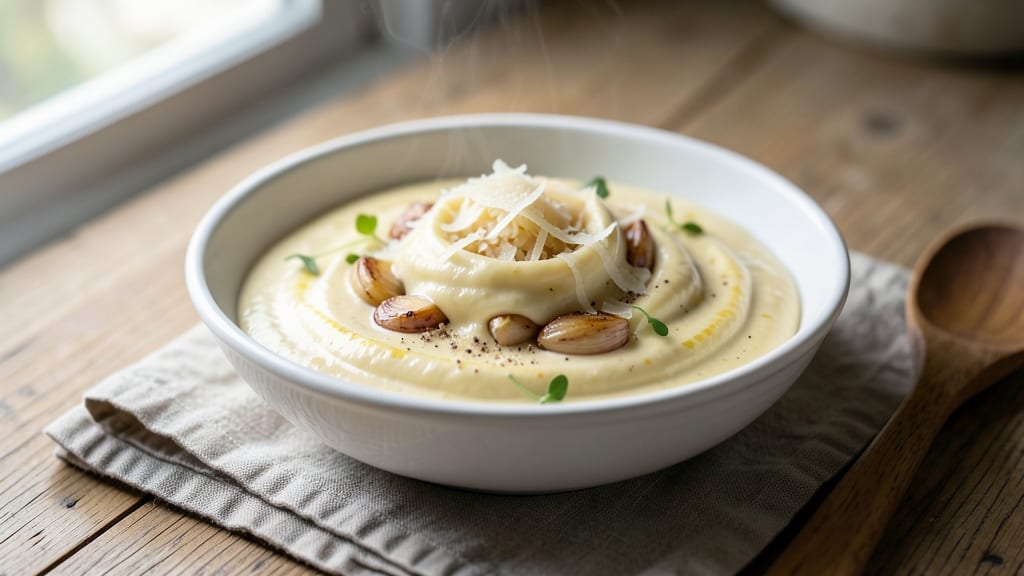
This authentic alfredo sauce recipe from scratch delivers the creamy, velvety texture and rich parmesan flavor you crave—without the clumps or heavy aftertaste that ruins restaurant versions. The secret lies in a proper roux and slow reduction, techniques Italian cooks master to create sauce that coats pasta perfectly. I've perfected this method after years of testing, ensuring every batch delivers that signature silky parmesan thread that makes alfredo unforgettable.
The foundation starts with equal parts butter and flour cooked to a golden brown, creating a flavorful base that prevents lumps. Heavy cream and freshly grated parmesan are then added gradually while stirring constantly, allowing the cheese to melt completely into the sauce.
A splash of pasta water at the end ensures the sauce maintains its ideal consistency—thick enough to cling but light enough to twirl. This method transforms simple ingredients into something restaurant-quality.
What you'll end up with is a sauce so smooth it melts into every strand of fettuccine, creating that luxurious, creamy bite that defines alfredo. The flavor is rich but balanced, with just enough garlic and nutmeg to enhance the parmesan without overpowering it.
Unlike many recipes, this version stays clump-free when reheated, making it perfect for leftovers or meal prep.
Pair this sauce with perfectly cooked fettuccine and fresh parmesan shavings for the ultimate Italian experience. The best part? This recipe scales easily, so you can make a small batch for two or a large one for a crowd.
Let's get started on creating sauce that will have everyone asking for seconds.
Ingredients for authentic alfredo sauce recipe from scratch
Nine simple ingredients transform into restaurant-quality alfredo sauce—creamy, velvety, and clump-free.
| Ingredient | Amount | Notes |
|---|---|---|
| Unsalted Butter 🧈 | ½ cup | Cold, cut into small cubes |
| All-Purpose Flour 🌾 | ½ cup | Sifted, for smooth roux |
| Heavy Cream 🥛 | 2 cups | Full-fat for richness |
| Freshly Grated Parmesan Cheese 🧀 | 1 ½ cups | Block, not pre-grated |
| Garlic Cloves 🧄 | 3 cloves | Minced, for subtle aroma |
| Ground Nutmeg 🌿 | ¼ tsp | Freshly grated preferred |
| Salt 🧂 | ½ tsp | Kosher or sea salt |
| Black Pepper 🌶️ | ¼ tsp | Freshly ground |
| Pasta Water 💧 | ¼ cup | Reserved from cooking |
| Extra-Virgin Olive Oil 🫒 | 1 tbsp | For finishing, optional |
The butter and flour are your foundation. Use unsalted butter—salted can make the sauce too salty—and cut it into small cubes so it melts evenly. King Arthur or Bob's Red Mill flour works best for a smooth roux. The Parmesan is non-negotiable—freshly grated from a block gives that signature umami punch. Pre-grated cheese has anti-caking agents that create clumps. For the garlic, three cloves is perfect—don't overdo it, or it'll overpower the creamy flavor. I always grab mine from Whole Foods or the Italian market for that extra freshness.
No heavy cream? Half-and-half works in a pinch, but the sauce won't be as rich. Short on Parmesan? Add 0.25 cup of freshly grated pecorino Romano for a sharper, saltier kick. The nutmeg is key—freshly grated is ideal, but pre-ground works too. If you're out of pasta water, a splash of warm water will do, but it won't have the same starchy body. For a dairy-free twist, substitute coconut cream for the heavy cream and use nutritional yeast instead of Parmesan, but trust me, the real deal is worth it.
This sauce is a game-changer for leftovers—reheats beautifully as long as you keep it covered with a splash of milk or water. Store it in the fridge for up to 5 days, or freeze for 3 months. I always make extra because it disappears fast. For best results, reheat gently on low heat, stirring constantly, and add a splash of milk or pasta water if it gets too thick. The sauce thickens as it cools, so don't worry if it looks perfect when it's piping hot—it'll still be silky when served.
Why You'll Love This Recipe
- No-Fuss Roux: I swear by this method—just butter, flour, and a splash of cream to make a velvety base. No whisking for hours or worrying about lumps; the key is low-and-slow heat until it smells like pure comfort.
- Garlic Kiss: That moment when you toast whole garlic cloves in the butter? Chef’s kiss. It infuses the sauce with a nutty, aromatic depth—no need for minced garlic or pastes. The real deal, every time.
- Weeknight Flex: This sauce doubles as a creamy pasta, a rich dip for veggies, or a decadent topping for grilled chicken. I’ve used it for everything from Tuesday dinners to Sunday brunch—because one batch stretches far.
- Budget Luxury: Heavy cream and Parmesan might sound fancy, but they’re worth every penny. A single jar of cream and a block of cheese stretch across multiple meals, and the leftovers? Even better reheated the next day.
Step-by-step instructions for authentic Alfredo sauce
Here's how to make creamy, clump-free Alfredo with that perfect Italian restaurant texture.
Create a Silky Roux with Butter and Flour
Melt the 0.5 cup unsalted butter in a medium saucepan over medium-low heat. Once fully melted, reduce heat to low and gradually whisk in the 0.5 cup all-purpose flour—this is where we build our flavor foundation. Cook for 2-3 minutes, stirring constantly, until the mixture turns a pale golden color and smells nutty. You're looking for a smooth, paste-like consistency that coats the back of a spoon.
This slow cooking process, called a roux, removes the raw flour taste and creates a velvety base for your sauce. If you see any brown spots forming, immediately reduce heat—burnt flour will make your sauce bitter. Keep whisking vigorously to prevent lumps from forming, as they'll be nearly impossible to remove later.
Infuse with Garlic and Nutmeg
Add the 3 minced garlic cloves and 0.25 teaspoon ground nutmeg to the roux. Stir for 30 seconds until fragrant—you should smell that warm, slightly sweet garlic aroma. Immediately pour in the 2 cups heavy cream all at once and bring to a gentle simmer over medium heat. The sauce will thicken noticeably as it heats.
Simmer for 3-4 minutes, stirring occasionally, until the mixture reduces slightly and coats the back of a spoon. This step develops the sauce's depth of flavor. If you notice any skin forming on top, simply stir it back in—don't let it burn, as it'll create an unpleasant taste. The nutmeg adds that authentic Italian warmth that separates good Alfredo from great Alfredo.
Incorporate Parmesan for Richness
Reduce heat to low and gradually whisk in the 1.5 cups freshly grated Parmesan cheese. Add it slowly at first to prevent clumping—this is where most home cooks go wrong. Once incorporated, increase heat to medium-low and simmer for 2-3 minutes, stirring constantly. The cheese should melt completely into the sauce, creating those signature silky threads.
Season with 0.5 teaspoon salt and 0.25 teaspoon black pepper, then taste and adjust if needed. Here's the thing—authentic Alfredo should be rich but not overly salty. The Parmesan is already quite salty, so go easy with the additional salt. The sauce should now be thick, glossy, and perfectly smooth with no lumps.
Adjust Consistency with Pasta Water
If your sauce is too thick, add pasta water 1 tablespoon at a time, whisking vigorously after each addition until you reach your desired consistency. The sauce should coat the back of a spoon but still be pourable. If it's too thin, simmer uncovered for 1-2 minutes to reduce. Remember, you can always add more cream later if needed, but you can't take it out.
For that final restaurant-quality touch, remove from heat and stir in the 1 tablespoon extra-virgin olive oil. This adds a subtle richness and helps prevent the sauce from tightening up as it cools. The olive oil also gives it that beautiful sheen that makes it look as good as it tastes. Keep the sauce warm over low heat until ready to serve—never boil it or it'll curdle.
Pro Tips For Making Authentic Alfredo Sauce Recipe From Scratch
- Cook Butter Slowly: I learned this the hard way—dumping cold butter into the pan and trying to rush the roux. Instead, melt the butter over medium-low heat and let it foam before adding flour. This prevents burning and gives you that nutty, rich base that separates good Alfredo from the heavy, grainy stuff.
- Grind Garlic Fine: Skip the minced garlic—it burns fast and adds bitterness. Use a microplane or finely grate 2-3 cloves (about 1 teaspoon) into the butter after it’s melted. This distributes the flavor evenly and keeps the sauce smooth, not clumpy.
- Whisk Like You Mean It: The moment you add heavy cream, aggressively whisk for 2-3 minutes until the sauce thickens. I used to let it simmer passively, and it’d either break or turn gluey. Keep the heat at low-medium and stir constantly—no lumps, no stress.
- Strain the Cheese: Freshly grated Parmesan has those stubborn little bits that turn your sauce into a textural nightmare. After mixing the cheese into the warm sauce, strain it through a fine-mesh sieve (yes, even if you’re impatient). Your sauce will be velvety, not gritty.
Best sauces and condiments for this recipe
Creamy Garlic Variations
For an extra depth of flavor, infuse your heavy cream with 2 minced garlic cloves and 1 tbsp olive oil by simmering them together for 5 minutes before adding to the roux. This creates a fragrant base that enhances the sauce without overpowering it.
Alternatively, add 1 tsp lemon zest to brighten the richness, especially when pairing with seafood dishes like scallops or shrimp. 🌿
If you love garlic but want to avoid the raw taste, try using garlic-infused olive oil instead of fresh. Heat 2 tbsp olive oil with 3 minced garlic cloves until fragrant, then strain and whisk into the finished sauce.
This method adds a smoother, more complex garlic flavor that blends seamlessly with the Parmesan.
Cheese Substitutions
For a sharper, saltier profile, replace 0.5 cup of Parmesan with 0.5 cup freshly grated Pecorino Romano. The tangy, peppery notes cut through the creaminess beautifully.
If you're avoiding dairy, nutritional yeast (2 tbsp) mixed with 1 tbsp white miso paste can mimic the umami depth, though the texture will differ slightly. 🧀
For a vegetarian twist, blend 1 cup cashews with 1 cup warm water until smooth, then strain and use as a dairy-free base. Add 1 tbsp lemon juice and 1 tsp white miso to replicate the richness.
The sauce will be lighter but still velvety when combined with the roux and nutmeg.
Herb Enhancements
Fresh herbs elevate Alfredo sauce without overpowering it. Stir in 1 tbsp chopped chives or 1 tsp dried basil at the end for a bright, aromatic finish. For a more robust flavor, add 1 sprig fresh thyme while simmering the cream—remove it before adding the cheese to avoid bitterness. 🌱
If you're serving Alfredo with chicken or mushrooms, a pinch of freshly cracked black pepper and 1 tsp lemon juice at the end adds a restaurant-quality brightness. For a Mediterranean twist, finish with 1 tsp dried oregano and a sprinkle of red pepper flakes for a subtle kick.
Storage and Reheating
Store leftover sauce in an airtight container in the fridge for up to 5 days. To reheat, warm over low heat with a splash of milk or heavy cream to restore creaminess.
If the sauce thickens too much, thin it with pasta water or warm water while stirring constantly. Never microwave—it causes the sauce to separate. ❄️
For freezing, portion the sauce into silicone molds or ice cube trays for easy serving. Freeze for up to 3 months, then thaw in the fridge overnight.
Reheat gently on the stovetop, adding a splash of milk to prevent curdling. The sauce may thicken slightly after freezing, so adjust with pasta water as needed.
Nutrition facts
Frequently asked questions about making authentic Alfredo sauce
Why does my homemade Alfredo sauce get lumpy?
Lumps usually happen when cheese isn't incorporated slowly enough or when the sauce is stirred too vigorously after adding Parmesan. The key is to whisk the cheese in gradually over low heat until completely melted. Also, make sure your Parmesan is freshly grated from a block—pre-grated cheese contains anti-caking agents that create clumps. For extra insurance, strain the finished sauce through a fine-mesh sieve.
Can I make this sauce ahead of time?
Yes! Store it in an airtight container in the fridge for up to 5 days or freeze for 3 months. When reheating, warm over low heat with a splash of milk or cream to restore creaminess. Never microwave—it causes separation. The sauce will thicken as it cools, so adjust with pasta water or warm water when reheating.
What's the secret to that perfect silky texture?
The silky texture comes from three key steps: cooking the roux to a pale golden color (not brown), adding cheese gradually over low heat, and finishing with a touch of olive oil. The roux acts as a flavor enhancer, while the slow cheese incorporation prevents graininess. Stirring constantly while simmering also creates those signature parmesan threads.
Can I substitute heavy cream with something lighter?
You can use half-and-half in a pinch, but the sauce won't be as rich. For a lighter version, try coconut cream (for dairy-free) or evaporated milk mixed with a splash of water. Remember, the fat content in heavy cream is what creates that luxurious mouthfeel. If using a lighter substitute, you may need to add 1 extra tablespoon of butter to maintain creaminess.
How do I prevent the sauce from curdling when reheating?
Curdling happens when heat is too high or moisture is added too quickly. Always reheat over low heat and add liquid (milk, cream, or pasta water) 1 tablespoon at a time while stirring constantly. If the sauce starts to separate, immediately remove from heat and whisk vigorously. For extra insurance, stir in 1 teaspoon of cold butter at the end to stabilize the emulsion.