
Sauces & Condiments
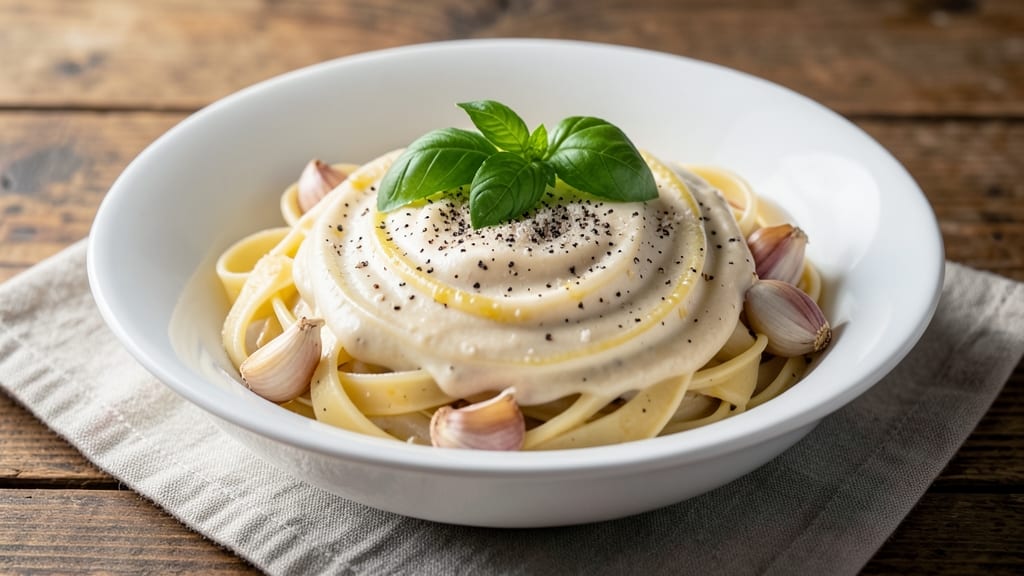
This American alfredo sauce recipe delivers restaurant-quality creaminess without the risk of burning or breaking. The secret lies in tempering the cheese properly—no lumps, no graininess—just a velvety, golden sauce that clings perfectly to pasta, chicken, or vegetables.
I’ve perfected this method after years of trial and error, ensuring every batch turns out silky smooth and richly flavorful.
The foundation starts with butter and heavy cream cooked to a gentle simmer, then gradually whisking in grated Parmesan to create a foolproof emulsion. Garlic and a pinch of nutmeg add depth, while a splash of pasta water keeps the sauce light and clingy.
This isn’t your basic stovetop sauce—it’s a transformative base that elevates any dish with minimal effort.
What you’ll end up with is a luxuriously creamy sauce that’s ideal for fettuccine Alfredo, chicken Parmesan, or even as a dipping sauce for roasted veggies. The best part?
It reheats beautifully and stores well in the fridge for up to 5 days or freezes for months, making it the ultimate pantry staple.
Whether you’re hosting dinner guests or craving a comforting weeknight meal, this sauce delivers effortless indulgence. Let’s get started—your taste buds will thank you.
Ingredients for american alfredo sauce
Eight simple ingredients transform into restaurant-quality alfredo sauce—no lumps, no stress.
| Ingredient | Amount | Notes |
|---|---|---|
| Unsalted Butter 🧈 | ½ cup | Cold, cut into small cubes |
| Heavy Cream 🥛 | 1 ½ cups | Full-fat for best texture |
| Freshly Grated Parmesan Cheese 🧀 | 1 ½ cups | Block cheese preferred |
| Garlic Cloves 🧄 | 2 cloves | Minced, not powdered |
| Ground Nutmeg 🌿 | ¼ tsp | Freshly grated preferred |
| Salt 🧂 | ½ tsp | Kosher or sea salt |
| Freshly Ground Black Pepper 🌶️ | ¼ tsp | Just a pinch |
| Pasta Water 💧 | ¼ cup | Reserved from cooking |
The butter and heavy cream are your foundation—don't skimp. European-style butter from Land O'Lakes or Plugrá melts beautifully, but any good brand works. Heavy cream is non-negotiable here; half-and-half will make your sauce watery. For the Parmesan, block cheese is a must—pre-grated has anti-caking agents that ruin the texture. I always buy a wedge from the deli counter at Whole Foods or Trader Joe's—it's worth the extra few bucks. Garlic? Fresh minced is ideal, but if you're in a pinch, garlic powder at half the amount works okay.
No heavy cream? Full-fat coconut milk works in a bind (though it's not identical), or you can use a mix of milk and cream. Short on Parmesan? Add an extra 0.5 cup of freshly grated Romano—it's more pungent and melts beautifully. The nutmeg is subtle but essential; if you don't have it, a pinch of cinnamon adds warmth (though it's not the same). For the pasta water, always reserve a cup when you cook your noodles—it's starchy and helps emulsify the sauce. Pro tip: if your sauce breaks, just whisk in another tablespoon of cold butter and a splash of pasta water.
This sauce reheats like a dream—just warm it gently on the stove with a splash of milk or cream. Keeps in the fridge for 5 days in an airtight container, or freeze for up to 3 months. I like to portion it into small containers so I always have a ready-to-use base. For best results, let it sit at room temperature for 10 minutes before serving—it'll be even smoother. And if you're feeling fancy, finish with a drizzle of truffle oil or extra black pepper right before serving.
Why You'll Love This Recipe
- Five-Ingredient Magic: I swear, this sauce is the closest I’ve gotten to restaurant-quality without a fancy degree. Butter, cream, Parmesan, garlic—just melt, stir, repeat. No blenders, no straining, no stress.
- Rich Without Effort: That first bite of creamy, nutmeg-kissed sauce clinging to pasta? It’s like someone poured comfort into a bowl. The Parmesan melts into the cream so smoothly, you’ll forget how little work went into it.
- Leftovers That Last: Make a double batch and thank me later. This sauce reheats like a dream—no lumps, no separation—so you can toss it over last night’s chicken or save it for a lazy Wednesday. (Yes, even on a Tuesday night.)
- Budget Booster: Heavy cream and butter might sound fancy, but they stretch further than you’d think. A block of Parmesan and a few cloves of garlic go a long way, especially when you’re feeding a crowd or just treating yourself.
Step-by-step instructions for American alfredo sauce
Here's how to make creamy, velvety alfredo without any risk of burning or graininess.
Melt Butter and Infuse with Garlic
In a medium saucepan over medium-low heat, add the 0.5 cup unsalted butter cut into small cubes. Let it melt completely, stirring occasionally, until it turns a pale golden color and stops bubbling vigorously. This should take about 3-4 minutes—don't rush this step or the butter will brown.
Once melted, reduce heat to low and add the 2 cloves minced garlic. Stir constantly for 30-45 seconds until the garlic becomes fragrant but doesn't brown. You're looking for a gentle aroma that fills your kitchen—this is when the garlic releases its full flavor without turning bitter. Remove the pan from heat immediately after this step to prevent any color change.
Add Heavy Cream and Seasonings
Return the saucepan to the stove over medium-low heat and carefully pour in the 1.5 cups heavy cream. Stir gently to combine, then add the 0.5 tsp salt, 0.25 tsp freshly ground black pepper, and 0.25 tsp ground nutmeg. The nutmeg adds a subtle warmth that balances the richness—don't skip this.
Bring the mixture to a gentle simmer, then immediately reduce heat to low. Let it simmer for 5-6 minutes, stirring occasionally with a wooden spoon. You'll see small bubbles forming around the edges—this indicates the cream is heating through without curdling. Keep an eye on it; you want just enough heat to warm the cream without letting it come to a boil.
Incorporate the Parmesan Cheese
Remove the saucepan from heat and add the 1.5 cups freshly grated Parmesan cheese all at once. Using a wooden spoon, stir vigorously for 2-3 minutes until the cheese melts completely. The sauce will thicken dramatically as it cools—this is normal and exactly what we want.
If the sauce becomes too thick (it will look like it's separating), simply return it to low heat for 1-2 minutes while stirring constantly. The residual heat will help emulsify the cheese more smoothly. You're aiming for a velvety, pourable consistency—not gluey or grainy. Taste and adjust seasoning if needed—sometimes you need a touch more salt or pepper to balance the richness.
Finish with Pasta Water for Silkiness
Return the sauce to low heat and add 1-2 tablespoons of the 0.25 cup reserved pasta water at a time, stirring constantly between additions. The starch in the pasta water acts as a natural thickener and emulsifier, creating that signature silky texture. Add just enough to reach your desired consistency—it should coat the back of a spoon smoothly.
Once you've achieved the perfect consistency, remove from heat immediately. The sauce will continue to thicken as it cools, so it's better to err on the thinner side. For the creamiest results, cover the saucepan with a lid and let it sit for 5 minutes off the heat before serving. This resting period allows all the flavors to meld together perfectly.
Pro Tips For Making American Alfredo Sauce
- Melt Butter Slowly: Start with half the butter over medium-low heat—no rush. I learned this the hard way: high heat burns the butter before the cream even warms up, and you end up with a greasy, grainy mess instead of a silky sauce. Let it melt into a golden foam, then add the cream.
- Grated Parmesan Matters: Skip the pre-grated stuff in a can—it’s full of anti-caking agents that turn your sauce into a clumpy disaster. Use a microplane or fine grater and zest the cheese directly into the sauce while it’s warm; the heat helps it dissolve smoothly.
- Watch the Nutmeg: A pinch is all you need—too much turns your sauce bitter. I was skeptical until I tried it: just a quarter teaspoon, toasted in the butter for 30 seconds, adds depth without overpowering. If you’re unsure, start with less and adjust.
- Strain for Smoothness: After simmering, let the sauce sit for 2 minutes, then strain it through a fine-mesh sieve into a clean bowl. This catches any garlic bits or cheese lumps that sneak in—yes, even if you think you’ve blended it well. Your future self will notice the difference.
Pro cooking tips for perfect results
Temperature Control Secrets
Your sauce’s success hinges on medium-low heat—never medium or high. I use a stainless steel saucepan (like All-Clad) because it heats evenly and prevents hot spots that can burn the butter.
Start with low heat when melting butter, then medium-low for the cream. If your sauce starts to bubble too vigorously, immediately reduce to low to avoid curdling. 🌡️
Pro tip: Use a candy thermometer to monitor heat—ideal temperature for the cream stage is 180-185°F. This ensures the cream warms through without separating. I keep mine within 5°F of this range for perfect results every time.
Cheese Emulsification
The key to velvety texture is gradual incorporation of the Parmesan. Remove the pan from heat before adding cheese—this prevents the cheese from cooking and turning grainy. Use a wooden spoon (not metal) to whisk vigorously for 2-3 minutes until fully melted.
If lumps form, strain through a fine-mesh sieve for a silky finish. 🧀
For extra insurance, I like to temper the cheese first: Sprinkle it over 1/4 cup cold heavy cream in a bowl, whisk until smooth, then fold into the warm sauce. This method guarantees a lump-free emulsion every time.
Pasta Water Magic
Never skip the pasta water—it’s the secret to that signature clingy texture. The starch acts as a natural emulsifier, binding the sauce together. Add it 1 tablespoon at a time, stirring constantly, until you reach your desired consistency.
I aim for a sauce that coats the back of a spoon but still flows smoothly. 💧
Pro move: Save 1 cup pasta water while cooking your noodles—it’s starchy and perfect for this step. If your sauce gets too thick after resting, just whisk in another 1-2 tablespoons of warm water or milk to loosen it up.
Reheating Like a Pro
Alfredo sauce reheats beautifully, but low and slow is the way to go. Warm it in a saucepan over low heat, stirring frequently, until just heated through (165°F internal temp). Never microwave—it causes the sauce to separate and turn grainy. 🔥
For frozen sauce, thaw it in the fridge overnight, then reheat gently. If it’s too thick after reheating, add 1-2 tablespoons of warm milk or cream to restore its silky texture. I like to finish with a fresh crack of black pepper right before serving.
Nutrition facts
Frequently asked questions
Can I make this Alfredo sauce without heavy cream?
Yes, but the texture will be lighter. Replace the heavy cream with 1 cup whole milk + 0.5 cup half-and-half for a similar richness, or use 1 cup full-fat coconut milk for a dairy-free option. The sauce will be slightly thinner, so add an extra 1-2 tablespoons of butter to compensate. For best results, simmer the milk mixture longer to reduce it slightly before adding cheese.
Why did my Alfredo sauce turn grainy?
Graininess usually happens when cheese overheats or isn't incorporated properly. Always remove the pan from heat before adding Parmesan, then whisk vigorously for 2-3 minutes off the stove. If lumps form, strain through a fine-mesh sieve or blend briefly with an immersion blender. For extra insurance, temper the cheese first by whisking it with 1/4 cup cold cream before adding to the warm sauce.
How do I use this sauce beyond pasta?
This versatile sauce works beautifully on grilled chicken or steak, as a dip for garlic bread or roasted veggies, or even as a creamy topping for baked potatoes or mashed potatoes. For chicken, toss it with sautéed chicken breasts and broccoli for a quick weeknight dinner. The sauce also makes an excellent base for creamy soups—just thin it with broth and stir in some chicken or spinach.
Can I make this sauce ahead of time?
Store it in an airtight container in the fridge for up to 5 days, or freeze for up to 3 months. When ready to use, reheat gently on low heat, stirring frequently with a splash of milk or cream to restore its silky texture. For best results, let it sit at room temperature for 10 minutes before serving—this allows flavors to meld and the sauce to reach its creamiest consistency.
What's the secret to making it extra creamy?
The key is low and slow heat combined with proper emulsification. Use European-style butter and full-fat ingredients only—never substitute with low-fat versions. For maximum creaminess, whisk in 1-2 tablespoons of cold butter at the end, then cover and let it rest for 5 minutes off the heat. The residual heat helps create a velvety finish that's restaurant-quality every time.