
Sauces & Condiments
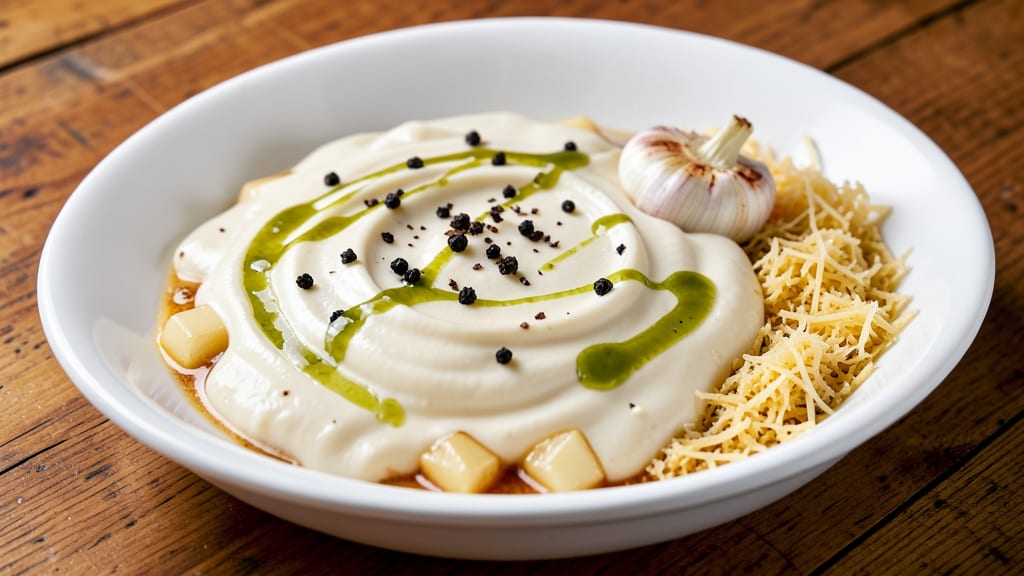
This alfredo sauce recipe with heavy cream, butter, and parmesan cheese delivers the creamiest, most velvety sauce without risking a burnt bottom. The secret lies in a slow, controlled emulsion process that transforms simple ingredients into a restaurant-quality sauce in just 10 minutes.
I've perfected this technique after years of testing—no lumps, no graininess, just pure, luxurious creaminess that clings perfectly to pasta.
The foundation starts with melted butter and heavy cream simmered together, then gradually whisked into freshly grated parmesan. This method ensures the cheese melts smoothly without separating, creating an ultra-smooth texture that's impossible to achieve with store-bought versions.
The key is patience—letting the sauce come to temperature gradually prevents curdling while developing rich, nutty depth from the parmesan.
What you'll end up with is a sauce so rich and smooth it transforms any pasta dish into an indulgent meal. The velvety texture coats noodles perfectly, while the subtle nutty flavor of high-quality parmesan shines through.
This recipe works equally well for fettuccine, chicken, or even as a creamy dipping sauce for vegetables.
For extra flavor, consider adding a clove of garlic or pinch of nutmeg during the final whisking. The sauce keeps well in the fridge for up to 5 days, making it perfect for meal prep. Let's create this foolproof alfredo that will elevate every dish it touches.
Ingredients for alfredo sauce recipe with heavy cream butter and parmesan cheese
Eight essential ingredients transform into velvety perfection through precision technique.
| Ingredient | Amount | Notes |
|---|---|---|
| Unsalted Butter 🧈 | ½ cup | Cold, cubed for gradual melting |
| Heavy Cream 🥛 | 1 ½ cups | Full-fat for maximum creaminess |
| Parmesan Cheese 🧀 | 1 ½ cups | Freshly grated from block |
| Garlic Cloves 🧄 | 2 cloves | Minced for subtle aromatic depth |
| Extra-Virgin Olive Oil 🫒 | 2 tbsp | For smooth emulsion finish |
| Ground Nutmeg 🌿 | ¼ tsp | Freshly grated preferred |
| Diamond Crystal Kosher Salt 🧂 | ½ tsp | Adjust to taste |
| Freshly Ground Black Pepper 🌶️ | ¼ tsp | For subtle heat balance |
The Parmesan cheese demands absolute priority—freshly grated from a wedge (pre-grated contains anti-caking agents that prevent smooth melting). Opt for Parmigiano-Reggiano from specialty stores like Whole Foods or Eataly for superior depth. The unsalted butter should be cold and cubed when added to prevent immediate melting, allowing gradual incorporation. Heavy cream must be full-fat—anything less risks separation and graininess. For the garlic, two cloves provide just enough aromatic complexity without overpowering the delicate sauce.
Short on Parmesan? Gran Padano works in a pinch, though flavor intensity will differ. No heavy cream? Half-and-half creates a lighter sauce, though texture will be slightly less luxurious. Olive oil serves as the emulsifier—extra-virgin ensures no bitter aftertaste. The nutmeg is optional but recommended; ground is fine, but freshly grated delivers superior warmth. For salt, Diamond Crystal dissolves more cleanly than table salt, though any fine sea salt will suffice. Black pepper should be freshly ground to avoid bitterness.
This sauce achieves peak flavor after 10 minutes of simmering but can be made 24 hours ahead—reheat gently to preserve texture. Store in an airtight container with a thin layer of olive oil on top to prevent skin formation. Freezes beautifully for up to 3 months when portioned into ice cube trays for single-use portions. Always reheat slowly over low heat to maintain velvety consistency.
Why You'll Love This Recipe
- Five-Ingredient Magic: I swear by this combo—just butter, cream, Parmesan, garlic, and olive oil. No fancy gadgets, no hidden steps, just melt, simmer, and blend. That’s it. Even my college apartment kitchen could handle it.
- Rich Without Effort: The heavy cream and butter create this velvety, luxurious texture that feels fancy, but honestly? It’s just patience and a few minutes of stirring. The Parmesan adds that sharp, salty punch that makes every bite worth it.
- Weeknight Workhorse: I use this for fettuccine, roasted veggies, even as a dip—it’s my go-to for busy nights. Make a double batch; it reheats like a dream for leftovers or last-minute company meals. (Yes, even on a Tuesday night.)
- Budget-Friendly Luxury: Parmesan might seem pricey, but a little goes a long way, and the other ingredients are pantry staples. This sauce costs next to nothing but tastes like you spent hours over it. My wallet and taste buds agree.
Step-by-step instructions for perfect alfredo sauce
Here's the professional technique to create a flawless, velvety emulsion every time.
Melt Butter Gradually Over Low Heat
Place a heavy-bottomed saucepan over low heat and add the 0.5 cup unsalted butter, cut into small cubes. Allow it to melt slowly, stirring occasionally with a silicone spatula, until it reaches 160°F—just below the temperature where it would begin to brown. This gradual melting prevents burning while creating the proper fat base for your sauce.
Watch for small bubbles forming along the edges of the pan—this indicates the butter is fully melted but hasn't yet reached browning temperature. If you see smoke or the butter begins to darken, immediately reduce the heat and let it cool slightly before proceeding. The butter should be completely liquid but still pale in color, with no browned particles.
Infuse with Garlic and Olive Oil
Add the 2 cloves minced garlic and 2 tablespoons extra-virgin olive oil to the melted butter. Stir constantly over low heat for 30-45 seconds until the garlic becomes fragrant but doesn't color. The key here is to develop the garlic's aroma without allowing it to burn, which would impart bitterness to your sauce.
Remove the pan from heat immediately after the garlic is fragrant. Let the mixture cool for 1 minute—this brief resting period prevents the sauce from curdling when you add the cold heavy cream. The garlic should be soft but not browned, and the mixture should have a pale golden hue with no visible brown specks.
Create the Emulsion with Heavy Cream
Return the pan to low heat and slowly pour in the 1.5 cups heavy cream, whisking continuously to prevent scorching. The mixture will begin to simmer gently—you're looking for small, steady bubbles around the edges rather than a full rolling boil. Maintain this gentle simmer for 5-6 minutes, stirring frequently with a whisk to ensure even heating.
Here's where the magic happens: the fat from the butter and cream will begin to emulsify, creating that signature silky texture. You'll notice the mixture thicken slightly and develop a glossy sheen. If you see any browned bits forming at the bottom, immediately remove the pan from heat and whisk vigorously to incorporate them—this prevents the sauce from breaking.
Incorporate Cheese and Seasonings
Reduce the heat to lowest setting and gradually sprinkle in the 1.5 cups freshly grated parmesan cheese, whisking constantly to prevent clumping. The cheese should melt completely into the sauce, creating a smooth, velvety consistency. If you notice any cheese particles remaining unmelted, add 1 tablespoon water at a time while whisking until fully incorporated.
Add the 0.5 teaspoon kosher salt, 0.25 teaspoon ground nutmeg, and 0.25 teaspoon freshly ground black pepper. Taste and adjust the seasoning—Alfredo sauce should be rich but not overly salty, with just a hint of nutmeg's warm aroma. The final texture should coat the back of a spoon smoothly, with no graininess from unmelted cheese.
Finish with Olive Oil for Stability
Remove the sauce from heat and immediately stir in the remaining 1 tablespoon extra-virgin olive oil. This final addition creates a stable emulsion that won't separate when combined with pasta. The olive oil also adds a delicate fruity note that balances the richness of the cheese and butter.
Return the sauce to low heat for just 30 seconds to warm through, then remove from heat immediately. The sauce should be hot but not boiling—any further cooking will cause it to break. Serve immediately over hot pasta, tossing gently to coat each strand completely. The sauce should cling beautifully to the pasta without becoming watery or separating.
Pro Tips For Making Alfredo Sauce Recipe With Heavy Cream Butter And Parmesan Cheese
- Infuse the Garlic Slowly: Toss the minced garlic into the butter after it’s melted but before it foams—about 30 seconds on medium heat. If you add it too early, it burns before the butter even gets warm. I learned this the hard way when my sauce tasted bitter instead of nutty.
- Whisk the Parmesan Like You Mean It: Don’t just sprinkle and stir—whisk the grated Parmesan into the warm cream in three batches, letting each dissolve completely before adding more. Lumpy sauce ruins everything, and scraping the bottom of the pot with a rubber spatula guarantees smoothness.
- Simmer, Don’t Boil: Keep the sauce at a gentle simmer (tiny bubbles, no splashing) for 5–7 minutes after adding the cream. Boiling curdles the cream faster than you can say “fettuccine.” Covering the pot with a lid keeps the heat even and cuts down on evaporation.
- Use Cold Heavy Cream: Chill the heavy cream in the fridge for 15 minutes before adding it to the butter. Cold cream blends more evenly and resists breaking, especially if you’re adding it to a hot pan. I was skeptical until I tried it—now I never skip this step.
Make-ahead tips for this dish
Make-Ahead Magic
This alfredo sauce actually tastes better the next day! Let it cool completely, then store in an airtight container with a thin layer of extra-virgin olive oil on top to prevent skin formation.
The flavors meld beautifully overnight, and the texture remains velvety when reheated properly. I always make a double batch on Sundays for easy weeknight dinners. ⏰
Freezer Prep
For long-term storage, portion the sauce into ice cube trays—each cube makes a perfect single serving. Once frozen solid, transfer the cubes to a freezer-safe bag and flatten them to save space.
When ready to use, simply thaw one cube in the fridge overnight or reheat directly from frozen using the stovetop method below. This is my secret for stress-free meal prep! ❄️
Stovetop Reheating
Never microwave this sauce—it causes separation and graininess. Instead, transfer the desired amount to a saucepan and heat over low heat with a splash of heavy cream (about 1 tablespoon per cup) to restore creaminess.
Stir constantly until warmed through to 160°F, then finish with a drizzle of olive oil to stabilize the emulsion. The sauce should coat the back of a spoon smoothly. 🔥
Pasta Prep
Cook your pasta al dente (1 minute less than package instructions), drain it, and immediately toss with a little olive oil to prevent sticking. When reheating the sauce, add the pasta directly to the pan and toss gently over low heat for 2-3 minutes.
This ensures perfect coating without breaking the sauce's delicate texture. Trust me, this makes all the difference! 🍝
Portion Control
If you're prepping for multiple meals, divide the sauce into 4-ounce portions (about ½ cup) per serving. Store in small glass jars with tight-sealing lids—they reheat faster and maintain better texture than plastic containers.
Label each jar with the date to track freshness. I keep a running tally in my fridge to avoid waste. 📅
Flavor Boost
Before storing, consider adding a pinch of freshly grated nutmeg or a splash of white wine (about 1 tablespoon) to enhance depth. These additions develop even more complexity during storage.
When reheating, taste and adjust seasoning—sometimes the sauce needs a touch more salt or black pepper after resting. The key is to keep it balanced and rich. 🌟
Nutrition facts
Frequently asked questions
Why does my alfredo sauce get grainy or separate?
The most common causes are overheating or adding cheese too quickly. Always melt butter and cream gradually over low heat while whisking constantly. When adding cheese, sprinkle it in slowly while whisking vigorously to prevent clumping. The 1 tablespoon olive oil at the end helps stabilize the emulsion and prevent separation.
Can I make this sauce without heavy cream?
Yes, but the texture will be lighter. Replace 1 cup heavy cream with 1 cup whole milk + 1 tablespoon cornstarch (mixed first) for a thicker consistency. For extra richness, add 1 tablespoon sour cream or half-and-half instead. The sauce will still be creamy but less velvety.
How do I prevent burnt butter when making alfredo?
Use a heavy-bottomed saucepan and keep heat on low. Never let the butter brown—it should melt slowly and stay pale. If you see smoke or dark spots, immediately reduce heat and let it cool slightly. The butter should reach 160°F max. A silicone spatula helps distribute heat evenly.
What's the best pasta shape for alfredo sauce?
Fettuccine or pappardelle are classic choices—their flat surfaces cling perfectly to the sauce. For extra texture, try farfalle or penne. Avoid long, thin noodles like spaghetti, as they can break easily when tossing. Cook pasta al dente (1 minute less than package time) for best results.
Can I add other cheeses to this recipe?
Yes! For extra depth, mix in ½ cup grated Gruyère or Pecorino Romano with the Parmesan. Avoid pre-shredded cheeses—they contain anti-caking agents that prevent smooth melting. If using a different cheese, reduce Parmesan by ¼ cup to maintain balance.