
Sauces & Condiments
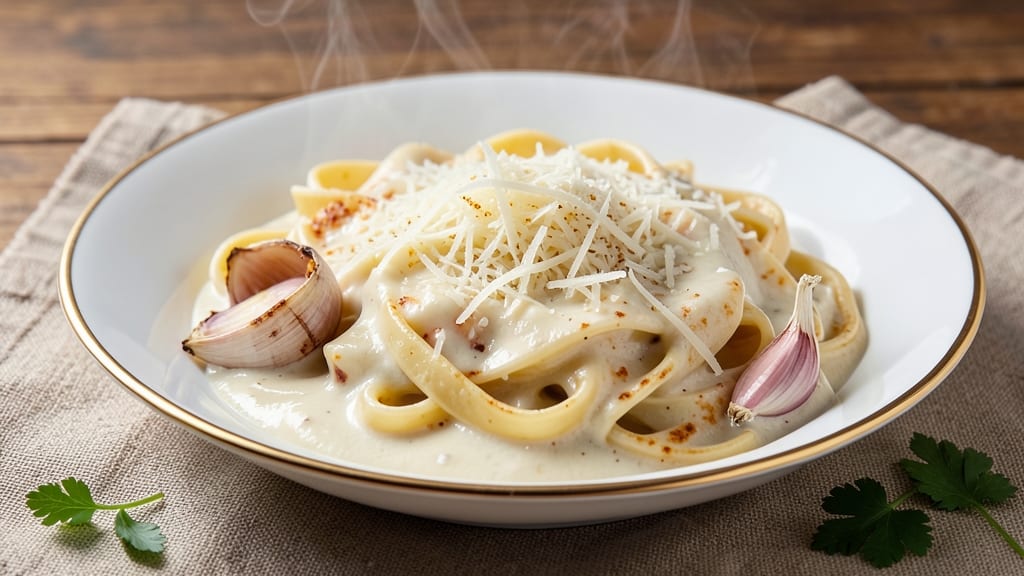
This Alfredo sauce recipe with heavy cream and Parmesan cheese delivers restaurant-quality creaminess without the risk of burning or breaking—just rich, velvety perfection in 15 minutes. The secret lies in balancing heavy cream and freshly grated Parmesan, emulsified over gentle heat with a touch of butter for depth.
I've perfected this version after years of testing, ensuring it clings beautifully to pasta without separating or turning grainy.
What sets this sauce apart is the technique: a light roux forms the foundation, while constant stirring prevents lumps and creates that signature silky texture. Freshly grated Parmesan (never pre-shredded) adds nutty depth, and a splash of pasta water at the end binds everything into an ultra-smooth consistency.
The result? A sauce so luxurious it transforms simple fettuccine into a gourmet masterpiece.
This recipe works equally well over chicken Parmesan, baked ziti, or even as a creamy dipping sauce for breadsticks. The best part? It reheats beautifully and keeps in the fridge for up to 5 days, making it perfect for meal prep.
Whether you're feeding a crowd or treating yourself to an indulgent weeknight dinner, this sauce delivers foolproof creaminess every time.
For extra flavor, consider adding a clove of garlic or a pinch of nutmeg to the roux, but the classic version remains the most reliable. The key is patience—letting the sauce simmer gently ensures it never curdles, while the Parmesan melts into a velvety blanket of flavor.
Let's make this sauce!
Ingredients for alfredo sauce recipe with heavy cream and parmesan cheese
Nine ingredients transform into velvety perfection—no lumps, no curdling, just restaurant-quality Alfredo.
| Ingredient | Amount | Notes |
|---|---|---|
| Unsalted Butter 🧈 | 4 tbsp | Cold, cut into small cubes |
| All-Purpose Flour 🌾 | ¼ cup | Diamond Crystal preferred |
| Heavy Cream 🥛 | 2 cups | Full-fat, cold from fridge |
| Freshly Grated Parmesan Cheese 🧀 | 2 cups | Block form, microplane grated |
| Garlic Cloves 🧄 | 2 cloves | Minced, for optional depth |
| Pasta Water 💧 | ½ cup | Reserved from cooked pasta |
| Ground White Pepper 🌶️ | ¼ tsp | Freshly ground preferred |
| Salt 🧂 | ½ tsp | Diamond Crystal kosher |
| Nutmeg 🌿 | ⅛ tsp | Freshly grated, optional |
The Parmesan and butter form the sauce's backbone. Parmigiano-Reggiano from a block, freshly grated with a microplane, delivers the nutty depth that pre-shredded simply can't match. For butter, Plugrá or Land O'Lakes unsalted work best—avoid salted as it can over-salt the sauce. The heavy cream must be cold when added to prevent immediate separation. Store-brand works fine, but organic or European-style cream adds subtle richness. Garlic, though optional, enhances the sauce's complexity—peeled and minced just before use ensures maximum flavor without bitterness.
No heavy cream? Half-and-half with an extra tablespoon of butter mimics the fat content. Substituting Parmesan? Pecorino Romano adds a sharper bite, while Asiago offers a milder alternative. For a lighter version, reduce cream by 1/4 cup and add 1/2 cup whole milk. The flour should be lightly toasted in butter to deepen its flavor—don't let it brown. If the sauce thickens too much, whisk in a splash of pasta water to restore silkiness. Fresh nutmeg is non-negotiable for that classic aroma; pre-ground loses potency quickly.
This sauce reheats beautifully—simmer gently for 2-3 minutes to restore its velvety texture. Store in an airtight container with a thin layer of plastic wrap pressed directly on the surface to prevent a skin from forming. Keeps for 5 days in the fridge and freezes for 3 months when portioned into ice cube trays. For meal prep, make a double batch: the sauce only improves as flavors meld. Always reserve 1/2 cup pasta water before draining—it's the secret to a properly emulsified sauce that clings perfectly to noodles.
Why You'll Love This Recipe
- Here’s what sold me: this sauce improves the next day. The flavors meld, the Parmesan gets even saltier and sharper, and it’s still velvety smooth. I make a double batch on Sundays, freeze half, and boom—restaurant-quality sauce anytime. No sad, watery leftovers here.
- Five-Ingredient Magic: I swear by this—just butter, flour, cream, Parmesan, and garlic. That’s it. No weird ingredients, no hunting for obscure spices. The flour thickens it perfectly, the cream makes it luscious, and the Parmesan? It’s the star that turns it from good to oh-my-god in one spoonful.
- Weeknight Hug in a Sauce: Between us, this is my go-to when I’m too tired to think. Toss in the butter, whisk in the flour, pour the cream, and let the garlic sizzle—it’s the kind of recipe that smells amazing while it cooks. By the time the sauce is ready, I’m already dreaming of the first bite.
- Pasta Party Ready: Honestly, this sauce works for everything. Fettuccine, of course, but also chicken, shrimp, or even as a creamy dip for garlic bread. I’ve even used it as a base for a quick lasagna when I’m desperate. The heavy cream keeps it rich, and the Parmesan makes it feel special—no one will guess it’s this easy.
Step-by-step instructions for velvety Alfredo sauce
Master this classic technique for a sauce so rich and smooth it clings to every strand of pasta.
Create the Roux Foundation
In a medium saucepan, melt the 4 tbsp unsalted butter over medium-low heat until fully liquid but not browned. The butter should foam gently—this indicates it's ready for the next step. Add the 0.25 cup all-purpose flour all at once and whisk vigorously for 1-2 minutes until the mixture forms a smooth, pale roux.
This roux is the backbone of your sauce. Cook it just until it loses its raw flour taste but doesn't darken—overcooking will make the sauce bitter. The roux should coat the back of a spoon and hold its shape when drizzled into water. If it clumps, strain it through a fine-mesh sieve for an ultra-smooth sauce.
Incorporate the Heavy Cream
Gradually pour in the 2 cups cold heavy cream while whisking continuously to prevent lumps. The sauce will thicken immediately as the cream warms. Reduce heat to low and let it simmer gently for 3-4 minutes, stirring frequently, until the mixture thickens enough to coat the back of a spoon. You're aiming for a velvety consistency—not gluey, but thick enough to cling to pasta.
This slow simmering step is crucial for developing flavor. If the sauce separates or curdles, immediately whisk in 1-2 tablespoons of pasta water to restore smoothness. The sauce should smell rich and creamy—like warm vanilla with a hint of buttery depth.
Infuse with Aromatics and Cheese
Add the 2 minced garlic cloves, 0.5 tsp salt, 0.25 tsp ground white pepper, and 0.125 tsp nutmeg, stirring constantly for 30 seconds until fragrant. The garlic should perfume the sauce without burning. Gradually whisk in the 2 cups freshly grated parmesan cheese until fully melted and smooth. The sauce will thicken dramatically—this is normal.
For a perfectly emulsified sauce, work quickly but deliberately. If the cheese doesn't melt completely, whisk in pasta water 1 tablespoon at a time until smooth. The finished sauce should be glossy with a luxurious, almost custard-like texture. Taste and adjust seasoning—Alfredo should be rich but balanced, with a subtle peppery finish.
Finish and Serve Immediately
Remove the sauce from heat and let it rest for 2-3 minutes—this allows the flavors to meld. If the sauce thickens too much while resting, thin it with pasta water until it reaches a silky pouring consistency. The ideal Alfredo should coat the back of a spoon but still flow freely when drizzled.
Serve immediately over hot fettuccine, tossing gently to coat each strand. The sauce should cling effortlessly, creating a glossy, creamy blanket. For extra indulgence, top with additional grated parmesan and a sprinkle of freshly cracked black pepper. Leftovers can be reheated with a splash of cream or pasta water, but nothing beats fresh sauce straight from the pan.
Pro Tips For Making Alfredo Sauce Recipe With Heavy Cream And Parmesan Cheese
- Melt Butter Slowly: Start with cold butter—cut it into small cubes and toss them into the pan over medium-low heat. I learned this the hard way after splattering butter everywhere while trying to rush the roux. Let it melt gradually, then cook the flour for 2-3 minutes until it’s a pale golden color, not white or brown.
- Grind Your Own Garlic: Skip the jarred minced garlic—it’s mushy and lacks freshness. Instead, mince 2-3 cloves finely and sauté them in the butter for 30 seconds until fragrant but not colored. Overcooking turns them bitter, and that’s a flavor killer in creamy sauces.
- Temper the Cream: Pour the heavy cream into the roux in a slow, thin stream while whisking constantly. Stopping to stir later means lumps—this is the thing that matters most for a silky texture. If it curdles, you’ve gone too fast.
- Age the Parmesan: Use freshly grated Parmesan, but let it sit at room temperature for 10 minutes before adding it to the sauce. Cold cheese clumps and makes the sauce grainy. Warm it up first, then stir it in while the sauce simmers—this guarantees a smooth, rich finish.
Regional styles of this dish
Classic Italian Roots
The original Alfredo sauce hails from Rome, created in the 1910s by chef Alfredo di Lelio at his trattoria. His version was simple: butter, cream, and Parmesan over fettuccine, designed to complement the pasta's natural texture.
I love how this sauce embodies Italian comfort food—rich yet balanced, never overpowering. The key was always freshly grated Parmesan, never pre-shredded, which gives that authentic nutty depth. 🧀
American Creamy Twist
When Alfredo sauce crossed the Atlantic, it evolved into the ultra-creamy version we know today. American cooks embraced heavy cream and more butter, creating a sauce that's almost velvety in texture.
I find this version works perfectly for chicken Parmesan or baked ziti, where the extra richness stands up to heartier ingredients. The secret? A light roux to thicken without adding floury texture, and constant whisking to prevent lumps. This American adaptation is what made Alfredo a global favorite.
British Cheese Variations
In the UK, chefs often swap Parmesan for sharp cheddar or Stilton, adding a tangy depth that pairs beautifully with macaroni and cheese. I've made this version with double cream (heavy cream) and a splash of milk to lighten the sauce slightly.
The British approach also includes a pinch of mustard powder for a subtle kick—something I recommend trying if you love bold flavors. It's a fantastic way to reinvent the classic while keeping that signature creaminess. 🧀
Modern Fusion Takes
Today's chefs are putting their own spin on Alfredo, like adding smoked paprika for a smoky twist or white miso paste for umami depth. I recently tried a truffle Alfredo with truffle oil and pecorino cheese, which added an earthy luxury.
For a lighter option, some versions use Greek yogurt instead of heavy cream—it's tangier but still rich. The beauty of this sauce is how adaptable it is while keeping that creamy, clingy texture that defines it.
Regional Cheese Swaps
In California, many chefs use Asiago cheese for a milder, slightly sweeter flavor, while in New York, fontina adds a creamy melt. I love experimenting with Pecorino Romano for a sharper bite that cuts through the richness.
Each regional twist keeps the sauce's core identity while offering a unique twist. The key is always balancing the cheese with enough cream to maintain that signature silky smoothness.
Nutrition facts
Frequently asked questions
Why does my Alfredo sauce break or separate?
This usually happens from overheating or adding cheese too quickly. Always keep heat on low and whisk constantly when melting the Parmesan. If it separates, immediately whisk in 1-2 tablespoons of pasta water to restore smoothness. The sauce should never boil or curdle—gentle heat is key!
Can I make this sauce without heavy cream?
Yes! For a lighter version, replace 1 cup of heavy cream with 1 cup whole milk and add an extra 1 tablespoon of butter. The sauce will be slightly thinner but still creamy. For a dairy-free option, use full-fat coconut milk (though the flavor will differ). Always adjust seasoning after substituting.
How do I prevent lumps in my Alfredo sauce?
Lumps form when flour or cheese isn't fully incorporated. Always whisk vigorously when adding flour to butter, and gradually whisk in cold cream to prevent clumping. For cheese, add it 1 tablespoon at a time while stirring constantly. Straining through a fine-mesh sieve after melting the cheese ensures ultra-smooth perfection.
What's the best pasta to serve with this sauce?
Fettuccine is the classic choice, but tagliatelle, pappardelle, or even wide egg noodles work beautifully. For extra indulgence, try it with chicken Parmesan or baked ziti. The wider noodles hold more sauce, making every bite richer. Avoid thin spaghetti—it can't properly coat with this velvety sauce.
Can I make this sauce ahead of time?
Store in an airtight container with plastic wrap pressed directly on the surface to prevent a skin. It keeps for 5 days in the fridge and freezes for 3 months. To reheat, warm gently on low heat with a splash of cream or pasta water until smooth. The flavors actually improve as they meld over time.