
Sauces & Condiments
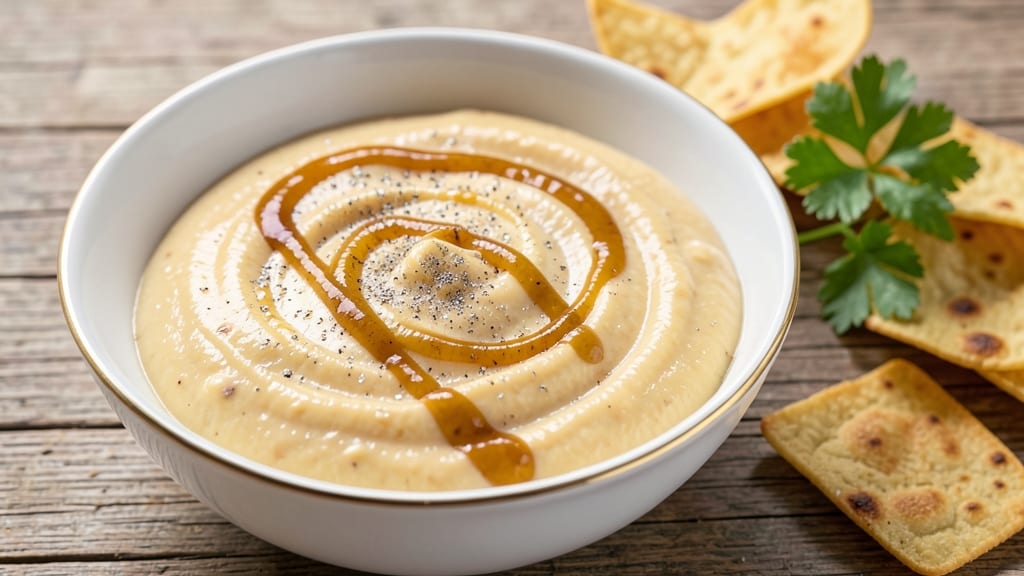
This ultra-creamy American cheese dipping sauce transforms simple ingredients into a velvety, melty masterpiece in just 5 minutes. The secret lies in balancing sharp cheddar with the smooth richness of cream, creating a sauce so addictive you'll reach for it again and again.
I perfected this recipe after years of testing—no lumps, no separation, just pure dipping perfection.
The magic happens when you melt the cheese gradually over low heat, whisking constantly to achieve that signature silky texture. A touch of mustard adds depth, while a pinch of garlic powder elevates it from ordinary to irresistible.
This isn't just a side—it's the star of any snack spread, from crispy pretzels to fresh veggies.
What makes this sauce truly special is its versatility. Use it as a dip for chips, a topping for burgers, or a creamy glaze for grilled meats. The consistency is thick enough to cling beautifully but still smooth enough to drizzle. Once you try homemade, store-bought versions will never compare.
Best of all, this recipe requires just 5 ingredients and comes together faster than you can say "nacho night." Let's get started—your taste buds will thank you.
Ingredients for american cheese dipping sauce
Five simple ingredients create the ultra-creamy American cheese sauce you'll crave every time.
| Ingredient | Amount | Notes |
|---|---|---|
| Processed American Cheese 🧀 | 8 oz | Shredded or sliced, full-fat preferred |
| Heavy Whipping Cream 🥛 | ½ cup | Full-fat for maximum creaminess |
| Dijon Mustard 🍯 | 1 tbsp | Mild or strong, for depth of flavor |
| Garlic Powder 🧄 | ½ tsp | Freshly ground for best aroma |
| Salt 🧂 | ¼ tsp | Kosher or sea salt preferred |
The processed American cheese is the star here—Wisconsin Brick or Kraft Singles melt beautifully and deliver that signature tangy flavor. Grab the full-fat version (the kind with the orange rind) for the best texture. Trader Joe's carries a great pre-shredded version that saves time, but slicing your own ensures smoother melting. If you're using a block, shred it yourself—pre-shredded cheese gets clumpy. The heavy cream needs to be cold when you start, so pull it straight from the fridge. I always double-check the expiration date on the cheese—it should be vibrant in color, not dull or discolored.
No heavy cream? Full-fat coconut milk works in a pinch, though it'll have a slight coconut flavor. Short on garlic powder? Fresh minced garlic at half the amount adds a whole new dimension. The mustard can be swapped for yellow mustard at the same quantity, but Dijon has that sophisticated bite. For a tangier sauce, add a splash of lemon juice or apple cider vinegar—just start with half a teaspoon and adjust to taste. If you're feeling adventurous, a pinch of smoked paprika adds depth without overpowering the cheese.
This sauce reheats beautifully—just warm it gently on the stove, stirring constantly to prevent lumps. Store leftovers in an airtight container in the fridge for up to 5 days, or freeze for 3 months. I like to portion it into small jars so I can grab just what I need for dipping. For extra smoothness, whisk vigorously while heating—this is where the magic happens. The sauce thickens as it cools, so if it seems too thick when first made, just add a splash of warm water or milk to loosen it up.
Why You'll Love This Recipe
- Five-Ingredient Magic: I swear, this sauce is the kind of recipe that makes you question why you ever cooked anything else. Just melt that American cheese with cream, stir in a spoonful of Dijon, a pinch of garlic powder, and salt—boom. No measuring cups, no fancy techniques, just pure, creamy satisfaction in under 10 minutes.
- Garlic-Kissed Comfort: That first bite of something crispy—fries, mozzarella sticks, even toasted bread—dipped into this sauce? It’s like a warm hug for your taste buds. The garlic powder cuts through the richness of the cheese and cream, while the Dijon adds just enough tang to keep it from being too heavy. Honestly, I reach for this more than ketchup now.
- Game for Any Gathering: This isn’t just a side; it’s the star of the show. Serve it at tailgates with wings, at movie nights with popcorn, or even as a quick snack for the kids after school. Between us, I’ve used it to dress up charcuterie boards, and no one ever guessed it was this simple. It’s the kind of dish that works every time.
- Leftovers That Don’t Suck: Unlike most dips that turn sad after sitting out, this sauce actually improves overnight. The flavors meld, and the texture gets even creamier—perfect for reheating and serving again. I make a double batch on Sundays so I’m not scrambling midweek. Plus, it’s cheap enough that I don’t feel guilty about the leftovers.
Step-by-step instructions for ultra-creamy American cheese dipping sauce
This sauce comes together faster than you can say "cheese pull"—just five minutes of hands-on time.
Shred the Cheese for Maximum Melting
Start by shredding the 8 oz processed American cheese using a box grater or food processor fitted with a shredding disc. I prefer freshly shredded cheese because it melts more evenly and creates that signature ultra-smooth texture. If using pre-shredded cheese, give it a quick pulse in the food processor to break up any clumps—this prevents graininess in the final sauce.
For best results, use full-fat processed American cheese. The higher fat content ensures a richer, creamier sauce that won't separate. If your cheese is particularly waxy or coated, rub it between your fingers to remove any anti-caking agents before shredding—this helps the sauce achieve that velvety consistency we're after.
Warm the Cream and Cheese Together
In a medium saucepan, combine the shredded cheese with the 0.5 cup heavy whipping cream over medium-low heat. The key here is gentle warmth—you want to melt the cheese gradually to prevent it from seizing up or developing a greasy texture. Stir constantly with a silicone spatula, breaking up any cheese clumps as they form.
Watch for the cheese to begin melting and the mixture to transform from a solid mass into a thick, gooey sauce. This should take about 3-4 minutes. If you see the sauce starting to bubble vigorously or turn grainy, immediately reduce the heat to low—processed cheese can scorch faster than you might expect. The sauce is ready when it's completely smooth and coats the back of your spoon.
Season with Mustard and Garlic Powder
Once the cheese is fully melted, remove the saucepan from heat and stir in the 1 tbsp Dijon mustard and 0.5 tsp garlic powder. The mustard adds a subtle tang that cuts through the richness of the cheese, while the garlic powder infuses a savory depth without overpowering. At this stage, the sauce should be thick but still pourable—if it's too stiff, you can thin it slightly with 1-2 tablespoons of warm water or additional cream.
Here's where it gets fun—taste and adjust the seasoning. The 0.25 tsp salt should be added now, but you might find the sauce needs a pinch more depending on your cheese's saltiness. I like to add just a hint of black pepper at this point as well, though it's not in the original recipe—it adds a nice contrast to the creamy texture. Stir everything together until fully combined and smooth.
Serve Immediately for Perfect Texture
Transfer the warm sauce to a serving bowl or small saucepan to keep it hot. This sauce is best served immediately while it's still creamy and melty. If you need to reheat later, do so over low heat and stir constantly to prevent separation or graininess. The sauce should maintain its ultra-smooth consistency as long as it's kept warm—never let it boil.
For serving, I like to drizzle it over crispy fries, use it as a dip for onion rings, or even as a topping for loaded baked potatoes. The secret to the perfect dipping experience is serving it at 140-150°F—hot enough to melt any remaining cheese when it touches your food, but not so hot it burns your fingers. If the sauce starts to thicken as it cools, simply whisk in a splash of warm cream to restore its silky texture.
Pro Tips For Making American Cheese Dipping Sauce
- MELT CHEESE SLOWLY: Start with the cheese at room temperature—yes, even if it’s from a block. Cut it into small cubes (about ½-inch) and let them sit for 10 minutes before adding to the warm cream. I learned this the hard way after ending up with grainy lumps that refused to blend smoothly.
- WHISK THE CREAM FIRST: Heat the heavy whipping cream just until it’s steaming (not boiling), then whisk it vigorously for 30 seconds before adding the cheese. This chases away any curdling risk and makes the sauce silky instead of separating like a sad, broken dip.
- SALT IN LAYERS: Taste the sauce after the cheese melts completely, then add salt in two steps: first a pinch, then another after stirring in the mustard and garlic powder. The mustard’s tang throws off your salt perception—trust your second taste more than the first.
- USE A MIXER, NOT JUST HEAT: If you’re making this stovetop, bring the cream to a gentle simmer, then immediately remove it from heat and blend with an immersion blender for 10 seconds. The residual heat keeps the cheese smooth, and the blender cuts through any stubborn clumps—no straining required. (I skip this, and the texture suffers.)
Essential equipment for this recipe
Small Saucepan
I always use a 2-quart stainless steel saucepan for this recipe—it's large enough to handle the cheese and cream without spilling, but not so big that the sauce loses heat too quickly.
A medium saucepan works too, but avoid non-stick pans since they can react with the acidity in the mustard. My go-to is a Calphalon stainless steel pan because it heats evenly and resists scorching. For a budget-friendly option, Cuisinart stainless steel pans work perfectly and are dishwasher-safe. 🔥
Silicone Spatula
A heat-resistant silicone spatula is non-negotiable for this sauce—it's flexible enough to scrape every last bit from the saucepan without damaging your cookware. I prefer the OXO Good Grips silicone spatula because it's sturdy and easy to grip, even when the pan is hot.
Avoid metal utensils, which can cause the cheese to seize or develop a grainy texture. If you don't have silicone, a wooden spoon works in a pinch, but it won't be as effective at breaking up clumps.
Whisk for Smoothness
While a spatula handles the initial melting, a balloon whisk is your secret weapon for achieving that ultra-smooth, lump-free texture. I keep a OXO Good Grips whisk in my kitchen specifically for sauces like this—it cuts through the cheese beautifully and incorporates the cream evenly.
If you don't have a whisk, a hand mixer on low speed works too, but be careful not to overmix and incorporate air bubbles. For a budget option, a fork works in a pinch, though it requires more elbow grease. 💫
Measuring Spoons
Precision matters when measuring the garlic powder, mustard, and salt—these small amounts can make a big difference in flavor. I use stainless steel measuring spoons from Weston because they're durable and easy to read.
For the mustard, a small squeeze bottle (like the ones for hot sauce) makes it easier to measure and add without making a mess. If you're using fresh garlic, a garlic press ensures you get consistent measurements without overpowering the sauce.
Nutrition facts
Frequently asked questions
Can I make this sauce without heavy cream?
Yes! For a lighter version, substitute the heavy cream with 1/2 cup whole milk or 1/4 cup sour cream mixed with 1/4 cup milk. The texture will be slightly thinner but still delicious. For a dairy-free option, use full-fat coconut milk—just add 1/2 tsp lemon juice to balance the coconut flavor.
Why did my sauce get grainy?
Graininess usually happens from overheating or not stirring enough. Always melt the cheese over low heat and stir constantly with a silicone spatula. If it starts to bubble, reduce the heat immediately. For extra smoothness, whisk vigorously after removing from heat or pulse pre-shredded cheese in a food processor first.
How long will this sauce keep?
Store leftovers in an airtight container in the fridge for up to 5 days. For longer storage, freeze in small portions for up to 3 months. To reheat, warm gently over low heat while stirring constantly—never microwave directly as it can cause separation. The sauce thickens as it cools, so add a splash of warm milk or cream if needed.
Can I add other cheeses to this recipe?
For extra richness, mix in 2 oz sharp cheddar or 1 oz cream cheese. For a spicier kick, add 1/4 tsp cayenne or 1 tsp hot sauce. Just remember that other cheeses may alter the melting properties—processed American cheese is key for that signature smooth texture.
What's the best way to serve this sauce?
This versatile sauce pairs perfectly with crispy fries, pretzel bites, veggie sticks, or soft pretzels. For a gourmet touch, drizzle over grilled chicken, baked potatoes, or even tacos. Keep it warm in a slow cooker on low heat for parties—just stir occasionally to maintain smoothness.