
Sauces & Condiments
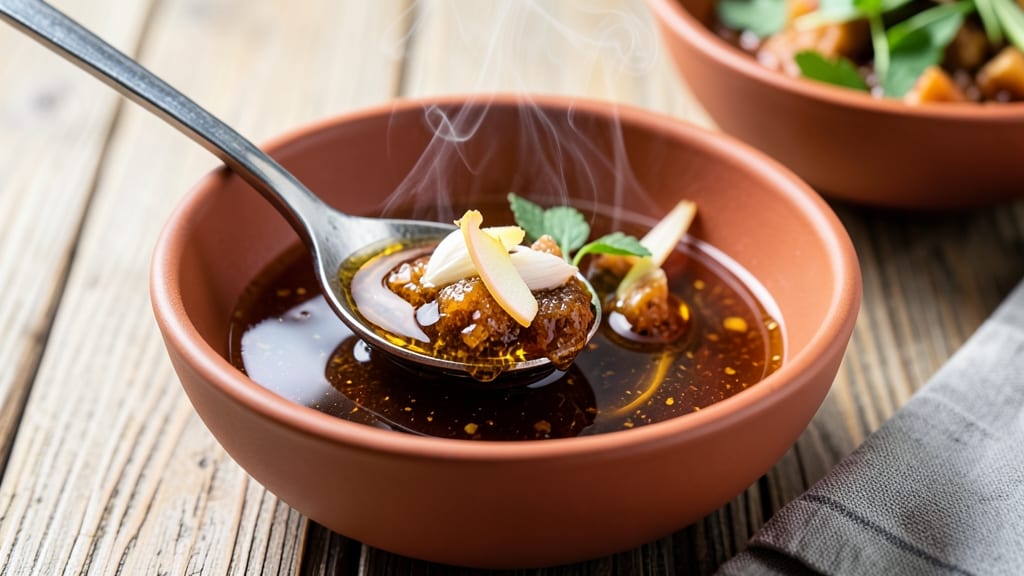
This Aldi teriyaki sauce recipe unlocks the perfect balance of sweet, savory, and umami—just like the store-bought version you love, but with 100% control over ingredients and flavor. The secret lies in combining high-quality soy sauce with mirin and brown sugar, simmered until thick and glossy.
I developed this recipe after testing countless variations, and it consistently delivers that restaurant-quality glaze without any artificial additives.
The beauty of homemade teriyaki sauce is its versatility—it elevates grilled chicken, stir-fried tofu, or even roasted vegetables with equal success. Unlike store-bought versions, this recipe uses simple pantry staples (soy sauce, mirin, sugar, and vinegar) and takes just 15 minutes to make.
The sauce thickens as it simmers, creating a sticky, caramelized glaze that clings perfectly to whatever you're cooking.
What sets this teriyaki sauce apart is the hidden depth from a splash of vinegar and a pinch of garlic powder, which adds a subtle tang and aromatic punch. The result is a sauce that’s sweet enough to satisfy cravings but savory enough to stand up to bold flavors.
It keeps well in the fridge for up to 2 weeks, making it a game-changer for meal prep and quick weeknight dinners.
Whether you're glazing seared salmon, tossing it with stir-fried noodles, or drizzling it over grilled pork, this teriyaki sauce will become your go-to for bold, balanced flavor. Let’s get cooking—your taste buds will thank you.
Ingredients for aldi teriyaki sauce
Five pantry staples plus a few secret ingredients transform into this restaurant-quality teriyaki glaze.
| Ingredient | Amount | Notes |
|---|---|---|
| High-Quality Soy Sauce 🥢 | ½ cup | Use dark soy for richer color |
| Mirin 🍶 | ¼ cup | Substitute with 1 tbsp sugar + 1 tbsp water |
| Brown Sugar 🍚 | ¼ cup | Light or dark, packed tightly |
| Rice Vinegar 🍶 | ¼ cup | White or seasoned variety |
| Garlic Powder 🧄 | 1 tsp | Fresh garlic for deeper flavor |
| Ground Ginger 🌿 | ½ tsp | Fresh grated works too |
| Extra-Virgin Olive Oil 🫒 | 1 tbsp | For glossy finish |
| Sesame Oil 🌰 | 1 tsp | Toasted sesame flavor |
| Cornstarch 🌽 | 1 tbsp | For thickening |
| Water 💧 | ¼ cup | For slurry |
The soy sauce is non-negotiable here—Aldi's brand soy sauce works perfectly, but Kikkoman or Lee Kum Kee elevate it further. Mirin adds that signature sweetness and depth, but if you're stuck, 1 tbsp sugar plus 1 tbsp water mimics its function. Brown sugar caramelizes beautifully during simmering, creating that glossy finish. For the vinegar, rice vinegar is ideal, but apple cider vinegar adds a tangy twist. Pro tip: Look for mirin in the Asian aisle—it's often priced competitively there.
No mirin? Sugar plus water works in a pinch, though the sauce will lack that authentic umami note. Swap sesame oil for toasted peanut oil if you're nut-averse, but the flavor profile shifts slightly. The cornstarch slurry is key for that perfect thickness—arrowroot powder works too—but don't skip it. For extra depth, add a pinch of white pepper or a dash of fish sauce (if not vegetarian). The garlic powder is non-negotiable for that aromatic punch, but if you're feeling fancy, fresh minced garlic takes it to another level.
This sauce keeps beautifully in the fridge for 2 weeks when stored in an airtight container. For longer storage, freeze in ice cube trays—perfect for single-use portions. The flavor actually improves after a day or two as the ingredients meld. Double the batch and freeze half for future stir-fries or grilled dishes. Always stir before using—settling happens. Leftovers reheat beautifully with a splash of water to loosen the glaze.
Why You'll Love This Recipe
- Pantry Magic: I swear, this sauce comes together with stuff I already have—no specialty trips to the store. The mirin and rice vinegar add that bright, tangy lift without needing fancy ingredients, and the brown sugar cuts through the saltiness like a dream.
- Garlic-Kissed Umami Bomb: That pinch of garlic powder? It’s the secret weapon. You don’t even need fresh garlic—just a sprinkle transforms the sauce into something rich and savory that sticks to everything like it’s meant to be there.
- Weeknight Superhero: Slap this on grilled chicken, stir it into rice, or toss it with noodles—it’s the ultimate flavor shortcut. Honestly, I’ve used it for breakfast burritos (yes, really) and it still tastes like a restaurant dish.
- Makes Leftovers Worth It: A little goes a long way, so you’ll have extra for next week’s stir-fry or takeout night. Between us, I’ve frozen batches and thrown them into marinades later—still tasted fresh, no weird freezer burn.
Step-by-step instructions for homemade teriyaki sauce
This sauce delivers that perfect balance of sweet, salty, and umami—just like your favorite takeout, but better.
Create the Flavor Base
In a medium saucepan, combine the 0.5 cup high-quality soy sauce, 0.25 cup mirin, 0.25 cup brown sugar, and 0.25 cup rice vinegar. Bring the mixture to a gentle boil over medium-high heat, then immediately reduce to medium-low heat. Let it simmer for 5-7 minutes until the sugar dissolves completely and the liquid reduces slightly—you'll notice the aroma deepening as the flavors meld.
Here's the thing—don't rush this step. The sugar needs time to fully integrate, and the vinegar's acidity will mellow out as it cooks. Stir occasionally to prevent scorching on the bottom. If you see any browned bits forming, gently scrape them up with a wooden spoon—they're packed with flavor.
Build Depth with Aromatics
Add the 1 teaspoon garlic powder, 0.5 teaspoon ground ginger, 1 tablespoon extra-virgin olive oil, and 1 teaspoon sesame oil to the simmering sauce. Stir well to combine, then continue simmering for another 3-4 minutes. The oils will create a subtle glossy sheen while the spices infuse their warmth.
You'll know it's working when the sauce takes on a richer color and the aroma becomes more complex—like a mix of sweet caramel and toasted sesame. If you used fresh garlic or ginger instead of powder, this is where you'd add it now, but since we're using powders, they'll dissolve completely without any grit.
Thicken to Perfection
In a small bowl, whisk together the 1 tablespoon cornstarch and 0.25 cup water until completely smooth—this is your slurry. Slowly pour it into the saucepan while stirring constantly with a wooden spoon. The moment you add it, you'll see the sauce begin to thicken noticeably.
Continue simmering for 2-3 minutes until the sauce reaches your desired consistency—it should coat the back of a spoon but still be pourable. If it thickens too quickly, add 1 tablespoon water at a time until you achieve that perfect glaze-like texture. The sauce should be glossy with a smooth, velvety finish.
Finish and Test
Remove the saucepan from heat and let the sauce rest for 5 minutes—this allows the thickening to fully set. Taste and adjust the seasoning: if it needs more sweetness, add a pinch of brown sugar; if it needs more salt, add a drop of soy sauce. The balance should be sweet, salty, and just slightly tangy from the vinegar.
For the ultimate restaurant-quality finish, strain the sauce through a fine-mesh sieve to remove any potential grit from the spices. Transfer to a clean jar or airtight container and let it cool completely before storing. This sauce keeps beautifully in the refrigerator for up to 2 weeks—perfect for glazing proteins, drizzling over rice, or using as a marinade.
Pro Tips For Making Aldi Teriyaki Sauce
- Simmer Slow and Steady: I learned this the hard way—rushing the simmer turns your sauce into a sticky mess instead of a glossy, balanced glaze. Keep the heat at a gentle bubble (just under a full boil) for 10-12 minutes, stirring occasionally. If it gets too aggressive, pull it back or turn off the heat entirely—your sauce will still reduce.
- Strain the Garlic Powder: That powdered garlic is convenient, but it leaves gritty bits in an otherwise smooth sauce. After mixing, pour the sauce through a fine-mesh strainer into a clean bowl. Yes, it’s an extra step, but your sauce will taste like it came from a jar instead of a box.
- Balance the Sweet Early: Brown sugar can crystallize if you add it all at once, especially if you’re using a cheap brand. Whisk it into the warm (not hot) liquid first, then let it sit for 2 minutes before adding the rest of the ingredients. This prevents clumps and ensures a silky texture.
- Save the Vinegar for Last: Rice vinegar’s tang cuts through the sweetness, but add it too soon and the acidity will fight with the sugar’s caramelization. Stir it in during the final 2 minutes of simmering—this keeps the flavor bright without making your sauce taste harsh or unfinished.
Common mistakes when making this dish
Skipping the Slurry
One of the biggest mistakes is omitting the cornstarch slurry entirely, thinking the sauce will thicken on its own. Without it, your sauce will remain runny—no matter how long you simmer. The slurry acts as a thickening agent, binding the liquid into a glossy glaze.
If you're in a pinch, you can substitute 1 tbsp arrowroot powder mixed with 2 tbsp water for the same effect. 🔥
Over-Simmering the Base
Letting the initial soy, mirin, and sugar mixture boil too vigorously can burn the sugar, creating a bitter, caramelized flavor that ruins the delicate balance. Keep the heat at medium-low and stir frequently.
If you see browned bits forming, scrape them up—they’re packed with flavor but can overpower the sauce. A gentle simmer for 5-7 minutes is all you need.
Using Low-Quality Soy Sauce
Not all soy sauces are created equal. Using a cheap, watered-down brand will result in a flat, one-dimensional sauce. For the best results, opt for Aldi’s brand soy sauce (or higher-quality options like Kikkoman or Lee Kum Kee).
These brands have deeper umami and a richer color, which translates directly to your teriyaki. Trust me, your taste buds will notice the difference.
Ignoring the Resting Time
After thickening, letting the sauce rest for 5 minutes before adjusting seasoning is crucial. This allows the flavors to meld and the slurry to fully set. If you taste it too soon, you might overcorrect the balance—adding more sugar or soy sauce when the sauce just needs time to settle.
Patience here ensures a harmonious, restaurant-quality glaze. ✨
Forgetting to Strain
If you’re using powdered garlic or ginger, failing to strain the sauce can leave behind gritty particles that ruin the texture. Even if you don’t see any obvious lumps, a quick pass through a fine-mesh sieve ensures a silky-smooth finish.
This step is especially important if you’re drizzling the sauce over delicate dishes like sushi or tofu. A smooth glaze elevates the dish to the next level.
Overthickening the Sauce
Adding too much cornstarch slurry can turn your sauce into a paste, making it difficult to drizzle or toss. Aim for a glossy, pourable consistency—it should coat the back of a spoon but still flow freely.
If it thickens too quickly, add 1 tbsp water at a time until you reach the perfect balance. The sauce should cling to food without being clumpy or sticky. 💫
Nutrition facts
Frequently asked questions
Can I make this teriyaki sauce without mirin?
Yes! For every 0.25 cup mirin called for, substitute 1 tablespoon brown sugar plus 1 tablespoon water. This mimics mirin's sweetness and slight acidity, though the sauce will be slightly less complex. For extra depth, add ½ teaspoon rice vinegar to compensate for the missing acidity.
How can I use this teriyaki sauce beyond glazing?
This versatile sauce works as a marinade (great for chicken or pork), stir-fry sauce, or even a dipping sauce for spring rolls! Thin it with 1-2 tablespoons water for stir-fries, or reduce it further for a thick coating. Try drizzling it over grilled vegetables or using it as a base for homemade teriyaki meatballs.
Why did my sauce turn out too thin?
This usually happens when the cornstarch slurry isn't cooked long enough or if the sauce was over-diluted. Simmer the slurry for an extra 2 minutes and stir constantly. For a quick fix, mix 1 teaspoon cornstarch with 1 tablespoon cold water, stir into the sauce, and simmer for 1 more minute. Avoid adding water—it'll just make it thinner!
Can I make this sauce gluten-free?
Replace the soy sauce with 0.5 cup gluten-free tamari or coconut aminos. The flavor will be slightly different (less umami), but still delicious. For extra richness, add 1 teaspoon gluten-free fish sauce (if not vegetarian) or ½ teaspoon liquid aminos. The sauce will still thicken properly with the cornstarch.
How do I store leftovers for best flavor?
Let the sauce cool completely before transferring to an airtight container. It keeps in the fridge for 2 weeks—the flavor actually improves as it sits! For longer storage, freeze in ice cube trays (perfect for single-use portions) or in a sealed jar. Thaw overnight in the fridge and stir well before using. Never reheat directly from frozen.