
Sauces & Condiments
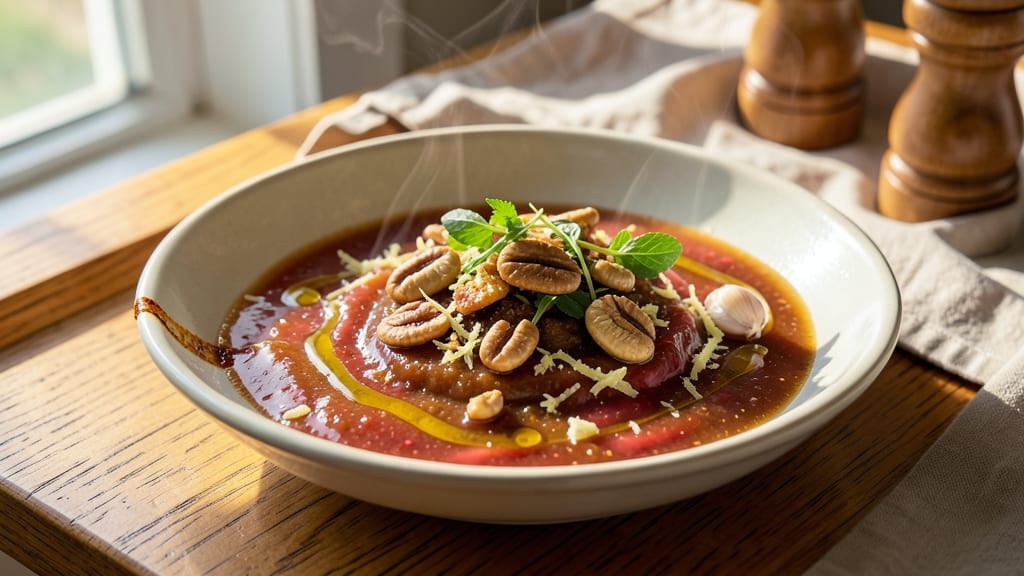
This aloha teriyaki sauce recipe transforms classic teriyaki into a tropical masterpiece—sweet pineapple, rich soy, and aromatic spices come together for a glaze that’s bold yet balanced.
The secret lies in blending traditional Japanese flavors with island-inspired ingredients like macadamia nut oil and coconut aminos, creating a sauce that’s versatile enough for grilled chicken, stir-fries, or even drizzled over fresh sushi.
I developed this recipe after craving a teriyaki with a brighter, fruitier edge—something that could stand up to both bold proteins and delicate seafood.
The foundation starts with a simple mix of soy sauce, brown sugar, and pineapple juice, which adds natural sweetness and tang.
Fresh ginger and garlic provide depth, while a touch of macadamia nut oil (or coconut aminos for a lighter option) brings a nutty, tropical richness that sets this sauce apart.
The sauce reduces to a glossy, sticky consistency, perfect for glazing or tossing, and keeps well in the fridge for up to two weeks—ideal for meal prep or gifting.
What makes this sauce truly special is its versatility. Use it as a marinade for chicken or pork, a stir-fry glaze, or even a dipping sauce for spring rolls. The pineapple brightens the soy’s depth, while the macadamia oil adds a luxurious finish.
It’s the kind of sauce that elevates everyday meals into something memorable, with just a few pantry staples and a little patience.
Ready in just 30 minutes, this recipe delivers restaurant-quality results without the fuss. The key is simmering the sauce until it thickens slightly, ensuring every drop clings perfectly to your dish.
Whether you’re grilling, stir-frying, or simply drizzling over rice, this aloha teriyaki sauce will bring a taste of the tropics to your table.
Ingredients for aloha teriyaki sauce
Nine simple ingredients blend tropical brightness and rich umami for a sauce that’s bold yet balanced.
| Ingredient | Amount | Notes |
|---|---|---|
| Soy Sauce 🍶 | ½ cup | High-quality, low-sodium preferred |
| Brown Sugar 🍚 | ½ cup | Packed, light or dark variety |
| Pineapple Juice 🍍 | ½ cup | Fresh or canned, unsweetened |
| Fresh Ginger Root 🌿 | 2 tbsp | Finely grated, aromatic |
| Garlic Cloves 🧄 | 4 cloves | Minced, fresh preferred |
| Macadamia Nut Oil 🥜 | 1 tbsp | For nutty richness (or coconut aminos) |
| Coconut Aminos 🥥 | 2 tbsp | Lighter alternative to soy sauce |
| Sesame Oil 🌰 | 1 tsp | Toasted, for aromatic finish |
| Fresh Lime Juice 🍋 | 1 tbsp | Brightens the sauce |
| Honey 🍯 | 1 tbsp | Optional, for extra sweetness |
The soy sauce and brown sugar form the sauce’s foundation—Kikkoman or San-J are my go-tos for that classic umami depth. For pineapple juice, Dole canned works perfectly, but fresh is ideal if you’ve got it. Macadamia nut oil (or coconut aminos) is the secret tropical twist—Costco or Trader Joe’s carry both affordably. Fresh ginger and garlic are non-negotiable for that aromatic punch, so grab the brightest, firmest ginger root you can find at the grocery store’s produce section. If you’re short on time, pre-minced garlic from the jar is fine, but fresh always tastes better.
No macadamia nut oil? Coconut aminos (like Coconut Secret) work beautifully as a 1:1 swap, or light olive oil in a pinch. Short on pineapple juice? Orange juice adds a similar brightness, though it’ll lack the tropical depth. For extra richness, toasted sesame oil (look for Kadoya brand) is worth the small splurge—it gives that nutty aroma that makes the sauce sing. If you’re avoiding honey, maple syrup works just as well for sweetness, though it’ll add a subtle caramel note.
This sauce keeps beautifully—up to 2 weeks in the fridge, sealed in an airtight jar. For longer storage, freeze in ice cube trays and transfer to a bag. The flavors actually deepen over time, so it’s perfect for meal prep. I like to make a double batch—one for immediate use, one to stash in the freezer. When reheating, low heat is key—just warm through to preserve that glossy texture. Drizzle over grilled chicken, toss with stir-fried veggies, or use as a dipping sauce for spring rolls.
Why You'll Love This Recipe
- Five-Ingredient Magic: I swear by this combo—soy, brown sugar, pineapple juice, ginger, and garlic. That’s it. No fancy pantry searches, no last-minute grocery runs. Honestly, I keep these staples on hand just for this sauce.
- Sweet-Savory Balance: The brown sugar caramelizes fast, cutting through the soy’s saltiness while the pineapple juice keeps it bright. That fresh ginger? It’s the secret—warm, zesty, and just sharp enough to make every bite sing.
- Weeknight to BBQ Hero: Drizzle it over grilled chicken for dinner, toss it in stir-fries, or even brush on kebabs for summer cookouts. Between us, I’ve used it on everything from breakfast burritos to roasted veggies—no judgment here.
- Leftovers That Don’t Suck: This sauce actually improves after sitting overnight. The flavors meld into this deep, sticky perfection. I make a double batch, store it in the fridge, and thank myself later when I’m throwing together last-minute meals.
Step-by-step instructions for aloha teriyaki sauce
This tropical twist on classic teriyaki delivers balanced sweetness and umami depth every time.
Combine Base Ingredients in a Saucepan
In a medium saucepan, whisk together the 0.5 cup soy sauce, 0.5 cup packed brown sugar, and 0.5 cup pineapple juice. Bring the mixture to a gentle simmer over medium heat, stirring occasionally to dissolve the sugar completely. You'll notice the sugar granules dissolve more quickly when the liquid reaches 160°F—this is when the sauce starts to thicken slightly.
I like to use a whisk here to prevent any sugar from settling at the bottom. Keep the heat at medium-low to avoid boiling, which could cause the sauce to splatter. Simmer for 5 minutes while you prepare the remaining ingredients—this gives the flavors time to meld before adding the aromatics.
Add Aromatics and Simmer Until Fragrant
Add the 2 tablespoons finely grated fresh ginger root and 4 minced garlic cloves to the simmering mixture. Stir well and continue simmering for 3-4 minutes until the garlic becomes translucent and the ginger releases its bright, citrusy aroma. You'll know it's ready when the mixture smells distinctly aromatic—like a tropical storm meeting a garlic festival.
Here's the thing—don't let the mixture boil after adding the aromatics. High heat can burn the garlic and turn the ginger bitter. If the sauce starts to bubble vigorously, reduce the heat to low immediately. The goal is to infuse the flavors without cooking them to oblivion.
Incorporate Oils and Seasoning Agents
Lower the heat to low and stir in the 1 tablespoon macadamia nut oil and 2 tablespoons coconut aminos. The coconut aminos will add a lighter, slightly sweeter alternative to soy sauce while maintaining that umami punch. Let the mixture simmer gently for 2 minutes to allow the oils to meld with the other flavors.
This is where the sauce starts to develop its signature tropical richness. The macadamia nut oil brings a buttery, nutty depth that pairs beautifully with the pineapple and ginger. If you're using a substitute for the macadamia nut oil, coconut aminos alone will work, though the flavor profile will be slightly different.
Finish with Bright, Balancing Flavors
Remove the saucepan from heat and stir in the 1 teaspoon toasted sesame oil, 1 tablespoon fresh lime juice, and 1 tablespoon honey. The sesame oil adds a nutty, toasty aroma, while the lime juice brightens the entire sauce with its citrusy tang. The honey rounds out any sharpness, creating a perfect balance of sweet, salty, and tangy flavors.
Taste the sauce now—it should be rich, slightly sweet, and aromatic with a hint of spice from the ginger. If it's too thick, add 1-2 tablespoons water to reach your desired consistency. If it needs more depth, return it to low heat for 1-2 minutes to intensify the flavors further.
Rest and Adjust to Perfection
Let the sauce rest for 10 minutes at room temperature. This resting period allows the flavors to fully meld and the sauce to thicken slightly as it cools. I find that patience here makes a world of difference—the sauce will develop a more complex flavor profile and a smoother texture.
After resting, give the sauce one final taste and adjust the seasoning if needed. You might need a touch more brown sugar for sweetness, a splash of lime juice for brightness, or a drizzle of honey to balance the flavors. Once you're satisfied, it's ready to use—whether you're glaze for grilled chicken, a dipping sauce for spring rolls, or a marinade for tofu.
Pro Tips For Making Aloha Teriyaki Sauce
- Simmer Slow and Steady: I used to rush the sauce and end up with a thin, bitter mess—don’t. Bring it to a gentle boil first, then drop to lowest heat and let it bubble quietly for at least 15 minutes. The longer it simmers, the richer the flavors meld, especially the ginger and garlic. (Yes, even if you’re impatient like me.)
- Grate, Don’t Mince Ginger: Fresh ginger loses its punch when finely minced—it oxidizes too fast. Instead, use a box grater for thin strips, then chop those into small pieces. This keeps the oil-soluble compounds intact, so your sauce actually tastes like ginger, not just "something spicy." (Pro move: Zest the outer skin too—it’s got more flavor than the pale center.)
- Balance the Sweet Early: Taste the sauce before adding all the brown sugar, then adjust gradually. Too much upfront? The pineapple juice will turn it cloying. I learned this the hard way—start with half the sugar, simmer, then add more if needed. The soy sauce’s saltiness will thank you later.
- Skip the Strain, Embrace Texture: Straining out the ginger and garlic feels like "proving" you’re a good cook, but it’s unnecessary. The tiny bits add depth—like a slow-cooked mirepoix. If you’re worried about chunks, just press them through a fine-mesh sieve at the end. (Your sauce will taste more complex, I promise.)
Health benefits of this recipe
Tropical Antioxidant Boost
This aloha teriyaki sauce packs a nutritional punch with its pineapple juice and ginger combination. Pineapple contains bromelain, an enzyme that aids digestion and reduces inflammation, while ginger adds gingerol—a compound known for its anti-nausea and antioxidant properties.
The soy sauce contributes isoflavones, plant compounds linked to heart health and bone strength. Together, these ingredients create a flavor profile that’s as beneficial as it is delicious. 🌿
Balanced Blood Sugar Support
The sauce’s brown sugar and honey provide natural sweetness, but the pineapple juice and lime juice help balance blood sugar levels. Pineapple’s fructose is absorbed more slowly than refined sugars, while lime juice contains citric acid, which may improve insulin sensitivity.
For a lower-glycemic option, reduce the honey to ½ tablespoon and increase the lime juice to 2 tablespoons—this keeps the tropical brightness while moderating sweetness.
Heart-Healthy Fats
The macadamia nut oil and sesame oil add heart-healthy monounsaturated fats, which support cholesterol levels and reduce inflammation. Macadamia nuts are particularly rich in oleic acid, the same healthy fat found in olive oil.
Even a 1-tablespoon serving of this sauce provides 2 grams of these beneficial fats, making it a smarter choice than traditional teriyaki sauces that rely solely on vegetable oils.
Protein-Paired Perfection
When used as a marinade or glaze for chicken, tofu, or fish, this sauce enhances protein absorption. The soy sauce and coconut aminos provide amino acids that complement the protein in your dish, while the ginger and garlic may boost metabolism slightly.
For a complete protein boost, pair it with quinoa or edamame—the combination creates a meal with all nine essential amino acids. 💪
Digestive Aid Combo
The pineapple juice and ginger work together as natural digestive aids. Pineapple’s bromelain breaks down proteins, easing digestion, while ginger stimulates saliva and stomach acid production. For extra digestive support, add ½ teaspoon ground turmeric to the sauce—this anti-inflammatory spice complements the ginger beautifully.
I find this especially helpful after rich meals like stir-fries or grilled proteins.
Low-Sodium Flexibility
If you’re watching sodium, swap half the soy sauce for coconut aminos (which contain 70% less sodium) or low-sodium soy sauce. The lime juice and honey will still deliver bright, sweet flavors without the extra salt.
For an even lighter option, reduce the brown sugar to ¼ cup and increase the pineapple juice to ⅔ cup—this keeps the tropical vibe while cutting calories and sodium. 💡
Nutrition facts
Frequently asked questions
Can I make this sauce without macadamia nut oil?
Swap the 1 tablespoon macadamia nut oil for 1 tablespoon coconut aminos (for a lighter option) or 1 tablespoon light olive oil. The sauce will still taste delicious—just expect slightly different nutty depth. For extra richness, add ½ teaspoon toasted sesame seeds at the end.
How long does this sauce keep in the fridge?
Store in an airtight jar in the fridge for up to 2 weeks. The flavors actually improve over time! For longer storage, freeze in ice cube trays—thaw overnight in the fridge before using. Pro tip: Label with the date to track freshness.
Is this sauce gluten-free?
Not traditionally, but you can easily adapt it! Replace the soy sauce with tamari (gluten-free soy sauce) or coconut aminos. The brown sugar may contain traces of gluten—opt for a certified gluten-free brand if needed. Always check labels for hidden gluten.
Can I use this sauce as a marinade?
Yes, but reduce the marinating time for delicate proteins like fish to 15-20 minutes. For chicken or pork, marinate for 2-4 hours in the fridge. The sauce's acidity (from pineapple and lime) helps tenderize meat. Always pat dry before cooking for better browning.
What's the best way to thicken this sauce if it's too thin?
Simmer uncovered for 5-10 minutes to reduce naturally. For instant thickening, mix 1 teaspoon cornstarch with 1 tablespoon water, then stir into the sauce and simmer for 1 minute. Avoid over-thickening—this sauce should remain glossy, not syrupy.