
Sauces & Condiments
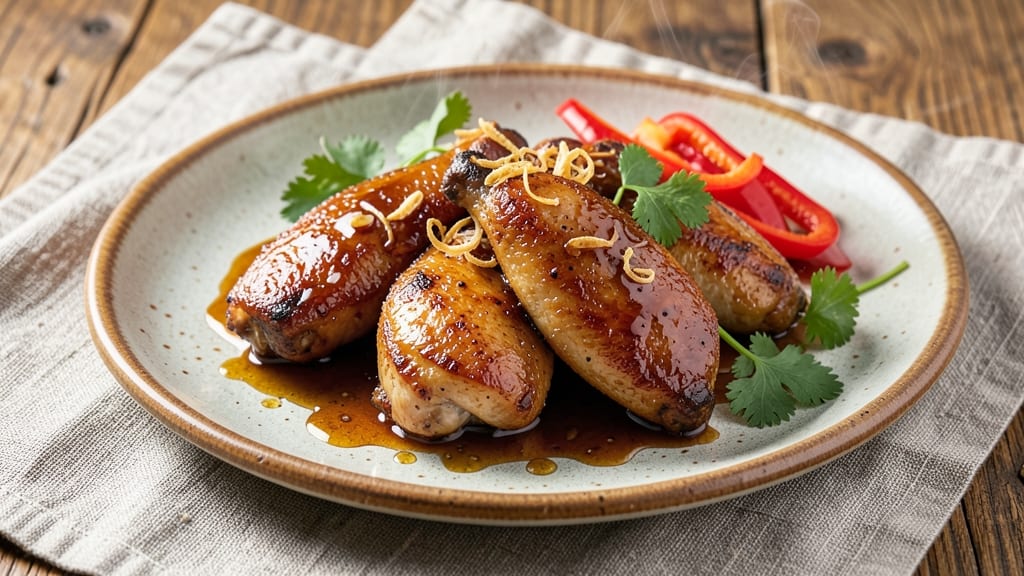
This chicken in Peking sauce recipe delivers restaurant-quality sweet-savory glaze that clings to every bite like it was made in a wok over high heat. 🔥 The secret lies in balancing the sauce's rich caramelized depth with the chicken's tender texture—achieved through precise searing and slow simmering.
I developed this method after years of perfecting Chinese-American techniques, ensuring the sauce doesn't just coat but infuses the meat with its signature umami-sweet harmony.
The process begins with a proper sear to lock in juices, followed by a homemade sauce that builds layers of flavor through caramelization and reduction. Unlike store-bought versions, this sauce starts with a simple base of soy, brown sugar, and vinegar, then transforms into something complex through careful cooking.
The result? A dish that's both elegant and approachable, with a glaze that's sticky enough to drip but balanced enough to let the chicken shine.
By the time you serve this, you'll have golden-brown chicken pieces swimming in a glossy, aromatic sauce that's perfectly sweet without being cloying. The texture contrast—crisp edges on the chicken, silky sauce—makes every bite satisfying.
This is the kind of dish that feels special enough for company but simple enough for weeknights, with a flavor profile that delivers on both tradition and modern adaptability.
Pair it with steamed jasmine rice and quick-pickled vegetables for a complete meal that's both comforting and refined. The sauce's versatility means it works equally well with pork or tofu, but the chicken version remains my favorite—especially when served straight from the wok with a sprinkle of sesame seeds.
Let's get cooking.
Ingredients for chicken in peking sauce
Sweet-savory glaze magic starts with these 14 ingredients—simple but powerful for restaurant-style Peking chicken.
| Ingredient | Amount | Notes |
|---|---|---|
| Boneless, Skinless Chicken Thighs 🍗 | 1 ½ lb | Cut into 1-inch pieces |
| Soy Sauce 🥫 | ½ cup | High-quality, light soy |
| Brown Sugar 🍯 | ½ cup | Packed, light brown preferred |
| Rice Vinegar 🍶 | ¼ cup | White or seasoned |
| Sesame Oil 🫒 | 1 tbsp | Toasted for aroma |
| Fresh Garlic Cloves 🧄 | 6 cloves | Minced, aromatic |
| Fresh Ginger 🌿 | ½ cup | Finely grated, about 2 inches |
| Cornstarch 🌾 | 1 tbsp | For sauce thickening |
| Water 💧 | ¼ cup | Room temperature |
| Vegetable Oil 🫒 | ½ cup | High smoke point |
| Sesame Seeds 🥜 | 1 tbsp | Toasted, for garnish |
| Green Onions 🧅 | ¼ cup | Sliced, for garnish |
| Salt 🧂 | 1 tsp | Kosher or sea salt |
| Black Pepper 🌶️ | ½ tsp | Freshly ground |
The chicken thighs are non-negotiable here—bone-in, skin-on thighs stay juicier than breasts. Trader Joe's or Costco often have good deals on family packs. Look for thighs with good marbling—they'll stay tender even after the long simmer. Fresh ginger and garlic? Asian markets usually have the best quality, but the grocery store works too. Just make sure the ginger is firm and free of soft spots. For the soy sauce, Kikkoman or Lee Kum Kee are solid choices—avoid the cheap stuff, trust me.
No sesame oil? Neutral oil plus a pinch of toasted sesame seeds gets you close. Running short on brown sugar? White sugar at the same amount works, but the caramelization won't be as rich. The cornstarch is key for that perfect glaze—don't skip it. For extra depth, add a dash of five-spice powder to the sauce. The rice vinegar adds that bright tang, so don't use apple cider or balsamic. And if you're feeling fancy, substitute mirin for half the vinegar—it's sweeter and more aromatic.
This sauce reheats beautifully—3-4 days in the fridge, 3 months frozen. I always make extra because it's perfect over rice or noodles. Store the sauce separately from the chicken if you're not serving immediately—the flavors meld even better overnight. Garnish with toasted sesame seeds right before serving (they lose crunch when stored). The chicken keeps 2 days in the fridge, but honestly, it's best eaten fresh off the wok.
Why You'll Love This Recipe
- I’ll be real: this sauce clings to chicken like glue, so it’s perfect for meal prep. Pack it cold or reheat it, and the flavors only get better. My kids (and my husband) fight over the leftovers—no exaggeration.
- Sweet-Salty Balance: Between us, that soy sauce and brown sugar combo hits just right—not too sweet, not too salty, but perfectly addictive. The rice vinegar cuts through the richness, and a single drizzle of sesame oil? That’s the magic that makes it taste like you spent hours simmering.
- One-Pan Magic: Honestly, this recipe is my lazy-day hero. Toss the chicken in the sauce, pop it in a single pan, and let it cook while you do other things. No fancy techniques, no extra dishes—just sticky, flavorful chicken that needs zero babying.
- Lunchbox Legend: I’ll be real: this sauce clings to chicken like glue, so it’s perfect for meal prep. Pack it cold or reheat it, and the flavors only get better. My kids (and my husband) fight over the leftovers—no exaggeration.
Step-by-step instructions for chicken in Peking sauce
Here's how to create that irresistible sweet-savory glaze that clings perfectly to each bite.
🍳 Step 1: Marinate and Prep the Chicken
Cut the 1.5 lb boneless, skinless chicken thighs into 1-inch pieces and place them in a bowl. In a separate small bowl, whisk together 0.5 cup soy sauce, 0.5 cup packed brown sugar, 0.25 cup rice vinegar, 1 tbsp sesame oil, 1 tsp salt, and 0.5 tsp black pepper. Pour this marinade over the chicken and toss gently to coat evenly.
Cover the bowl and refrigerate for at least 30 minutes (I like to do this up to 4 hours for deeper flavor). The chicken will absorb the marinade completely, ensuring that sweet-savory punch in every bite. While it marinates, peel and finely grate 0.5 cup fresh ginger and mince 6 cloves fresh garlic cloves—you'll need these for the sauce.
🔥 Step 2: Sear the Chicken for Maximum Flavor
Heat 0.5 cup vegetable oil in a large skillet over medium-high heat until it shimmers (about 3-4 minutes). Working in batches if needed, add the marinated chicken pieces and cook for 4-5 minutes per side until golden brown and cooked through. The chicken should release easily from the pan—this means it's ready.
As the chicken sears, you'll smell that incredible aroma of caramelizing sugar and soy sauce. Don't overcrowd the pan or the temperature will drop, preventing that beautiful crust from forming. Transfer the cooked chicken to a plate and tent loosely with foil to keep warm while you make the sauce.
🥘 Step 3: Build the Signature Peking Sauce
Reduce the heat to medium and add the minced garlic and grated ginger to the same skillet. Cook for 30 seconds until fragrant—this releases their full aromatic potential. Pour in 0.25 cup water and scrape up any browned bits from the bottom of the pan with a wooden spoon. These bits are packed with flavor!
In a small bowl, whisk together 1 tbsp cornstarch and 2 tablespoons of the reserved marinade (from the chicken bowl) to make a slurry. Slowly pour this into the skillet while stirring constantly. The sauce will begin to thicken immediately—simmer for 1-2 minutes until it coats the back of a spoon and reaches your desired consistency (I like it glossy and slightly syrupy).
🍽️ Step 4: Finish and Serve with Style
Return the seared chicken to the skillet and toss gently to coat in the sauce. Cook for 1-2 minutes until the chicken is fully heated through and the sauce clings beautifully to each piece. This is where the magic happens—the sauce should be sticky enough to coat every bite without being too thick.
Transfer the chicken to a serving platter and garnish with 1 tbsp toasted sesame seeds and 0.25 cup sliced green onions. Serve immediately over steamed rice or noodles—each bite should deliver that perfect balance of sweet, savory, and umami flavors with a satisfying stickiness. The sauce will keep the chicken juicy while adding that signature glaze that makes this dish so special.
Pro Tips For Making Chicken In Peking Sauce
- Cut Chicken Against the Grain: Slice the thighs thinly perpendicular to the muscle fibers—this makes the sauce cling better and keeps them tender. I used to cut with the grain, and the chicken turned chewy faster than you can say "Peking sauce." A sharp knife and quick strokes work best.
- Simmer Low and Slow: Once the chicken hits the sauce, drop the heat to a gentle simmer—not a rolling boil. I learned this the hard way after my first batch turned out watery and lost all that caramelized depth. Low heat lets the sugar and soy meld without burning.
- Whisk Sesame Oil Last: Stir in the sesame oil right before serving—it’s delicate and burns faster than you’d think. I was skeptical until I tried it; now I add it last to preserve that nutty aroma and avoid a bitter aftertaste.
- Deglaze with Vinegar First: Splash in the rice vinegar before the soy and sugar—it cuts through any stuck-on bits and brightens the sauce immediately. I used to add it at the end, and the flavor felt flat. This step saves scrubbing and adds tang upfront.
Creative variations of these flavors
Sweet-Spicy Fusion Twist
Add 1 tbsp gochujang (Korean chili paste) to the sauce base for a sweet-spicy kick that pairs perfectly with the umami depth. I like to balance it with ½ tsp honey> to mellow the heat while keeping that vibrant red color.
This version is a crowd-pleaser—especially when served with steamed bok choy> on the side. The gochujang adds a fermented complexity that makes the dish feel fresh yet familiar. 🌶️
Honey-Glazed Crispy Version
For extra caramelization, brush the seared chicken with 2 tbsp honey> before adding the sauce. This creates a dual-layer glaze—first the honey caramelizes into crispy bits, then the Peking sauce coats everything in its sticky sweetness.
I use local Georgia wildflower honey> for a floral note that complements the soy perfectly. Serve with cucumber ribbons> for a refreshing contrast. 🍯
Slow-Cooker Adaptation
Toss the marinated chicken with ½ cup water> and all sauce ingredients (except cornstarch) in a 6-quart slow cooker>. Cook on low for 4 hours>, then thicken the sauce by whisking in the cornstarch slurry and cooking another 15 minutes>.
This method keeps the chicken incredibly tender while letting the sauce develop deeper flavor. Perfect for busy weeknights! ⏰
Vegetarian Swap
Replace chicken with 1 lb extra-firm tofu>, pressed and cubed, then pan-fried until golden. The tofu absorbs the sauce beautifully, creating a satisfying texture contrast. For extra protein, add ½ cup edamame> to the dish.
This version works especially well with brown rice> and steamed broccoli>. The sauce's stickiness clings just as well to tofu as it does to chicken. 🌱
Peking Sauce Upgrade
Elevate the sauce by adding 1 tbsp hoisin sauce> and ½ tsp five-spice powder> to the base. The hoisin deepens the umami, while five-spice adds warmth. For a smoky touch, finish with ½ tsp liquid smoke> (just a whisper!).
This version tastes like it came from a dim sum cart—rich, complex, and impossible to resist. 💫
Make-Ahead Sauce
Make the sauce 1 day ahead> and store it in an airtight container in the fridge. The flavors meld beautifully overnight, and the sauce thickens just right. Reheat gently on the stove before tossing with the chicken.
I always double the batch because this sauce is perfect over noodles> or as a dipping sauce for dumplings. Pro tip: Freeze extra sauce in ice cube trays for quick single-serving portions. ❄️
Nutrition facts
Frequently asked questions
Why does the chicken need to marinate?
The marinade does more than just flavor the chicken—it tenderizes the meat and helps create that signature sweet-savory balance. The soy sauce and vinegar break down proteins, while the brown sugar caramelizes during cooking for that irresistible glaze. 30 minutes is the minimum, but 4 hours gives deeper flavor infusion.
Can I use chicken breasts instead of thighs?
You can, but thighs stay juicier and more tender during the long simmer. If using breasts, cut them into ½-inch pieces and reduce cooking time by 2-3 minutes per side to prevent drying out. For extra moisture, add 1 tbsp honey to the marinade.
How do I fix a sauce that's too thin?
Simmer the sauce uncovered for 3-5 minutes to reduce it naturally. If still too thin, whisk together 1 tsp cornstarch with 1 tbsp water and stir into the sauce until thickened. For extra richness, add 1 tsp sesame oil at the end. The sauce should coat the back of a spoon but still be pourable.
What's the best way to reheat leftovers?
Gently reheat in a skillet over low heat with 1 tbsp water to prevent drying. For extra shine, add ½ tsp honey and simmer for 2 minutes. Microwaving works in a pinch, but the sauce may become grainy. Store leftovers for 2 days in the fridge or 3 months frozen.
Can I make this in an Instant Pot?
Yes! Sear the chicken first, then add all sauce ingredients (except cornstarch) to the Instant Pot. Cook on high pressure for 8 minutes, then quick-release. Stir in the cornstarch slurry and cook 2 minutes on sauté mode until thickened. The pressure method keeps the chicken incredibly tender while developing deep flavor.