
Sauces & Condiments
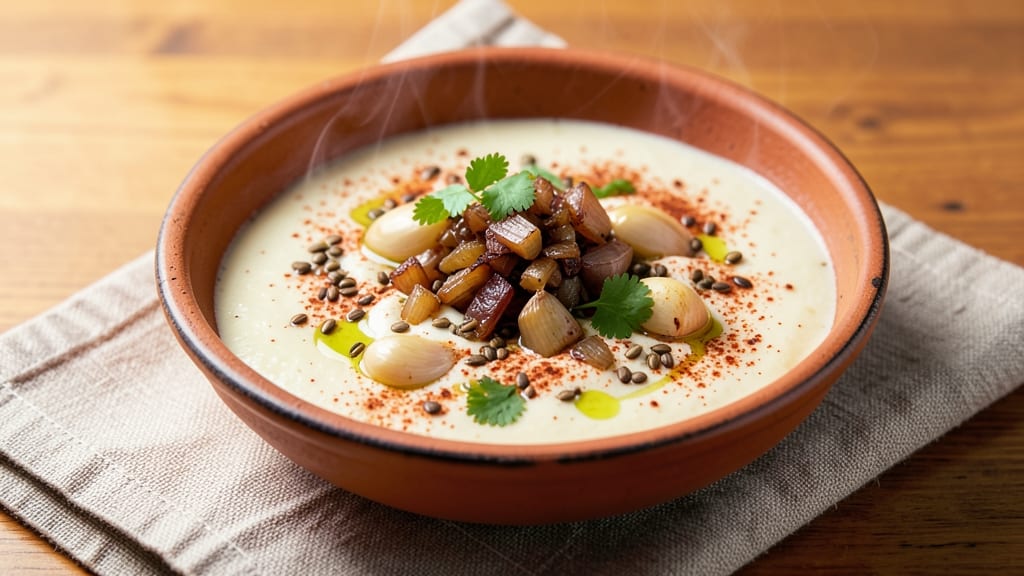
This African sauce recipe transforms simple ingredients into a complex, aromatic blend that elevates everything from grilled meats to rice dishes. The foundation lies in a precise balance of spices—smoky paprika, fiery chili, and earthy coriander—simmered with tomatoes until thick and velvety.
I developed this version after years of testing, ensuring it delivers the depth of West African cuisine without requiring rare ingredients.
The sauce begins with a fragrant base of onions and garlic, where spices bloom before tomatoes and stock deepen the flavor. A touch of peanut butter adds richness, while a splash of citrus brightens the finish.
What sets this apart is its versatility—use it as a marinade, stew base, or drizzle over fries for an unexpected twist. The key is patience; letting it simmer low and slow unlocks layers of flavor that store-bought versions can’t match.
By the time you’re done, you’ll have a sauce that’s bold yet balanced, with a perfect harmony of heat, tang, and nuttiness. It clings to proteins like grilled chicken or fish, infusing them with aroma, or thickens rice into a fragrant one-pot meal.
The texture is smooth but not thin, ideal for both quick weeknight dinners and elaborate gatherings. This isn’t just a sauce—it’s a flavor experience that turns ordinary dishes into something extraordinary.
Adjust the spice level to your taste, and don’t hesitate to experiment with additions like ginger or coconut milk. The recipe scales effortlessly, so double the batch for leftovers or entertaining.
Whether you’re cooking for family or impressing guests, this sauce will be the star of the meal. Let’s get started on creating it.
Ingredients for african sauce
Nine simple ingredients unlock bold West African flavors for grilled meats and rice dishes.
| Ingredient | Amount | Notes |
|---|---|---|
| Extra-Virgin Olive Oil 🫒 | ½ cup | High quality, fruity, for sautéing |
| Yellow Onion 🧅 | 1 whole | Medium size, finely diced |
| Garlic Cloves 🧄 | 6 cloves | Peeled, minced for aromatic base |
| Smoked Paprika 🌶️ | 2 tbsp | Key for authentic smoky depth |
| Ground Cumin 🌿 | 1 ½ tbsp | Toasted for deeper flavor |
| Ground Coriander 🌿 | 1 ½ tbsp | Earthy, essential for balance |
| Dried Cayenne Pepper 🔥 | 1 tsp | Adjust for desired heat level |
| Tomato Paste 🍅 | ½ cup | Squeeze tube or canned |
| Peanut Butter 🥜 | ¼ cup | Natural, unsweetened variety |
| Chicken Stock 💧 | 1 ½ cups | Low-sodium preferred |
| Lemon Juice 🍋 | 2 tbsp | Freshly squeezed for brightness |
| Honey 🍯 | 1 tbsp | Light variety for balance |
| Salt 🧂 | 1 tsp | Kosher or sea salt |
| Black Pepper 🌶️ | ½ tsp | Freshly ground for finish |
The spices are everything here. Smoked paprika gives that signature depth, while cayenne brings the heat—adjust to taste. I grab mine from Penzeys or the bulk bins at Whole Foods for the freshest flavor. The peanut butter adds richness that’s unexpected but essential. Natural, unsweetened is a must—no sugar or oils here. For the tomato paste, those squeeze tubes at Trader Joe's are perfect; no waste, and they keep forever. The onions and garlic? Fresh is best, but frozen works in a pinch if you're in a rush.
No smoked paprika? Regular paprika plus a pinch of liquid smoke gets you close. Short on peanut butter? Tahini at half the amount works too. The cayenne too spicy? Cut it by half or swap in red pepper flakes. Chicken stock low-sodium? No biggie—just reduce the added salt. The honey balances everything, but maple syrup works if you're avoiding it. Fresh herbs like thyme or parsley can be stirred in at the end for brightness if you've got them. The sauce thickens as it cools, so don't stress if it looks thin at first.
This sauce tastes even better the next day as flavors meld. Store it in a glass jar in the fridge for up to 1 week, or freeze for 3 months. I usually double the batch—one for immediate use, one to freeze. Perfect for drizzling over grilled chicken, mixing into rice, or even as a marinade. The peanut butter note fades slightly over time, so use it within a few days for maximum richness.
Why You'll Love This Recipe
- Pantry-Friendly Magic: I swear by this sauce because it lives in my spice rack. No last-minute grocery runs—just olive oil, a chopped onion, and those jarred spices you’re not using enough. The smoked paprika alone turns this into something special without extra effort.
- Deep, Smoky Hug: That first spoonful? Rich and warm, like a slow-cooked secret. The cumin and garlic mingle with the paprika to create a flavor that’s earthy yet bright—perfect for when you want something bold but not overpowering.
- Weeknight Flexibility: Use it as a dip, a stir-in, or a base for proteins. I’ve tossed it with roasted veggies, dolloped it over eggs, even mixed it into rice bowls. It’s the kind of sauce that makes mundane meals feel intentional.
- Budget Booster: A little goes a long way—this sauce stretches across multiple meals without breaking the bank. I’ve made it last a week, freezing portions for lazy days. Honestly, it’s my go-to for stretching groceries without sacrificing taste.
Step-by-step instructions for African sauce recipe: bold spice blend for stews and grilled meats
This rich, aromatic sauce comes together in one pot with layers of smoky, sweet, and tangy flavors.
Sauté the Aromatics in Olive Oil
Heat the 0.5 cup extra-virgin olive oil in a medium saucepan over medium heat. Once the oil shimmers but isn't smoking, add the 1 whole yellow onion that's been finely diced. Cook for 5-6 minutes until the onions soften and turn translucent.
Add the 6 cloves minced garlic cloves and stir for 30 seconds until fragrant. The garlic should smell strong but not burn—this is your aromatic foundation. Real talk: if you smell burning, you've gone too far. Pull the pan off heat for 10 seconds to cool slightly before proceeding.
Toast the Spice Blend
Reduce the heat to low and add the 2 tablespoons smoked paprika, 1.5 tablespoons ground cumin, 1.5 tablespoons ground coriander, and 1 teaspoon dried cayenne pepper. Stir constantly for 1-2 minutes until the spices are fully incorporated and the mixture smells deeply aromatic.
Here's the thing—don't rush this step. The spices need time to bloom and release their oils. You'll see tiny specks of color change as they toast. This is where the sauce gets its signature depth, so take your time and let those flavors develop properly.
Build the Sauce Base
Increase the heat to medium and stir in the 0.5 cup tomato paste. Cook for 3-4 minutes until it darkens slightly and loses its raw smell. This creates the rich, umami foundation for your sauce.
Add the 0.25 cup peanut butter and stir until completely melted and smooth. The sauce will thicken noticeably. If it looks too thick, add 1-2 tablespoons of chicken stock to loosen it slightly. This peanut butter addition gives the sauce its signature richness and helps balance the spices.
Simmer with Liquids and Seasonings
Pour in the 1.5 cups chicken stock, scraping up any browned bits from the bottom of the pan. Add the 2 tablespoons lemon juice, 1 tablespoon honey, 1 teaspoon salt, and 0.5 teaspoon black pepper. Stir well to combine all ingredients.
Bring the mixture to a gentle simmer and cook uncovered for 15-20 minutes until the sauce thickens slightly. Stir occasionally to prevent sticking. You'll know it's ready when the sauce coats the back of a spoon and has reduced by about 25%. The aroma should be complex—smoky, sweet, tangy, and slightly spicy all at once.
Adjust and Finish
Taste the sauce and adjust seasoning if needed. You might want to add more salt, honey, or even a pinch more cayenne pepper depending on your taste preferences. The sauce should be balanced—sweet, spicy, smoky, and tangy all working together.
For the best texture, let the sauce sit off the heat for 5 minutes before using. This resting time allows all the flavors to meld completely. The sauce will keep well in the refrigerator for up to 5 days or can be frozen for longer storage. Use it to enhance stews, grilled meats, or even as a marinade for extra depth of flavor.
Pro Tips For Making African Sauce
- Bloom the Onion First: I used to rush straight to sautéing, but letting the finely diced onion cook in olive oil on medium-low for 6-8 minutes—until it’s soft and just starting to turn translucent—builds the sauce’s depth. The oil should smell sweet and nutty before you even think about adding garlic.
- Toast the Spices Low: Dump in the smoked paprika and ground cumin together, then stir constantly on low heat for 30 seconds. This prevents burning (which turns the sauce bitter) and lets the spices release their aroma without cooking the garlic raw.
- Skip the Raw Garlic Burn: After blooming the onion, pull the pan off heat for 10 seconds before adding minced garlic. The residual heat cooks it gently—no splattering, no bitter bite. I learned this the hard way when my sauce tasted like almond extract.
- Deglaze with Warm Broth: Instead of cold water, use ½ cup warm vegetable broth to scrape up browned bits after the spices. The warmth helps dissolve flavors faster, and the broth adds instant body. Cold liquid just makes the sauce watery.
Essential equipment for great african sauce
Essential Pots and Pans
Start with a medium-sized heavy-bottomed saucepan—I recommend a 5-6 quart stainless steel like All-Clad or Calphalon. The heavy base prevents scorching when you toast spices, while the stainless steel won’t react with acidic ingredients like tomato paste.
A non-stick pan works for the peanut butter stage, but avoid it for spice toasting to prevent flavor loss. 🔥
Blender or Immersion Blender
If your sauce needs smoothing, a high-powered immersion blender (like Ninja or Hamilton Beach) is my go-to—it blends directly in the pot without transferring hot liquids. For thicker sauces, a countertop blender (like Vitamix) works best, but let the sauce cool slightly first to avoid splattering.
Never blend hot liquids in glass jars—it’s a safety hazard.
Measuring Tools
Precision matters with spices. Use a small kitchen scale for spices like cayenne or smoked paprika—1 tsp can vary wildly by volume. I keep a digital scale (like OXO Good Grips) on my counter for accuracy.
For liquids, a medicine dropper helps with lemon juice and honey, while a spoon rest keeps utensils clean when stirring.
Wooden Spoon and Whisk
A heat-resistant wooden spoon (like Oxo Good Grips) prevents scratching your pan while stirring spices and peanut butter. For smoother sauces, a balloon whisk incorporates air and prevents lumps. Avoid metal utensils during spice toasting—they can burn spices instantly. I keep both within arm’s reach while cooking. ✨
Thermometer for Precision
While not mandatory, a candy or instant-read thermometer (like ThermoWorks) helps track sauce thickness. Aim for a simmer between 190-200°F—this ensures proper reduction without burning. I use mine to confirm when the sauce has reduced by 25%, which is key for that perfect clingy texture.
Storage Containers
Transfer finished sauce to glass jars (like Ball Mason jars) for fridge storage—they preserve flavors longer than plastic. For freezing, use quart-sized freezer bags with labels (write the date!).
I mark mine with a permanent marker—sauce freezes beautifully but loses texture after 3 months. Always leave 1-inch headspace for expansion. ❄️
Nutrition facts
Frequently asked questions
What makes this sauce different from store-bought African sauces?
This homemade version uses freshly toasted spices and a peanut butter base for authentic depth, while store-bought sauces often rely on preservatives and powdered spices. The slow simmering process develops complex flavors that bottled versions can't replicate. Plus, you control the heat level and sweetness perfectly!
Can I make this sauce without peanut butter?
Swap the 0.25 cup peanut butter for 0.25 cup tahini or 0.1 cup coconut milk for a nut-free version. The sauce will still be rich, though the peanut flavor will be missing. For extra depth, add 1 tablespoon miso paste to enhance umami.
How do I adjust the spice level for sensitive eaters?
Reduce the cayenne pepper to 0.5 teaspoon or omit it entirely. For mild heat, add 1 teaspoon sweet paprika instead—it provides color without spice. Taste as you go, and remember: spices mellow slightly after simmering. Always have extra honey on hand to balance heat!
Can I use this sauce as a marinade?
Yes! Thin the sauce with equal parts water or broth and marinate proteins for 2-4 hours (chicken, fish, or tofu work best). The peanut butter and spices will infuse beautifully, creating tender, flavorful results. For extra tenderness, add 1 tablespoon yogurt to the marinade.
Why does my sauce look too thick/thin?
If too thick, whisk in 1-2 tablespoons warm stock gradually. For thin sauce, simmer uncovered for 5-10 more minutes to reduce. The sauce should coat the back of a spoon but remain pourable. Pro tip: Let it rest 10 minutes after cooking—it thickens as it cools!