
Sauces & Condiments
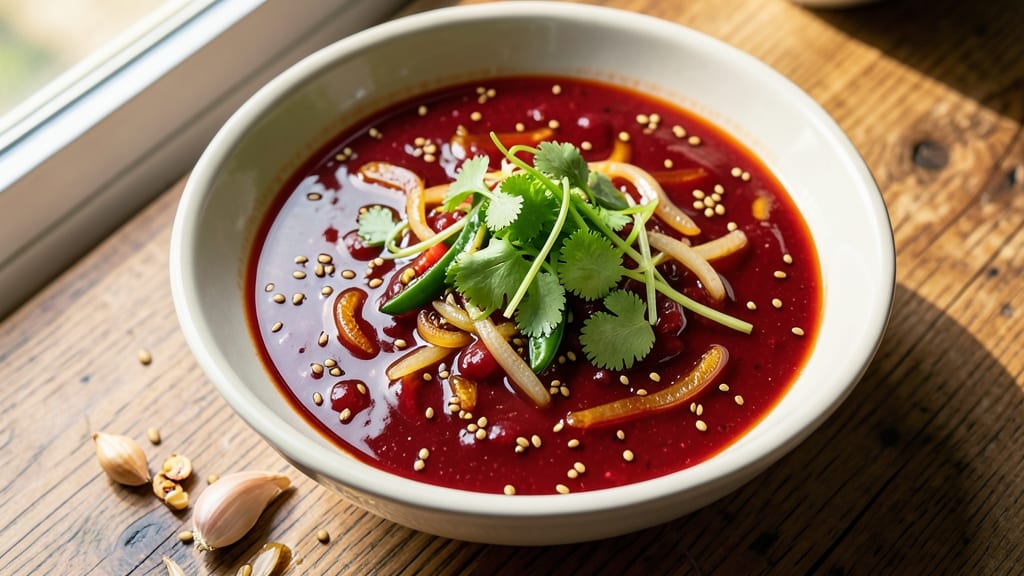
This chutney sauce recipe transforms simple ingredients into a versatile condiment that bridges sweet, spicy, and tangy flavors with professional precision. The key lies in balancing fresh herbs with carefully toasted spices, creating a sauce that elevates everything from grilled meats to crisp vegetables.
I developed this version after testing countless combinations—each adjustment fine-tuned for depth without overpowering the dish it accompanies.
The beauty of this chutney sauce is its adaptability: use it as a bold dipping sauce for samosas or fries, a tangy dressing for salads, or a marinade for meats.
The recipe relies on five core ingredients—tomatoes, onions, ginger, garlic, and a precise spice blend—that come together in just 30 minutes of active prep time. What makes it stand out is the slow simmering process, which develops complex flavors while maintaining a smooth, spoonable consistency.
What you’ll end up with is a vibrant, aromatic sauce with layers of heat and sweetness that cling to every bite. The texture remains velvety yet slightly textured, perfect for drizzling or dipping.
Unlike store-bought versions, this chutney sauce stays fresh for up to two weeks in the refrigerator, allowing you to enjoy its bold flavors long after making it. The secret to its longevity? A touch of vinegar and proper sealing.
For those who love customization, this recipe easily adapts to spicy, sweet, or tangy preferences—simply adjust the chili level, add honey for sweetness, or increase the vinegar for brightness.
Whether you’re serving it at a dinner party or meal prepping for the week, this chutney sauce will become a staple in your kitchen. Let’s get started on creating yours today.
Ingredients for chutney sauce
Nine simple ingredients blend into a vibrant chutney that's bold enough for dipping yet versatile enough to dress any dish.
| Ingredient | Amount | Notes |
|---|---|---|
| Medium Yellow Onions 🧅 | 1 whole | Diced finely for even distribution |
| Fresh Ginger Root 🌿 | 2 tbsp | Grated, skin removed |
| Garlic Cloves 🧄 | 4 cloves | Minced for aromatic depth |
| Ripe Tomatoes 🍅 | 2 cups | Chopped, vine-ripened preferred |
| Green Chilies 🌶️ | 2 whole | Seeds removed for mild heat |
| Fresh Cilantro 🌿 | ½ cup | Chopped stems included |
| Apple Cider Vinegar 🍋 | 2 tbsp | For tangy brightness |
| Cumin Seeds 🌶️ | 1 tsp | Toasted for nutty aroma |
| Ground Coriander 🌿 | 1 tsp | Freshly ground preferred |
| Extra-Virgin Olive Oil 🫒 | ¼ cup | For smooth texture |
The onions and tomatoes form the chutney's base, so pick ripe, flavorful varieties—especially for tomatoes. Heirloom tomatoes add sweetness, while yellow onions caramelize beautifully during simmering. Fresh ginger and garlic are non-negotiable—they carry the sauce's aromatic punch. Whole Foods or local farmers markets often have the freshest ginger, but the grocery store works too if it's firm and fragrant. For cilantro, look for bright green stems—wilted leaves mean weaker flavor. The green chilies can be swapped for serrano peppers if you prefer more heat, but jalapeños work too.
No fresh ginger? Powdered ginger at half the amount will work, but you'll lose some depth. Running short on cilantro? Fresh parsley or mint can substitute, though the flavor profile shifts slightly. The cumin seeds must be toasted—heat a dry pan for 30 seconds until fragrant. For extra tang, lemon juice replaces vinegar, though apple cider vinegar adds subtle sweetness. The olive oil matters here—use something fruity and peppery, not the bland cooking oil. And if you're feeling adventurous, add a pinch of asafoetida for that authentic Indian umami kick.
This chutney keeps beautifully—up to two weeks in an airtight jar in the fridge. The vinegar acts as a natural preservative, so don't skip it. For longer storage, freeze in ice cube trays and transfer to a bag. Thickens as it cools? Just whisk in a splash of water. I love making double batches—one for immediate use and one to gift in small jars. The flavors actually improve after 24 hours as everything melds together.
Why You'll Love This Recipe
- Pantry-Friendly Base: I keep onions, ginger, and garlic stocked just for this—no fancy ingredients, just bold flavor. The moment I toss those charred tomatoes and green chilies into the blender, I’m hooked by how effortless it feels.
- Heat Meets Sweet: That balance? Chef’s kiss. The smoky onions and ripe tomatoes play off the sharp kick of fresh green chilies, while ginger ties it all together like a warm hug. Honestly, it’s the kind of sauce that makes you pause mid-bite just to savor it.
- Weeknight to Party: Slather it on grilled chicken, mix it into rice, or drizzle it over roasted veggies—it’s my go-to for lazy dinners and when unexpected guests show up. (Yes, even on a Tuesday night.)
- Makes More Than You Think: A single batch stretches across three meals: today’s stir-fry, tomorrow’s sandwiches, and the next day’s frittata. Between us, this is the recipe that actually saves me money—no takeout needed.
Step-by-step instructions for chutney sauce
Here's how to craft a vibrant, balanced chutney that bridges fresh herbs and warm spices perfectly.
Toast the Spices for Depth of Flavor
Heat a small dry skillet over medium heat and add the 1 teaspoon cumin seeds. Toast them for 30-45 seconds until they release their nutty aroma and begin to sizzle gently. You'll see them puff slightly and darken just a bit—this is when they're ready. Immediately transfer them to a small bowl and let them cool for 2 minutes.
While they cool, add the 1 teaspoon ground coriander to the same skillet. Toast it for 10 seconds just until fragrant—don't let it burn, as that will make the final chutney bitter. Remove from heat and combine with the cooled cumin seeds. This quick toasting enhances their natural oils and intensifies their flavors without overpowering the fresh ingredients we'll add next.
Sauté the Aromatic Base
In a medium saucepan, heat the ¼ cup extra-virgin olive oil over medium-low heat. Add the 1 whole medium yellow onion, diced finely, and cook for 5-6 minutes until the onions turn translucent and just begin to soften at the edges. You'll notice them release their sweetness—this is the foundation of your chutney's flavor profile.
Add the 2 tablespoons grated fresh ginger root and 4 minced garlic cloves, stirring constantly for 1-2 minutes until the raw garlic scent disappears and they become fragrant. Here's the thing—don't rush this step. The garlic should soften completely and blend seamlessly with the onions. If it starts to brown too quickly, reduce the heat slightly. This aromatic base will carry the entire chutney, so take your time to develop it properly.
Build the Fresh Vegetable Layer
Increase heat to medium and add the 2 whole green chilies (seeds removed) and 2 cups chopped ripe tomatoes. Stir well to combine with the onion-ginger-garlic mixture. Let this cook for 6-8 minutes until the tomatoes break down into a thick, pulpy consistency. You'll see the mixture darken slightly and reduce as moisture evaporates—this is when the raw tomato flavor transforms into something richer and more complex.
Add the 2 tablespoons apple cider vinegar and stir to incorporate. The vinegar will brighten the flavors and help balance the richness of the olive oil. Cook for another 2-3 minutes until the vinegar's sharpness mellows into a subtle tang. This is the moment that matters: the acidity will cut through the fat and create that perfect balance in your chutney. If the mixture seems too thick, add 1-2 tablespoons water to loosen it slightly.
Finish with Herbs and Texture
Reduce heat to low and stir in the ½ cup chopped fresh cilantro, including stems for extra texture. Let the mixture simmer gently for 1-2 minutes just until the cilantro wilts slightly but still retains its vibrant green color. This final step incorporates the fresh herb notes while preserving their bright, clean flavor.
Taste and adjust seasoning if needed. You might find it needs a touch more salt or vinegar to balance the flavors perfectly. The chutney should be vibrant, slightly tangy, with a smooth texture that coats the back of your spoon. If it's too thick after cooling, thin it with a splash of water or more vinegar. This versatile sauce works as a dipping sauce, dressing, or marinade—its bright flavors will elevate any dish.
Pro Tips For Making Chutney Sauce
- Sauté Onions Slow: Medium yellow onions need time to soften and caramelize—don’t rush this. Cook them on medium-low heat for 8-10 minutes, stirring occasionally, until they’re golden and translucent. I learned the hard way that high heat turns them bitter and burns before they break down.
- Peel Ginger Like a Pro: Use a spoon to tap the ginger root on the cutting board before peeling. This loosens the skin so it slides off in one piece—no wasted scraping or pithy bits. (Yes, even if you’re impatient like me, this saves time.)
- Blend Tomatoes Warm: Add the ripe tomatoes to the pan after the onions and ginger have softened. Warm them for 3-4 minutes until they release their juices—this makes blending easier and prevents a watery chutney. I skip this and regret it every time.
- Toast Spices First: If your recipe calls for cumin or mustard seeds, dry-toast them in oil for 30 seconds before adding onions. This unlocks their flavor and prevents them from releasing bitterness later. (Your future self will notice the difference.)
Dietary considerations for these flavors
Gluten-Free Adaptations
This chutney sauce is naturally gluten-free, thanks to its fresh ingredients and absence of wheat-based components. The key is ensuring all spices and vinegar are certified gluten-free—brands like Bob's Red Mill for spices and Bragg for vinegar are safe choices.
I always double-check labels, especially for ground coriander, as cross-contamination can occur in shared facilities. For extra safety, I toast my own spices in a clean, dedicated pan to avoid any potential contamination. 🌱
Vegan-Friendly Customization
The original recipe is already vegan, but you can enhance its richness by adding 1 tablespoon tahini or 1 teaspoon maple syrup for depth. I've tested this version with nutritional yeast (½ teaspoon) to add a cheesy umami note without dairy.
For a creamier texture, blend in 2 tablespoons coconut yogurt at the end—just stir it in gently to maintain the sauce's vibrant color. The apple cider vinegar provides enough tang to keep it balanced.
Low-Sugar Options
To reduce sugar content, skip the honey entirely and rely on the natural sweetness of ripe tomatoes and onions. For added brightness, increase the vinegar to 3 tablespoons—this enhances the tangy profile without sweetness. I also recommend using lower-sugar tomatoes like Roma or cherry varieties.
If you need a touch of sweetness, 1 teaspoon of monk fruit sweetener dissolves well without altering the flavor. Always taste as you go to adjust acidity or saltiness.
Allergen Considerations
For nut allergies, avoid adding tahini or coconut yogurt—stick to olive oil and vinegar for binding. If you're sensitive to sulfites, use freshly ground spices instead of pre-packaged blends, as they often contain preservatives. For those with cilantro sensitivity, substitute with fresh parsley or mint (½ cup each).
I've found that asafoetida (hing) can sometimes trigger reactions, so omit it unless you're certain it's safe for your dietary needs.
Spice-Free Version
To make this chutney milder, reduce the green chilies to 1 whole (seeds removed) and omit the cumin seeds entirely. Replace them with ½ teaspoon ground fennel seeds for a subtle sweetness instead. The coriander can stay in, as it's mild and adds a citrusy note.
For extra depth, add 1 teaspoon lemon zest—it brightens the flavors without heat. This version works beautifully as a dressing for salads or a dip for roasted vegetables. 🌶️
Nutrition facts
Frequently asked questions
Can I make this chutney sauce without fresh tomatoes?
Use 1 cup tomato sauce or 2 cups canned diced tomatoes (drained) instead. For extra depth, add 1 tablespoon tomato paste along with the vinegar. The texture will be slightly thicker, but the flavor remains vibrant. Just simmer for an extra 2-3 minutes to develop the same rich consistency.
How do I adjust the spice level for kids or sensitive palates?
Remove all seeds from the green chilies and reduce the quantity to 1 whole chili (or ½ chili for very mild heat). Skip the cumin seeds entirely and replace them with ½ teaspoon ground fennel for a sweet, aromatic note. The coriander and vinegar will still provide the signature tang without any heat.
What's the best way to store leftover chutney sauce?
Transfer to an airtight glass jar and refrigerate for up to 2 weeks. The vinegar acts as a natural preservative, but always check for mold or off smells before using. For longer storage, freeze in ice cube trays—thaw overnight in the fridge and stir well before serving. The texture may thicken slightly after freezing; add a splash of water or vinegar to restore consistency.
Can I use this chutney sauce as a marinade?
Yes! It works beautifully for grilled chicken, lamb, or tofu. Let the protein marinate for 2-4 hours (or overnight for deeper flavor). The acidity in the vinegar helps tenderize, while the spices add complex layers. For extra richness, add 1 tablespoon yogurt to the marinade. Just pat the meat dry before cooking to ensure a good sear.
Why did my chutney turn out too thick?
This usually happens if the tomatoes weren't ripe enough or the sauce simmered too long. Thin with 1-2 tablespoons water or vinegar while warm, stirring constantly. For a smoother texture, blend briefly with an immersion blender. To prevent this next time, use vine-ripened tomatoes and reduce heat to low during the final simmer. The ideal consistency should coat the back of a spoon but still be pourable.