
Sauces & Condiments
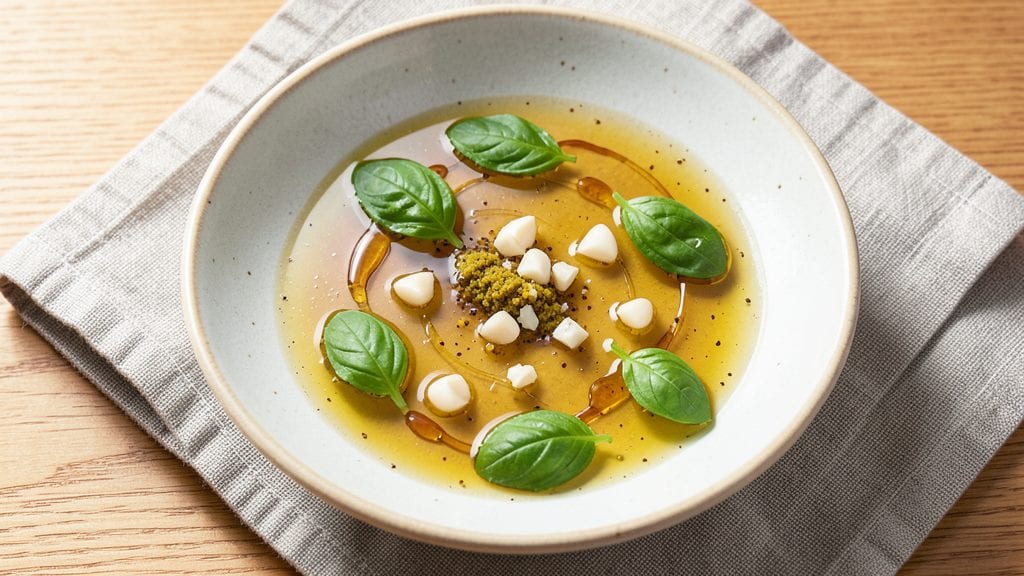
This bright tangy vinegar sauce recipe transforms simple ingredients into a versatile glaze that elevates salads, dips, and marinades with professional-level balance.
The secret lies in the precise ratio of white vinegar to olive oil—just enough acidity to cut through richness while maintaining a smooth, silky texture that clings to every bite.
I developed this formula after years of refining restaurant-style dressings at home, ensuring it works as both a bold dressing and a subtle finishing touch.
The foundation starts with high-quality white vinegar and extra-virgin olive oil, but it’s the aromatic blend of garlic, Dijon mustard, and fresh herbs that truly sets this sauce apart. What makes it foolproof is the emulsification technique—whisking vigorously to create a stable sauce that won’t separate, even when stored.
This isn’t just another vinegar drizzle; it’s a restaurant-quality condiment that stays vibrant for up to two weeks in the fridge.
By the time you’re done, you’ll have a sauce that’s equally at home drizzled over arugula salads, tossed with grilled vegetables, or served as a dip for crusty bread.
The tangy-sweet balance comes from a touch of honey or maple syrup, which rounds out the sharpness while keeping the sauce light enough to use liberally. No heavy cream or complex reductions here—just pure, bright flavor with minimal effort.
Use it immediately for freshness, or store it in a sealed jar for quick weeknight meals. The possibilities are endless: dress up roasted chicken, enhance seafood dishes, or even use it as a marinade for tenderizing meats. Let’s make this sauce your new kitchen essential.
Ingredients for vinegar sauce
Nine simple ingredients, one restaurant-quality sauce—no fancy tools needed.
| Ingredient | Amount | Notes |
|---|---|---|
| White Wine Vinegar 🍷 | ½ cup | High-quality, not balsamic |
| Extra-Virgin Olive Oil 🫒 | ½ cup | Light, fruity variety preferred |
| Dijon Mustard 🍯 | 1 tbsp | Mild or medium heat |
| Fresh Garlic Cloves 🧄 | 3 cloves | Peeled, minced fine |
| Honey 🍯 | 1 tbsp | Wildflower or clover preferred |
| Fresh Basil Leaves 🌿 | ¼ cup | Packed, stems removed |
| Salt 🧂 | ½ tsp | Fine sea salt preferred |
| Black Pepper 🌶️ | ¼ tsp | Freshly ground preferred |
| Lemon Juice 🍋 | 1 tbsp | Freshly squeezed |
The vinegar and olive oil are your base, so don’t skimp on quality. White wine vinegar should smell crisp and clean—skip anything that smells like vinegar fumes. For olive oil, grab a light, fruity variety from Trader Joe's or Whole Foods (their bulk section has great options). Fresh garlic and basil make all the difference—garlic should be firm and cloves should smell pungent, and basil leaves should be vibrant green, not yellowing. If you're short on time, dried basil works at half the amount, but fresh is worth the extra minute to chop. The honey? Wildflower or clover adds subtle floral notes that balance the acidity beautifully.
No Dijon mustard? Yellow mustard thinned with water works in a pinch, but you’ll lose some depth. Short on basil? Fresh parsley or cilantro at the same amount keeps the freshness. The honey can be swapped for maple syrup if you prefer, though it’ll be slightly sweeter. Want more tang? Add an extra tablespoon of vinegar. Need it milder? Reduce the lemon juice to 1 tsp—it’s what brightens the whole sauce. The sauce emulsifies best when whisked vigorously, but if it separates, just give it a quick shake before using. It’ll come back together every time.
This sauce keeps beautifully—up to 2 weeks in the fridge if stored in a sealed jar. For longer storage, freeze portions in ice cube trays, then transfer to a bag. Thaw at room temp or microwave for 10 seconds. The flavor actually improves after a day or two as everything melds together. I always make a double batch—one for salads, one for dipping grilled veggies. It’s the kind of sauce that disappears fast once people taste it, so plan accordingly.
Why You'll Love This Recipe
- Five-Ingredient Magic: The pantry already has these—no specialty shopping needed. I swear by this combo: the vinegar cuts through richness, the honey softens the garlic bite, and the Dijon adds that little je ne sais quoi without extra effort.
- Garlic-Kissed Umami Bomb: That raw garlic-in-oil step? Pure flavor gold. The vinegar and honey marry the sharpness into something silky and addictive—like a grown-up version of your favorite salad dressing, but way more interesting.
- Dresses Up Everything: Drizzle it over grilled chicken, toss it with roasted veggies, or use it as a marinade. Honestly, I’ve even slathered it on toast with a sprinkle of flaky salt. It’s the secret weapon I reach for when I don’t know what else to do.
- Make-Ahead Superstar: This sauce keeps for weeks in the fridge—yes, weeks—and tastes better the second day. I double the batch so I’m never scrambling for a quick flavor boost, and it’s cheaper than buying fancy dressings anyway.
Step-by-step instructions for bright tangy glaze
Here's how to make this versatile dressing that works for salads, dips, or marinades.
Whisk Together the Base Ingredients
In a medium bowl, combine the 0.5 cup white wine vinegar and 0.5 cup extra-virgin olive oil. I like to let the vinegar and oil sit together for 5 minutes before whisking—this helps the flavors meld slightly. The vinegar should be high-quality, not balsamic, for that bright, crisp acidity that cuts through rich ingredients.
Next, add the 1 tablespoon Dijon mustard and whisk vigorously until fully incorporated. The mustard adds depth and helps emulsify the sauce later. You'll see the mixture start to thicken slightly as you whisk. If you notice any separation, just keep going—this is normal with vinegar-based dressings.
Add Sweetness and Aromatics
Pour in the 1 tablespoon honey and whisk until completely dissolved. The honey balances the acidity and adds a subtle sweetness that rounds out the flavor profile. I use wildflower honey here because it has a more complex flavor than regular clover honey, but either works well.
Now add the 3 cloves fresh garlic cloves (minced fine) and whisk again until evenly distributed. The garlic should be finely minced—this prevents any large pieces that might make the sauce grainy. If you're worried about overpowering the flavor, start with just 2 cloves and adjust to taste later.
Incorporate Herbs and Seasonings
Tear the 0.25 cup fresh basil leaves (stems removed) into small pieces and add them to the bowl. Use a fork to gently press the basil into the mixture, releasing its oils and aroma. The basil gives the sauce a fresh, herbaceous note that pairs perfectly with the vinegar's tang.
Add the 0.5 teaspoon salt and 0.25 teaspoon black pepper, then give everything another good whisk. Taste the mixture at this point—you should notice the bright acidity of the vinegar, the richness of the olive oil, and the herbal notes from the basil. If it needs more salt, add it now, but don't overdo it; the vinegar is already salty.
Finish with Lemon Juice and Emulsify
Squeeze in the 1 tablespoon lemon juice and whisk one final time. The lemon juice brightens the sauce even more and adds a fresh citrus note that cuts through the richness. At this point, the sauce should be smooth and well-emulsified, with no visible separation.
If the sauce looks too thick, add 1-2 teaspoons of water and whisk again until smooth. If it's too thin, let it sit for 10 minutes—the olive oil will naturally thicken as it cools. The perfect consistency should coat the back of a spoon but still pour easily. This sauce keeps well in the fridge for up to 1 week, so make extra if you plan to use it often.
Pro Tips For Making Vinegar Sauce
- Mince That Garlic: I learned this the hard way—whole cloves in vinegar sauce taste like you skipped the step entirely. Use a knife to finely chop 3-4 cloves (no food processor, it turns bitter) and let them sit for 10 minutes before adding oil. The flavor blooms, and you’ll taste the difference.
- Whisk in Stages: Dump everything in the bowl at once and you’ll end up with a lumpy mess. Start with vinegar and oil, whisk vigorously for 30 seconds, then add mustard and honey one tablespoon at a time. The sauce emulsifies better, and you avoid that dreaded separation later.
- Skip the Cheap Vinegar: White wine vinegar isn’t all created equal—some taste like harsh solvent, others like actual wine. Spend the $5 for a good one (like Balsamic Vinegar of Modena for white wine vinegar) and halve the amount. Your sauce will taste balanced, not sour.
- Warm the Honey First: Cold honey is thick and stubborn—it clumps in the sauce and never fully incorporates. Microwave it for 10 seconds or dip the jar in warm water for 30 seconds. The sauce blends smoother, and you won’t have to fight for even consistency.
Regional styles of this vinegar sauce
Italian Vinaigrette
This classic Italian version swaps white wine vinegar for red wine vinegar and adds 1 tbsp dried oregano plus 1 tsp dried thyme for a Mediterranean twist. I like to include 1 minced shallot (instead of garlic) and 1 tsp red pepper flakes for a subtle heat.
The sauce pairs perfectly with grilled vegetables, bruschetta, or caprese salads. For extra richness, use extra-virgin olive oil from Tuscany—its peppery notes complement the vinegar beautifully. 🍅
Asian-Inspired Vinegar Sauce
Transform your glaze into an Asian-inspired sauce by replacing the honey with 1 tbsp rice vinegar and adding 1 tbsp soy sauce, 1 tsp sesame oil, and 1 tsp grated fresh ginger. Thin with 1 tbsp water and finish with 1 tsp toasted sesame seeds.
This version works wonders as a dipping sauce for spring rolls or a marinade for tofu. For a sweeter touch, swap in 1 tsp honey or maple syrup. 🥢
Southern-Style Hot Sauce
For a bold Southern kick, blend ½ cup apple cider vinegar with ¼ cup hot sauce (like Crystal or Tabasco), 1 tbsp brown sugar, and 1 tsp smoked paprika. Add 1 minced jalapeño for extra heat and a touch of liquid smoke for depth.
This sauce is perfect for drizzling over fried chicken, pulled pork, or corn on the cob. Store in a glass jar in the fridge for up to 3 weeks—the flavors intensify over time. 🔥
French Mustard Vinaigrette
Inspired by classic French cuisine, this version uses white wine vinegar with 2 tbsp Dijon mustard, 1 tsp whole-grain mustard, and 1 tsp cornichons (finely chopped). Add 1 tsp fresh tarragon and 1 tsp shallot for a refined touch.
This elegant sauce elevates salmon, duck, or goat cheese dishes. For extra sophistication, strain out the tarragon stems before serving. 🥖
Mexican Lime Crema
Give your vinegar sauce a Mexican makeover by blending ½ cup white vinegar with ½ cup sour cream, 2 tbsp lime juice, 1 tsp cumin, and ½ tsp chili powder. Thin with 2 tbsp water if needed.
This creamy, tangy sauce is ideal for tacos, grilled fish, or as a dip for chips. For a smoother texture, whisk in 1 tbsp olive oil at the end. 🌶️
Japanese Ponzu-Inspired Glaze
For a Japanese-inspired twist, mix ½ cup white vinegar with 2 tbsp soy sauce, 1 tbsp mirin, 1 tsp grated ginger, and 1 tsp grated daikon radish. Add 1 tsp sesame oil and 1 tsp toasted sesame seeds for depth.
This glaze is fantastic for drizzling over sushi, grilled fish, or even as a marinade for chicken. The umami-rich flavors make it a standout in any dish. 🍣
Nutrition facts
Frequently asked questions
Can I use apple cider vinegar instead of white wine vinegar?
Yes, but the flavor will be slightly different. Apple cider vinegar adds a mild sweetness and deeper complexity, making it great for Southern-style or marinade applications. For a classic bright tang, stick with white wine vinegar, but apple cider works beautifully in grilled vegetable glazes or meat marinades.
How do I fix a separated vinegar sauce?
Simply whisk vigorously for 30-60 seconds—the emulsion will reform. If it still separates, add 1 tsp Dijon mustard or 1 tsp honey and whisk again. For stubborn separation, blend with an immersion blender. The sauce should stabilize once cooled.
Is this sauce safe for raw seafood?
Yes, but only if the seafood is properly handled. The acidity of vinegar helps tenderize proteins, but always use fresh, sushi-grade fish and serve immediately. For extra safety, marinate seafood for no more than 15 minutes before cooking. Never reuse leftover sauce on raw proteins.
Can I make this sugar-free?
Replace the honey with 1 tbsp sugar-free maple syrup or 1 tsp stevia (adjust to taste). For a completely sugar-free version, omit the sweetener entirely—the vinegar and lemon already provide balance. The sauce will be sharper but still delicious.
What’s the best way to store leftovers?
Transfer to an airtight glass jar and refrigerate for up to 2 weeks. The sauce actually improves as flavors meld. For longer storage, freeze in ice cube trays—thaw in the fridge overnight. Avoid metal spoons (they react with acidity) and always stir before using.