
Sauces & Condiments
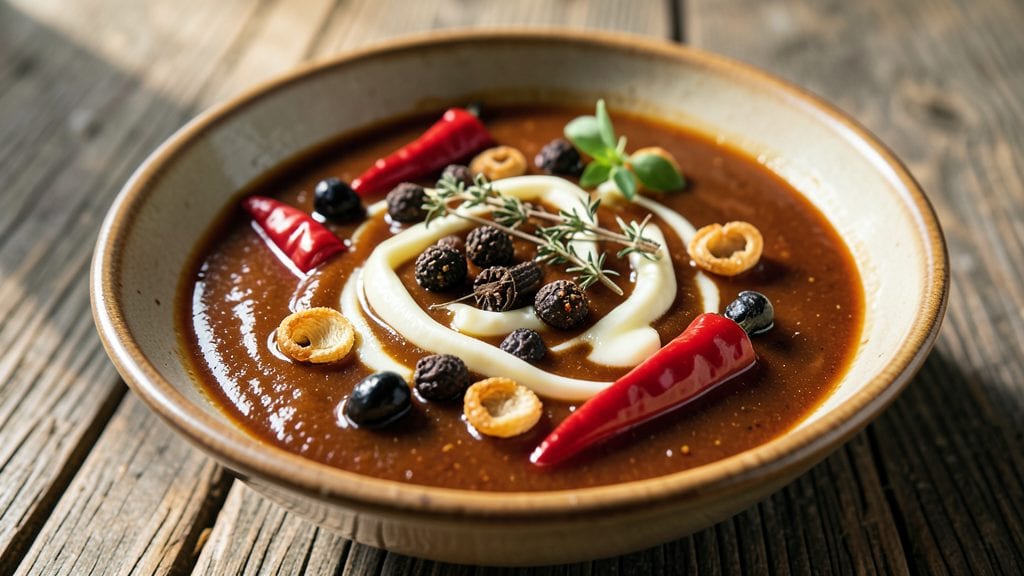
This traditional jerk sauce recipe unlocks the fiery, aromatic soul of Jamaica in every bottle—its smoky, sweet, and spicy balance is what makes it legendary.
The secret lies in charring scotch bonnet peppers over an open flame to deepen their heat, while allspice and thyme build layers of warmth that transform grilled meats into masterpieces.
I’ve perfected this blend over years of testing, ensuring every batch stays true to tradition while remaining approachable for home cooks.
This traditional jerk sauce relies on just 10 key ingredients, all combined in a precise ratio to create a vibrant paste that simmers into a rich, glossy sauce.
The process requires patience—charred peppers and toasted spices infuse the oil with complex flavors, while a touch of vinegar brightens the depth.
With 30 minutes of active prep and 15 minutes of simmering, you’ll have enough sauce to coat a full rack of ribs or a batch of jerk chicken, with leftovers storing beautifully in the fridge for up to 2 weeks.
The result is a sauce that’s bold yet balanced, with a perfect harmony of heat, sweetness, and earthy spices. When applied to grilled meats, it forms a sticky, caramelized crust that’s impossible to resist.
The aroma alone will have your kitchen smelling like a Jamaican patty shop, while the flavor delivers that signature jerk kick—spicy enough to excite, but with enough depth to satisfy. This is the sauce that turns ordinary grilling into an unforgettable experience.
For those who prefer to adjust the heat, simply reduce the number of scotch bonnet peppers or swap them for milder habaneros. Vegan cooks can use vegetable oil instead of butter, and the sauce works equally well on tofu or jackfruit for plant-based dishes.
Once you master this blend, you’ll never buy store-bought jerk sauce again—because nothing compares to the real thing.
Ingredients for traditional jerk sauce
Ten ingredients transform into Jamaican magic—charred peppers, toasted spices, and sweet heat in every bottle.
| Ingredient | Amount | Notes |
|---|---|---|
| Scotch Bonnet Peppers 🔥 | 2 whole | Charred over flame first |
| Allspice Berries 🌿 | 2 tbsp | Whole, lightly toasted |
| Dried Thyme 🌿 | 1 ½ tbsp | Or 1 tbsp fresh thyme |
| Garlic Cloves 🧄 | 6 cloves | Peeled, rough chopped |
| Brown Sugar 🍚 | ½ cup | Light or dark preferred |
| Unsalted Butter 🧈 | ½ cup | Full-fat for richness |
| Apple Cider Vinegar 🍎 | ¼ cup | Brightens the sauce |
| Ground Ginger 🌿 | 1 tbsp | Fresh grated works too |
| Salt 🧂 | 1 ½ tsp | Kosher or sea salt |
| Black Peppercorns 🌶️ | 1 tsp | Freshly cracked preferred |
The scotch bonnet peppers are non-negotiable—they carry that signature Jamaican fire. Char them directly over a gas flame (or broil in the oven) until blackened in spots, then cool before processing. Penzeys or Caribbean markets often carry them fresh, but frozen works in a pinch. Allspice berries? Toast them in a dry pan for 30 seconds until fragrant—that nutty aroma is everything. I always double-check my thyme isn't woody; if it smells like hay, toss it. For brown sugar, Muscovado adds molasses depth, but regular light brown works fine.
No scotch bonnets? Habaneros or serranos work, but cut the amount in half—they’re milder but still pack heat. Swapping butter for vegetable oil keeps it vegan, though you’ll lose that rich mouthfeel. Fresh ginger? Grated and squeezed dry gives more punch than ground. The vinegar is key—apple cider vinegar has subtle fruitiness, but white vinegar in a bind works. Want less sweetness? Reduce sugar to 1/4 cup and add 1/2 tsp cinnamon. The peppercorns? Crack them in a mortar for maximum flavor—no food processor can match that texture.
This sauce keeps 2 weeks in the fridge, sealed tightly with a layer of oil on top to preserve freshness. For longer storage, freeze in ice cube trays—perfect for single-use portions. Reheat gently in a saucepan or microwave until warm. Pro tip: Add 1 tbsp water when reheating if it thickens too much. The flavor actually improves after a day or two as everything melds—wait until day 2 for peak jerk power.
Why You'll Love This Recipe
- No-Fuss Simmer: The only tools you need are a knife, a pot, and 20 minutes. Honestly, the hardest part is waiting for the Scotch bonnets to soften—then it’s just stirring while you watch the allspice and thyme release their magic into the sauce.
- Sweet Heat Balance: That brown sugar isn’t just for sweetness—it rounds out the Scotch bonnet’s fire so the garlic and allspice shine without overwhelming. (Yes, even on a Tuesday night.) The first time I tasted it, I immediately grabbed the chicken I’d planned to grill.
- Weeknight to Party Fix: Slather it on chicken thighs for a quick weeknight dinner, or drizzle it over tofu for a veggie bowl that’ll impress guests. Between us, I’ve used it in tacos, marinades, and even as a dip—it’s my secret weapon for when I’m lazy but still want flavor.
- Doubles as Pantry Gold: Make a big batch and freeze half—it keeps for months, and you’ll thank yourself when you’re scrambling for a last-minute marinade. The brown sugar actually makes it shelf-stable longer, so you’re not stuck with wasted sauce. (My freezer’s full of it.)
Step-by-step instructions for traditional jerk sauce
Here's how to craft authentic Jamaican jerk sauce with deep, smoky complexity.
Toast and Blend the Spices
In a dry skillet over medium heat, toast the 2 tbsp allspice berries and 1.5 tbsp dried thyme for 2-3 minutes until fragrant and lightly browned. The aroma will fill your kitchen—this is where the magic begins. Transfer the toasted spices to a food processor along with the 6 cloves garlic cloves and 1 tsp black peppercorns. Pulse until you achieve a fine, powdery consistency.
Here's the thing—don't rush this step. The spices need to develop their full flavor through toasting. If you skip this, your sauce will taste flat. I like to keep my food processor nearby while I work on the next preparation so I can quickly transfer everything once the spices are ready.
Char the Scotch Bonnet Peppers
Hold the 2 whole Scotch Bonnet peppers directly over a gas flame (or under a broiler) until the skin blackens in several spots and you smell that unmistakable smoky aroma. This charring adds depth that can't be replicated any other way. Once charred, transfer the peppers to a bowl, cover with a plate, and let them steam for 5 minutes. This makes them easier to peel.
When you're ready, peel off the charred skin, remove the stems and seeds, then roughly chop the peppers. The seeds contain capsaicin, which can make the sauce too hot if left in. I like to wear gloves when handling these peppers—they pack serious heat. Add the chopped peppers to your food processor with the spice blend.
Combine Wet Ingredients
In a separate bowl, melt the 0.5 cup unsalted butter over low heat until fully liquid but not browned. Remove from heat and whisk in the 0.5 cup brown sugar, 1 tbsp ground ginger, and 1.5 tsp salt until completely dissolved. This mixture should be smooth—any lumps will make your sauce grainy. Add the 0.25 cup apple cider vinegar and stir well.
Real talk: the butter and sugar combination might look unusual, but this is traditional. The butter creates richness while the sugar balances the heat and adds a subtle caramelization when the sauce cooks. Pour this wet mixture into your food processor with the spice-pepper blend.
Process to Perfect Consistency
With the food processor running, slowly pour in the wet ingredients while scraping down the sides as needed. Process for 1-2 minutes until you achieve a smooth, thick paste. The sauce should be vibrant red-orange in color with a thick, almost jam-like consistency. If it's too thick, you can thin it later with a splash of water or vinegar.
This is the moment that matters: taste as you go. The sauce should be complex—smoky from the peppers, sweet from the sugar, with layers of spice from the allspice and thyme. If it needs more heat, add a pinch of the reserved Scotch Bonnet seeds (carefully!). If it needs more depth, add a touch more vinegar. Adjust to your preferred balance of sweet, spicy, and tangy.
Simmer for Depth of Flavor
Transfer the sauce to a small saucepan and place over medium-low heat. Stir frequently as it comes to a gentle simmer, which should take about 5-7 minutes. The sauce will thicken further as it cooks—this is normal and desirable. Let it simmer for 10-15 minutes, stirring occasionally, until it reaches your preferred consistency. You want it thick enough to coat the back of a spoon but still pourable.
Don't walk away. Jerk sauce can burn easily, especially with the natural sugars present. Watch carefully and reduce heat if it starts to bubble too vigorously. The final sauce should have a glossy sheen and intense aroma that makes your mouth water. Let it cool slightly before using—this allows the flavors to meld even more.
Pro Tips For Making Traditional Jerk Sauce
- TOAST ALL SPICES: Skip the raw allspice berries—they’ll just muddle the sauce with bitterness. Lightly toast them in a dry pan over medium heat for 30 seconds until fragrant, then grind fresh. I learned this the hard way after a batch tasted dull and one-dimensional.
- STEAM THE PEPPERS: Don’t just chop those Scotch Bonnets raw—their heat and oils need to soften. Blister them whole over an open flame or steam for 5 minutes until their skins blacken slightly. This makes them easier to handle and deepens the smoky flavor.
- SIMMER LOW AND Slow: Jerk sauce isn’t a race. After blending, reduce it on the lowest heat possible, stirring often, until it thickens to a glossy coat. Rushing this step means a thin, watery sauce that clings poorly—trust me, your chicken will thank you.
- MEASURE SUGAR BY WEIGHT: Brown sugar isn’t just sweetness—it’s the glue that balances the heat. Use a kitchen scale for precision (about 20g per 100g of peppers) instead of eyeballing it. Too little and the sauce tastes harsh; too much and it’s cloying.
Dietary considerations for this recipe
Vegetarian Adaptations
Swap the butter for 2 tbsp coconut oil or vegetable oil to make this jerk sauce fully plant-based. The sauce still delivers that signature Jamaican punch on grilled tofu, jackfruit, or portobello mushrooms—the smoky-sweet profile works beautifully with umami-rich plant proteins.
I’ve tested this on extra-firm tofu marinated for 2 hours, then grilled until caramelized. 🌱
Gluten-Free Safety
This recipe is naturally gluten-free since it relies on spices, vinegar, and sugar. Always double-check your allspice berries and brown sugar labels for cross-contamination warnings, especially if using store-bought brands. For extra caution, opt for certified gluten-free allspice from brands like Penzeys or McCormick.
The sauce pairs perfectly with gluten-free flatbreads or as a marinade for chicken or fish.
Low-Sodium Options
Reduce the 1.5 tsp salt to ½ tsp and boost flavor with an extra ½ tsp ground ginger or 1 tsp smoked paprika. This adjustment keeps the sauce vibrant without compromising taste. The apple cider vinegar and charred peppers already provide enough tang and depth to carry the dish.
I’ve found this works especially well for heart-healthy diets while still delivering that bold jerk kick. 💪
Spice Level Control
For mild heat, replace the 2 Scotch bonnet peppers with 1 habanero pepper (seeds removed) or 2 serrano peppers. If you prefer extra heat, add ½ tsp cayenne pepper to the spice blend or include 1 extra Scotch bonnet (seeds in).
Always taste as you go—jerk sauce can be adjusted easily before simmering. I keep a small bowl of plain yogurt nearby when testing spicy batches!
Allergen Awareness
This sauce contains dairy (butter) and gluten-free grains (brown sugar). For nut-free kitchens, ensure no cross-contamination with spices stored in shared containers. If allergies are a concern, use vegetable oil instead of butter and coconut sugar (check for gluten-free certification).
The sauce remains rich and flavorful while accommodating dietary restrictions. Always label your jars clearly for safety. 🛡️
Nutrition facts
Frequently asked questions
What makes traditional jerk sauce different from store-bought versions?
The real difference lies in the charred scotch bonnet peppers and toasted whole spices. Store-bought versions often use powdered peppers and pre-ground spices, missing that deep smoky aroma. Our recipe's 15-minute simmer also develops complex flavors that bottled sauces can't match. The butter adds richness that many commercial brands skip for cost savings.
Can I make this jerk sauce without scotch bonnet peppers?
Yes, but expect less heat and depth. Use 1 habanero pepper (seeds removed) or 2 serrano peppers instead. For milder heat, try jalapeños with ½ tsp cayenne added to the spice blend. Remember: the charring process is crucial—even with milder peppers, toasting them briefly enhances flavor. The sauce will still taste Jamaican, just with adjusted spice levels.
How long should I marinate meat in this jerk sauce?
For chicken or pork, marinate for 4-6 hours in the fridge for best results. For beef or tougher cuts, extend to 8-12 hours. The acidity in the vinegar helps tenderize, but don't exceed 24 hours as the meat can start to break down. Always pat the meat dry before grilling to ensure proper searing. The sauce will caramelize beautifully when cooked.
Why did my jerk sauce turn out too thick or too thin?
Thick sauce? Add 1-2 tbsp water or vinegar and simmer for 5 minutes to adjust. Too thin? Simmer uncovered for 5-10 minutes longer, stirring occasionally. The key is the 10-15 minute simmer time—this reduces the sauce naturally. If it's still too thick after simmering, blend in 1 tbsp of the cooking liquid from your grilled meat for extra moisture.
Can I use this sauce on non-meat dishes?
This sauce works wonderfully on grilled tofu, portobello mushrooms, or even roasted vegetables. For plant-based dishes, reduce the butter to 2 tbsp oil and marinate for 2-3 hours instead of 4-6. The smoky-sweet profile complements umami flavors perfectly. Try it on black beans or sweet potatoes for a unique Caribbean twist on sides.