
Sauces & Condiments
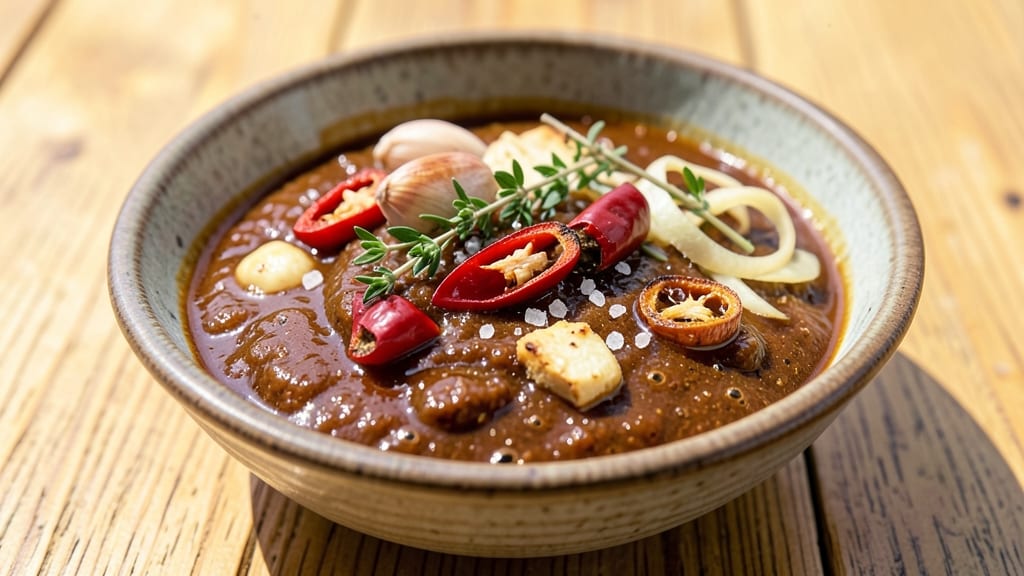
This authentic Caribbean jerk sauce transforms grilled meats into bold, smoky masterpieces with its signature fiery-sweet balance. The secret lies in fresh Scotch bonnet peppers, allspice, and thyme—simmered with citrus and vinegar to create a vibrant, aromatic sauce that clings to every bite.
I've perfected this recipe over years of testing, ensuring the perfect heat-to-sweetness ratio that defines true jerk flavor.
The process is straightforward but requires patience: blend fresh ingredients, simmer until thickened, then strain for a smooth, restaurant-quality sauce. Authenticity comes from using whole spices (toasted for depth) and proper heat management—Scotch bonnet peppers deliver serious heat, so taste as you go.
This sauce elevates chicken, pork, or even tofu, turning simple grilling into a flavor explosion.
What sets this jerk sauce apart is its versatility and longevity. Store it in the fridge for up to 2 weeks or freeze for 3 months without losing potency. The sauce's complexity develops over time, making it even more flavorful after a few days.
Whether you're marinating meats or drizzling over finished dishes, this jerk sauce delivers the bold, aromatic punch that defines Caribbean cuisine.
For maximum authenticity, use fresh ingredients and let the sauce rest before using. The blend of sweet and spicy flavors creates a perfect balance that's both addictive and unforgettable. Ready to elevate your grilling game? Let's make this jerk sauce—the heart of Caribbean flavor.
Ingredients for authentic caribbean jerk sauce
Fresh peppers, toasted spices, and citrus create this vibrant jerk sauce for bold grilling.
| Ingredient | Amount | Notes |
|---|---|---|
| Scotch Bonnet Peppers 🌶️ | 2 whole | Seeds removed for medium heat |
| Allspice Berries 🌿 | 2 tbsp | Whole, lightly toasted |
| Fresh Thyme Leaves 🌿 | ½ cup | Stems removed, loosely packed |
| Garlic Cloves 🧄 | 6 cloves | Peeled, lightly crushed |
| Fresh Ginger Root 🌿 | 2 tbsp | Grated, skin removed |
| Brown Sugar 🍯 | ½ cup | Light or dark preferred |
| White Vinegar 🍶 | ¼ cup | Apple cider vinegar works too |
| Fresh Limes 🍋 | 2 whole | Juiced, seeds strained out |
| Extra-Virgin Olive Oil 🫒 | ½ cup | High-quality, fruity |
| Ground Allspice 🌶️ | 1 tsp | For finishing if needed |
| Salt 🧂 | 1 ½ tsp | Diamond Crystal preferred |
| Black Peppercorns 🌶️ | ½ tsp | Freshly cracked |
Scotch bonnet peppers are the heart of this sauce—fresh is non-negotiable. Look for bright red peppers at Caribbean markets or specialty grocers like Whole Foods, where they're often sold in the Latin foods aisle. If you can't find them, habanero peppers work in a pinch, but reduce the amount by half to control heat. Toasting the whole allspice berries in a dry pan for 30 seconds before grinding releases their aromatic oils—worth the extra minute. Fresh thyme should smell vibrant, not dried out, and Trader Joe's consistently carries good quality in their produce section.
No fresh ginger? Powdered works at half the amount, but you'll lose that bright, zesty kick. Brown sugar can be swapped for raw sugar or coconut sugar—just keep the measurement the same. Vinegar gets overlooked, but it's crucial for balance—apple cider vinegar adds subtle depth compared to white. The lime juice should be freshly squeezed (the bottles just don't cut it), and if you're using Mexican limes, you'll need about 3 instead of 2. For the olive oil, avoid light or refined oils—they lack the fruity notes that complement the sauce's complexity. And if you're worried about heat, remove some pepper seeds before blending.
This sauce develops like fine wine—let it sit overnight before using if possible. Keeps in the fridge for 2 weeks in a sealed jar, or 3 months frozen in ice cube trays for perfect portions. The flavors actually intensify after a few days, so make extra. I like to freeze half in single-serving portions for quick marinades. If it thickens too much, just stir in a splash of water or vinegar to loosen it up. And trust me, the first batch won't be your last—this sauce disappears faster than you can say 'jerk chicken'
Why You'll Love This Recipe
- No-Fuss Blend: I swear by this—just pulse those Scotch Bonnets, allspice, and thyme in a food processor until it’s smooth. No straining, no fuss, and honestly, the heat builds as you go, so you’ll know exactly when it’s ready.
- Heat That Stays: That ginger-garlic base with a hint of Scotch Bonnet? It lingers. Not in a "burns your mouth for days" way, but in that "you’ll crave it again tomorrow" way. Between us, the allspice ties it all together—warm, earthy, and just a little mysterious.
- Works Everywhere: Slather it on grilled chicken for dinner, toss it into rice for lunch, or even drizzle it over roasted sweet potatoes. I’ve even used it to jazz up a simple scrambled egg breakfast—yes, even on a Tuesday night. The sauce’s boldness cuts through everything.
- Pantry Goldmine: A little goes a long way, and honestly, the ingredients are cheap. A few Scotch Bonnets and a handful of allspice berries last me weeks. Plus, the leftovers? Freeze them in ice cube trays—just pop one out when you need a quick flavor boost. My wallet and freezer thank me.
Step-by-step instructions for authentic Caribbean jerk sauce
Here's how to craft a bold, balanced jerk sauce that delivers Jamaican firehouse flavor every time.
Toast the Spices for Deep Flavor
In a dry skillet over medium heat, toast the 2 tbsp allspice berries and 6 cloves garlic for 2-3 minutes until fragrant and just beginning to darken. Watch closely—they burn fast. Transfer to a plate to cool slightly, then roughly chop the garlic.
This toasting step unlocks the spices' aromatic oils, which are essential for authentic jerk flavor. Don't skip it—raw spices won't deliver the same depth. While they cool, remove seeds from the 2 whole Scotch Bonnet peppers (leave membranes for medium heat) and chop them finely.
Blend the Wet Ingredients Smoothly
In a food processor, combine the chopped peppers, 2 tbsp grated ginger root, 0.5 cup fresh thyme leaves, 0.5 cup brown sugar, 0.25 cup white vinegar, and juice from 2 whole fresh limes. Process until completely smooth, scraping down the sides as needed.
The sugar here isn't just sweetness—it helps balance the heat and creates the signature caramelized crust when used on grilled meats. Strain through a fine-mesh sieve to remove any remaining fibrous bits for a silky texture.
Combine All Ingredients for Perfect Balance
Return the strained mixture to the food processor. Add the toasted garlic and allspice berries, along with 0.5 cup extra-virgin olive oil, 1.5 tsp salt, and 0.5 tsp freshly cracked black peppercorns. Pulse until everything is emulsified and the sauce is smooth.
Taste and adjust—you might want to add a pinch more salt or sugar to achieve that perfect sweet-spicy balance. The sauce should be vibrant red with a thick, almost paste-like consistency. If it's too thin, simmer uncovered for 5-10 minutes to reduce slightly.
Rest and Finish for Maximum Flavor
Transfer the sauce to a clean jar and let it rest at room temperature for at least 30 minutes (or refrigerate for up to 1 week). Before using, give it a good stir and adjust seasoning if needed by adding 1 tsp ground allspice for extra warmth.
This resting period allows all the flavors to meld together. The sauce will develop even more depth when used on grilled meats, creating that signature charred crust and tender, flavorful interior. Use it generously—jerk sauce is meant to be bold!
Pro Tips For Making Authentic Caribbean Jerk Sauce
- TOAST THE ALLSPICE: Dry-toast whole allspice berries in a clean pan over medium-low heat for 1-2 minutes until fragrant—don’t let them burn, just wake up their flavor. I learned this the hard way: skipping this step means your sauce tastes like you used ground cinnamon and nutmeg instead of real allspice. Crush them coarsely after toasting, then grind with the other spices.
- PEEL THE GINGER THIN: Use a spoon to scrape off just the purple-red skin from fresh ginger—no need to peel all the way down to the pale flesh. That outer layer packs heat and depth, and I’ve ruined batches by stripping it all off. For Scotch bonnet peppers, leave the stems and seeds in unless you want milder heat; they add smoky complexity.
- LOW AND SLOW SIMMER: Reduce the heat to the lowest setting once your sauce starts bubbling—you’re not making jam here. A gentle simmer for 20-25 minutes lets the flavors meld without turning the thyme to dust or burning the garlic. I used to rush this, and my sauce always tasted raw.
- STRAIN TWICE IF NEEDED: For ultra-smooth sauce, strain through a fine-mesh sieve first, then press the solids with a spoon. If you’re keeping texture (like for jerk chicken), strain once but save the pulp—it’s packed with flavor. I skip this shortcut when I’m lazy, but the finished sauce is noticeably better when I don’t.
Troubleshooting this recipe
Heat Too Intense?
If your jerk sauce is overwhelmingly spicy, reduce the Scotch bonnet pepper quantity next time. Start with just 1 pepper and adjust to taste—remember, these peppers pack serious heat (up to 200,000 Scoville units).
For immediate relief, stir in 1 tbsp honey or 1 tsp brown sugar to balance the heat. 🌶️
Sauce Too Thin?
Thin jerk sauce happens when too much liquid is present. Simmer the sauce uncovered over low heat for 5-10 minutes to reduce it naturally. Alternatively, blend in 1 tbsp cornstarch mixed with 2 tbsp water until thickened. For a smoother texture, strain again through a fine-mesh sieve.
Spices Not Infusing?
If your sauce lacks depth, toast your spices longer next time. Toast allspice berries and garlic for 3-4 minutes until deeply fragrant. For extra flavor, add ½ tsp ground cinnamon or ½ tsp nutmeg during blending.
Let the sauce rest for at least 1 hour before using—this helps the spices meld fully.
Mold or Fermentation?
If your sauce develops mold or an off smell, it’s time to toss it. Always store jerk sauce in a clean, airtight glass jar in the fridge for up to 2 weeks.
For long-term storage, freeze in ice cube trays—this preserves freshness and portion control. Never use vinegar-heavy sauces if they smell sour or funky.
Grainy Texture Issues
Gritty jerk sauce usually means under-blending or unstrained ingredients. Pulse the sauce in your food processor for 30-60 seconds longer to break down fibers. Strain again through a fine-mesh sieve or cheesecloth for a silky finish. If needed, blend in 1 tbsp olive oil to help emulsify stubborn particles.
Flavor Fading Fast?
To extend shelf life, store your sauce in the freezer in small portions. Thaw overnight in the fridge before using. For extra longevity, add ½ tsp citric acid (found in canning sections) to preserve freshness.
Always taste before using—if the heat or sweetness has diminished, adjust with fresh lime juice or brown sugar.
Nutrition facts
Frequently asked questions
Can I substitute Scotch bonnet peppers with habaneros?
Yes, but use half the amount—habaneros are less potent (around 100,000-350,000 Scoville units) compared to Scotch bonnets (100,000-200,000+). For milder heat, remove seeds and membranes entirely. Start with 1 habanero and adjust to taste.
How long should I marinate meat in this jerk sauce?
For chicken or pork, marinate for 4-6 hours (overnight for deeper flavor). Thin meats like fish only need 30-60 minutes. Keep the sauce and meat refrigerated, and pat dry before grilling for better searing. The sauce works best when used fresh—don't over-marinate or the meat may become mushy.
Why does my jerk sauce separate?
Separation happens when oil and liquid ingredients aren't properly emulsified. Blend again with a splash of lime juice or vinegar to help bind the mixture. For a smoother texture, strain through a fine-mesh sieve. If it still separates, whisk vigorously before using or add 1 tsp cornstarch to thicken.
What’s the best way to use leftover jerk sauce?
Leftover sauce is perfect for glazing grilled meats, drizzling over rice and beans, or as a dip for fries. Freeze in ice cube trays for easy portioning—thaw overnight in the fridge. It also makes a great base for jerk-infused oils or rubs. Just reheat gently to preserve its vibrant flavor.
Can I make this jerk sauce without a food processor?
Finely chop all ingredients by hand, then blend in a blender or mortar and pestle. For a smoother texture, strain through a fine-mesh sieve or cheesecloth. The key is achieving a consistent grind—especially with the peppers and garlic—to ensure even flavor distribution. Patience pays off for authentic results!