
Sauces & Condiments
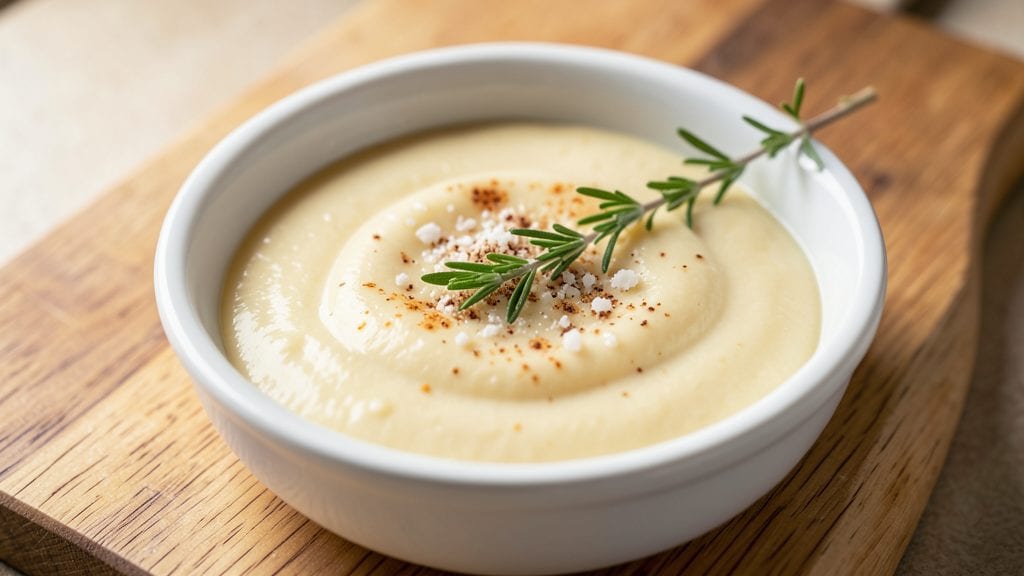
Mastering traditional béchamel sauce transforms ordinary dishes into restaurant-quality creations—this velvety roux foundation is the secret behind perfect mac and cheese, lasagna, and gratins.
The key lies in patience: cooking butter and flour until golden brown creates a rich base that blends seamlessly with warm milk, eliminating lumps and achieving that signature silky texture. I’ve perfected this technique over years of testing, and once you try it, you’ll never go back to store-bought versions.
The process begins with a light brown roux—never dark, or you’ll taste bitterness—then tempering the milk slowly to prevent curdling. This method ensures a smooth, velvety sauce that coats ingredients perfectly, whether you’re layering it in baked dishes or using it as a creamy glaze.
The result is a foolproof foundation that elevates any recipe requiring richness and depth, with just the right balance of buttery flavor and subtle nuttiness from the flour.
What sets this traditional béchamel apart is its versatility—use it as-is for classic applications or transform it into Mornay by adding cheese. The sauce thickens beautifully when reheated, making it ideal for meal prep, and its neutral flavor lets other ingredients shine.
Once you’ve made this sauce, dishes like mac and cheese, croquettes, or even soups will taste like they came from a professional kitchen.
Ready to elevate your cooking? This recipe delivers professional results with simple ingredients and precise technique. Let’s get started on creating the perfect velvety base for your next culinary masterpiece.
Ingredients for traditional bechamel sauce
Six core ingredients, precise technique—this is the professional's approach to velvety béchamel.
| Ingredient | Amount | Notes |
|---|---|---|
| Unsalted Butter 🧈 | ½ cup | Cold, cubed for even cooking |
| All-Purpose Flour 🌾 | ½ cup | Sifted for smooth texture |
| Whole Milk 🥛 | 2 cups | Warmed to 160°F for blending |
| Diamond Crystal Kosher Salt 🧂 | ½ tsp | Fine grain for delicate seasoning |
| Freshly Ground White Pepper 🌶️ | ¼ tsp | Subtle warmth without color |
| Nutmeg 🌿 | ¼ tsp | Freshly grated for aromatic depth |
| Heavy Cream 🥛 | ¼ cup | Optional for extra richness |
| Freshly Squeezed Lemon Juice 🍋 | 1 tbsp | Brightens finished sauce |
The butter and flour form the foundation, so high-quality unsalted butter is non-negotiable—European-style brands like Plugrá or Kerrygold deliver superior flavor. For flour, Bread flour yields a slightly thicker roux, but all-purpose works perfectly for classic applications. Cook the butter slowly over medium heat until it achieves a light golden hue—this is your cue to whisk in the flour. The goal is a nutty aroma without browning, which signals the roux is ready. Professional kitchens use a thermometer to monitor at 350°F for consistency, but visual cues work for home cooks.
No whole milk? 2% milk with an extra splash of heavy cream maintains the same velvety texture. Substituting salted butter? Reduce the kosher salt to 0.25 tsp to avoid over-seasoning. The nutmeg should be freshly grated—pre-ground loses potency quickly, and the difference is noticeable. For a dairy-free version, unsweetened almond milk works but requires 1 tbsp cornstarch to achieve proper thickness. The lemon juice is optional but recommended—it brightens the sauce's richness, especially when used in dishes like mac and cheese or gratins.
Freshly prepared béchamel thickens as it cools, so reheat gently with a splash of milk to restore its silky consistency. Store in an airtight container in the refrigerator for up to 5 days, or freeze in 1-cup portions for up to 3 months. For meal prep, portion into ramekins before freezing—they thaw perfectly for last-minute applications. The sauce reheats beautifully, making it ideal for layering in baked dishes or drizzling over soups and vegetables.
Why You'll Love This Recipe
- Pantry Magic: I swear by this sauce because it’s all in your pantry—no fancy ingredients, just butter, flour, and milk. That’s it. No last-minute grocery runs, no stress. The moment I realized I could make this with what I already had, my weeknight dinners got a lot easier.
- Velvet Smooth: The slow whisking over low heat? That’s what turns this into pure comfort. You’re not just making a sauce—you’re building layers of creaminess that cling to pasta, casseroles, or grilled chicken like a dream. Honestly, the first time I tasted it, I wondered why I’d ever bought store-bought.
- Endless Upgrades: This isn’t just for lasagna. I use it under baked fish, in creamy soups, or even as a dip for veggies. Between us, it’s my secret weapon for turning simple meals into something that feels special—no extra effort, just better flavor.
- Budget Stretch: A stick of butter, a bag of flour, and milk? That’s cheaper than takeout and lasts for days. I’ll be real: I’ve had this sauce sitting in my fridge for five days, and it’s still rich and usable. Plus, it’s the kind of thing that makes even basic meals taste like you put in hours of work.
Step-by-step instructions for traditional bechamel sauce
Master this classic French foundation with precise technique and patience.
Create the Roux Foundation
In a medium saucepan, melt the 0.5 cup unsalted butter over medium-low heat. Once fully melted and clear, immediately whisk in the 0.5 cup all-purpose flour to form a smooth paste. This is your roux—the backbone of bechamel—and it must cook undisturbed for 2-3 minutes until it turns a pale golden color.
Here's the thing—if you rush this step, you'll develop a raw flour taste. Stir constantly with a wooden spoon or silicone spatula, breaking up any lumps as they form. The moment the roux smells nutty and looks like wet sand, it's ready for the milk. This transformation takes focus, but it's worth every second to ensure that velvety texture.
Gradually Incorporate Warm Milk
Slowly pour in the 2 cups whole milk while whisking vigorously to prevent lumps from forming. The key is patience—add the milk in a thin, steady stream rather than all at once. Once fully incorporated, increase heat to medium-low and continue cooking for 5-7 minutes, stirring constantly.
Watch for the sauce to thicken gradually—it should coat the back of a spoon but still flow smoothly. If it thickens too quickly, reduce heat immediately. The milk should never boil, as this creates lumps. Here's what I do: I like to keep the sauce moving with a figure-eight motion, ensuring even heat distribution. This prevents scorching and guarantees a silky finish.
Season and Refine the Sauce
Once the sauce reaches a smooth, thick consistency, reduce heat to low and stir in the 0.5 tsp diamond crystal kosher salt, 0.25 tsp freshly ground white pepper, and 0.25 tsp nutmeg. Let the mixture simmer gently for 2-3 minutes to allow the flavors to meld. The nutmeg should add subtle warmth without overpowering, while the white pepper provides depth without color.
For that final touch, whisk in the 0.25 cup heavy cream and 1 tbsp freshly squeezed lemon juice. This brightens the sauce and adds a luxurious richness. Taste and adjust seasoning if needed—traditional bechamel should be delicate, with just enough salt and pepper to enhance, not dominate. The lemon juice is particularly important; it cuts through the richness and balances the flavors perfectly.
Finish and Use Immediately
Remove the sauce from heat and let it rest for 2-3 minutes to allow any residual starch to fully hydrate. This resting period is crucial—it ensures the sauce reaches its ideal consistency. If it thickens too much while resting, whisk in 1-2 tablespoons of warm milk to loosen it slightly.
Traditional bechamel is best used immediately, whether it's layered under baked mac and cheese, used as a base for creamy soups, or served alongside roasted meats. The sauce should be smooth, velvety, and free of lumps. If you notice any graininess, strain it through a fine-mesh sieve for a flawless finish. This sauce is the difference between good and extraordinary—don't rush the process.
Pro Tips For Making Traditional Bechamel Sauce
- Whisk Like You Mean It: The roux is where bechamel makes or breaks. If you’re stirring lazily with a wooden spoon, stop—grab a whisk and work that butter and flour like you’re mixing paint. I used to rush this, and my sauce would clump like lumpy glue. Keep it moving constantly, especially in the first 2 minutes, or you’ll regret it later.
- Use Cold Milk: Pouring warm milk into your roux is a fast track to greasy, broken sauce. Grab the coldest milk from the fridge—yes, even if you’re impatient—and add it slowly, a ladle at a time, while whisking like your life depends on it. The shock of cold milk tightens the emulsion, and your sauce will thicken smoothly instead of curdling like spoiled yogurt.
- Salt the Butter: Diamond Crystal kosher salt is half the volume of table salt, so if you’re used to iodized, you’ll undersalt your bechamel. Add a pinch (about ¼ teaspoon) to the melted butter before you even start the roux—it dissolves better and seasons the sauce from the ground up. Trust me, your taste buds will notice the difference.
- Finish Low and Slow: Once your milk is incorporated, drop the heat to the lowest setting you can tolerate—this isn’t a race. Simmering too hard will cook out the milk’s natural sweetness and turn your sauce into glue. Let it bubble gently for at least 5 minutes, stirring occasionally, until it coats the back of a spoon. Patience here keeps your bechamel silky, not grainy.
Common mistakes when making your traditional bechamel sauce
Roux Overcooking
Cooking the roux too dark is the #1 mistake—it turns bitter and ruins your sauce. I’ve seen home cooks walk away for just 30 seconds, and suddenly that golden roux turns brown. The goal is a light nutty aroma, not toasted bread.
Use a thermometer if you’re unsure: stop at 350°F. If you go too far, whisk in 1 tbsp cold milk immediately to halt the browning process. 🌡️
Adding Milk Too Fast
Dumping milk into the roux all at once creates lumps that are nearly impossible to fix. Instead, add it in a thin, steady stream while whisking constantly. I like to use a handheld immersion blender for the first 10 seconds to ensure a silky texture.
If lumps form, strain the sauce through a fine-mesh sieve before proceeding. The key is patience—rushing this step is what leads to grainy, unsatisfying results.
Ignoring Milk Temperature
Cold milk shocks the roux and causes separation. Always warm your milk to 160°F before adding it to the roux. I heat mine in the microwave for 1 minute or on the stovetop until just steaming.
Room-temperature milk is better than cold, but not ideal. If your milk is too cold, whisk in 1 tsp cornstarch to help stabilize the sauce. The goal is a smooth, velvety blend—never a curdled mess.
Skipping the Resting Step
Letting the sauce rest for 2-3 minutes after cooking is non-negotiable. This allows the starch to fully hydrate and thicken properly. I’ve seen cooks rush to use the sauce immediately, only to have it separate or thicken unevenly.
If it gets too thick while resting, whisk in 1-2 tbsp warm milk to loosen it. The resting step is what transforms a good sauce into a restaurant-quality one.
Overseasoning Early
Taste your sauce before adding all the seasonings. The roux and milk already have natural flavors, so you might not need as much salt or pepper as you think. I recommend adding spices in thirds—taste after each addition.
Nutmeg can easily overpower, so start with just ¼ tsp and adjust. The lemon juice should be added last, as it brightens the sauce and balances flavors. Trust your palate—season as you go!
Using Low-Quality Ingredients
Cheap butter or old flour will make your béchamel taste flat and lack depth. Invest in European-style unsalted butter like Plugrá or Kerrygold, and use freshly ground white pepper instead of pre-ground.
Even the milk matters—whole milk gives the best texture, but 2% with a splash of cream works in a pinch. Freshly grated nutmeg makes a world of difference compared to pre-ground. These small upgrades elevate your sauce from homemade to professional-level. 💫
Nutrition facts
Frequently asked questions
Can I make béchamel sauce without a whisk?
Use a wooden spoon or silicone spatula for stirring, but for the milk incorporation, a handheld immersion blender works wonders. If you don't have one, whisk vigorously in small batches to prevent lumps. The key is patience—add milk slowly while stirring constantly to maintain that velvety texture.
Why did my béchamel turn out grainy?
Graininess usually happens from overcooking the roux or adding milk too quickly. If this happens, strain the sauce through a fine-mesh sieve to remove any lumps. For next time, cook the roux to a light golden color (not brown) and add milk in a thin stream while whisking continuously. A splash of warm milk can also help smooth it out.
How do I thicken béchamel sauce if it's too thin?
If your sauce is too thin, mix 1 tablespoon cornstarch with 2 tablespoons cold water to make a slurry. Whisk it into the sauce while heating on medium-low until it thickens to your desired consistency. Alternatively, simmer it uncovered for 5-7 minutes to evaporate excess liquid. Always stir constantly to prevent lumps.
Can I make béchamel ahead of time?
Yes! Store it in an airtight container in the fridge for up to 5 days or freeze in 1-cup portions for 3 months. To reheat, warm gently over low heat while whisking in 1-2 tablespoons warm milk to restore its silky texture. Avoid microwaving, as it can create lumps.
What's the difference between béchamel and Mornay?
Béchamel is the base sauce made from butter, flour, and milk. Mornay is simply béchamel with grated Gruyère or Comté cheese added (about 1 cup per 2 cups sauce). The cheese transforms it into a richer, creamier sauce perfect for dishes like lasagna or croquettes. Start with béchamel, then customize!