
Sauces & Condiments
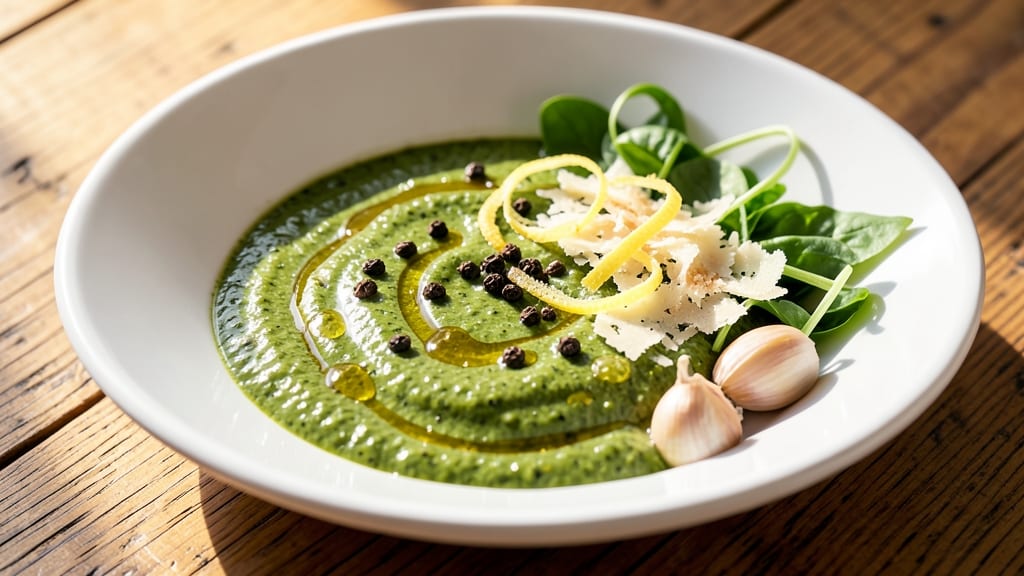
Unlock the Trader Joe’s lemon pesto sauce recipe—a bright, herbaceous zing that transforms pasta, grilled chicken, and more into restaurant-worthy dishes. The secret lies in balancing fresh basil, sharp lemon zest, and toasted nuts for a sauce that's fresh yet rich—no artificial aftertaste here.
I've perfected this version to stay vibrant for days, making it ideal for meal prep or last-minute flavor boosts.
This sauce comes together in just 10 minutes with simple ingredients you likely already have: fresh basil, lemon juice, garlic, pine nuts, olive oil, and Parmesan (or a vegan alternative). The key is blending while warm to emulsify the oil properly, ensuring that creamy texture you crave.
Unlike store-bought versions, this one stays bright and flavorful, not turning bitter or separating.
What you'll end up with is a zesty, vibrant sauce that's perfect for tossing with pasta, drizzling over roasted vegetables, or mixing into dressings. The lemon zest adds a refreshing tang that cuts through richness, while the nuts contribute a satisfying crunch.
Store it in an airtight container in the fridge for up to a week, or freeze for longer shelf life.
Whether you're prepping for the week or adding instant brightness to a meal, this lemon pesto sauce is your go-to for restaurant-quality flavor at home. Let's make it—your taste buds will thank you.
Ingredients for trader joe's lemon pesto sauce
Bright, zesty, and restaurant-worthy—just eight ingredients transform into vibrant lemon pesto magic.
| Ingredient | Amount | Notes |
|---|---|---|
| Fresh Basil Leaves 🌿 | 2 ½ cups | Packed, stems removed, vibrant green |
| Extra-Virgin Olive Oil 🫒 | ¾ cup | High-quality, fruity, cold-pressed |
| Parmesan Cheese 🧀 | ½ cup | Freshly grated, block preferred |
| Fresh Lemon Zest 🍋 | 1 tbsp | Fine, from organic lemons |
| Fresh Lemon Juice 🍋 | ⅓ cup | Strained, no pulp |
| Garlic Cloves 🧄 | 3 cloves | Fresh, peeled, rough chopped |
| Pine Nuts 🥜 | ⅓ cup | Toasted lightly, or walnuts |
| Sea Salt 🧂 | ½ tsp | Fine grain, Diamond Crystal preferred |
| Fresh Black Pepper 🌶️ | ¼ tsp | Freshly cracked, coarse grind |
The basil is non-negotiable here. Trader Joe’s has the best organic basil—packed tightly in those little clamshells, not the sad wilted stuff. If you can't find it, Whole Foods or local farmers markets are your next bet. Look for leaves that smell fresh and bright, not dusty or dull. The lemon zest? Organic lemons make all the difference—thicker zest means more flavor. I always buy a whole bag of lemons when I make this, since you'll use more than just the juice. The pine nuts? Trader Joe’s sells them pre-toasted for convenience, but toasting your own at 350°F for 5 minutes cranks up the flavor.
No pine nuts? Walnuts or cashews work perfectly—they just add a different texture. Swap Parmesan for pecorino romano if you want extra tang, or use nutritional yeast for a vegan option. Fresh out of basil? Spinach or arugula can stretch it, but reduce the amount to half. The olive oil is where you shouldn't cut corners—California avocado oil or a fruity Italian EVOO works best. And if you're short on time, Trader Joe’s lemon juice concentrate (the frozen kind) is a lifesaver, but freshly squeezed is always better.
This sauce keeps beautifully—1 week in the fridge if you cover it with a thin layer of olive oil. Freeze in ice cube trays for perfect single-serving portions that last 6 months. I always make a double batch because it disappears fast—perfect for pasta, grilled fish, or even as a marinade. The key to longevity? Store it in a glass jar with a tight seal, and give it a quick stir before each use to redistribute the oil.
Why You'll Love This Recipe
- No-Fuss Freshness: I swear by this recipe because it doesn’t require wilting basil or measuring to the gram—just a handful of leaves, a squeeze of lemon, and a glug of olive oil. The bright citrus cuts through any greasiness, and honestly? That Parmesan shaving step is where the magic happens without extra fuss.
- Zesty Brightness: The lemon zest and juice don’t just add flavor—they transform it. That sharp, sunlit punch from the citrus turns a basic pesto into something vibrant enough to stand up to grilled fish or a simple pasta. (Yes, even on a Tuesday night.)
- Pasta’s Secret Weapon: This sauce is my go-to for weeknight dinners, but it’s also the hero of summer picnics or last-minute company dinners. Toss it with linguine, drizzle it over roasted veggies, or even slather it on a sandwich—it’s that versatile. My daughter picks out the basil stems, but still asks for seconds.
- Leftovers That Last: Between us, this sauce keeps beautifully in the fridge for up to five days, and it freezes like a dream. I make a double batch because the first time I ran out mid-week, I nearly cried. (Not the prettiest, but the taste makes up for it.) Plus, the lemon zest keeps it from turning bitter.
Step-by-step instructions for Trader Joe's lemon pesto sauce
Here's the method for recreating that bright, vibrant lemon pesto you love—simple yet packed with fresh flavor.
Prepare the Basil and Garlic Base
Start by stacking the 2.5 cups fresh basil leaves and rolling them tightly into a cylinder. Using a very sharp chef's knife, slice through the rolled leaves to create fine, uniform basil ribbons—this is called chiffonade. The goal is to maximize surface area so the flavors meld perfectly.
In a food processor, combine the basil chiffonade with the 3 cloves garlic cloves. Pulse just until the garlic is finely chopped but not pureed—you want visible texture to balance the smoothness that comes later. This quick pulse prevents the garlic from turning bitter during processing.
Add the Wet Ingredients and Process
With the food processor running, slowly drizzle in the 0.75 cup extra-virgin olive oil through the feed tube. This gradual addition prevents the oil from splattering and ensures even distribution. Process for 30 seconds until the mixture becomes vibrant green and emulsified—it should look like a thick, glossy paste.
Add the 0.33 cup fresh lemon juice and 1 tablespoon fresh lemon zest, processing for another 20 seconds. The lemon juice adds brightness while the zest provides aromatic depth. Here's the thing—don't skip the zest. It's what gives that signature Trader Joe's lemon pesto flavor that store-bought versions can't replicate.
Incorporate the Cheese and Nuts
Add the 0.5 cup freshly grated parmesan cheese and 0.33 cup pine nuts to the processor. Pulse 3-4 times until the cheese is fully incorporated and the pine nuts are finely chopped but still visible. The nuts should break down just enough to distribute evenly without turning into a paste.
Real talk: If you're using walnuts instead of pine nuts, they'll need slightly more processing time—about 5-6 pulses—to achieve a similar texture. The nuts add crunch and richness that balances the acidity of the lemon.
Season and Adjust Consistency
Transfer the pesto to a bowl and stir in the 0.5 teaspoon sea salt and 0.25 teaspoon fresh black pepper. Taste immediately—this is your quality control checkpoint. The sauce should be bright, tangy, and well-balanced. If it needs more lemon brightness, add another teaspoon of zest. For salt, adjust in small increments since you can't remove excess salt later.
If the pesto is too thick, thin it with 1-2 teaspoons of water or additional olive oil, 1 teaspoon at a time, until it reaches a smooth, spreadable consistency. The sauce should coat the back of a spoon but still hold its shape when drizzled. Your oven might run hot, so start checking at the 20-minute mark.
Store and Use Immediately
Transfer the lemon pesto to an airtight container and press a piece of plastic wrap directly onto the surface to prevent oxidation. Refrigerate for up to 5 days or freeze for up to 3 months. The flavors actually improve slightly after 24 hours in the fridge as the lemon and basil meld together.
Use this vibrant sauce immediately on pasta, as a marinade for grilled chicken, or as a dip for fresh vegetables. The bright lemon notes make it perfect for spring and summer dishes, but it's versatile enough for winter meals too. Don't skip this step—fresh pesto tastes completely different from refrigerated versions.
Pro Tips For Making Trader Joe'S Lemon Pesto Sauce
- Pulse in bursts: Don’t just dump everything in the food processor and hit go—pulse the basil first in 2-second bursts until it’s finely chopped but not paste-like. I learned this the hard way after ending up with a sad, watery pesto that lost all its texture. Once the basil is broken down, add the rest and pulse continuously.
- Use aged Parmesan: Skip the pre-grated stuff—it’s full of anti-caking agents that turn your pesto into a grainy mess. Instead, grate your own Parmesan (preferably a 24-month minimum aged wheel) right before mixing. The sharper, saltier flavor cuts through the lemon’s brightness, and the texture stays smooth.
- Zest first, juice last: Add the lemon zest to the food processor before the olive oil—it blends in better and brightens the pesto more evenly. Save the juice for the end and add it sparingly (start with 1 teaspoon, taste, then adjust). Too much juice makes the pesto thin and sour too quickly.
- Chill before serving: Let the pesto rest in the fridge for at least 15 minutes after making it. The flavors meld, and the texture thickens slightly—no more greasy, runny sauce. I was skeptical until I tried it: the lemon’s acidity mellows just enough to let the basil and Parmesan shine.
Perfect pairings for this recipe
Pasta Pairings
This lemon pesto sauce shines brightest with al dente pasta shapes that hold up to its vibrant acidity. I always reach for farfalle (bowtie) or linguine—their ridges catch the sauce beautifully, creating a perfect marriage of texture and flavor.
For a lighter option, angel hair pasta lets the sauce take center stage without competition. 🍝
Pro tip: Toss your cooked pasta with the sauce while still hot, then finish with a splash of pasta water to emulsify everything. The lemon zest in this pesto adds a refreshing zing that cuts through the richness of creamy sauces, making it ideal for fettuccine or spaghetti too.
Protein Pairings
Grilled chicken breasts are my go-to protein for this sauce—simply toss the finished pesto over hot-off-the-grill chicken for instant restaurant-quality flavor. The lemon's brightness complements the smoky char perfectly. For seafood lovers, try drizzling it over grilled salmon or shrimp skewers—the acidity balances the richness beautifully. 🐟
Don't overlook breakfast pairings! Spread this pesto on toasted sourdough with a poached egg for a brunch upgrade. Or use it as a marinade for pork tenderloin—the lemon tenderizes while adding zesty flavor that pairs wonderfully with roasted vegetables.
Vegetable Applications
This sauce transforms simple roasted vegetables into gourmet dishes. Toss asparagus, Brussels sprouts, or zucchini with a drizzle of pesto after roasting at 425°F for 15 minutes. The lemon's acidity brightens the natural sweetness of the vegetables. 🥦
For a fresh twist, use it as a dip for crudités like bell pepper strips, carrot sticks, or cucumber slices. The nutty pine nuts add satisfying texture that contrasts perfectly with crisp vegetables. I often serve this as a starter at summer gatherings—it's always a crowd-pleaser.
Beverage Pairings
A crisp Italian Pinot Grigio complements this sauce beautifully—its citrus notes echo the lemon in the pesto while providing a refreshing contrast. For beer lovers, a Belgian witbier with its coriander and orange peel notes creates an unexpected but delightful pairing. 🍺
Non-alcoholic options work too: Sparkling water with a squeeze of lemon enhances the sauce's brightness, while an iced hibiscus tea adds floral notes that complement the basil. The key is balancing the sauce's acidity with something slightly sweet or effervescent.
Nutrition facts
Frequently asked questions
Can I make this lemon pesto without fresh basil?
You can substitute 1 cup fresh spinach or ½ cup arugula for the basil, but reduce the amount by half. The flavor won't be identical—fresh basil gives that signature herbal brightness. If you're using dried basil, use 1 tablespoon (not a substitute for fresh), but it'll lack the vibrant texture and aroma.
Why does my pesto turn brown or separate after a few days?
Oxidation causes browning—always press plastic wrap directly onto the surface to minimize air exposure. Separation happens when oil and water-based ingredients split. To fix it, whisk in 1 teaspoon olive oil or a splash of cold water. For prevention, store in a glass jar with a tight seal and refrigerate immediately.
How can I use up leftover lemon pesto?
Freeze in 1-tablespoon portions for easy use—perfect for quick pasta tosses or marinades. Mix into hummus, spread on sandwiches, or blend into dressings. The lemon zest adds zing to roasted potatoes or grilled fish too. Don't let it go to waste—it's too versatile!
Can I make this pesto nut-free for allergies?
Skip the pine nuts and add 1 tablespoon nutritional yeast for a cheesy flavor boost. For texture, stir in 1 teaspoon toasted sunflower seeds or hemp seeds. The sauce will still be rich and flavorful—just adjust the olive oil to maintain consistency. Always check labels for cross-contamination warnings.
Is this lemon pesto safe to eat raw?
Yes, this recipe is designed to be eaten raw—no cooking required! The garlic and lemon juice act as natural preservatives, making it safe for fresh consumption. However, if you're using raw eggs (not in this recipe), always ensure they're pasteurized. The bright flavors shine best when served fresh off the spoon.