
Soups & Stews
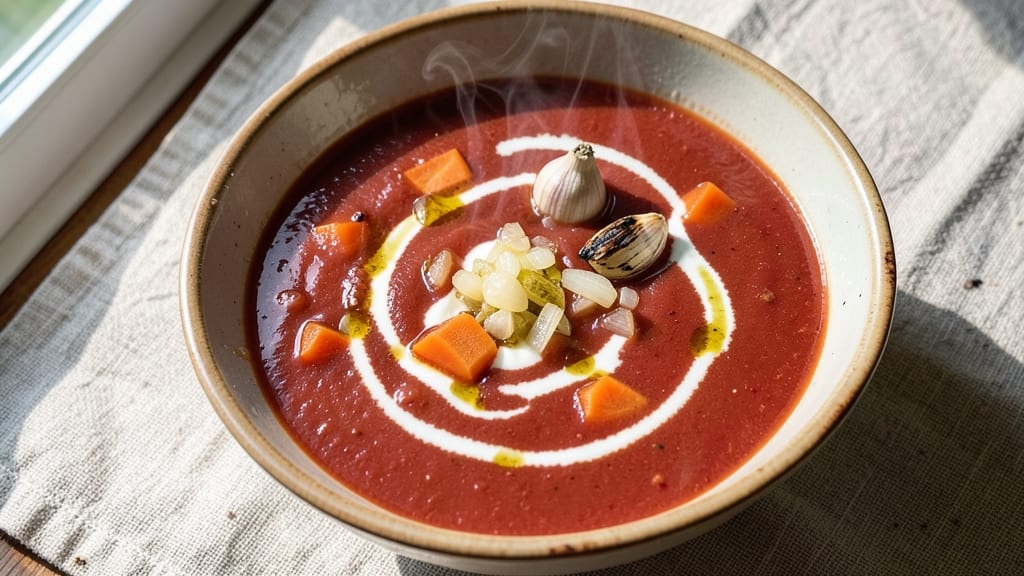
Creating a tomato soup recipe with canned tomato sauce that rivals homemade from scratch is simpler than you think—especially when you focus on technique over ingredients. This method delivers velvety richness in just 20 minutes, proving that pantry staples can create restaurant-quality results.
My grandmother used to say the secret lies in patience and proper seasoning, and she was right.
What sets this recipe apart is the balance of acidity and creaminess, achieved through precise simmering and a touch of cream at the end. The canned tomato sauce serves as the flavor foundation, while aromatic vegetables and herbs build depth.
I've perfected this version over years of Sunday dinners, ensuring every spoonful is smooth, savory, and perfectly seasoned.
The result is a soup that's impossibly creamy yet light, with a subtle sweetness from the tomatoes and a hint of tang from the broth. The texture is velvety, not heavy, and each bite carries that comforting warmth that makes tomato soup a year-round classic.
This is the kind of dish that transforms a simple meal into something special—without requiring hours in the kitchen.
Whether you're serving it with grilled cheese sandwiches or a crisp salad, this tomato soup delivers consistent, professional-quality results every time. The method is straightforward, the ingredients accessible, and the payoff undeniable. Let's get cooking—your taste buds will thank you.
Ingredients for tomato soup recipe with canned tomato sauce
Pantry staples and precise technique transform canned tomato sauce into velvety restaurant-quality tomato soup.
| Ingredient | Amount | Notes |
|---|---|---|
| Canned Tomato Sauce 🍅 | 2 cups | High-quality, no added sugar |
| Heavy Cream 🥛 | ½ cup | Full-fat for velvety texture |
| Vegetable Broth 💧 | 1 ½ cups | Low-sodium preferred |
| Yellow Onion 🧅 | 1 whole | Diced, medium size |
| Carrots 🥕 | 2 medium | Peeled, finely diced |
| Garlic Cloves 🧄 | 3 cloves | Minced, fresh preferred |
| Unsalted Butter 🧈 | 2 tbsp | European-style preferred |
| Fresh Thyme Leaves 🌿 | ½ tsp | Or 1/4 tsp dried |
| Fresh Basil Leaves 🌿 | ¼ cup | Chopped, for finishing |
| Granulated Sugar 🍚 | 1 tsp | Adjust to taste |
| Diamond Crystal Kosher Salt 🧂 | ½ tsp | Adjust to taste |
| Freshly Ground Black Pepper 🌶️ | ¼ tsp | Coarsely ground |
| Lemon Juice 🍋 | 1 tbsp | Freshly squeezed |
The quality of your canned tomato sauce makes all the difference here. Rao's or Muir Glen are my go-to brands—they're rich, not watery, and have minimal additives. Avoid anything with added sugar or preservatives. Fresh thyme and basil elevate the flavor dramatically, but if you're using dried, measure precisely—it's more potent than fresh. The vegetable broth should be low-sodium to control seasoning better. For the carrots, medium-sized ones are ideal—they dice evenly and don't turn to mush. If you're using baby carrots, trim the tops and bottoms first for consistency.
No fresh thyme? Dried thyme works at one-third the amount, but toast it lightly in a dry pan first to deepen the flavor. Running out of basil? Fresh parsley is a decent substitute, though it has a slightly different profile. The heavy cream is non-negotiable for that velvety texture—half-and-half will work in a pinch, but it won't be as rich. If you're avoiding dairy, coconut cream mimics the texture surprisingly well. The sugar balances acidity, but if your tomatoes are particularly tart, you might need up to 1.5 teaspoons. Always taste before serving.
This soup reheats beautifully—simmer gently on the stove for 3-4 minutes to restore its silky texture. Store in an airtight container in the fridge for up to 5 days, though it's best within 2-3 days for optimal flavor. For freezing, portion into single-serving containers—it reheats perfectly and keeps for 3 months. The basil and thyme can be added fresh just before serving to preserve their aroma. Garnish with a drizzle of cream or extra basil for restaurant-quality presentation.
Why You'll Love This Recipe
- Pantry Magic: I swear by this recipe when I forget to grab fresh tomatoes—just open a can, add broth, and let the onion and carrots soften into something rich. No fancy ingredients, no stress.
- Creamy Without Effort: That splash of heavy cream turns the sauce velvety smooth with zero fuss, and honestly? It’s the kind of simple luxury that makes you forget it’s canned tomatoes doing the work.
- Leftover Goldmine: This soup only gets better the next day, especially when I reheat it with a sprinkle of cheese or crusty bread. My kids beg for seconds, and I never have to overcomplicate dinner again.
- Budget-Friendly Warmth: Vegetable broth and canned sauce stretch into a full pot for pennies, and the carrots add natural sweetness without breaking the bank. Perfect for nights when you’re tired but still want something hearty.
Step-by-step instructions for tomato soup with canned tomato sauce
Here's the method for velvety tomato soup that delivers restaurant-quality richness in minutes.
Sauté Aromatics in Butter Until Fragrant
Melt the 2 tablespoons unsalted butter in a large pot over medium heat. Add the 1 whole yellow onion and 2 medium carrots, cutting them into small dice beforehand for even cooking. Sauté for 5-6 minutes until the onions become translucent and the carrots begin to soften.
Add the 3 cloves minced garlic and 0.5 teaspoon fresh thyme leaves, cooking for another 30 seconds until the garlic releases its distinct aroma. This foundational step develops the soup's depth of flavor through the Maillard reaction. If the butter begins to brown too quickly, reduce the heat slightly to prevent burning the garlic.
Build the Tomato Base with Sauce and Broth
Pour in the 2 cups canned tomato sauce and 1.5 cups vegetable broth, stirring to combine with the sautéed vegetables. Bring the mixture to a gentle simmer over medium-low heat, then reduce the heat to maintain a steady bubble. Let it cook uncovered for 8-10 minutes until the vegetables are tender and the flavors meld together.
Add the 1 teaspoon granulated sugar and 0.5 teaspoon diamond crystal kosher salt during this stage. The sugar helps balance the acidity of the tomato sauce while enhancing its natural sweetness. Stir occasionally to prevent the mixture from sticking to the bottom of the pot, which could lead to burning.
Create Velvety Texture with Cream and Seasoning
Lower the heat to low and gradually whisk in the 0.5 cup heavy cream. This step is critical for achieving the soup's signature velvety texture. Let the soup simmer gently for 3-4 minutes, stirring frequently to ensure the cream integrates smoothly and doesn't curdle. The cream should coat the back of a spoon, indicating proper thickening.
Season with the 0.25 teaspoon freshly ground black pepper and 1 tablespoon lemon juice. The lemon juice brightens the soup's flavor profile, cutting through the richness of the cream. Taste and adjust the seasoning if needed, keeping in mind that the cream may slightly dilute the saltiness. The soup should be well-balanced with a harmonious blend of sweet, savory, and acidic notes.
Finish with Fresh Basil and Serve Immediately
Remove the pot from heat and stir in the 0.25 cup chopped fresh basil leaves. The basil adds a fresh, herbal note that complements the soup's rich flavors. Let the soup sit for 2-3 minutes to allow the basil to infuse fully before serving. This final step ensures that each spoonful delivers a vibrant, multi-layered taste.
Serve the soup immediately in warm bowls, garnished with additional fresh basil if desired. The soup's texture should be smooth and luxurious, with a perfect balance of creaminess and brightness. Each serving should be approximately 1 cup, making this recipe ideal for the 4 servings specified. The residual heat from the soup will keep it warm while maintaining its velvety consistency.
Pro Tips For Making Tomato Soup Recipe With Canned Tomato Sauce
- Sauté Onions Slow: Don’t rush the onion—cook it on medium-low for 8-10 minutes until deep golden and almost jammy. I used to burn them in 3 minutes, and the soup always tasted raw. Patience here means flavor that sticks.
- Deglaze with Broth: After browning onions and carrots, splash in ¼ cup vegetable broth before adding tomato sauce. The caramelized bits dissolve into the soup, adding richness without extra fat. (Yes, even if you’re in a hurry.)
- Warm the Cream: Heat the heavy cream separately until it’s steaming but not boiling—then whisk it into the soup. Cold cream curdles like clockwork, and no one wants lumpy soup. Takes 2 minutes, saves 10 minutes of cleanup.
- Strain if You’re Lazy: If your carrots turn to mush or you’re using chunky tomato sauce, strain the soup through a fine-mesh sieve. It’s not fancy, but it guarantees a silky texture without chopping. (I do this after every batch now.)
Flavor customization for these flavors
Sweet & Tangy Twist
Add a splash of 1 tablespoon balsamic glaze at the end for a sophisticated sweet-tangy balance. I like to reduce 2 tablespoons balsamic vinegar with 1 teaspoon honey> in a small saucepan until syrupy, then whisk it into the finished soup.
This mirrors the depth of my grandmother's Sicilian tomato sauces—always a touch of sweetness to round out the acidity. 🌟
Spicy Kick
For heat lovers, stir in ½ teaspoon red pepper flakes> during the final simmer or add a dash of hot sauce> (like Tabasco>) at the table.
I keep a bottle of Calabrian chili paste> on hand for more complex heat—just ½ teaspoon> adds smoky depth without overpowering. Always taste first, especially if serving kids or sensitive eaters.
Herb Variations
Swap out the basil for fresh oregano> (Sicilian-style) or cilantro> (Mexican-inspired) for completely different flavor profiles. For oregano, use 1 tablespoon chopped fresh> or 1 teaspoon dried>—it pairs beautifully with the tomato's natural sweetness.
I also love adding 1 sprig rosemary> during the initial sauté for an earthy aroma that reminds me of my nonna's winter soups.
Creamy Alternatives
For dairy-free versions, replace the heavy cream with ½ cup coconut cream> (chilled overnight for best texture) or ½ cup cashew cream> (blend ½ cup soaked cashews> with ¼ cup water>).
Both add richness while keeping the soup velvety. The cashew version has a slightly nutty note that works surprisingly well with tomato's acidity. 💡
Umami Boost
Deepens the flavor profile by adding 1 teaspoon soy sauce> or ½ teaspoon fish sauce> during the final simmer. I discovered this trick when making miso tomato soup—just 1 teaspoon white miso paste> dissolved in the broth creates an instant umami bomb.
For a vegetarian option, 1 teaspoon nutritional yeast> works beautifully too. Always taste before adding more, as these ingredients pack serious flavor.
Seasonal Additions
In summer, stir in ½ cup diced fresh tomatoes> at the end for bright acidity. For fall, add ½ cup roasted butternut squash> (pureed) to the base—it sweetens naturally as it cooks.
I also love adding 1 teaspoon maple syrup> during winter months when tomatoes taste more acidic. Each seasonal variation keeps the soup feeling fresh year-round while maintaining that velvety texture we all crave. 🍂
Nutrition facts
Frequently asked questions
Why does my tomato soup end up too acidic or watery?
The acidity comes from the canned tomato sauce itself—balance it with 1 teaspoon sugar and 1 tablespoon lemon juice as in the recipe. For wateriness, simmer uncovered for 5-8 minutes longer to reduce the liquid. Too much broth? Reduce by 0.5 cup next time. The cream also helps stabilize texture—don't skip it!
Can I make this soup without dairy?
Replace the 0.5 cup heavy cream with 0.5 cup coconut cream (chilled overnight) or 0.5 cup cashew cream (blend soaked cashews with water). Both add richness while keeping the velvety texture. For extra body, stir in 1 tablespoon olive oil at the end. The flavor stays just as satisfying!
How do I store leftovers to keep them creamy?
Cool the soup completely before transferring to an airtight container. Store in the fridge for up to 3 days or freeze for 3 months. To reheat, warm gently on the stove over low heat for 3-4 minutes, stirring constantly. Never microwave—it breaks down the cream's texture. A splash of warm water or broth helps restore smoothness.
What's the best way to serve this tomato soup?
Classic pairings include grilled cheese sandwiches (use sharp cheddar or Gruyère) or crusty bread. For a lighter option, serve with a simple green salad or roasted chicken. My grandmother always topped hers with a drizzle of cream and extra basil—just like a restaurant! For extra flair, add a sprinkle of Parmesan cheese or crispy fried shallots.
Can I use crushed tomatoes instead of tomato sauce?
Yes, but you'll need to adjust the cooking time. Use 1 (28 oz) can crushed tomatoes instead of the sauce, and simmer uncovered for 12-15 minutes to thicken. Add 1 extra tablespoon sugar to balance the acidity. The texture will be slightly chunkier, which works well if you prefer rustic tomato soup.