
Sauces & Condiments
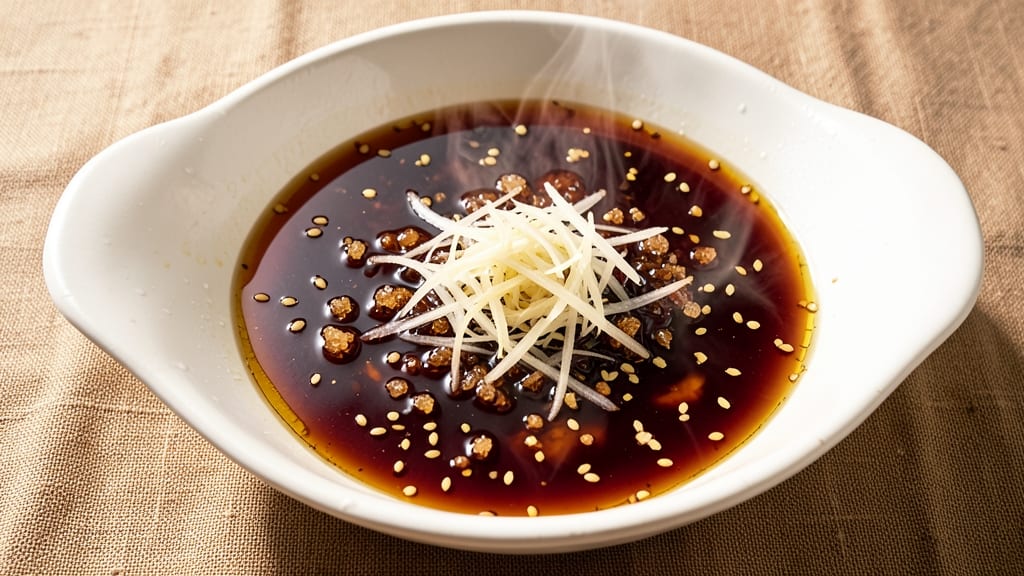
This siomai sauce recipe delivers the perfect balance of umami, sweetness, and tang that elevates every bite of siomai—whether steamed, fried, or grilled.
The secret lies in a precise blend of soy sauce, ginger, and a touch of brown sugar that creates a glossy, aromatic sauce with just the right depth.
I developed this version after years of perfecting the ratio to match the bold flavors of authentic Filipino siomai while keeping it adaptable for home cooks.
The beauty of this sauce is its versatility—it works as a dipping sauce, a marinade, or even a glaze for meats and vegetables. With just 10 minutes of active prep and 30 minutes of simmering, you’ll have a sauce that’s rich, slightly sweet, and packed with ginger’s warm kick.
The key is letting the ingredients meld together slowly, allowing the soy sauce to deepen and the ginger to infuse its signature warmth without overpowering.
What you’ll end up with is a glossy, fragrant sauce that clings beautifully to siomai wrappers or enhances any dish it touches. The umami from soy sauce pairs perfectly with the bright, spicy notes of ginger, creating a harmony that’s both comforting and exciting.
This sauce transforms ordinary siomai into a restaurant-worthy experience—ready in just a few simple steps.
For those who prefer variations, you can adjust the sweetness by adding more brown sugar or balance the tang with a splash of vinegar. The possibilities are endless, but the foundation remains the same: a sauce that’s foolproof, deeply flavorful, and impossible to resist.
Let’s get started on making yours.
Ingredients for siomai sauce
Six pantry staples and three fresh ingredients create this restaurant-worthy sauce.
| Ingredient | Amount | Notes |
|---|---|---|
| Light Soy Sauce 🥄 | ½ cup | High-quality, not reduced |
| Dark Soy Sauce 🥄 | ¼ cup | For deeper umami color |
| Fresh Ginger 🧄 | ½ cup | Finely grated, not minced |
| Brown Sugar 🍯 | ¼ cup | Light or dark variety |
| Rice Vinegar 🍶 | 2 tbsp | White or seasoned preferred |
| Sesame Oil 🫒 | 1 tbsp | Toasted, not flavored |
| Garlic Cloves 🧄 | 2 cloves | Minced, not powdered |
| Water 💧 | ½ cup | Room temperature preferred |
| Cornstarch 🌾 | 1 tbsp | For thickening, optional |
| Sesame Seeds 🌰 | 1 tsp | Toasted, for garnish |
The soy sauces are the heart of this recipe—Kikkoman light and Lee Kum Kee dark are my go-tos, but any good-quality brands work. Fresh ginger is non-negotiable here; the dried stuff lacks that bright, zesty punch. Asian markets usually have the freshest ginger, but the grocery store works too if it's firm and plump. For the brown sugar, Domino is my pick—it dissolves smoothly and adds just the right caramel notes without overpowering. If you're using cornstarch, Bob's Red Mill is the most reliable for thickening sauces without clumping.
No rice vinegar? Apple cider vinegar at half the amount works in a pinch, but it'll taste different. Sesame oil is where you can splurge—La ChoyHana brand gives that authentic toasted aroma. Short on garlic? Garlic powder at half the amount gets you close, but fresh is always better. The sauce can be made slightly thinner if you prefer a dipping consistency—just add a splash of water. For extra depth, a pinch of white pepper works wonders (though it's not in the base recipe).
This sauce keeps beautifully—1 week in the fridge once cooled, or 3 months frozen in airtight containers. I like to portion it into small jars so I can grab just what I need. If it thickens too much when refrigerated, stir in a teaspoon of water to loosen it up. For serving, a sprinkle of toasted sesame seeds adds that final crunchy finish. The sauce also freezes well for batch cooking—just thaw overnight in the fridge before using.
Why You'll Love This Recipe
- Five-Ingredient Magic: I swear by this—just stir, simmer, and boom, you’ve got that perfect balance of salty-sweet with a ginger kick. No measuring cups to stress over, no fancy techniques—just pantry staples doing their thing.
- Umami Bomb: That combo of light and dark soy sauce? It’s like a flavor explosion in your mouth. The ginger adds warmth, the brown sugar rounds it out, and the rice vinegar keeps it bright—no aftertaste, just pure satisfaction.
- Weeknight Wonder: Drizzle it over siomai, toss it with noodles, or even use it in a quick stir-fry. I’ve made this sauce on lazy Mondays and Sunday feasts—it’s that adaptable. (Yes, even when I forget to meal prep.)
- Budget-Friendly Staple: Honestly, this costs me pennies but feels like a restaurant dish. A little goes a long way, and I’ve had jars of it sitting in my fridge for weeks without spoiling. Perfect for when you want flavor without breaking the bank.
Step-by-step instructions for siomai sauce
This sauce builds flavor layer by layer—simple steps for maximum umami impact.
Grate the Ginger and Mince the Garlic
Use a fine grater for the 0.5 cup fresh ginger to create a smooth paste—no fibrous bits. The finer the better, as we want it completely dissolved in the sauce. Set aside in a small bowl.
For the 2 cloves garlic, mince them finely with a chef's knife. You're aiming for a paste-like consistency, not just minced pieces. This ensures even distribution of flavor throughout the sauce.
Combine Soy Sauces, Sugar, and Vinegar
In a medium saucepan, whisk together the 0.5 cup light soy sauce, 0.25 cup dark soy sauce, and 0.25 cup brown sugar until the sugar fully dissolves. This creates the base flavor profile—salty, sweet, and umami-rich.
Add the 2 tablespoons rice vinegar and bring the mixture to a gentle simmer over medium heat. You'll see small bubbles forming at the edges—this is your signal the liquid is ready for the next ingredients.
Add Ginger, Garlic, and Water
Pour in the grated ginger and minced garlic, stirring constantly for 1 minute. The ginger will immediately start to soften and release its aromatic oils. Add the 0.5 cup water and let the mixture simmer for 5 minutes.
This simmering time is crucial—it allows all the flavors to meld together while the ginger fully incorporates. You'll notice the sauce darkening slightly as the ginger releases its natural pigments and flavors.
Thicken the Sauce
In a small bowl, whisk together the 1 tablespoon cornstarch with 2 tablespoons of the simmering sauce to create a slurry. Slowly pour this back into the saucepan while stirring continuously.
Simmer for an additional 2-3 minutes until the sauce thickens to a glossy, syrupy consistency that coats the back of a spoon. If it thickens too quickly, add 1-2 tablespoons of water to adjust the texture.
Finish with Sesame Oil and Garnish
Remove the sauce from heat and stir in the 1 tablespoon sesame oil. This adds a nutty aroma and rich depth to the flavor profile. The sauce should have a smooth, velvety texture with no visible cornstarch granules.
For serving, drizzle the sauce over siomai or use it as a dipping sauce. Sprinkle with 1 teaspoon toasted sesame seeds just before serving to add texture and visual appeal. The seeds should be evenly distributed for each bite.
Pro Tips For Making Siomai Sauce
- Grate Ginger Fine: Use a microplane or the smallest holes on a box grater—no chunks, no paste. I learned this the hard way after tasting a sauce where ginger clumps just sat at the bottom like tiny rocks. A tablespoon of fresh, fine ginger makes this sauce sing.
- Simmer Low and Slow: Keep the heat at a bare simmer—no boiling, no rushing. After burning the first batch (yes, it happened), I realized the sauce needs time to marry, not scorch. Five minutes of gentle bubbling is all it takes.
- Balance the Vinegar: Start with half the rice vinegar called for, then taste. Too sharp? Add a pinch more brown sugar. Too sweet? A splash more vinegar cuts through it. The goal isn’t perfection—it’s harmony, and that’s subjective.
- Toast the Soy Sauces: Warm the light and dark soy sauces together in the same pot for 30 seconds before adding anything else. This deepens the umami without cooking the sauce dry. Skip this, and you’ll miss that rich, caramelized edge.
Essential equipment for perfect results
Medium Saucepan
Start with a medium saucepan that has a flat bottom—this ensures even heat distribution and prevents scorching. I recommend a 3-quart stainless steel saucepan like the Cuisinart MultiClad or All-Clad Stainless for durability and heat control.
Avoid non-stick pans for this recipe, as they can't handle the prolonged simmering without losing their coating. 🔥
Fine Grater
A fine grater is essential for achieving that smooth, paste-like ginger texture that dissolves completely into the sauce. My go-to is the Microplane 4-in-1 grater, which gives you precise control over the ginger's fineness.
For garlic, a chef's knife with a sharp blade is perfect for mincing it into a paste. Never use a food processor—it releases too much liquid and alters the sauce's texture.
Whisk
Use a balloon whisk or flat whisk to combine the soy sauces, sugar, and vinegar at the beginning. The OXO Good Grips Whisk is my favorite because it’s lightweight yet sturdy enough to handle the sauce’s thickness.
Whisking thoroughly ensures the brown sugar dissolves completely, preventing grainy spots in your final sauce. A wooden spoon works too, but it takes longer to achieve the same smoothness. ✨
Measuring Spoons
Precision matters when measuring ingredients like sesame oil and cornstarch. Invest in a set of stainless steel measuring spoons—I use the KitchenAid Precision Measuring Spoons—to avoid spills and ensure accurate ratios.
For the 1 tablespoon cornstarch, use a leveling tool to avoid packing it down, which can make your sauce thicker than intended. A slightly uneven measurement can throw off the sauce’s consistency entirely.
Small Mixing Bowl
A small mixing bowl (about 8-inch diameter) is perfect for creating the cornstarch slurry. I prefer glass or stainless steel bowls because they’re easy to clean and don’t retain odors.
Avoid plastic—it can react with acidic ingredients like rice vinegar over time. This bowl should fit comfortably on your countertop for easy stirring and pouring back into the saucepan. 💡
Fine-Mesh Strainer
While not strictly necessary, a fine-mesh strainer comes in handy if you prefer an ultra-smooth sauce without any ginger fibers. I use a Heston Blumenthal-style tamis for professional results, but even a basic mesh strainer from OXO works well.
Strain the sauce after simmering if you want a silky texture—just be sure to press gently with a spoon to extract all the flavor. This step is optional but elevates the sauce’s elegance for special occasions.
Nutrition facts
Frequently asked questions
Can I make this sauce without cornstarch for thickening?
Yes! If you skip the cornstarch, simmer the sauce for an extra 5-7 minutes to reduce it naturally. The sauce will thicken slightly but won't be as glossy. For a thicker consistency, try adding 1 tablespoon tomato paste instead—it adds depth and helps bind the sauce without altering the flavor significantly.
How can I adjust the sweetness or tanginess to my preference?
For a sweeter sauce, add an extra 1-2 tablespoons brown sugar and simmer for 2 minutes longer. For more tang, increase rice vinegar by 1 teaspoon at a time. If you prefer less sweetness, reduce the brown sugar to 0.125 cup and balance it with an extra 1 teaspoon of ginger for brightness.
Can I use this sauce for other dishes besides siomai?
This versatile sauce works as a marinade for meats like chicken or pork, a glaze for stir-fried vegetables, or even a dipping sauce for dumplings and spring rolls. For grilled meats, brush it on during the last 2-3 minutes of cooking to caramelize the flavors.
Why is my sauce too thin or too thick?
If your sauce is too thin, simmer uncovered for 5-10 minutes longer to reduce it. For a thicker sauce, mix 1 tablespoon cornstarch with 2 tablespoons cold water and stir it in, then simmer for 1-2 minutes. Always taste as you go—adjust gradually to avoid over-thickening.
Can I substitute fresh ginger with powdered ginger?
Powdered ginger works in a pinch, but it lacks the bright, aromatic depth of fresh. Use 1 teaspoon powdered ginger for every 0.25 cup fresh, but add it at the end of cooking to preserve flavor. For best results, stick with fresh ginger—it’s the secret to that signature zing!