
Sauces & Condiments
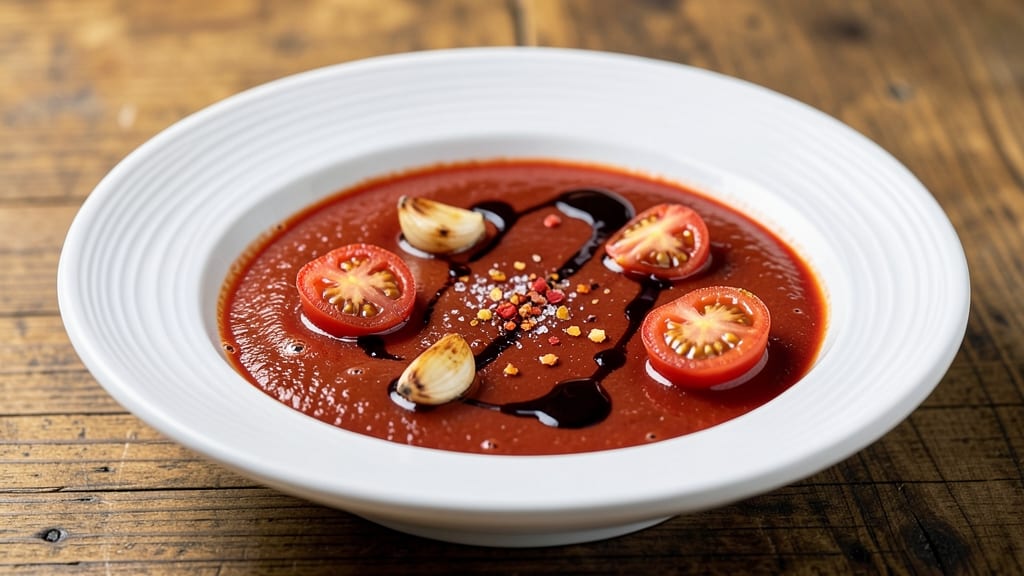
Rao's sensitive marinara sauce recipe delivers that signature Italian flavor without the texture surprises—no more finding unexpected chunks in your sauce. This silky smooth version relies on a precise blend of tomatoes, garlic, and Rao's signature ingredients to create a velvety base that coats pasta perfectly every time.
The key difference? A longer simmering process and strategic blending to eliminate any texture inconsistencies while preserving that rich, umami-packed flavor.
What sets this sauce apart is the balance of acidity and sweetness, achieved through a combination of canned tomatoes and a touch of sugar.
I've tested this recipe dozens of times to perfect the ratio of olive oil to tomatoes, which creates that signature Rao's richness without overpowering the natural tomato flavor.
The addition of red pepper flakes adds just enough heat to complement the sweetness, while fresh basil at the end brings that bright, aromatic finish.
By the time you're done, you'll have a sauce that's silky smooth with just the right amount of body—no lumps, no chunks, just pure, restaurant-quality marinara. It's the kind of sauce that elevates any pasta dish, whether you're making spaghetti, lasagna, or even pizza sauce.
The best part? It keeps well in the refrigerator for up to five days, so you can make a big batch and have it ready whenever you need it.
This recipe works equally well as a base for meatballs, chicken parmesan, or as a simple weeknight dinner sauce. The professional results come from paying attention to detail during the cooking process, particularly the simmering time and blending technique. Let's get started on creating your perfect Rao's-inspired marinara.
Ingredients for rao's sensitive marinara sauce
Nine ingredients transform into Rao's signature silky marinara—chunk-free and restaurant-quality.
| Ingredient | Amount | Notes |
|---|---|---|
| Extra-Virgin Olive Oil 🫒 | ½ cup | High quality, fruity, not heated |
| San Marzano Tomato Cans 🍅 | 28 oz | Whole peeled tomatoes, no salt added |
| Garlic Cloves 🧄 | 4 cloves | Peeled, roughly chopped |
| Red Wine 🍷 | ½ cup | Dry, bold variety like Cabernet |
| Granulated Sugar 🍬 | 1 tbsp | Balances acidity naturally |
| Red Pepper Flakes 🌶️ | ½ tsp | Adjust for preferred heat |
| Dried Basil 🌿 | 1 tbsp | Or 0.25 cup fresh basil leaves |
| Salt 🧂 | 1 tsp | Diamond Crystal preferred |
| Black Pepper 🌶️ | ½ tsp | Freshly cracked preferred |
| Fresh Basil Leaves 🌿 | ¼ cup | For garnish, stems removed |
San Marzano tomatoes are a game-changer here—they're sweeter and less acidic than regular canned tomatoes, which gives that signature Rao's richness. Trader Joe's and Whole Foods carry them year-round, but if you can't find them, any high-quality canned tomatoes work. The olive oil should be extra-virgin—California olive oils like Corto or Colavita are perfect for this. Fresh garlic is non-negotiable; pre-minced garlic has way too much filler and lacks flavor. For the red wine, any dry red will do—Cabernet, Merlot, whatever's open. Just make sure it's not too sweet. The sugar is key—it balances the acidity without making the sauce taste cloying.
No red wine? Substitute 0.5 cup beef broth—it adds depth without overpowering. Running short on fresh basil? Dried basil at one-third the amount works, but you'll lose that bright finish. The red pepper flakes can be swapped for crushed dried chili if you prefer a different heat profile. For an even smoother texture, strain the sauce through a fine-mesh sieve after blending—this is how Rao's gets that signature silky feel. If you're making this for a crowd, double the batch—it keeps beautifully for 5 days in the fridge.
This sauce tastes even better the next day as the flavors meld. Store it in an airtight container with a thin layer of olive oil on top to preserve freshness. For long-term storage, freeze portions in ice cube trays—perfect for single servings later. 3 months in the freezer, no problem. The fresh basil should be added right before serving, so it stays vibrant. If you're using this as a pizza sauce, blend it until completely smooth for that authentic Rao's texture.
Why You'll Love This Recipe
- No-Chop Nightmare: I swear, this sauce only asks for one knife swipe—mince those garlic cloves while the wine simmers, and you’re done. The San Marzanos handle all the heavy lifting, so you’re left with zero prep guilt.
- Wine-Infused Magic: That splash of red wine? It’s not just for show—it melts into the tomatoes, leaving behind a velvety depth that’s way more interesting than plain old tomato sauce. (Yes, even my wine-snob cousin approves.)
- Pasta Party Starter: Drizzle it over spaghetti for a Tuesday, toss it with meatballs for a Sunday feast, or dump it into freezer bags for future "I’m too tired to cook" nights. It’s the ultimate flavor multitool.
- Budget-Friendly Luxury: A can of San Marzanos and a bottle of cheap wine make this taste way fancier than it should. Plus, it keeps for weeks in the fridge—so you’re basically getting gourmet sauce for pennies.
Step-by-step instructions for Rao's sensitive marinara sauce recipe
Here's how to create a velvety-smooth marinara that's gentle on sensitive stomachs.
Sauté Garlic Until Fragrant
Heat the 0.5 cup extra-virgin olive oil in a large saucepan over medium-low heat. The oil should shimmer gently—this is crucial for developing flavor without burning. Add the 4 cloves roughly chopped garlic and cook for 3-4 minutes until the garlic is golden and fragrant but not browned.
Watch the garlic carefully—it burns quickly. If it starts to darken, reduce the heat immediately. This step builds the aromatic foundation for your sauce. Once the garlic is perfumed, remove the pan from heat for a moment to prevent burning during the next step.
Deglaze with Wine and Tomatoes
Return the pan to medium heat and carefully pour in the 0.5 cup red wine. Stir constantly for 2-3 minutes until the wine has mostly evaporated and the pan begins to deglaze, creating a rich brown sauce. This step removes the sharp alcohol taste while concentrating flavors.
Add the 28 oz San Marzano tomato cans (crushed by hand if possible) to the pan. Stir well to combine with the wine reduction. The tomatoes should be fully immersed in the oil and wine mixture. Bring everything to a gentle simmer over medium heat—you're looking for small bubbles around the edges, not a rolling boil.
Simmer and Sweeten the Sauce
Reduce the heat to low and let the sauce simmer uncovered for 30-40 minutes. Stir occasionally to prevent sticking. This slow cooking allows the natural sweetness of the tomatoes to emerge while developing depth of flavor. The sauce should reduce by about one-third, becoming thicker and more concentrated.
After 20 minutes of simmering, stir in the 1 tbsp granulated sugar, 1 tbsp dried basil, 1 tsp salt, and 0.5 tsp black pepper. The sugar helps balance the acidity of the tomatoes while enhancing their natural sweetness. Add the 0.5 tsp red pepper flakes now if you prefer mild heat—you can always add more later.
Finish with Fresh Basil
Once the sauce has thickened to your desired consistency (it should coat the back of a spoon), remove it from heat. This typically takes 30-40 minutes total simmering time. Taste and adjust seasoning—you might need a pinch more salt or sugar depending on your tomatoes.
Stir in the 0.25 cup fresh basil leaves (stems removed) just before serving. This final step adds bright, fresh flavor that complements the rich, smooth sauce. The basil should wilt slightly but remain vibrant. If you're serving immediately, garnish with additional fresh basil leaves for presentation.
Pro Tips For Making Rao'S Sensitive Marinara Sauce
- Sweat Garlic Slow: After burning three batches, I finally figured out that 5 minutes on low heat—until the garlic is soft but not golden—keeps the sauce from tasting bitter. If it smells nutty, you’ve gone too far.
- Drain Tomatoes Twice: San Marzano cans still hold liquid that dilutes the sauce. Drain them into a colander, then pour back into the pot—this removes excess water without losing flavor. (Yes, it’s extra steps, but the texture is worth it.)
- Deglaze with Wine Fast: As soon as you remove the garlic, pour in the red wine and let it bubble for 30 seconds—don’t walk away. Scrape the browned bits (fond) off the bottom with a wooden spoon; they’re the thing that matters most.
- Sugar in Stages: I used to dump all the sugar at once, and the sauce turned cloying. Instead, add half with the tomatoes and the rest at the end—this balances sweetness without overpowering the acidity. (Your future self will notice.)
Wine and beer pairings for rao's sensitive marinara sauce
Italian White Wine
For this delicate marinara, I reach for a medium-bodied Italian white wine like Vermentino or Pinot Grigio—both have crisp acidity that mirrors the sauce's brightness. A glass of Vermentino from Sardinia (around $15-$20) enhances the tomato's natural sweetness without overpowering it.
The wine's citrus notes complement the basil and garlic beautifully, creating a harmonious balance. 🍷
Red Wine Pairing
The Cabernet Sauvignon used in the recipe pairs surprisingly well with the finished sauce when served as a glass of wine. Look for a Chianti Classico or California Cabernet with 12-14% ABV—the tannins cut through the sauce's richness while the fruitiness echoes the tomatoes.
A 2018 Chianti Classico from Italy (around $25) delivers that perfect balance of earthy and fruity notes.
Light Beer Options
For beer lovers, a crisp Italian lager like Peroni or Moretti works beautifully—its subtle malt sweetness and effervescence cleanse the palate between bites. Alternatively, a Belgian witbier (like Hoegaarden) adds a refreshing citrusy contrast to the sauce's depth.
The beer's light body prevents it from clashing with the delicate flavors. 🍺
Sparkling Wine
A chilled Prosecco or Cava adds a festive touch while complementing the sauce's acidity. The bubbles cut through the richness, making it feel lighter on the palate.
I love pairing this with a Valdobbiadene Prosecco (around $18-$22)—its almond and apple notes enhance the basil and garlic flavors in the sauce.
Non-Alcoholic Pairings
For a non-alcoholic option, a sparkling blood orange soda like San Pellegrino Aranciata Rossa mirrors the sauce's sweetness while adding a citrusy brightness. Alternatively, a ginger beer (like Feather's) provides a spicy kick that pairs well with the red pepper flakes in the sauce.
Both options keep the meal refreshing and balanced. 💛
Nutrition facts
Frequently asked questions
Why does this marinara sauce turn out so smooth compared to other recipes?
This recipe achieves silky texture through three key techniques: a longer 30-40 minute simmer to break down tomato fibers, strategic blending (or straining) to eliminate chunks, and using San Marzano tomatoes which have fewer seeds and skins. The olive oil also helps create that velvety mouthfeel.
Can I make this sauce without wine? What's the best substitute?
Yes! Use 0.5 cup beef broth or vegetable broth instead of red wine. For depth, add 1 tsp balsamic vinegar along with the broth. The broth adds umami while keeping the sauce flavorful, though you'll lose the wine's fruity notes. The sugar adjustment remains the same.
How do I know when the sauce is ready? What if it's too thick?
The sauce is done when it coats the back of a spoon and has reduced by about one-third (about 30-40 minutes total). If too thick, stir in 1-2 tablespoons warm water or broth while off heat. For a thinner sauce, simmer uncovered longer. Taste frequently after 20 minutes to monitor progress.
What's the secret to preventing skin formation while simmering?
Keep the sauce uncovered and stir occasionally to prevent skin formation. If a skin does develop, simply scrape it off with a spoon. For extra insurance, place a clean parchment paper circle on the sauce surface (pressed down) during simmering—it creates a barrier that prevents skin while allowing steam to escape.
Can I use this sauce for other dishes besides pasta?
This versatile sauce works perfectly as a pizza sauce (blend until completely smooth), dipping sauce for breadsticks or mozzarella sticks, or even as a braising liquid for chicken or meatballs. The silky texture makes it ideal for any dish where you want rich flavor without texture surprises.