
Sauces & Condiments
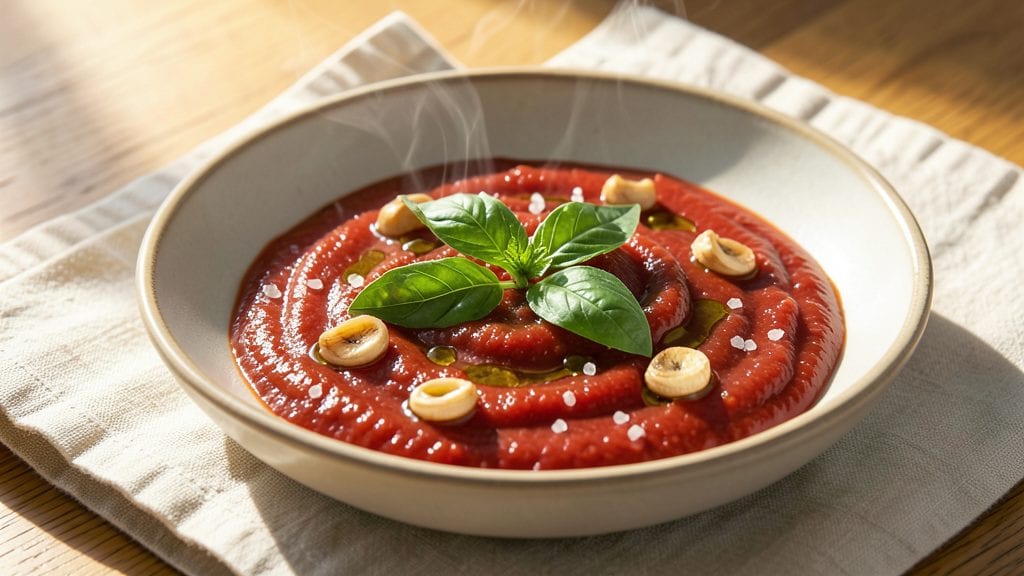
Transforming canned San Marzano tomatoes into a velvety, restaurant-quality sauce is simpler than you might think. These sun-ripened gems deliver unmatched sweetness and depth, making them the perfect base for a sauce that elevates every Italian dish.
I’ve perfected this method over years of testing—slow simmering preserves their natural flavor while developing a rich, concentrated essence that’s impossible to replicate with ordinary tomatoes.
The process relies on minimal intervention: just tomatoes, aromatics, and time. You’ll start with a quick sauté of garlic and olive oil to build flavor, then add the tomatoes and simmer until the sauce thickens naturally.
No blenders or additives needed—just traditional Italian technique. This approach ensures a clean, versatile sauce that works equally well as a base for pasta, a topping for pizza, or a drizzle over grilled meats.
What you’ll end up with is a smooth, glossy sauce with a perfect balance of sweetness and acidity—no bitterness or aftertaste. The slow reduction concentrates the tomatoes’ natural sugars, creating a depth of flavor that’s both comforting and sophisticated.
Store it in sterilized jars for up to six months, ready to transform any meal into something extraordinary.
This sauce is the foundation of countless Italian classics, yet it’s simple enough to make in under an hour. Whether you’re prepping for a week of homemade pasta or stocking your pantry for winter, this recipe delivers professional-quality results with minimal effort.
Let’s get started on creating your own sun-ripened treasure.
Ingredients for canned san marzano tomato sauce
Sun-ripened San Marzano tomatoes plus these nine essentials transform into velvety, restaurant-quality sauce.
| Ingredient | Amount | Notes |
|---|---|---|
| San Marzano Tomato Cans 🍅 | 28 oz | Whole, peeled tomatoes preferred |
| Extra-Virgin Olive Oil 🫒 | ½ cup | High-quality, fruity variety |
| Garlic Cloves 🧄 | 6 cloves | Fresh, peeled and smashed |
| Dried Oregano 🌿 | 1 tbsp | Italian oregano preferred |
| Sea Salt 🧂 | 1 ½ tsp | Diamond Crystal preferred |
| Fresh Basil Leaves 🌿 | ½ cup | Packed, stems removed |
| Black Peppercorns 🌶️ | ½ tsp | Freshly cracked preferred |
| Red Wine Vinegar 🍷 | 1 tbsp | For brightness (optional) |
| Sugar 🍬 | 1 tsp | Balances acidity (optional) |
The tomatoes are non-negotiable—San Marzano from Italy or California delivers that signature sweetness. Look for cans labeled 'whole peeled' (not crushed) at Whole Foods or Trader Joe's—the premium brands have fewer seeds and a cleaner flavor. Fresh basil is ideal but dried oregano at one-third the amount works in a pinch. The olive oil should be fruity and peppery—California Extra Virgin or Italian DOP oils elevate this sauce. For garlic, freshly smashed cloves add depth that jarred minced can't match, though pre-minced saves time if you're short.
No red wine vinegar? Balsamic glaze at half the amount adds sweetness without overpowering. Skip the sugar if your tomatoes are naturally sweet, but it helps balance acidity in less ripe batches. The oregano can be swapped for dried thyme at half the quantity, though it changes the flavor profile slightly. For a quicker prep, pre-minced garlic works, but toast it first for better flavor. If you're making a big batch, double the basil—it freshens up the sauce beautifully. The peppercorns should be freshly cracked for maximum aroma, but pre-ground is fine if you're in a hurry.
This sauce develops better with time—let it sit 24 hours before using for maximum flavor. Store in sterilized glass jars with olive oil seals to preserve freshness. Keeps for up to 6 months in the pantry or 3 months in the fridge. For single servings, freeze in ice cube trays—perfect for quick pasta additions. The sauce thickens as it cools, so don't worry if it looks too thin right after cooking.
Why You'll Love This Recipe
- No-Fuss Pantry Staple: I swear by this sauce because it’s built on ingredients I always have—canned San Marzano tomatoes, olive oil, and garlic. Honestly, the only prep is crushing a few cloves and opening a can. That’s it.
- Garlic-Oil Magic: The moment you simmer those tomatoes in extra-virgin olive oil with minced garlic? Pure satisfaction. The oil carries the sweetness of the tomatoes while the garlic softens into a fragrant, golden blanket—no fancy techniques needed.
- Weeknight to Potluck: This sauce works on a Tuesday night tossed with pasta or as a dip for crusty bread at a family gathering. Between us, I’ve even used it as a marinade for grilled chicken—it’s that adaptable.
- Budget-Friendly Pantry Gold: A single can of San Marzano tomatoes stretches into meals for days. I make a big batch, freeze half, and still have leftovers for lunches. (Yes, even on a Tuesday night.) The cost per serving? Less than a fast-food meal.
Step-by-step instructions for canned San Marzano tomato sauce
Transform simple canned tomatoes into restaurant-quality sauce with this straightforward method.
Prepare the Tomatoes and Aromatics
Open the 28 oz San Marzano tomato cans and transfer the contents to a large, heavy-bottomed pot. I prefer using a stainless steel or enameled Dutch oven for even heat distribution. The tomatoes should be whole and peeled—if they're not, give them a quick stir to break them up slightly, but don't over-process them. You want to preserve their natural texture while developing flavor.
Add the 0.5 cup extra-virgin olive oil to the pot and stir well to coat the tomatoes. The oil will help prevent the sauce from sticking and adds a rich, fruity depth. Place the pot over medium heat and let it warm through for about 5 minutes, stirring occasionally. This gradual warming prevents the tomatoes from breaking down too quickly, which is crucial for maintaining their natural sweetness.
Build Flavor with Garlic and Herbs
While the tomatoes warm, peel and smash the 6 cloves garlic with the flat side of a knife. This releases their oils and aromatics without turning bitter. Add the smashed garlic to the pot along with the 1 tbsp dried oregano and 1.5 tsp sea salt. Stir everything together and let it cook for 5-7 minutes, until the garlic becomes fragrant but doesn't brown. Here's the thing—garlic burns quickly, so keep an eye on it. You want it to infuse the tomatoes without adding bitterness.
Next, add the 0.5 cup fresh basil leaves and 0.5 tsp black peppercorns. The basil should be packed and stems removed—this ensures you get maximum flavor without fibrous texture. Stir gently to combine, then reduce the heat to low. Let the sauce simmer uncovered for 20-25 minutes, stirring occasionally. This slow simmer allows the flavors to meld while the tomatoes break down naturally, creating a velvety texture without overcooking.
Balance and Finish the Sauce
After the initial simmer, taste the sauce. The tomatoes should be soft but still hold their shape slightly. If the sauce tastes too acidic, add the 1 tbsp red wine vinegar and 1 tsp sugar. The vinegar brightens the flavors while the sugar balances the acidity—this step is optional but makes a noticeable difference. Stir well and let the sauce simmer for another 10 minutes to allow the sugar to dissolve completely and the flavors to integrate.
For the final touch, use an immersion blender to gently blend about half of the sauce until smooth. This creates a luxurious texture while leaving some chunks for contrast. If you don't have an immersion blender, carefully transfer half the sauce to a countertop blender, blend until smooth, then return it to the pot. The blended portion should be silky but still retain some tomato essence. Simmer the entire sauce together for another 5 minutes to ensure everything is heated through and perfectly balanced.
Pro Tips For Making Canned San Marzano Tomato Sauce
- Simmer Low and Slow: Crank the heat to medium-high at first just to break the tomatoes down, then drop it to a bare simmer—no bubbles, just a gentle shiver. I learned this the hard way after rushing and ending up with a thin, bitter sauce instead of something rich and velvety.
- Crush Garlic, Don’t Mince: Use the flat side of your knife to smash whole cloves into the oil before adding heat—no chopping, no burning. This keeps the flavor deep and aromatic without turning the sauce bitter, and it’s way faster than mincing.
- Salt in Stages: Taste and add salt gradually—start with half what you think you need, then adjust after 20 minutes of simmering. Canned tomatoes vary in saltiness, and oversalting early ruins the balance no matter how much you dilute later.
- Skip the Oregano Early: Add dried oregano only in the last 5 minutes of cooking—it burns faster than you’d think. If you toss it in too soon, you’ll end up with a bitter, ashy taste instead of that bright, herbal finish.
Storing and reheating your canned san marzano tomato sauce
Refrigerator Storage
Transfer your finished sauce to sterilized glass jars or airtight containers while still warm—this helps prevent condensation and extends shelf life. Let it cool completely before sealing, then refrigerate for up to 3 months.
The sauce will thicken further as it chills, so don’t worry if it looks too thin immediately. I like using Ball mason jars with olive oil seals for a pantry-ready look and extra protection. 🌿
Freezer Preservation
For long-term storage, portion the sauce into freezer-safe containers or silicone molds, leaving ½-inch headspace for expansion. Label with the date—this sauce stays excellent for up to 6 months when frozen. I prefer quart-sized glass jars because they thaw faster than plastic and won’t absorb odors.
For single-serving convenience, freeze in ice cube trays, then transfer cubes to a bag for quick pasta additions. Thaw overnight in the fridge for best texture.
Reheating Methods
Stovetop reheating is my go-to: simmer the sauce in a saucepan over low heat for 10-15 minutes, stirring occasionally. Add 1-2 tablespoons of water or pasta water if it thickens too much.
For microwave reheating, transfer to a microwave-safe bowl, cover loosely, and heat on 50% power in 1-minute intervals, stirring between each. Avoid boiling—this can break down the sauce’s delicate texture. Always check the internal temperature reaches 165°F for safety. 🔥
Reviving Thickened Sauce
If your sauce separates or thickens excessively after storage, simply stir in 1-2 tablespoons of warm water or broth while reheating. For a smoother consistency, pulse a portion in a blender before mixing back in.
The natural reduction process means some batches thicken more than others—don’t stress! A splash of extra-virgin olive oil (about 1 teaspoon) can also help restore richness if the sauce tastes flat after thawing.
Pantry Shelf Life
Store unopened jars in a cool, dark pantry for up to 6 months—the acidity from the tomatoes acts as a natural preservative. Once opened, transfer to the fridge and use within 3 months.
For extended pantry storage, add a thin layer of olive oil on top before sealing to create an oxygen barrier. I keep my jars in a dedicated sauce cabinet away from spices to prevent flavor cross-contamination. Always use a clean spoon to avoid introducing bacteria. ✨
Freezer Thawing Tips
For fastest thawing, place frozen sauce jars in a bowl of warm (not hot) water for 20-30 minutes, then finish with gentle stirring. Never microwave frozen sauce directly—this creates hot spots that can ruin the texture. If you’re short on time, thaw overnight in the fridge.
For a restaurant-quality finish, reheat the thawed sauce with a pinch of sea salt and fresh basil to revive its brightness. The slow thaw preserves the sauce’s natural sweetness and depth. 💫
Nutrition facts
Frequently asked questions
Can I use crushed San Marzano tomatoes instead of whole?
Whole peeled tomatoes work best for this recipe because they break down more evenly during simmering, creating a velvety texture. If you only have crushed, add 1 extra tablespoon of olive oil to prevent sticking and simmer for 10-15 minutes longer to thicken naturally. The flavor will still be excellent, but expect slightly more chunkiness.
How do I know when the sauce is ready for canning?
The sauce is ready when it reaches a 220°F internal temperature and has thickened enough to coat the back of a spoon. For home canning, use a pH strip test kit to confirm acidity (should be below 4.6). If unsure, process jars in a water bath for 85 minutes for pints or 100 minutes for quarts. Always sterilize jars and lids first.
What can I do with leftover sauce?
This versatile sauce works perfectly for pasta, pizza, or as a marinade for grilled meats. Freeze extras in ice cube trays for single-serving portions, or blend with cream and Parmesan for a quick Alfredo sauce. It also makes an excellent base for homemade tomato soup or bruschetta. Don't let leftovers go to waste—it's too good!
Can I adjust the spice level?
For extra heat, add ½ teaspoon of red pepper flakes or 1 chopped fresh chili during the final 10 minutes of simmering. For a smoky depth, stir in ½ teaspoon of smoked paprika at the end. Remember, flavors intensify during storage, so start conservative. Adjust to taste before canning.
Why does my sauce look too thin after canning?
The sauce will naturally thicken as it cools and settles. If it's still too thin after 24 hours, simmer uncovered for 15-20 minutes to reduce further. For immediate thickening, blend half the sauce until smooth, then mix back in. Never add cornstarch—it alters the natural tomato flavor. Patience is key!