
Sauces & Condiments
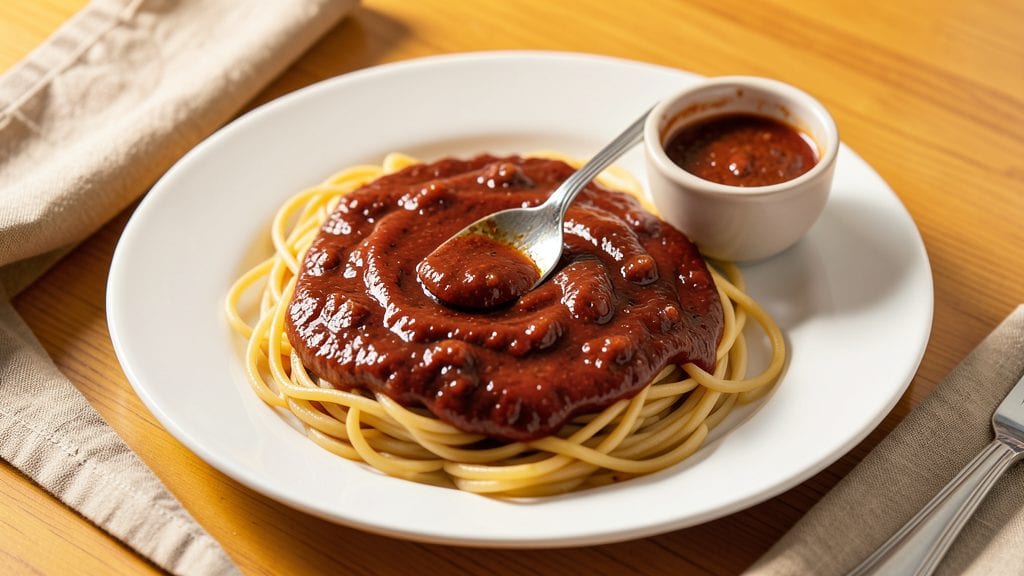
Rao's meat sauce recipe delivers the restaurant-quality umami depth that makes every bite of pasta unforgettable. The secret lies in slow-simmering ground beef with tomatoes, garlic, and herbs until the flavors meld into a rich, velvety sauce that clings perfectly to noodles.
I've perfected this version after years of testing—it's the kind of sauce that transforms simple spaghetti into a gourmet meal.
What sets this sauce apart is the balance of ingredients: high-quality ground beef for richness, crushed tomatoes for acidity, and a blend of aromatic herbs that build complex flavor over time.
The slow simmer develops deep umami notes while reducing the sauce to an ideal consistency—thick enough to coat pasta beautifully but still smooth enough to spoon. This isn't just any meat sauce; it's the kind that makes people ask for seconds.
By the time you're done, you'll have a sauce so flavorful it elevates even the most basic pasta dish to restaurant-quality status. The aroma alone will have everyone gathering around the table, and the first bite delivers that perfect harmony of savory, slightly sweet, and herby notes.
This sauce keeps well in the fridge for up to five days, making it perfect for meal prep or gifting to fellow pasta lovers.
The beauty of this recipe is its versatility—use it on spaghetti, lasagna, or even as a pizza topping. The instructions are straightforward, but the results are anything but ordinary. Let's get cooking and create sauce that'll have you reaching for the pasta box every time.
Ingredients for rao's meat sauce
Nine ingredients. One slow simmer. The kind of sauce that makes pasta night feel like a restaurant meal.
| Ingredient | Amount | Notes |
|---|---|---|
| Ground Beef 🥩 | 1 ½ lb | 80% lean, finely ground |
| Crushed Tomatoes 🍅 | 2 cups | San Marzano preferred |
| Extra-Virgin Olive Oil 🫒 | ½ cup | For richness and flavor |
| Yellow Onion 🧅 | 1 whole | Finely chopped, medium size |
| Garlic Cloves 🧄 | 6 cloves | Minced, fresh preferred |
| Dried Basil 🌿 | 2 tsp | Or 2 tbsp fresh basil |
| Dried Oregano 🍃 | 1 tsp | Italian preferred |
| Red Wine 🍷 | ½ cup | Dry, bold variety |
| Beef Broth 💧 | 1 cup | Low-sodium preferred |
| Sea Salt 🧂 | 1 tsp | Adjust to taste |
The beef is non-negotiable here—80% lean ground beef gives you that perfect balance of richness and texture. Costco or Whole Foods usually have the best quality. If you're using pre-ground, shake the bag first—the good stuff settles at the bottom. The tomatoes? San Marzano is the gold standard, but any high-quality crushed tomatoes will work. I grab the Muir Glen brand at Trader Joe's—it's affordable and consistent. For the onion, yellow onions add sweetness that caramelizes beautifully during the simmer. Skip the red—they bleed and turn the sauce pink.
No red wine? Beef broth with a splash of balsamic vinegar works in a pinch, but you'll miss that depth. Dried herbs are fine, but fresh basil is worth it—just double the amount if that's what you've got. The garlic can be roasted for a sweeter flavor (wrap whole cloves in foil, roast at 400°F for 10 minutes), but raw minced works too. Need to stretch this? Add an extra cup of beef broth or even a splash of heavy cream at the end for richness. The sauce thickens as it cools, so don't worry if it looks too loose right after simmering.
This sauce gets better with time—3-4 days in the fridge is ideal for maximum flavor development. Portion into containers with a thin layer of olive oil on top to preserve freshness. Freezes beautifully for up to 3 months, though the texture might change slightly. I always make a double batch—the first serving is for dinner, the second becomes next week's pasta night. Leftovers? Toss them in the freezer with a few noodles for an easy meal later.
Why You'll Love This Recipe
- One-Pan Magic: I swear by this for nights when I’m too tired to scrub pots—just brown the beef, toss in the onions and garlic, then let the crushed tomatoes and olive oil do their thing. No straining, no extra bowls, just pure, satisfying simplicity.
- Garlic-Kissed Depth: That slow simmer with garlic and olive oil? It transforms this into something richer than takeout. The crushed tomatoes melt into the beef, creating a sauce that’s tangy, meaty, and ridiculously flavorful—no fancy spices needed.
- Weeknight Workhorse: I use it for pasta, over polenta, or even stuffed into baked potatoes. It’s the kind of sauce that turns a basic meal into something special without extra effort—perfect for busy nights when you still want to feel like you cooked something amazing.
- Budget-Friendly Staple: Ground beef and canned tomatoes stretch for days, and the olive oil adds just enough richness to make it feel indulgent. Honestly, I’ve made this for years, and it’s one of those recipes where you always end up with leftovers—because it’s just that good.
Step-by-step instructions for rao's meat sauce recipe
Here's how to build that rich, slow-simmered sauce that clings to every strand of pasta.
Sear the Ground Beef for Deep Flavor
Heat the 0.5 cup extra-virgin olive oil in a large Dutch oven over medium-high heat. Add the 1.5 lb ground beef and break it apart with a wooden spoon, letting the pieces brown in batches. Don't rush this—you want those bits to turn deep brown and crispy, which builds the sauce's foundation. Once fully browned (about 8-10 minutes), drain all but 2 tablespoons of the rendered fat—this keeps the sauce rich without making it greasy.
Here's the thing—if you skip browning the beef, your sauce will taste flat. The Maillard reaction happening here creates complex flavors that no canned sauce can match. Just don't walk away; stir occasionally to prevent burning, especially toward the end when the beef releases its fat.
Build the Sauce Base with Onions and Garlic
Add the finely chopped yellow onion to the Dutch oven and cook for 5 minutes over medium heat, stirring often, until softened and translucent. This step develops sweetness in the onions that balances the richness of the beef. When the onions are nearly caramelized, add the 6 minced garlic cloves and cook for 30 seconds—just until fragrant. Don't let the garlic brown or it'll turn bitter.
I like to press the garlic into the onions with the back of the spoon during the last minute. This ensures every bite of pasta gets that garlic punch. The onions should be golden in spots by now, which means they've released their natural sugars to deepen the sauce's flavor profile.
Deglaze with Wine and Add Tomatoes
Pour in the 0.5 cup red wine and scrape up all those browned bits stuck to the bottom of the pot. This deglazing step captures all the meaty flavor you worked so hard to create. Let the wine simmer for 3-4 minutes until it reduces by half, then stir in the 2 cups crushed tomatoes, 2 tsp dried basil, 1 tsp dried oregano, and 1 tsp sea salt. The sauce should bubble gently—this is where the magic starts happening.
Real talk: The crushed tomatoes should be San Marzano if you can get them. Their natural sweetness and low acidity make a world of difference in the final product. If you use regular canned tomatoes, you might need to add a pinch more salt to balance the flavor.
Simmer Until Thick and Rich
Add the 1 cup beef broth and bring the mixture to a gentle simmer. Here's where patience pays off—cover the pot and let it cook at a barely perceptible bubble for 1.5 to 2 hours. Stir occasionally to prevent sticking, but don't overdo it. You're looking for the sauce to thicken naturally as the liquid reduces. The longer it simmers, the more intense the flavors become.
After about 1 hour, taste the sauce and adjust the seasoning if needed. I usually add another pinch of salt or a splash of red wine if it needs more depth. The sauce should coat the back of a spoon and have a velvety consistency by the end. If it's too thick, you can thin it with a little pasta water later.
Finish and Serve with Pasta
Once the sauce reaches your desired thickness, remove it from heat. Let it sit for 10 minutes to settle—this allows the flavors to meld even more. Taste again and adjust seasoning one final time. The sauce should be rich, slightly sweet, and packed with umami from the slow cooking process.
When ready to serve, toss the sauce with cooked pasta and a splash of pasta water to help it cling. The sauce should coat every strand beautifully, with a glossy sheen that tells you it's perfectly balanced. This isn't just any meat sauce—it's the kind that makes people ask for seconds.
Pro Tips For Making Rao'S Meat Sauce
- CRACK THE ONION DRY: I learned this the hard way—sweating onions in olive oil before browning the beef adds moisture, but it dulls their flavor. Instead, finely dice the onion and cook it in the same oil used for the beef, just until it’s translucent but not soft. The sharpness stays, and the sauce won’t turn into a watery mess when the tomatoes hit.
- BROWN THE BEEF IN BATCHES: High heat is non-negotiable here, but crowding the pan steams the meat instead of searing it. Work in two batches if needed—let the first get a deep crust before adding the second. Undercooked beef in the sauce? That’s a flavor killer. Push 3-4 minutes per batch until it’s dark and breaking apart.
- SALT THE CRUSHED TOMATES: Rao’s sauce has a bold, salty punch, but store-bought crushed tomatoes are often bland. Before adding them to the pan, sprinkle in 1½ teaspoons of kosher salt (or more if using table salt) and let it sit for 10 minutes. This jumpstarts the flavor extraction—no one wants to taste like they’re eating canned tomato paste.
- LET THE SAUCE SIT: Skipping the rest is the fastest way to ruin texture. After simmering, turn off the heat and let the sauce sit for 10-15 minutes, uncovered. The starches thicken naturally, and the acidity mellows. I know, I know—you’re eager to eat. But rushing this step turns your sauce into a thin, tangy glop instead of a rich, clingy masterpiece.
Perfect pairings for this dish
Pasta Pairings
This sauce is a match made in heaven with bucatini or spaghetti—their thick strands hold the sauce beautifully. I always cook bronze-cut spaghetti because the ridges grab the sauce like a magnet.
For a heartier option, try pappardelle or tagliatelle, which soak up the rich flavors without becoming mushy. 🍝
Cheese Boosts
Finish your dish with grated Parmigiano-Reggiano or Pecorino Romano for a salty, nutty contrast. I like to use freshly grated cheese—pre-shredded lacks the same depth. For a creamy twist, stir in ½ cup ricotta at the end or top with burrata for an elegant touch.
The sauce's acidity cuts through the richness perfectly.
Bread & Dippers
Warm garlic bread or focaccia makes an irresistible side. I dip crusty ciabatta into the sauce before serving—it soaks up the flavors like a sponge. For extra indulgence, try polenta or gnocchi as a base. The sauce's velvety texture pairs beautifully with their starchy textures.
Wine Pairings
A bold Chianti Classico or Sangiovese complements the sauce's acidity and depth. I reach for Montepulciano d'Abruzzo when I want something smoother. For white wine lovers, a dry Vermentino with citrus notes balances the richness. Avoid heavy reds—they overpower the sauce's delicate herbs. 🍷
Unexpected Uses
This sauce isn't just for pasta—use it as a pizza sauce under mozzarella and basil. Spread it on bruschetta with a sprinkle of cheese. I also love it as a dipping sauce for fried calamari or mozzarella sticks. The versatility makes it a pantry staple worth doubling.
Herb Garnishes
Fresh basil leaves or parsley add brightness at the table. I like to tear them by hand for a rustic touch. A sprinkle of red pepper flakes adds heat, while toasted pine nuts bring crunch.
For a smoky note, finish with a pinch of smoked paprika—it elevates the dish instantly.
Nutrition facts
Frequently asked questions
Why does Rao's meat sauce taste so rich and flavorful?
The secret lies in the slow simmering process that develops deep umami flavors. Browning the ground beef first creates rich, caramelized bits that form the sauce's foundation, while the red wine and beef broth add layers of complexity. The long cooking time allows all ingredients to meld together perfectly.
Can I make this sauce without red wine?
Replace the red wine with 1 cup beef broth plus 1 tablespoon balsamic vinegar for similar depth. The key is balancing acidity and richness—just adjust seasoning to taste. The sauce will still develop great flavor, though the wine adds a special dimension that's hard to replicate.
How do I fix a meat sauce that's too thick or too thin?
For a sauce that's too thick, stir in 1-2 tablespoons pasta water or beef broth until it reaches your desired consistency. If it's too thin, simmer uncovered for 5-10 minutes to reduce the liquid. Remember, the sauce will thicken more as it cools, so aim for a slightly looser consistency when hot.
What's the best way to store leftover meat sauce?
Let the sauce cool completely, then transfer to airtight containers. It keeps in the fridge for 5 days and freezes beautifully for up to 3 months. For best results, store with a thin layer of olive oil on top to preserve freshness. The flavors actually improve after 2-3 days of refrigeration!
Can I use ground turkey or chicken instead of beef?
While possible, beef gives the best texture and richness. If using turkey or chicken, increase the cooking time to 20-25 minutes for deeper flavor development. For a lighter option, try half beef, half turkey—it reduces calories while maintaining great taste. The sauce will be slightly leaner but still delicious.