
Sauces & Condiments
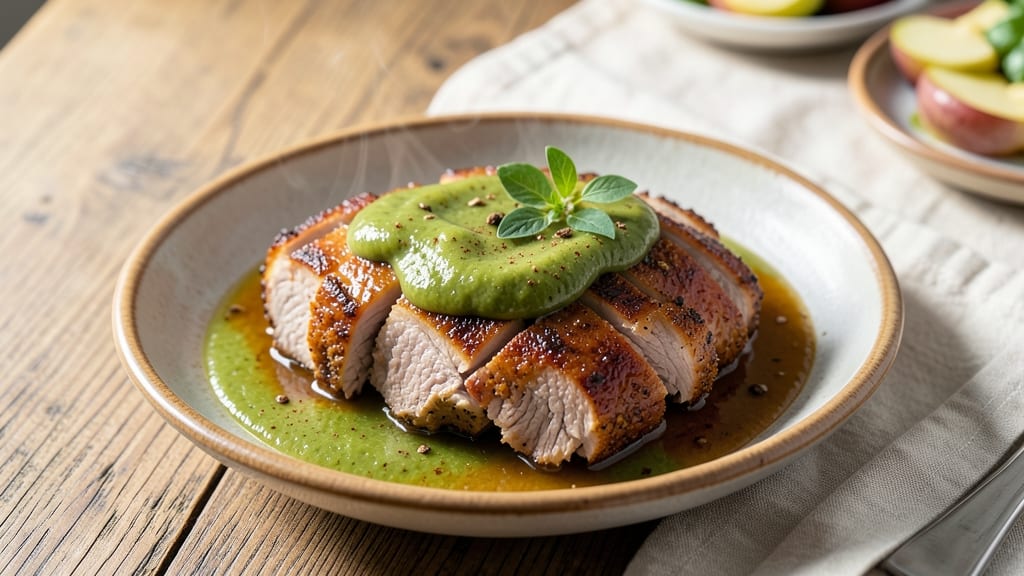
This apple sauce for pork roast transforms a simple side into the star of your meal with its perfect balance of sweetness and depth. 🌟 The slow-simmered method caramelizes natural apple sugars while infusing subtle warmth from cinnamon and cloves, creating a sauce that glides effortlessly over roasted pork or serves as a tangy accompaniment.
I developed this recipe after years of perfecting pork roasts at The Smoky Pig, where we needed a sauce that could stand up to the rich, smoky flavors of heritage pork.
The foundation begins with a mix of tart and sweet apples—Granny Smith for structure, Honeycrisp for natural sweetness—simmered with apple cider vinegar to brighten the flavors.
A touch of pork broth deepens the connection to the main dish, while cinnamon and cloves add aromatic warmth that complements the pork's natural richness. The sauce thickens beautifully as it simmers, developing a glossy finish that clings perfectly to every bite of roasted meat.
What makes this sauce truly special is its versatility—it works as a glaze for basting during the final minutes of roasting or as a rich accompaniment on the plate.
The slow cooking process allows the flavors to meld into a harmonious balance, with just the right amount of sweetness to cut through the pork's fat without overpowering its natural taste. This is the kind of sauce that elevates a simple pork roast into a showstopping centerpiece.
Perfect for holiday gatherings or weeknight dinners, this apple sauce pairs beautifully with both tenderloin and shoulder cuts of pork. The recipe makes enough to serve a crowd, with leftovers that reheat perfectly for sandwiches or as a topping for breakfast hash.
Let's create a sauce that will have everyone asking for seconds.
Ingredients for apple sauce for pork roast
Nine ingredients transform simple apples into a pork-roast sauce with restaurant-quality depth and caramelized sweetness.
| Ingredient | Amount | Notes |
|---|---|---|
| Granny Smith Apples 🍎 | 2 lb | Peeled, cored, chopped into chunks |
| Honeycrisp Apples 🍎 | 2 lb | Peeled, cored, chopped into chunks |
| Apple Cider Vinegar 🍏 | ¼ cup | Unfiltered preferred for depth |
| Pork Broth 🥩 | 1 cup | Homemade or quality store-bought |
| Ground Cinnamon 🌿 | 1 tbsp | Freshly ground for best aroma |
| Ground Cloves 🌶️ | ½ tsp | Whole cloves work too, crushed |
| Granulated Sugar 🍚 | ¼ cup | Light brown sugar for deeper caramel |
| Unsalted Butter 🧈 | 2 tbsp | Cold, cubed for glossy finish |
| Salt 🧂 | ½ tsp | Diamond Crystal preferred |
The apples are the heart of this sauce—Granny Smith for tart structure and Honeycrisp for natural sweetness. Grab them at Whole Foods or your local farmers market for peak flavor, especially in fall. If you can't find Honeycrisp, Fuji or Gala work in a pinch. The apple cider vinegar should be unfiltered—it adds complexity that regular vinegar lacks. For the pork broth, homemade is ideal, but Kirkland Signature from Costco is a solid backup. The cinnamon and cloves should be freshly ground if possible, as pre-ground spices lose potency quickly.
No Granny Smith? Pink Lady or Braeburn add similar tartness. Running low on pork broth? Vegetable broth plus 1 tbsp soy sauce mimics the umami depth. The sugar can be swapped for maple syrup (reduce by 1 tbsp) or even honey (though that changes the dietary profile). For a vegetarian version, replace the pork broth with mushroom broth and add 1 tsp liquid smoke to bridge the flavor gap. The butter is crucial—don't use margarine, as it won't create the same glossy finish. If you're making this ahead, the sauce actually improves overnight as flavors meld.
Store leftovers in an airtight container in the fridge for up to 5 days, though it reheats beautifully. For longer storage, freeze in ice cube trays—perfect portions for reheating. The sauce thickens as it cools, so add 1 tbsp water when reheating if it seems too stiff. This makes about 3 cups, which is perfect for basting a 6-8 lb pork roast or serving as a side for a crowd. The extra sauce? Breakfast hash topping or pork sandwich glaze—trust me, it disappears fast.
Why You'll Love This Recipe
- No Peel, No Stress: I swear by this shortcut—just core and chop those Granny Smiths and Honeycrisp apples (no peeling needed). The vinegar and broth do all the work while you’re still slicing the roast.
- Sweet-Savory Magic: That tangy apple cider vinegar cuts through the richness of the pork, while the cinnamon adds warmth. It’s the kind of sauce that makes you go back for seconds—no one will guess it’s this easy.
- Leftovers? Better Than New: This sauce actually improves the next day—thicker, richer, and perfect for slathering on sandwiches or tossing with mashed potatoes. Honestly, I make extra just for that.
- Budget-Friendly Crowd-Pleaser: A few apples, a splash of vinegar, and some broth stretch into enough sauce for a whole roast and sides. My in-laws think I slaved over it—between us, it’s my lazy genius.
Step-by-step instructions for slow-simmered apple sauce
This method transforms humble apples into rich, spiced apple sauce that pairs perfectly with pork roast.
🍳 Step 1: Sauté the Apple Chunks for Depth of Flavor
In a large, heavy-bottomed pot, melt the 2 tablespoons unsalted butter over medium heat until it foams but doesn't brown. Add the 2 lb Granny Smith apples and 2 lb Honeycrisp apples (already peeled, cored, and chopped) along with the 0.25 cup granulated sugar.
Cook for 8-10 minutes, stirring occasionally, until the apples begin to soften at the edges and release their juices. You'll smell the sweet-tart aroma intensify—that's when you know they're releasing their natural sugars. The Granny Smiths will add tartness while the Honeycrisp brings natural sweetness, creating the perfect balance for pork.
🍳 Step 2: Build the Spiced Base
Add the 1 tablespoon ground cinnamon and 0.5 teaspoon ground cloves, stirring to coat the apples completely. These spices will infuse the sauce with warm, aromatic notes that complement pork beautifully. Cook for another 2 minutes to toast the spices slightly—this releases their essential oils and deepens their flavor.
Pour in the 0.25 cup apple cider vinegar and 1 cup pork broth, scraping up any browned bits from the bottom of the pot. This deglazing step captures all the apple flavors you've developed so far. The vinegar will add brightness while the pork broth adds depth and savory notes that pair perfectly with the sweet apples.
⏰ Step 3: Simmer Until Perfectly Thickened
Bring the mixture to a gentle boil, then reduce heat to low and let it simmer uncovered for 30-40 minutes. Stir occasionally to prevent sticking, and watch for the sauce to thicken gradually. You're looking for a consistency where it coats the back of a spoon but still has some body—it should be thick enough to cling to pork but not so stiff it can't be spooned.
Here's the thing—don't rush this step. The slow simmer allows the apples to break down completely while developing complex caramelized flavors. If the sauce reduces too quickly, add 1-2 tablespoons water at a time to maintain the right consistency. The 0.5 teaspoon salt should be added during the last 5 minutes of cooking to preserve its flavor.
🥘 Step 4: Finish with Butter for Gloss and Richness
Once the apples are completely tender and the sauce has thickened to your desired consistency, remove the pot from heat. Stir in the remaining 2 tablespoons unsalted butter, cut into small cubes, until fully melted and incorporated. This final step adds luxurious mouthfeel and glossy sheen that makes the sauce look and taste restaurant-quality.
Taste and adjust seasoning if needed—you might want to add a touch more salt or sugar to balance the flavors perfectly. The sauce should be sweet enough to complement pork but not overpower it, with warm spice notes that enhance rather than dominate. Let it cool slightly before serving with your pork roast for the best texture and flavor experience.
Pro Tips For Making Apple Sauce For Pork Roast
- Peel and Core First: I learned this the hard way—peeling and coring apples before chopping saves you from dealing with slippery skins and uneven pieces mid-cook. Use a paring knife for precision, especially with Granny Smiths, which can get messy if you rush.
- Simmer, Don’t Boil: A gentle simmer (small bubbles, occasional swirls) keeps the sauce from turning watery or losing its bright apple flavor. If it’s boiling hard, turn the heat down—this isn’t a race, and you’ll regret rushing it later.
- Toast the Cinnamon: Warm the ground cinnamon in a dry pan for 30 seconds until fragrant—it deepens the flavor without bitterness. Skip this, and the sauce will taste flat, even if you use the right amount.
- Strain for Smoothness: After simmering, strain the sauce through a fine-mesh sieve to remove apple bits, especially if you’re serving it as a glaze. It’s extra work, but the result is silky and professional-looking—no one wants to bite into a chunk of apple with their pork.
Troubleshooting your apple sauce for pork roast
Sauce Too Thin?
If your sauce isn't thickening enough, you likely need more simmering time. I've found that using a heavy-bottomed Dutch oven helps maintain steady heat without burning.
After 40 minutes, if it's still runny, remove the lid and simmer uncovered for another 10-15 minutes—this evaporates excess liquid while concentrating flavors.
For immediate thickening, mix 1 tablespoon cornstarch with 2 tablespoons cold water, stir into the sauce, and simmer for 3-5 minutes until it reaches your desired consistency. 🔥
Sauce Too Thick?
Over-reduced sauce? No problem—simply whisk in 1-2 tablespoons warm water or apple cider vinegar while stirring constantly. If the sauce has separated or looks grainy, blend it briefly with an immersion blender for a silky texture.
For a smoother finish, strain through a fine-mesh sieve to remove any apple skins or fibrous bits. The key is to balance thickness with spoonability—it should coat the back of a spoon but still flow easily over pork.
Apples Not Soft Enough
Undercooked apples? Your heat might be too low or the apples too firm. Increase heat to medium-low and cook uncovered for another 10-15 minutes, stirring occasionally. For extra tenderness, add ¼ cup additional pork broth and let it simmer until the apples break down completely.
If using tart apples like Granny Smith, they may need 5-10 extra minutes of cooking time compared to sweeter varieties.
Sauce Tastes Bland
Bland sauce usually means underseasoned spices or insufficient acidity. Boost flavor by adding ½ teaspoon more ground cinnamon or a pinch of smoked paprika (about ¼ teaspoon). For brightness, stir in 1 teaspoon apple cider vinegar or a splash of lemon juice.
If the pork broth was weak, try adding ½ teaspoon soy sauce or a crushed bay leaf during the simmering process for deeper umami notes.
Sauce Separates or Looks Oily
This happens when butter separates from the liquid. To fix it, blend briefly with an immersion blender or whisk vigorously until smooth. For prevention, stir in the butter off heat and let it melt gradually rather than all at once.
If the sauce still looks broken, strain it through a cheesecloth-lined sieve for a silky finish. The butter should fully emulsify, creating that glossy, restaurant-quality sheen we love. 💫
Sauce Too Sweet?
If the sauce tastes cloyingly sweet, balance it by adding 1-2 teaspoons apple cider vinegar or lemon juice. For a savory twist, stir in ½ teaspoon Dijon mustard or a pinch of black pepper.
The key is to let the pork's natural richness shine through—this sauce should complement, not overpower. Taste as you go, adjusting gradually until you find the perfect harmony of sweet, tart, and savory notes.
Nutrition facts
Frequently asked questions about apple sauce for pork roast
Can I use this apple sauce as a glaze for pork roast?
This sauce works beautifully as a glaze when reduced to a thicker consistency. For best results, simmer the sauce uncovered for an extra 10-15 minutes until it reaches a syrupy texture that will caramelize on the pork. Brush it on during the last 20-30 minutes of roasting, basting every 5-10 minutes for a glossy finish.
What if I don't have pork broth? Can I substitute?
Yes! For a vegetarian version, use vegetable broth plus 1 teaspoon soy sauce to mimic pork's umami depth. If you're making this for a crowd, chicken broth with ½ teaspoon smoked paprika works well too. The key is maintaining that savory base that complements the sweet apples.
How do I store leftovers and reheat them?
Store in an airtight container in the fridge for up to 5 days—it actually improves overnight as flavors meld. To reheat, warm gently on the stove over low heat, stirring occasionally. If it thickens too much, add 1 tablespoon water or apple cider vinegar while reheating. For freezing, portion into ice cube trays for perfect single-use servings.
Can I make this sauce without sugar?
Certainly! For a naturally sweetened version, reduce the sugar to ¼ cup and add ¼ cup unsweetened applesauce or 2 tablespoons maple syrup. The Honeycrisp apples provide enough natural sweetness when cooked down. Just taste as you go—you may need to add a splash of vinegar to balance the flavors if it tastes too mild.
What's the best apple variety for this recipe?
The perfect combo is Granny Smith for tartness and Honeycrisp for sweetness, but don't stress if you can't find them. Use Pink Lady or Braeburn for tartness and Fuji or Gala for sweetness. Just ensure you have a mix of both tart and sweet apples to balance the sauce's flavor profile.