
Sauces & Condiments
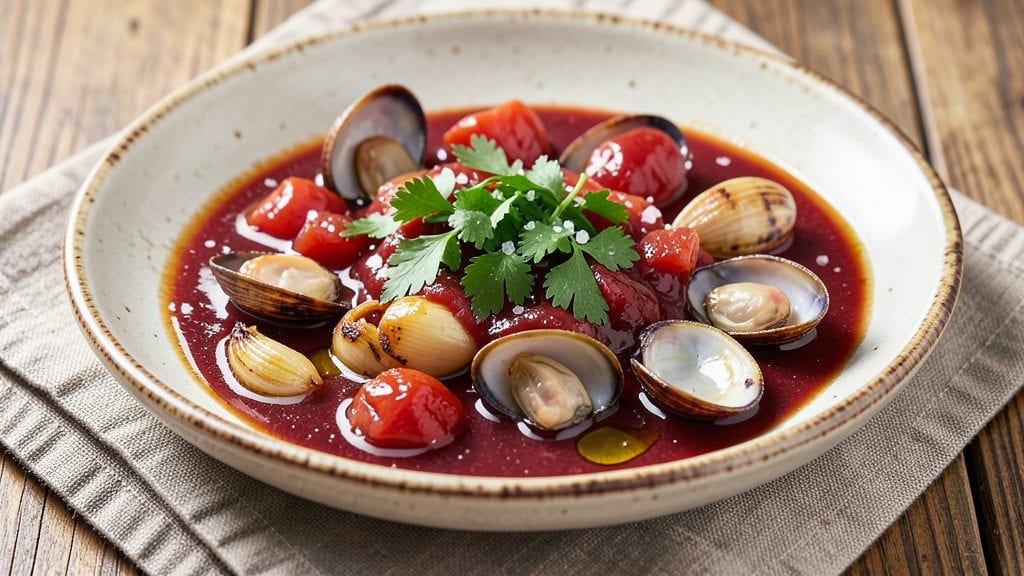
Creating a homemade Progresso-style red clam sauce delivers that perfect balance of briny clams, rich tomato, and aromatic herbs in every spoonful. The slow-simmered approach builds deep umami flavors that jarred versions simply can't match.
I developed this recipe after realizing how easy it is to replicate restaurant-quality sauce at home with just a few key ingredients and patience.
This sauce starts with a simple tomato base—crushed tomatoes, garlic, and olive oil—that forms the foundation. Clams add their signature briny depth, while white wine and herbs elevate it to something truly special.
The secret lies in simmering everything together until the flavors meld into a velvety, complex sauce that's perfect for dipping, drizzling, or pairing with pasta.
What you'll end up with is a rich, smooth sauce that's far more flavorful than anything you can buy. The clams dissolve into the sauce, leaving behind their briny essence, while the tomatoes provide a tangy backbone.
This sauce keeps beautifully in the refrigerator for up to 5 days, making it ideal for meal prep or gifting.
Whether you're looking to elevate a simple pasta dish or create a standalone condiment, this sauce delivers professional results with minimal effort.
The technique is straightforward, but the flavor payoff is undeniable—every bite will taste like you spent hours in the kitchen when, in reality, it only takes about 30 minutes of active time.
Ingredients for progresso red clam sauce
Simple ingredients that transform into a restaurant-worthy sauce with just 30 minutes of simmering.
| Ingredient | Amount | Notes |
|---|---|---|
| Fresh Clams 🦪 | 1 ½ lb | Cleaned, medium-sized, in shells |
| Crushed Tomatoes 🍅 | 2 cups | High-quality canned, San Marzano preferred |
| Extra-Virgin Olive Oil 🫒 | ½ cup | Fruity, peppery variety for depth |
| Garlic Cloves 🧄 | 4 cloves | Fresh, minced, not pre-minced |
| Dry White Wine 🍷 | ½ cup | Sauvignon Blanc or Pinot Grigio |
| Fresh Parsley 🌿 | ¼ cup | Chopped, stems removed |
| Fresh Basil 🌿 | ¼ cup | Chopped, tender leaves |
| Chicken or Vegetable Broth 💧 | 1 cup | Low-sodium preferred |
| Diamond Crystal Kosher Salt 🧂 | 1 tsp | Adjust to taste |
| Ground Black Pepper 🌶️ | ½ tsp | Freshly cracked |
| Red Pepper Flakes 🌶️ | ¼ tsp | Optional, for heat |
The clams are non-negotiable for that signature briny depth—look for medium-sized ones at the seafood counter, not the frozen section. Whole Foods or your local fishmonger will have the freshest. If you can't find fresh, high-quality canned clams (like Bumble Bee) work in a pinch, but the texture won't be the same. The crushed tomatoes should be San Marzano if possible—their sweetness balances the clams perfectly. I always grab a 28-ounce can and use half for this recipe, saving the rest for other dishes. The olive oil? Use something fruity—none of that cheap, bitter stuff. California Olive Ranch is my go-to.
No white wine? Clam juice or extra broth keeps the sauce balanced. Fresh herbs are ideal, but dried parsley at half the amount works if you're short. The broth matters—low-sodium is key so you don't oversalt. For extra richness, add 1 tablespoon of unsalted butter at the end. Want more umami? Add 1 teaspoon of fish sauce or a splash of soy sauce. The red pepper flakes are optional, but if you add them, start with just a pinch—you can always add more later.
This sauce tastes even better the next day as the flavors meld. Store in an airtight container in the fridge for up to 5 days. For longer storage, freeze in ice cube trays—perfect for adding to pasta later. I always make a double batch because it disappears fast. The clam shells? Save them for stock—simmer with onion peels and a splash of wine for a quick, flavorful base.
Why You'll Love This Recipe
- One-Pot Magic: I swear by this recipe because it’s all in one pot—no clam shucking mess, no extra pans. Just toss in the clams, tomatoes, and garlic, let the wine do its work, and you’ve got a rich, velvety sauce without the fuss. My hands stay clean, and my kitchen stays tidy. (Yes, even on a Tuesday night.)
- Garlic-Wine Kiss: That splash of dry white wine and crushed tomatoes with garlic? It’s the secret weapon. The wine cuts through the brininess of the clams while the tomatoes deepen the flavor—no heavy cream, no complicated spices. Honestly, the first time I tasted it, I nearly spilled my glass.
- Weeknight to Dinner Party: This sauce is my go-to for everything: toss it with linguine for a quick meal, drizzle it over grilled fish for a fancy touch, or even use it as a dip for crusty bread. I’ve served it at book club nights and family dinners—it’s unfussy enough for weeknights but impressive enough for guests.
- Leftovers That Don’t Let You Down: Between us, I always make too much. The good news? It reheats like a dream and tastes even better the next day. Store it in the fridge for up to five days, or freeze half for when you’re too tired to cook. No sad, watery leftovers here—just rich, clammy goodness waiting to be devoured.
Step-by-step instructions for slow-simmered clam sauce
This method delivers restaurant-quality depth with minimal effort—just patience and attention to layering flavors.
Sauté Aromatics in Olive Oil
Heat the 0.5 cup extra-virgin olive oil in a heavy-bottomed saucepan over medium heat until shimmering but not smoking. Add the 4 minced garlic cloves and cook for 30 seconds until fragrant—you'll smell that sweet, pungent aroma that forms the sauce's foundation. Here's the thing: if the garlic starts to brown too quickly, reduce the heat slightly. Burnt garlic turns bitter, and we're going for harmony, not bitterness.
Next, stir in the 0.25 tsp red pepper flakes and cook for another 10 seconds until the oil takes on a faint pink hue. This subtle heat will wake up later. Keep the pan moving constantly with a wooden spoon—this prevents sticking and ensures even cooking of the garlic. The oil should coat the back of a spoon but not be too thin; if it looks too dry, add 1 tablespoon extra-virgin olive oil to maintain the proper consistency for sautéing.
Deglaze with Wine and Tomatoes
Pour in the 0.5 cup dry white wine and immediately scrape up any browned bits from the bottom of the pan—this is called deglazing, and it captures all those flavorful compounds that would otherwise stick and burn. Let the wine simmer for 2-3 minutes until it reduces by about half, leaving a glossy, syrupy liquid. You'll notice the alcohol smell dissipating as it cooks off, transforming into a more complex, savory aroma.
Now add the 2 cups crushed tomatoes and stir to combine. Increase the heat to medium-high and bring the mixture to a gentle boil. Let it cook uncovered for 8-10 minutes, stirring occasionally, until the tomatoes break down and thicken slightly. The sauce should reduce enough to coat the back of a spoon—this builds the sauce's body and intensifies its umami flavor. If the sauce looks too thick before the 10 minutes are up, add 2 tablespoons chicken or vegetable broth to loosen it.
Add Clams and Simmer Until Open
Add the 1.5 lb fresh clams to the sauce, making sure they're submerged. Cover the pan with a lid and let the clams steam for 5-7 minutes over medium heat. You'll know they're ready when most of the clams have opened—their shells will gape slightly, and the siphons will extend. Discard any clams that remain closed, as they haven't cooked through and could be unsafe to eat. This step is critical: the clams should be just cooked through, not overdone, so they release their briny sweetness into the sauce.
Once the clams have opened, remove them from the sauce with a slotted spoon and set them aside. Strain the sauce through a fine-mesh sieve to remove any shell fragments or impurities. This ensures a silky, clean sauce without any gritty textures. The strained sauce should now be rich and slightly reduced, with a deep red hue from the tomatoes and a subtle sheen from the olive oil.
Finish with Herbs and Broth
Return the strained sauce to the pan and stir in the 1 cup chicken or vegetable broth, 0.25 cup fresh parsley, and 0.25 cup fresh basil. Add the 1 tsp diamond crystal kosher salt and 0.5 tsp ground black pepper, then bring the sauce to a gentle simmer over low heat. Let it cook for 5-7 minutes until the flavors meld and the sauce thickens slightly. The herbs should infuse the sauce with their bright, fresh notes, balancing the richness of the clams and tomatoes. Taste and adjust the seasoning—you might need a pinch more salt or pepper to achieve the perfect balance.
Finally, return the opened clams to the sauce and let them warm through for 1-2 minutes. The clams should be fully heated but still tender, not tough. The sauce should now be a vibrant, aromatic blend of umami, acidity, and herbal brightness. Serve immediately over al dente pasta or with crusty bread to soak up every last drop of this slow-simmered clam sauce.
Pro Tips For Making Progresso Red Clam Sauce
- Sweat Garlic Slow: I learned this the hard way—crispy garlic burns fast, and you’ll end up with bitter bits. Sauté those cloves in olive oil over low heat for 3-4 minutes until just golden, stirring often. No rush; you want aroma, not char.
- Shuck Clams First: Fresh clams need to steam open before hitting the sauce—or you’ll waste time waiting for them. Boil a pot of water, add a splash of vinegar, and drop in clams until they pop (about 5-7 minutes). Discard any that don’t open, then reserve the broth for depth.
- Deglaze with Wine: Don’t just dump the wine in and stir. After garlic and tomatoes sizzle, pour in the white wine gradually, letting each splash hit the hot pan and reduce slightly before adding more. This builds flavor layer by layer—skip it, and your sauce stays flat.
- Crush Tomatoes Wet: Dry crushed tomatoes turn to dust in the pan. Rinse them quickly under water, drain well, then crush—this keeps them from burning and ensures a smooth, velvety sauce. (Yes, even if the jar says “no need.”)
Troubleshooting great progresso red clam sauce
Clams Not Opening
If your clams aren't opening after 7 minutes of steaming, they're likely bad or undercooked. First, check their freshness—discard any with broken shells or a strong ammonia smell. For stubborn clams, increase the heat to medium-high for 2-3 more minutes while covered.
If they still don't open, toss them—they won't cook properly and could be unsafe. This usually happens with old or frozen clams, so always buy the freshest you can find. 🦪
Sauce Too Thin
A watery sauce often means the tomatoes weren't reduced enough. After adding crushed tomatoes, simmer uncovered for 10-12 minutes instead of 8-10 to thicken it naturally. If it's still too thin, remove the pan from heat and stir in 1 tablespoon cornstarch mixed with 2 tablespoons cold water.
Return to low heat and simmer for 2 minutes until thickened. Avoid adding too much broth—this sauce should coat the back of a spoon. 🥄
Overpowering Wine Taste
If the white wine flavor dominates, it likely didn't cook off enough. After deglazing, simmer the wine until it reduces by half—about 2-3 minutes—before adding tomatoes. For a milder flavor, reduce it longer or use a drier white wine like Pinot Grigio.
If the sauce still tastes too sharp, balance it with 1 teaspoon sugar or a pinch of salt. The wine should integrate smoothly, not stand out. 🍷
Herbs Floating on Top
Fresh herbs like parsley and basil often float because they're lighter than the sauce. To fix this, finely chop them into tiny pieces (almost like confetti) before adding. Alternatively, blend them briefly with 1 tablespoon sauce before stirring into the pan.
For extra infusion, add the herbs 5 minutes before the sauce is done so they steep in the heat. This ensures even distribution and maximum flavor. 🌿
Gritty Texture from Shells
Even with straining, tiny shell fragments can sneak through. After removing clams, strain the sauce through a fine-mesh sieve lined with a damp paper towel. For extra insurance, press the sauce through a cheesecloth or nut milk bag.
If you're in a hurry, blend the sauce briefly to break up any remaining particles—just be sure to strain again afterward. The result should be silky smooth. 🧂
Sauce Too Salty
Over-salting is common when using low-sodium broth or adding salt too early. If your sauce tastes too salty, dilute it with 2 tablespoons warm water or broth, then simmer for 2-3 minutes to rebalance.
For a more dramatic fix, stir in 1 tablespoon heavy cream or a pinch of sugar to cut the saltiness. Taste as you go—this sauce should be rich but not briny. 🧂
Nutrition facts
Frequently asked questions
Can I substitute canned clams for fresh in this sauce?
Yes, but fresh clams deliver the best texture and flavor. If using canned, drain them well and rinse with water to remove excess salt. For a closer match, add 1 teaspoon fish sauce to compensate for the lost briny depth. Avoid clams in heavy oil or water—they'll dilute your sauce.
How do I make this sauce vegetarian?
Replace the clams with 1 cup chopped mushrooms (shiitake or cremini) and add 1 teaspoon soy sauce or miso paste for umami. Simmer the mushrooms for 5 minutes before straining. The sauce will still be rich but with an earthy twist.
Can I make this sauce ahead of time?
This sauce tastes even better the next day as flavors meld. Store in an airtight container in the fridge for up to 5 days. For longer storage, freeze in ice cube trays—perfect for adding to pasta later. Reheat gently over low heat with a splash of water or broth.
What's the secret to getting the right consistency?
The key is patience—simmer the tomatoes uncovered for 10-12 minutes to reduce naturally. If too thick, add 1 tablespoon broth at a time. For extra richness, stir in 1 tablespoon butter at the end. The sauce should coat the back of a spoon but remain pourable.
How can I use leftover clam shells?
Save them for homemade clam stock! Simmer shells with 1 onion, 2 garlic cloves, and 0.5 cup white wine for 15 minutes. Strain and use the broth in soups or sauces. The shells will yield a rich, briny flavor that's perfect for seafood dishes.