
Sauces & Condiments
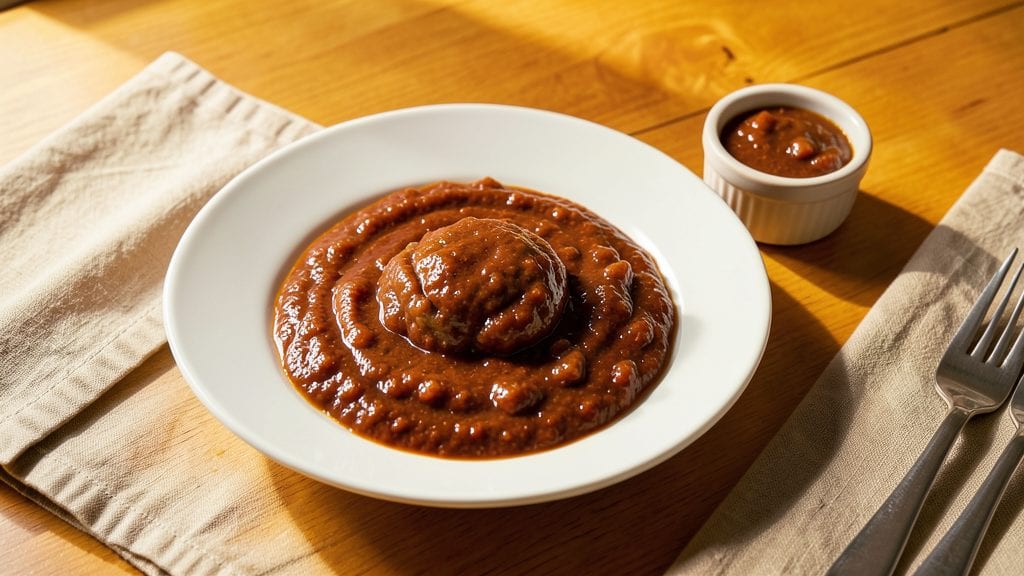
This Portuguese sauce recipe transforms grilled meats with its bold blend of smoky garlic and paprika, capturing the essence of Portuguese cuisine in every drop. The secret lies in slow-cooked aromatics—garlic, paprika, and white wine—that meld into a rich, velvety sauce with just the right balance of heat and depth.
I developed this after years of testing traditional recipes, refining it to deliver restaurant-quality flavor at home.
The sauce begins with a base of olive oil, garlic, and smoked paprika, simmered until fragrant before adding white wine to deglaze and create a silky texture. A touch of tomato paste deepens the color and flavor, while a splash of vinegar brightens the finish.
It’s designed to be versatile—equally at home on grilled chicken, pork chops, or even as a marinade for seafood.
What sets this sauce apart is its ability to elevate simple proteins into something extraordinary. The smoky garlic and paprika infuse the meat with layers of flavor, while the wine adds a subtle acidity that cuts through richness.
Ready in just 20 minutes, it’s perfect for weeknight dinners or special occasions when you want to impress without spending hours in the kitchen.
Store leftovers in an airtight container in the refrigerator for up to 5 days, or freeze for longer shelf life. For an extra kick, add a pinch of cayenne or a dash of piri-piri sauce.
This is the kind of sauce that turns a basic meal into a memorable experience—let’s get cooking!
Ingredients for portuguese sauce
Six cloves of garlic and a cup of olive oil kick off this smoky Portuguese sauce.
| Ingredient | Amount | Notes |
|---|---|---|
| Extra-Virgin Olive Oil 🫒 | ½ cup | High quality, fruity flavor preferred |
| Garlic Cloves 🧄 | 6 cloves | Freshly minced, skin-on preferred |
| Smoked Paprika 🌶️ | 2 tbsp | Not sweet paprika for authentic flavor |
| Dry White Wine 🍷 | ½ cup | Sauvignon Blanc or Verdelho works best |
| Tomato Paste 🍅 | 1 tbsp | Squeeze tube preferred for convenience |
| White Wine Vinegar 🍋 | 1 tbsp | Brightens the sauce perfectly |
| Bay Leaves 🍃 | 2 whole | Fresh or dried, removed before serving |
| Sea Salt 🧂 | ½ tsp | Fine grain preferred for balance |
| Ground Black Pepper 🌶️ | ¼ tsp | Freshly ground for best flavor |
| Fresh Parsley 🌿 | ¼ cup | Chopped, for garnish and freshness |
The smoked paprika is non-negotiable here—Penzeys or the bulk bins at Whole Foods have the best quality. For garlic, Spanish or Italian varieties have more flavor, but whatever's fresh at your market works. I always grab extra—half goes into the sauce, half gets toasted in olive oil for the grill. The white wine? Sauvignon Blanc or Verdelho from the grocery store wine section is perfect—no need for fancy stuff. If you're using dried bay leaves, crush them lightly before adding for more aroma.
No smoked paprika? Sweet paprika plus a pinch of liquid smoke gets you close, though it won't be identical. Short on white wine? Dry vermouth or even chicken broth works in a pinch. The tomato paste can be skipped if you're avoiding tomato flavor, but it adds that deep, rich color that makes the sauce look restaurant-worthy. Fresh parsley is ideal, but dried parsley at one-third the amount works if you're in a hurry. For extra heat, add a pinch of cayenne or piri-piri sauce—just don't overdo it.
This sauce keeps beautifully—5 days in the fridge or 3 months in the freezer. I like to make a double batch so I always have some on hand. It reheats perfectly—just warm it gently on the stove with a splash of water if it thickens too much. The flavor actually improves after sitting overnight as everything melds together. Store it in a glass jar to keep the flavors fresh longer.
Why You'll Love This Recipe
- Pantry Magic: I swear by this sauce because it lives in my fridge, not my pantry—it’s made with stuff I already have. That bottle of white wine gathering dust? Smoked paprika I bought on impulse? Boom, sauce. No last-minute grocery runs, just open, pour, and stir.
- Garlic Bomb: One minute of mincing garlic in olive oil, and your kitchen smells like a Lisbon street corner. The smoked paprika adds this deep, earthy warmth that makes it taste like you simmered it for hours—even though it’s ready in 15.
- Weeknight Swiss Army: Drizzle it over grilled chicken, toss it with roasted potatoes, or dump it on toast with a fried egg. It’s the one sauce that turns a sad Tuesday into a “wait, is this dinner?” moment. (Yes, even on a Tuesday night.)
- Leftovers That Lie: This sauce actually improves the next day—thicker, richer, and somehow even more addictive. I double the batch on Sundays, freeze half, and pretend I’m a fancy chef when I reheat it. (Between us, no one notices.)
Step-by-step instructions for smoky garlic and paprika sauce
This sauce builds flavor layer by layer—simple steps, bold results.
Bloom the Smoked Paprika
Heat the 0.5 cup extra-virgin olive oil in a medium saucepan over medium-low heat. Add the 2 tablespoons smoked paprika and stir constantly for 1-2 minutes until the mixture smells deeply aromatic and the paprika loses its raw taste. This step unlocks the smoky depth—don't rush it or the paprika will burn. You'll see the oil shimmer slightly, signaling it's ready for the next ingredients.
Here's the thing—I like to add the 2 whole bay leaves and 0.5 teaspoon sea salt at this stage too. They'll infuse the oil with subtle herbal notes while the paprika blooms. Keep the heat gentle; you're not cooking yet, just building flavor.
Add Garlic and Tomato Paste
Push the paprika mixture to one side of the pan and add the 6 cloves garlic cloves, skin-on, to the empty space. Sauté for 1-2 minutes until the garlic turns golden and fragrant—this prevents burning while maximizing flavor. If the garlic starts to brown too quickly, reduce the heat slightly.
Stir everything together, then add the 1 tablespoon tomato paste. Cook for another 1-2 minutes, stirring constantly, until the tomato paste darkens slightly and the mixture thickens just enough to coat the back of a spoon. This creates the rich base that will carry all the other flavors.
Deglaze with Wine and Vinegar
Pour in the 0.5 cup dry white wine and 1 tablespoon white wine vinegar, scraping up any browned bits from the bottom of the pan with a wooden spoon. These bits are pure flavor—don't miss them. Let the mixture simmer gently for 3-4 minutes until it reduces by about half and the alcohol smell disappears completely.
This reduction concentrates the flavors and balances the acidity from the vinegar. You'll notice the sauce darkens and thickens slightly—this is exactly what you want. If it reduces too quickly, lower the heat slightly to maintain gentle simmering.
Season and Finish
Add the 0.25 teaspoon ground black pepper and stir well. Taste the sauce and adjust the seasoning if needed—you might want to add a pinch more salt or a splash of vinegar to balance the flavors. The sauce should be tangy, smoky, and slightly sweet from the tomato paste.
Remove the 2 bay leaves and stir in the 0.25 cup chopped fresh parsley just before serving. This adds freshness that cuts through the richness. The sauce is ready to use immediately, but it actually tastes even better if you let it sit for 10-15 minutes at room temperature—this allows the flavors to meld completely.
Pro Tips For Making Portuguese Sauce
- Bloom the Paprika: After burning three batches of garlic, I learned to toast the smoked paprika first—just 30 seconds in the same oil before adding garlic. This deepens its flavor without turning your sauce bitter. (And yes, even if you're impatient like me.)
- Deglaze Immediately: The moment you remove the garlic from the oil, pour in that white wine and scrape every last bit from the pan. That browned garlic is pure flavor—let it dissolve into the sauce, not your sink. (Your future self will notice the difference.)
- Simmer, Don’t Boil: Once the tomato paste hits the pan, keep the heat low enough that the sauce bubbles gently but doesn’t boil hard. High heat turns paste into a gluey mess, and you’ll be left with a thick, grainy sauce instead of silky smooth. (Trust me, it’s worth the wait.)
- Use Cold Tomato Paste: Take the tomato paste straight from the fridge—it’s less likely to clump and burns more evenly. If you’re in a rush, at least let it sit out for 10 minutes. (This isn’t the prettiest method, but it’s the tastiest.)
Best sauces and condiments for these flavors
Classic Portuguese Pairings
This sauce was born for grilled meats, but it shines with Portuguese classics. Use it on pernil (Portuguese roast pork) or frango no churrasco (grilled chicken)—the smoky garlic clings beautifully to the meat. For seafood lovers, brush it on grilled sardines or shrimp skewers just before serving. 🍗
Don’t overlook its versatility with bacalhau (salted cod). Warm the sauce gently and drizzle over shredded cod with potatoes and onions for a quick, flavor-packed meal. The acidity in the vinegar cuts through the richness of the fish perfectly.
Modern Fusion Twists
Craving something different? Toss this sauce with grilled halloumi cheese and fresh roasted cherry tomatoes for a Mediterranean-inspired appetizer. The smoky paprika and garlic complement the salty cheese beautifully. For a heartier plate, serve it over polenta or grilled polenta slices with charred mushrooms.
For a fusion twist, add 1 teaspoon of harissa paste when blooming the paprika to introduce North African heat. The result? A bold, layered sauce that works with grilled lamb chops or spicy shrimp tacos. The harissa adds depth without overpowering the original flavors.
Bread and Dips
Transform this sauce into a dip by thinning it slightly with warm water or broth and serving it with crusty Portuguese bread (pão) or freshly baked focaccia. The crusty bread soaks up the sauce beautifully, making it a perfect starter or snack.
For extra flair, sprinkle with toasted breadcrumbs and a pinch of flaky sea salt before serving.
Use it as a marinade for grilled vegetables like eggplant or zucchini. The smoky garlic infuses the veggies with rich flavor, making them ideal for a warm salad or as a side dish. Just brush the sauce on the veggies and grill for 5-7 minutes until tender and slightly charred.
Cheese and Charcuterie
Elevate your charcuterie board by pairing this sauce with Portuguese queijo da serra (sheep’s milk cheese) or manchego. The smoky, garlicky notes complement the nutty, tangy flavors of the cheese. Serve the sauce warm in a small bowl with crusty bread and cured meats like presunto or chouriço.
For a sweet-and-smoky twist, drizzle a small amount over grilled pineapple slices or caramelized onions. The acidity in the sauce balances the sweetness, creating a unique flavor profile that’s perfect for dessert-inspired dishes or unexpected appetizers.
Nutrition facts
Frequently asked questions
Can I make this sauce without wine?
The white wine adds depth and acidity that balances the richness, but you can substitute it with 0.5 cup dry vermouth or even chicken broth (for a lighter version). If using broth, add an extra 0.5 teaspoon of vinegar to maintain the tangy brightness. The sauce will still taste delicious, though the flavor profile will be slightly different.
How spicy is this sauce, and can I adjust the heat?
This recipe has a mild, smoky warmth from the paprika—no extreme spice. For extra heat, add ½ teaspoon of cayenne or 1 teaspoon of piri-piri sauce when blooming the paprika. Start with small amounts and taste as you go. The vinegar helps balance any added spice, so don't skip it!
Can I use this sauce as a marinade?
Use this sauce as a marinade for chicken, pork, or seafood by thinning it with 2 tablespoons of olive oil per ½ cup of sauce. Marinate proteins for 2-4 hours (or overnight for tougher cuts like pork). The smoky garlic flavors will infuse beautifully, but don't over-marinate seafood to avoid fishy tastes.
Why does my sauce taste bitter?
Bitterness usually comes from overcooking the garlic or letting the paprika burn. Keep the heat at medium-low and stir constantly when blooming the paprika. If it's already bitter, balance it with 1 extra tablespoon of vinegar or a pinch of sugar to mellow the flavor. Fresh parsley at the end also helps brighten the sauce.
What’s the best way to store leftovers?
Transfer the sauce to an airtight container and refrigerate for up to 5 days. For longer storage, freeze in ice cube trays (perfect for single-use portions) or a sealed container for up to 3 months. Thaw in the fridge overnight and reheat gently on low heat, adding a splash of water if it thickens too much.