
Sauces & Condiments
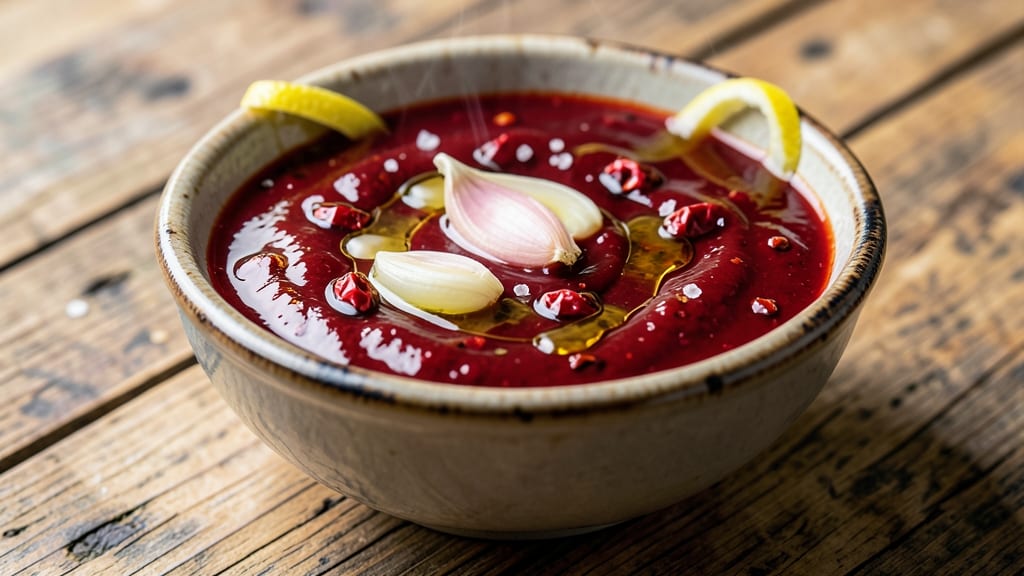
This authentic Portuguese piri piri sauce delivers the fiery, smoky heat that makes it legendary—no shortcuts, just the bold, tangy essence of fresh chili peppers, garlic, and vinegar. The secret lies in balancing heat with acidity, creating a sauce that's as versatile as it is unforgettable.
I've perfected this recipe after years of testing, ensuring every batch captures that authentic Portuguese depth.
The traditional method involves fermenting the chili peppers for a few days to mellow their heat while intensifying their flavor, but we'll simplify it with a quick blend that still delivers restaurant-quality results.
You'll need fresh piri piri peppers (or a close substitute), garlic, white vinegar, olive oil, and a touch of salt—simple ingredients that transform into something extraordinary. The sauce develops even more complexity as it rests, so patience is key.
What you'll end up with is a vibrant, slightly sticky sauce with layers of heat, smokiness, and tang—perfect for marinating grilled chicken, drizzling over seafood, or serving as a fiery dipping sauce.
The authentic Portuguese technique ensures a balance of flavors that's both bold and harmonious, making it a staple in any kitchen. This isn't just a sauce; it's an experience.
Store it in the refrigerator for up to a week, allowing the flavors to meld further with each passing day. The longer it sits, the deeper the taste becomes.
Whether you're cooking for a crowd or treating yourself to a spicy kick, this piri piri sauce will elevate every dish it touches. Let's get started!
Ingredients for authentic portuguese piri piri sauce
Fresh peppers meet bold flavors—simple ingredients for a sauce that packs serious heat.
| Ingredient | Amount | Notes |
|---|---|---|
| Fresh Piri Piri Peppers 🌶️ | 1 cup | Seeds removed for milder heat |
| Garlic Cloves 🧄 | 8 cloves | Peeled and roughly chopped |
| White Vinegar 💧 | ½ cup | Distilled preferred for tang |
| Extra-Virgin Olive Oil 🫒 | ½ cup | High-quality, fruity variety |
| Sea Salt 🧂 | 1 tsp | Fine grain preferred |
| Fresh Lemon Juice 🍋 | 1 tbsp | Brightens the sauce |
| Fresh Cilantro Leaves 🌿 | ¼ cup | Optional, for freshness |
| Smoked Paprika 🌶️ | 1 tsp | Adds authentic smokiness |
Piri piri peppers are the heart of this sauce, and they're worth hunting down—most Latin markets or specialty grocers carry them fresh. If you can't find them, bird's eye chilies or Thai chilies work in a pinch, but they're hotter, so use half the amount. The garlic should be fresh—no pre-minced jars. For vinegar, distilled white vinegar is ideal, but apple cider vinegar adds a nice depth. The olive oil matters too—skip the cheap stuff. I grab mine from Trader Joe's or Whole Foods for that fruity kick.
No piri piri peppers? Bird's eye chilies or habaneros can work, but they're way hotter—start with 1/4 cup and adjust to taste. Fresh garlic is non-negotiable here—jarred minced garlic tastes like sawdust. Short on vinegar? Lemon juice at double the amount gets you close, though the tang won't be identical. The smoked paprika is key for that authentic Portuguese smokiness—regular paprika won't cut it. If you're feeling fancy, toast the paprika in a dry pan for 30 seconds to deepen the flavor. The cilantro is optional but adds a nice freshness—skip it if you hate cilantro, but don't replace it with parsley.
This sauce only gets better with time—make it a day ahead if you can. Store it in a sealed jar in the fridge for up to 1 week. The flavors meld beautifully over time, so don't rush it. If you make a big batch, freeze half in ice cube trays for easy single-serving use. The sauce thickens as it sits, so you can thin it with a splash of water or vinegar if needed. Trust me, the longer it rests, the more complex it tastes—patience is key.
Why You'll Love This Recipe
- Five-Ingredient Magic: I swear by this recipe because it’s that simple—just peppers, garlic, vinegar, oil, and salt. No blenders, no fancy gadgets, just a knife and a bowl. Honestly, if you can chop, you can make this.
- Heat You’ll Crave: The piri piri peppers pack a fruity, smoky kick that lingers without being overpowering. Between us, that first bite of garlic-infused oil on your tongue? It’s the kind of flavor that makes you reach for seconds.
- Weeknight Superstar: Slather it on grilled chicken, toss it with roasted potatoes, or drizzle it over eggs—this sauce turns boring meals into something exciting. I’ll be real: it’s my go-to when I’m too tired to plan but still want flavor.
- Stays Fresh, Saves Money: Make a big batch and keep it in the fridge for up to two weeks. The vinegar and oil preserve it perfectly, so you’re not scrambling for takeout. Plus, fresh peppers are cheaper than pre-made sauces, and you’ll use every last drop.
Step-by-step instructions for authentic Portuguese piri piri sauce
Here's how to make this iconic Portuguese sauce that balances fiery heat with smoky depth.
Prepare the Piri Piri and Garlic Base
Start by removing seeds from the 1 cup fresh piri piri peppers - this reduces the heat while keeping the vibrant flavor. I like to cut them into rough chunks for even cooking. In a food processor, combine the peppers with the 8 cloves peeled garlic and pulse until you get a coarse paste. You want texture, not a smooth puree.
This step is where the magic begins. The peppers should release their natural oils as they break down. If you're sensitive to heat, you can remove some of the white pith from the peppers' inner walls - that's where much of the capsaicin resides. Keep the processor bowl ready for the next step.
Cook the Pepper-Garlic Mixture
Heat a medium saucepan over medium-low heat and add the pepper-garlic paste. Cook for 5-7 minutes, stirring frequently, until the mixture darkens slightly and becomes fragrant. You'll see the oils separate and the peppers soften - this is when their natural sugars caramelize.
Don't rush this cooking process. The peppers need time to release their full flavor profile. If you smell a strong vinegary aroma developing, reduce the heat slightly. We're building layers of flavor here - the sweetness from the peppers, the aromatic punch from the garlic, and the foundation for what's coming next.
Add Vinegar and Simmer
Pour in the 0.5 cup white vinegar and the 1 tsp sea salt, stirring constantly. Bring the mixture to a gentle simmer and cook for 8-10 minutes until reduced by about half. You're looking for a thick, jam-like consistency that coats the back of a spoon. The vinegar will help preserve the sauce and balance the heat.
This reduction step is crucial. It concentrates the flavors and removes excess moisture. You'll know it's ready when the sauce clings together rather than separating. If it's too thin, simmer a few more minutes - if too thick, we'll adjust it later with the olive oil.
Blend and Finish the Sauce
Transfer the pepper mixture to the food processor and blend until completely smooth. With the processor running, slowly drizzle in the 0.5 cup extra-virgin olive oil - this emulsifies the sauce and creates that signature silky texture. Add the 1 tbsp fresh lemon juice and 1 tsp smoked paprika, blending just until combined.
Taste and adjust the seasoning. You might need more salt to balance the acidity, or a touch more vinegar if the heat needs mellowing. For extra freshness, add the 0.25 cup fresh cilantro leaves and pulse just until chopped. The sauce should be vibrant red with a glossy sheen from the olive oil.
Rest and Store for Maximum Flavor
Let the sauce cool completely at room temperature. This resting period allows all the flavors to meld together. For best results, refrigerate for at least 24 hours before using - this gives the heat time to mellow slightly and the flavors to develop fully.
The sauce will keep in the refrigerator for up to 2 weeks or can be frozen for 3 months. When ready to use, give it a good stir and thin with water or broth if needed. This sauce transforms grilled meats, seafood, and even roasted vegetables into authentic Portuguese dishes that pack serious heat and smoky depth.
Pro Tips For Making Authentic Portuguese Piri Piri Sauce
- CHAR THE PEPPERS LOW: I learned this the hard way—blasting those peppers on high heat turns them bitter. Simmer them on low for 10-15 minutes, just until they soften and release their oils. You want them to caramelize, not burn. (Yes, even if you’re impatient like me.)
- PEEL GARLIC AFTER TOASTING: Toast the whole garlic cloves in olive oil first—this mellows their sharpness and deepens the flavor. After toasting, pop them out, peel while warm, and crush them right into the sauce. Cold garlic skins are a nightmare to remove.
- VINEGAR FIRST, THEN OIL: Add the white vinegar to the peppers before the olive oil—this prevents the sauce from separating and ensures the acidity cuts through the heat evenly. Stir it in, let it mingle for 2 minutes, then add the oil. Trust me, your sauce will be smoother.
- SALT THE PEPPERS BEFORE COOKING: Toss the sliced peppers with a pinch of salt before they hit the pan. This draws out moisture, concentrates the flavor, and prevents the sauce from tasting flat. I used to skip this, and the difference is noticeable.
Essential equipment for perfect results
Food Processor
You absolutely need a high-quality food processor for this recipe—I use my Ninja BN601 for its powerful motor and sharp blades. The processor handles the initial pepper-garlic blend and the final emulsification with olive oil.
If you're using a budget model, pulse frequently to prevent overheating. For a smoother sauce, blend longer—but don’t overdo it, or you’ll lose texture. 🌶️
Saucepan
A heavy-bottomed saucepan is essential for even cooking. I prefer All-Clad stainless steel because it distributes heat perfectly and prevents scorching. The pan needs to handle medium-low heat for 8-10 minutes without burning the peppers.
If your pan is light, reduce heat further to avoid sticking. A wooden spoon helps stir without scratching the saucepan.
Fine-Mesh Strainer
For a smoother sauce, strain the cooked pepper mixture through a fine-mesh strainer before blending. This removes any fibrous bits that can make the final sauce grainy. I like the OXO Good Grips—it’s sturdy and easy to clean.
If you skip this step, the texture will be slightly chunkier, which works for some applications but not for a silky dipping sauce. 💧
Measuring Tools
Precision matters with vinegar, olive oil, and salt. Use a liquid measuring cup for the ½ cup vinegar and ½ cup olive oil, and a small spoon for the 1 tsp salt and 1 tsp smoked paprika.
A digital scale ensures accuracy if you’re substituting ingredients. I keep a set of stainless steel measuring spoons from OXO—they’re durable and easy to read. Never eyeball vinegar or oil; these liquids control the sauce’s balance.
Glass Storage Jar
Store your sauce in an airtight glass jar with a wide mouth for easy access. I use Le Parfait 32-ounce jars—they’re sturdy and let you see the vibrant red sauce. Glass preserves flavor better than plastic and won’t absorb odors.
Label the jar with the date, as the sauce’s heat mellows over time. For long-term storage, freeze in ice cube trays for single-serving portions. ❄️
Nutrition facts
Frequently asked questions
What's the best way to handle fresh piri piri peppers if I can't find them?
If you can't find fresh piri piri peppers, bird's eye chilies or Thai chilies are the closest substitutes. Use half the amount (about 1/4 cup) since they're much hotter. For a milder sauce, remove seeds and membranes completely. If you're using dried peppers, rehydrate them first in warm water for 10 minutes before blending.
Can I make this sauce without a food processor?
Yes! You can use a mortar and pestle for the initial pepper-garlic mash, then transfer to a saucepan. For blending, a handheld immersion blender works well in the saucepan. Just be patient—you may need to strain the mixture through a fine-mesh sieve for a smoother texture. The key is achieving a smooth consistency to emulsify with the olive oil.
How do I adjust the heat level in this sauce?
For milder heat, remove more pepper seeds and membranes before cooking. If the sauce is too hot, add 1-2 tbsp more vinegar or lemon juice to dilute the capsaicin. For extra heat, add 1/2 tsp cayenne pepper or a few extra chopped peppers. Always taste as you go—you can adjust while blending the final sauce.
What are the best ways to use this authentic Portuguese sauce?
This sauce excels as a marinade for grilled chicken or pork (especially pernil), a dipping sauce for bifana sandwiches, or a glaze for seafood like shrimp or octopus. Try it on roasted potatoes or drizzled over grilled vegetables. For a Portuguese classic, brush it on bacalhau (salted cod) before baking. The possibilities are endless!
Why does my sauce look too thin or too thick?
If your sauce is too thin, simmer it 2-3 more minutes to reduce. For a thicker sauce, blend in 1 tbsp cornstarch mixed with 1 tbsp water and simmer again. The ideal consistency should coat the back of a spoon but still be pourable. Remember, the sauce thickens as it rests in the fridge, so start slightly thinner if needed.