
Sauces & Condiments
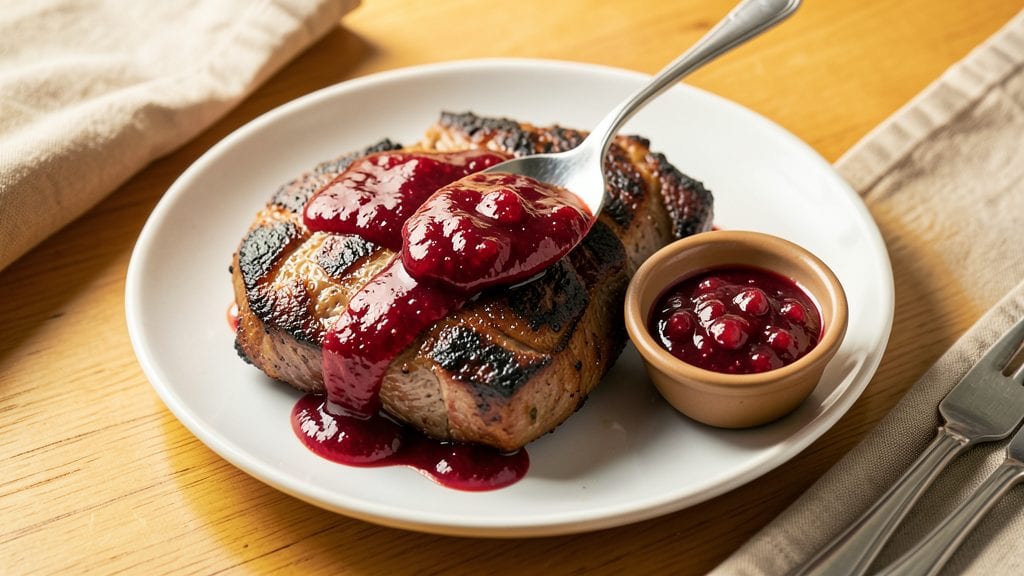
This pomegranate sauce recipe transforms ruby-red jewels into a versatile glaze that elevates everything from grilled lamb to vanilla ice cream. The secret lies in balancing tart pomegranate molasses with sweetened purée, creating a sauce that's both vibrant and deeply flavorful.
I developed this after years of experimenting with Middle Eastern-inspired glazes—it's the one that finally delivers that perfect balance of sweet, tart, and complex depth.
The beauty of this sauce is its adaptability. Use it as a bold drizzle over roasted meats, a tangy glaze for desserts, or even a sophisticated salad dressing.
The recipe calls for just 5 simple ingredients—pomegranate molasses, fresh juice, a touch of honey, and a pinch of cinnamon—that come together in 15 minutes with no special equipment. The molasses provides that signature pomegranate intensity while the fresh juice keeps it bright and lively.
What you'll end up with is a glossy, jewel-toned sauce that adds a sophisticated touch to any dish. The texture is silky yet clings beautifully, and the flavor profile is surprisingly versatile—sweet enough to complement desserts but tart enough to cut through rich meats.
It stores well in the fridge for up to 2 weeks, making it perfect for meal prep or gifting.
For extra depth, consider adding a splash of orange blossom water or a pinch of cardamom. This sauce is the ultimate pantry staple—once you make it, you'll find yourself reaching for it again and again. Let's get started on creating your own ruby-red masterpiece.
Ingredients for pomegranate sauce
Five ingredients. Fifteen minutes. A ruby-red glaze that transforms everything from lamb to desserts.
| Ingredient | Amount | Notes |
|---|---|---|
| Pomegranate Molasses 🍇 | ½ cup | 100% pure, no additives |
| Fresh Pomegranate Juice 🍹 | ½ cup | Strained, seeds removed |
| Raw Honey 🍯 | ¼ cup | Wildflower preferred |
| Ground Cinnamon 🍃 | 1 tsp | Freshly toasted for depth |
| Extra-Virgin Olive Oil 🫒 | 2 tbsp | Light fruity variety |
Pomegranate molasses is the heart of this sauce—look for 100% pure in the international aisle at Whole Foods or Trader Joe's. The fresh juice? Strain it yourself—the seeds add texture but can be gritty. I always grab a bag of pomegranates from Costco in the fall and juice them fresh; the flavor is leagues better than bottled. If you're short on time, notre famille brand is solid, but it won't have that bright, fresh punch. The honey should be raw and unfiltered—local wildflower adds floral notes that play beautifully with the tartness. And for the olive oil, Kalamata olives are my go-to for that fruity, peppery kick.
No molasses? Substitute equal parts pomegranate juice plus 1 tbsp lemon juice—it won't be as concentrated but still delivers. Running out of honey? Maple syrup works in a pinch, though it leans more toward caramel notes. The cinnamon is non-negotiable for warmth, but if you're feeling fancy, add a pinch of cardamom—it's a Middle Eastern secret. For extra depth, a splash of orange blossom water (find it in the Middle Eastern aisle) turns this into a restaurant-worthy sauce. And if you're using this for desserts, reduce the honey to 1 tbsp—the molasses is sweet enough on its own.
This sauce keeps like a dream—2 weeks in the fridge sealed in a glass jar. For gifting, divide it into small amber bottles (they preserve the color). The texture thickens as it sits, so give it a quick whisk before using. Freezes beautifully for up to 6 months—just thaw overnight in the fridge. Pro tip: Drizzle over warm vanilla ice cream or use as a glaze for grilled chicken. It's the kind of sauce that makes you want to make it again and again.
Why You'll Love This Recipe
- Five-Minute Miracle: I swear by this—just simmer those five ingredients (yes, really) until they thicken. No peeling, no seeds to pick out, no mess. The molasses and honey do all the work while I sip my coffee.
- Sweet-Spiced Magic: That first taste of warm cinnamon cutting through the tart molasses? It’s like a hug in sauce form. The olive oil ties it all together—creamy but never heavy, with just enough bite to wake up your taste buds.
- Breakfast to Dessert: Drizzle it over yogurt in the morning, swirl it into hummus for lunch, or spoon it onto vanilla ice cream at night. Honestly, I’ve even used it to glaze roasted carrots—trust me, it works.
- Pantry Goldmine: A little goes a long way, so you’ll have leftovers for weeks. The molasses and honey keep it shelf-stable, and the cost? A fraction of store-bought syrups. Plus, it’s one of those ingredients that makes everything it touches feel special.
Step-by-step instructions for pomegranate sauce
This vibrant glaze transforms ordinary dishes into showstoppers with minimal effort.
Combine Base Ingredients in a Saucepan
In a medium saucepan, pour in the 0.5 cup fresh pomegranate juice and 0.5 cup pomegranate molasses. Stir gently to integrate the ingredients completely—this creates the foundational depth of flavor that defines our sauce. The molasses brings that signature tart-sweet complexity while the juice maintains the natural fruit brightness.
Place the saucepan over medium-low heat and bring to a gentle simmer. You'll notice small bubbles forming around the edges—this is your visual cue that the liquid has reached the perfect temperature for reduction. Let it simmer uncovered for 5-7 minutes, stirring occasionally with a wooden spoon to prevent scorching. The sauce will begin to thicken noticeably as moisture evaporates, creating a syrupy consistency that coats the back of your spoon.
Sweeten and Spice the Mixture
Once the sauce has reduced by about one-third (it should coat a spoon but still be pourable), remove the pan from heat. This is the moment we introduce the 0.25 cup raw honey and 1 teaspoon freshly toasted ground cinnamon. The honey will mellow the tartness while adding luxurious sweetness, and the cinnamon brings warm, aromatic complexity that elevates the sauce from simple syrup to something truly special.
Whisk vigorously to dissolve the honey completely—it should create a smooth, glossy texture. Then add the cinnamon and stir until fully incorporated. Taste the mixture and adjust the balance: if it's too tart, add a touch more honey; if it needs more depth, a pinch of cinnamon will help. The sauce should now have a perfect harmony of sweet, tart, and spice that makes it irresistible.
Finish with Olive Oil for Silky Texture
Return the sauce to low heat and stir in the 2 tablespoons extra-virgin olive oil. The oil will create a luxurious sheen and prevent the sauce from becoming too thick when chilled. As it warms, the oil will emulsify with the other ingredients, creating a velvety texture that coats beautifully on both meats and desserts.
Simmer gently for 2-3 minutes until the sauce reaches your desired consistency—it should be thick enough to glaze but still flow smoothly. For grilled meats, you'll want it slightly thinner so it caramelizes beautifully; for desserts, a thicker consistency works best. Remove from heat immediately once you reach the perfect balance, as the sauce will continue to thicken slightly as it cools.
Cool and Store for Maximum Flavor
Transfer the sauce to a clean glass jar or bowl and let it cool completely at room temperature. As it cools, it will thicken further and develop even more complex flavors. The pomegranate's natural acidity will mellow slightly, allowing the sweet and spiced notes to truly shine through.
Once cooled, the sauce will keep in the refrigerator for up to 2 weeks, making it perfect for meal prep. When ready to use, simply reheat gently in a small saucepan over low heat, stirring constantly until warmed through. This sauce is incredibly versatile—drizzle it over grilled lamb, brush onto roasted vegetables, or swirl it into yogurt for a sophisticated dessert topping. Each bite will deliver that perfect balance of ruby red sweetness with a hint of spice.
Pro Tips For Making Pomegranate Sauce
- Simmer Slow and Steady: I learned this the hard way—rushing the sauce on high heat turns it bitter. Keep it at a gentle simmer (just small bubbles breaking the surface) for 10-15 minutes. That’s how the honey and molasses marry properly without scorching.
- Strain Like Your Future Dining Guests Depend on It: Skip the lazy straining—you’ll regret it. Use a fine-mesh sieve or cheesecloth to filter out every last bit of pomegranate pulp. (Yes, it’s tedious, but that grit ruins the silky texture.) Save the pulp for garnish if you’re feeling fancy.
- Balance the Sweet with a Pinch of Acid: Pomegranate molasses is already intense, but raw honey can make the sauce cloying. Toss in ½ teaspoon of lemon juice or vinegar at the end—it brightens the flavors and cuts through the richness. Trust me, your taste buds will notice.
- Toast the Cinnamon First: This isn’t just for aroma—it deepens the flavor. Dry-toast the cinnamon in a small pan for 30 seconds until fragrant, then grind it fresh. (Yes, even if you’re using pre-ground.) The difference is subtle but makes the whole sauce taste more complex.
Wine and beer pairings for this dish
Wine Pairings
This ruby-red sauce pairs beautifully with dry rosé wines that mirror its bright acidity. I recommend a crisp Provence rosé like Château d'Esclans Whispering Angel—its citrus notes complement the pomegranate's tartness while the wine's mineral finish cuts through the sauce's sweetness.
For a bolder match, try a Greek Assyrtiko from Santorini, which balances the sauce's richness with its saline, stone-fruit character. 🍷
For grilled meats, a medium-bodied red like Pinot Noir from Oregon works wonders. The earthy notes in Domaine Serene Pinot Noir enhance the cinnamon in the sauce, while its bright acidity prevents the dish from feeling too heavy.
If you prefer something fruit-forward, a Spanish Garnacha (Grenache) with its red berry flavors harmonizes perfectly with the pomegranate's ruby depth.
Beer Pairings
A dry hopped IPA might seem unexpected, but the bitterness in a West Coast-style IPA like Stone Ruination actually cleanses your palate between bites of rich, sauced meats. The citrusy hops in the beer mirror the pomegranate's brightness, creating a refreshing contrast.
For a lighter option, try a Belgian witbier like Hoegaarden—its coriander and orange peel notes elevate the sauce's spiced complexity.
For dessert applications, a honey-mead like Meadowview Meadow Wildflower Mead creates a magical pairing. The mead's floral sweetness enhances the sauce's honeyed notes, while its slight effervescence refreshes your palate.
If you prefer beer, a German Hefeweizen with its banana and clove aromas complements the cinnamon in the sauce beautifully. 🍺
Unexpected Pairings
For a sophisticated twist, pair this sauce with sparkling wine. A Prosecco like La Marca Prosecco brings effervescence that cuts through the sauce's richness, making it ideal for drizzling over grilled shrimp or goat cheese platters.
The bubbles also help cleanse your palate between bites, allowing you to savor each flavor layer.
If you're serving this sauce with Middle Eastern dishes, consider a Turkish raki or Arak. These anise-flavored spirits enhance the cinnamon in the sauce while adding their own aromatic complexity.
For a non-alcoholic option, a sparkling pomegranate juice like Pom Wonderful Sparkling creates a delightful, refreshing match that lets the sauce's flavors truly shine. ✨
Nutrition facts
Frequently asked questions
Can I make this sauce without pomegranate molasses?
Yes! Substitute 0.5 cup fresh pomegranate juice plus 1 tablespoon lemon juice to mimic the tartness. For extra depth, add 1 teaspoon balsamic vinegar—it enhances the sauce's complexity while keeping the ruby color. The texture will be slightly thinner, but it still works beautifully for drizzling.
How do I adjust the sweetness for different dishes?
For savory dishes (like grilled meats), reduce honey to 2 tablespoons—the molasses provides enough sweetness. For desserts, increase honey to 3 tablespoons and add a pinch of vanilla extract. Taste as you go: the sauce should balance tart, sweet, and spice in equal parts.
Can I use this sauce as a marinade?
Thin the sauce with 2 tablespoons olive oil and 1 tablespoon lemon juice to create a marinade. Let it coat proteins like chicken or lamb for 4-6 hours before grilling. The pomegranate's acidity tenderizes meat while adding a vibrant glaze during cooking. Just avoid using it for delicate fish—it's better as a finishing sauce.
Why did my sauce turn cloudy after refrigerating?
This happens when the sauce separates due to temperature changes. Simply whisk in 1 teaspoon warm water or 1 tablespoon olive oil to restore its glossy texture. For prevention, always cool the sauce slowly at room temperature before refrigerating. The oil helps maintain emulsification, so if you notice cloudiness, a quick reheat on low heat will bring back its silky consistency.
What's the best way to store leftovers for gifting?
Divide the sauce into small amber glass bottles (they preserve color) and seal tightly. Label with the date—it keeps for 2 weeks refrigerated or 6 months frozen. For a gift, add a ribbon and include a note suggesting uses like drizzling over yogurt or grilled salmon. The rich color makes it a stunning pantry staple that feels luxurious.