
Sauces & Condiments
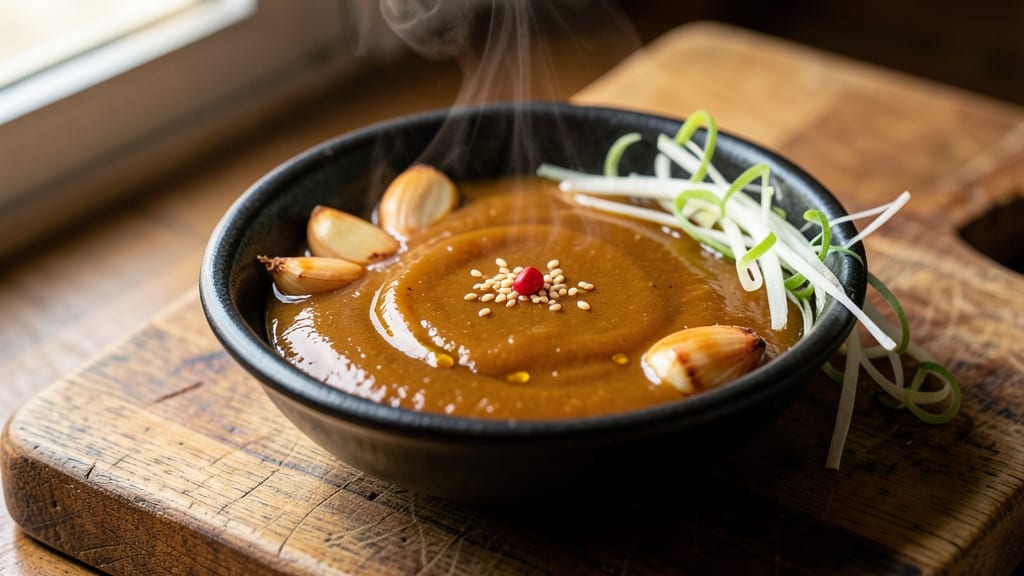
This authentic yakiniku sauce transforms grilled meats into an experience—rich, smoky, and packed with umami that clings to every bite. The secret lies in balancing traditional Japanese ingredients like soy sauce, mirin, and sugar with a touch of garlic for depth, creating a sauce that’s both complex and foolproof.
Unlike store-bought versions, this recipe simmers until thick and glossy, with a caramelized edge that enhances any protein.
The foundation starts with a simple mix of soy sauce, mirin, and sugar, which forms the base of the sauce’s signature sweet-savory flavor. Adding Worcestershire sauce and garlic introduces layers of complexity, while a splash of sesame oil ties everything together with a nutty aroma.
The sauce reduces to a perfect consistency—thick enough to coat but still silky enough to drizzle, ensuring it doesn’t overwhelm the natural flavors of the meat.
What sets this sauce apart is its versatility—it elevates everything from thinly sliced beef to chicken skewers, turning a simple grill session into a restaurant-worthy meal. The caramelized reduction also means it keeps well in the fridge, ready to enhance your next cookout or weeknight dinner.
No special equipment is needed, just patience as it simmers down to perfection.
Once you taste the difference, store-bought yakiniku sauce won’t compare. The balance of sweet, salty, and umami makes this the ultimate dip for grilled meats, and it’s easy to double the batch for leftovers.
Let’s get started on creating a sauce that will become your new go-to for any grilling occasion.
Ingredients for authentic yakiniku sauce
Nine simple ingredients transform grilled meats into restaurant-worthy bites.
| Ingredient | Amount | Notes |
|---|---|---|
| Soy Sauce 🍶 | ½ cup | Japanese preferred for authentic flavor |
| Mirin 🍶 | ¼ cup | Sweet rice wine, not cooking wine |
| Granulated Sugar 🍚 | ¼ cup | White sugar for caramelization |
| Worcestershire Sauce 🍶 | 1 tbsp | Adds depth and umami |
| Garlic Cloves 🧄 | 4 cloves | Minced for even distribution |
| Sesame Oil 🫒 | 1 tbsp | Toasted sesame oil for aroma |
| Water 💧 | ¼ cup | For thinning if needed |
| Black Peppercorns 🌶️ | ¼ tsp | Freshly cracked for heat |
| Ginger 🌿 | 1 tsp | Freshly grated for zing |
The soy sauce and mirin are your flavor anchors—Japanese brands like Kikkoman and Aji-no-Moto make all the difference. Grab the mirin from the Asian aisle (it’s not the same as sweet cooking wine). Sugar here isn’t just for sweetness—it helps create that signature caramelized edge. For the garlic, peel and mince fresh—jarred minced garlic lacks the punch. If you're short on time, the Trader Joe's frozen garlic cubes work in a pinch, but toast them first in a dry pan to deepen the flavor. The ginger should be fresh and zesty—no powdered substitutes here.
No mirin? Substitute 1 tbsp honey plus 1 tbsp rice vinegar—it won’t be identical, but it’ll get you close. Running low on sesame oil? Toasted sesame seeds at half the amount add a similar nutty note. The Worcestershire sauce is non-negotiable for that umami kick—Lea & Perrins is the gold standard. Want it spicier? Add a pinch of gochujang or sriracha at the end. For a smoother sauce, strain out the garlic and ginger after simmering. And if you’re making this for a crowd, double the batch—it reheats beautifully.
This sauce keeps like a dream—2 weeks in the fridge sealed in a jar, or 6 months in the freezer if you portion it into ice cube trays first. The flavor actually deepens over time, so don’t hesitate to make extra. When reheating, warm it gently on the stove or microwave in 30-second bursts—never boil, or it’ll separate. Store it in a dark glass jar to preserve the color. Pro tip: Drizzle a little over steamed rice for an instant flavor boost.
Why You'll Love This Recipe
- Pantry Magic: I swear by this—just five ingredients, no fancy tools. The garlic gets minced in seconds, the sugar dissolves fast, and the mirin’s sweetness balances everything without effort. Honestly, I’ve made it while waiting for steak to sear.
- Umami Bomb: That Worcestershire cut through the richness, while the mirin adds a glossy, caramelized depth. The garlic? Roasted or raw, it turns into this fragrant, slightly charred punch that makes every bite sing—like a hug in sauce form.
- Steakhouse Anywhere: Slather it on grilled meats, toss it with noodles, or drizzle it over veggies—it’s my secret for turning simple proteins into restaurant-worthy meals. My kids even ask for it on chicken fingers (yes, really).
- No-Waste Winner: A little goes a long way, and the leftovers? Even better the next day. I keep a jar in the fridge for last-minute marinades or quick glaze-ups—no waste, no stress, just flavor on demand. Budget-friendly? Absolutely.
Step-by-step instructions for authentic yakiniku sauce
Here's how to make this smoky, garlicky sauce that brings grilled meats to life.
Toast the Garlic and Peppercorns
Heat a dry skillet over medium-low heat. Add the 4 cloves garlic cloves and 0.25 teaspoon black peppercorns whole. Toast them for 2-3 minutes until the garlic turns golden brown and fragrant—you'll smell that nutty aroma wafting through your kitchen. This step builds deep flavor before we even begin combining ingredients.
Watch carefully—the garlic should color but not burn. If it starts to darken too quickly, reduce the heat slightly. Once golden, remove the pan from heat and let the garlic and peppercorns cool for 1 minute before transferring them to a bowl. I like to smash the garlic cloves with the back of a spoon while still warm—they'll release more of their aromatic oils.
Combine Wet Ingredients
In a small saucepan, combine the 0.5 cup soy sauce, 0.25 cup mirin, 0.25 cup granulated sugar, and 1 tablespoon Worcestershire sauce. Stir well to dissolve the sugar completely. Place the saucepan over medium heat and bring the mixture to a gentle simmer.
Let it cook uncovered for 5 minutes while stirring occasionally. You'll see the sugar begin to caramelize slightly—this creates that beautiful glossy finish we want in yakiniku sauce. The mirin will add sweetness and depth, while the Worcestershire sauce contributes that unmistakable umami punch. Don't walk away—this sauce needs your attention to prevent burning.
Add Toasted Aromatics and Simmer
Add the toasted garlic and peppercorns to the saucepan, along with the 1 tablespoon sesame oil and 1 teaspoon grated ginger. Stir everything together and let the sauce simmer gently for another 3-4 minutes. You'll notice the garlic infuses its flavor into the liquid, and the sesame oil releases its nutty aroma.
This is where the sauce starts coming together. The ginger adds a bright zing that cuts through the richness of the soy and sweetness of the mirin. Taste it now—it should be balanced between sweet, salty, and umami with a hint of spicy heat from the peppercorns. If you want it thicker, reduce the heat to low and let it simmer uncovered for another 2-3 minutes to evaporate some liquid.
Finish with Water and Adjust Consistency
Remove the sauce from heat and stir in the 0.25 cup water. This helps thin the sauce slightly if needed—yakiniku sauce should be pourable but still coat the back of a spoon. If it's still too thick after stirring, you can add a little more water, 1 tablespoon at a time, until you reach your desired consistency.
Let the sauce cool completely before tasting again. The flavors will meld even more as it cools. For the best results, make this sauce at least 30 minutes before serving—this gives the flavors time to fully develop. Strain it if you prefer a smoother texture, or leave the garlic pieces in for extra flavor bursts when dipping grilled meats.
Pro Tips For Making Authentic Yakiniku Sauce
- Simmer Slow and Steady: After burning three batches, I finally figured out—this sauce needs low heat the whole time. You’re not making a stir-fry; you’re building layers. If you rush it, the sugar will seize up like glue, and the garlic will turn bitter. Keep it at a gentle bubble, not a rolling boil.
- Mince Garlic Like You Mean It: Sounds weird, but it works: use fresh garlic and mince it into a paste with the flat side of your knife before cooking. No chunky bits means no surprise flavors when you dip your meat. I skip this sometimes, and the sauce still tastes fine—but the texture is smoother when you do.
- Balance the Mirin First: Taste your mirin-soy ratio before adding sugar or Worcestershire. Too much mirin? The sauce will taste like a dessert. Too little? It’ll be flat. Start with equal parts mirin and soy, then adjust. My grandmother swore by this, and she was right: the balance is everything.
- Strain the Garlic Oil: This isn’t the prettiest method, but it’s the tastiest. After cooking the garlic, strain it through a fine-mesh sieve into your sauce—no need to scrape out every last bit. The oil carries all the flavor, and leaving it in makes the sauce richer. (Yes, even if you’re impatient like me.)
Common mistakes when making great authentic yakiniku sauce
Overcooking the Sauce
One of the biggest mistakes is letting the sauce boil vigorously—this can cause it to separate or develop a bitter edge. Keep the heat at medium-low and let it simmer gently.
I once burned a batch by walking away for just 5 minutes, and the sauce turned dark and harsh. Always stir occasionally to prevent scorching at the bottom of the pan. 🌡️
Skipping the Toasting Step
Toasting the garlic and peppercorns is non-negotiable for depth of flavor. Raw garlic can make the sauce taste sharp and unbalanced. When I first made this sauce, I skipped toasting and ended up with a flat, one-dimensional flavor.
Just 2-3 minutes over medium-low heat makes all the difference—it releases those nutty, aromatic oils that define authentic yakiniku sauce.
Using Subpar Ingredients
Not all soy sauces or mirin are created equal. I recommend Japanese brands like Kikkoman for soy sauce and Aji-no-Moto for mirin. Cheap substitutes can make your sauce taste thin or overly salty. The same goes for Worcestershire—Lea & Perrins is the gold standard.
I once used a generic brand and noticed the sauce lacked that rich umami kick. Invest in quality ingredients for the best results.
Ignoring the Resting Time
Rushing to serve the sauce immediately is a mistake. The flavors need time to meld and deepen. I learned this the hard way when I served it right after making it—it tasted disjointed. Let it sit for at least 30 minutes before serving.
If you're really impatient, refrigerate it for 10 minutes to speed up the process. The wait is worth it for that perfect balance of flavors.
Adding Water Too Late
If your sauce is too thick, adding water at the end won't help—it'll just dilute the flavors. Instead, add water before the final simmer and let it reduce again. I once added water at the end and ended up with a watery, flavorless sauce.
If you need to thin it, do it earlier in the process and adjust the consistency gradually. 💧
Overlooking Consistency
Yakiniku sauce should be pourable but still coat the back of a spoon. If it's too thick, it won't dip well; if it's too thin, it'll be watery. I recommend tasting and adjusting the consistency as you go.
If it's still too thick after simmering, strain it through a fine-mesh sieve to remove any garlic pieces that might be absorbing too much liquid. The goal is a smooth, glossy finish that clings beautifully to grilled meats.
Nutrition facts
Frequently asked questions
Can I make this yakiniku sauce without mirin?
Yes! For a quick substitute, mix 1 tablespoon honey with 1 tablespoon rice vinegar—it won’t be identical, but it’ll capture the sweetness and acidity. The sauce will still turn out delicious, though the depth of flavor might be slightly different. If you’re making it ahead, the flavors will meld even more over time.
How long does this sauce keep, and can I freeze it?
Store the sauce in an airtight container in the fridge for up to 2 weeks, or freeze it for 6 months in ice cube trays for portion control. Thaw in the fridge overnight—never microwave directly from frozen. The sauce actually improves with time, so double the batch if you plan to grill often!
What’s the best way to use leftover yakiniku sauce?
Drizzle it over steamed rice or grilled vegetables for instant flavor! It also works as a marinade for chicken or pork skewers (use half the amount) or as a glaze for roasted meats. Pro tip: Mix a spoonful into mayo for a quick yakiniku-style dip for fries or veggies.
Why does my sauce taste too salty?
If it’s overly salty, balance it with a pinch of sugar or a splash of mirin or honey to mellow the flavor. The soy sauce and Worcestershire sauce are the main culprits—use high-quality brands like Kikkoman for better control. If you’re unsure, taste as you go and adjust gradually.
Can I use this sauce for non-meat dishes?
It’s fantastic on tofu skewers, grilled mushrooms, or even as a dipping sauce for spring rolls. The umami-rich flavor works surprisingly well with roasted potatoes or corn on the cob. Just reduce the garlic slightly if you’re serving to non-meat eaters.