
Sauces & Condiments
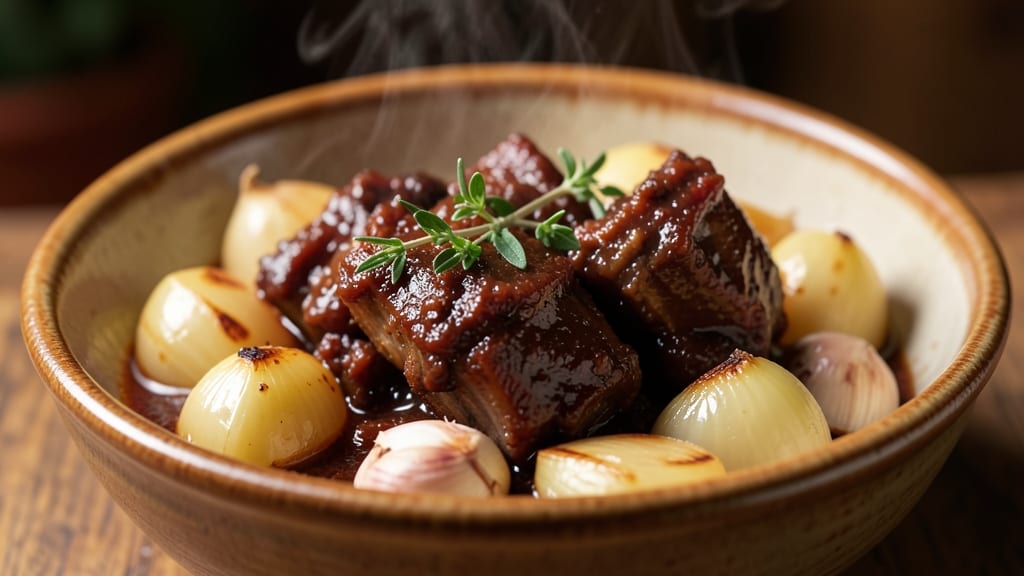
Transforming humble oxtail into a velvety, umami-rich sauce is one of the most rewarding cooking techniques I’ve mastered—it turns tough cuts into a luxurious condiment that elevates any protein. This recipe unlocks the deep, collagen-rich flavor of slow-cooked oxtails, creating a sauce so complex it deserves its own spotlight.
The key lies in patience: simmering for hours until the connective tissue dissolves into a glossy, velvety texture that clings to every bite.
What makes this sauce truly special is its versatility—it’s not just for oxtails. The rich, savory depth pairs beautifully with braised meats, roasted vegetables, or even drizzled over pasta for an instant restaurant-quality upgrade.
Aromatics like garlic, shallots, and bay leaves build the foundation, while a touch of tomato paste adds depth, and a roux or cornstarch slurry ensures the perfect consistency. The result? A sauce that’s smooth, glossy, and packed with that unmistakable umami punch.
By the time you’re done, you’ll have a sauce so deeply flavorful it transforms simple dishes into something extraordinary. The slow reduction concentrates the natural sweetness of the oxtails, while the aromatics and herbs add layers of complexity.
This isn’t just a sauce—it’s a flavor experience that turns ordinary meals into memorable ones. Ready to elevate your cooking? Here’s how to make it.
The best part? This sauce keeps well in the refrigerator for up to a week, allowing you to build flavor over time. Whether you’re serving it over seared scallops, pairing it with roasted chicken, or using it as a dipping sauce for crusty bread, the possibilities are endless.
Let’s get started—your taste buds will thank you.
Ingredients for oxtail sauce
Eleven ingredients transform tough oxtails into a velvety sauce bursting with umami depth.
| Ingredient | Amount | Notes |
|---|---|---|
| Oxtail Cuts 🦬 | 4 lb | Bone-in, cut into 2-inch pieces |
| Yellow Onion 🧅 | 1 ½ lb | Medium, peeled and quartered |
| Shallots 🧅 | 8 whole | Peeled and halved lengthwise |
| Garlic Cloves 🧄 | 12 cloves | Peeled and smashed |
| Tomato Paste 🍅 | ½ cup | Smooth, not chunky |
| Dry Red Wine 🍷 | 1 cup | Bold Cabernet Sauvignon preferred |
| Beef Stock 💧 | 4 cups | Homemade or high-quality store-bought |
| Bay Leaves 🌿 | 2 whole | Fresh preferred, dried works |
| Thyme Sprigs 🌿 | 4 whole | Fresh, stems removed |
| Black Peppercorns 🌶️ | ½ tsp | Crushed, not ground |
| Diamond Crystal Kosher Salt 🧂 | 1 ½ tsp | Adjust to taste |
| All-Purpose Flour 🌾 | ¼ cup | For slurry, optional |
| Cold Water 💧 | ¼ cup | For slurry |
The oxtails are non-negotiable—bone-in cuts deliver the most collagen for that signature richness. Whole Foods or specialty butchers usually carry the best quality, often pre-cut into manageable pieces. If you're buying a whole oxtail, ask for it to be cut into 2-inch chunks at the counter. The yellow onion and shallots should be vibrant, not wilted—save the brown spots for caramelizing. For the wine, Cabernet Sauvignon adds the perfect bold backbone, but Merlot works too. If you're avoiding alcohol, beef stock can replace it one-for-one, though the sauce will be slightly less complex.
No tomato paste? Fresh crushed tomatoes at half the amount add brightness, though they’ll dilute the sauce slightly. Fresh herbs like thyme and bay leaves are ideal, but dried at one-third the quantity will still deliver. The flour slurry is optional but ensures a silky finish—skip it if you prefer a more rustic texture. For extra depth, a splash of soy sauce or fish sauce (1 tsp) can amplify the umami. If you’re short on time, pressure cooking for 2 hours instead of slow simmering cuts prep time by half, though the flavor will be slightly less concentrated.
This sauce develops flavor over time—4-5 hours of simmering is ideal, but it’s worth it. Store in an airtight container in the fridge for up to 1 week, where it actually improves as the flavors meld. Freeze for up to 3 months by portioning into ice cube trays for easy use. The sauce thickens as it cools, so add a splash of warm water when reheating if it’s too stiff. Drizzle over seared scallops, spoon over roasted chicken, or use as a dipping sauce for crusty bread—trust me, you’ll reach for it constantly.
Why You'll Love This Recipe
- Foolproof Simplicity: I swear by this—just brown the oxtail with salt and pepper, toss in chopped onions and shallots, then let the garlic and tomato paste caramelize. No fancy techniques, no stress. My kids even help chop the onions (most of the time, anyway).
- Rich Umami Bomb: That slow-cooked oxtail? It falls off the bone, but the real magic is the sauce—deep, smoky, and packed with caramelized shallots and garlic. Honestly, the first time I tasted it, I nearly licked the pot clean. (Okay, maybe I did.)
- Leftovers That Beg for More: This sauce keeps for days, and honestly, it gets better after a night in the fridge. I freeze half the batch because it’s the star of my lazy Sunday brunch—slathered on toast, drizzled over eggs, or spooned into rice. Zero waste, all flavor.
- Budget-Friendly Luxury: Oxtail is cheaper than steak but tastes like a restaurant dish. A few cuts feed my whole family, and the sauce stretches across meals. Between us, it’s my go-to when I want to feel fancy without breaking the bank. (And the leftovers? Pure gold.)
Step-by-step instructions for oxtail sauce
Transform tough oxtail into velvety, collagen-rich sauce through patience and technique.
Sear the Oxtail for Deep Flavor
Pat the 4 lb oxtail cuts dry with paper towels—this ensures maximum browning. Heat a heavy Dutch oven over medium-high heat and add the oxtail in batches, searing for 3-4 minutes per side until deeply browned. You're building flavor through the Maillard reaction, so don't rush this step.
Work in batches if needed, keeping the cooked oxtail warm in a separate container. The goal is to develop a rich, caramelized crust on each piece. Once all oxtail is seared, remove it from the pot and set aside. You'll notice the fat pooling in the bottom—this golden liquid is pure flavor waiting to be developed.
Build the Aromatic Base
In the same Dutch oven, add 1 tablespoon of the rendered fat (if less than that remains, add 1 tablespoon neutral oil). Add the 1.5 lb yellow onion and cook for 8-10 minutes until softened and lightly golden. The onions should release their sweetness and begin to caramelize slightly at the edges.
Add the 8 whole shallots and 12 cloves garlic cloves, stirring frequently. Cook for an additional 3-4 minutes until the shallots are translucent and the garlic is fragrant but not browned. Here's where the magic happens—the combination of these aromatics forms the flavor foundation for your sauce. If you smell burning, reduce the heat slightly and keep stirring.
Deglaze and Simmer the Base
Stir in the 0.5 cup tomato paste, spreading it evenly across the bottom of the pot to create a rich paste. Cook for 2-3 minutes until it darkens slightly and loses its raw taste. This step deepens the sauce's complexity by developing the tomato's natural sugars.
Pour in the 1 cup dry red wine, scraping up all the browned bits from the bottom of the pot. Let it simmer for 5 minutes until reduced by half. The alcohol should cook off, leaving behind concentrated wine flavor. Add the 4 cups beef stock, 2 whole bay leaves, 4 whole thyme sprigs, 0.5 tsp crushed black peppercorns, and 1.5 tsp diamond crystal kosher salt. Return the seared oxtail to the pot, ensuring it's mostly submerged in the liquid.
Slow Cook Until Tender
Cover the pot and transfer to a 325°F oven. Cook for 3-4 hours, turning the oxtail occasionally, until the meat is fork-tender and easily pulls away from the bone. The sauce should thicken as the collagen breaks down, creating a luxurious, velvety texture. Here's the thing—patience is key. The longer it cooks, the more gelatinous and rich the sauce becomes.
Check the sauce periodically and add hot water if it reduces too much. You want enough liquid to keep the oxtail submerged. The oxtail is done when it falls apart easily at the touch of a fork. If it's not tender after 4 hours, extend the cooking time by 30-minute increments until it reaches this texture.
Finish and Thicken the Sauce
Once the oxtail is tender, remove it from the pot and strain the cooking liquid through a fine-mesh sieve into a clean saucepan. Discard the solids. Return the sauce to medium heat and bring to a gentle simmer. This step removes any bits that might make the sauce gritty.
In a small bowl, whisk together the 0.25 cup all-purpose flour and 0.25 cup cold water to create a slurry. Slowly whisk the slurry into the simmering sauce, stirring constantly. Let it cook for 5-7 minutes until it thickens to your desired consistency. The sauce should coat the back of a spoon but still be pourable. Taste and adjust seasoning with additional salt if needed. Serve the sauce over the oxtail, or use it as a rich accompaniment to roasted vegetables, mashed potatoes, or crusty bread.
Pro Tips For Making Oxtail Sauce
- Brown the Oxtail First: High heat. Seriously, crank it up until the oxtail turns a deep mahogany color before adding anything else. I learned this the hard way—skipping this step means your sauce will taste more like stewed meat than rich, caramelized perfection. (Yes, even if you're impatient like me.)
- Blister the Aromatics: Cook your onions, shallots, and garlic until they’re soft but still have a little bite—think golden, not golden-brown. Overcooking turns them bitter, and nobody wants that in their sauce. (Your future self will thank you.)
- Deglaze with Red Wine: After browning the oxtail, hit it with a splash of red wine (or even a little broth) and let it bubble hard for 30 seconds. This scrapes up all the fond—the browned bits—that make the sauce taste deep and complex. Skip this, and you’re missing flavor gold.
- Simmer Low and Slow: Once the sauce is going, drop the heat to a gentle simmer and cover it loosely. Oxtail sauce needs time—at least 2 hours—to develop its velvety texture. I used to rush it, and the sauce always ended up thin and watery. (Your patience will pay off.)
Serving suggestions for this dish
Over Braised Oxtail
Serve the sauce directly over the tender, fall-apart oxtail for a restaurant-worthy presentation. Use a slotted spoon to arrange the oxtail pieces on a platter, then ladle the warm sauce generously around them.
Garnish with chopped fresh parsley and a sprinkle of toasted sesame seeds for texture and color contrast. The sauce will cling beautifully to the meat, creating a luxurious finish. 🦬
With Roasted Vegetables
This sauce elevates roasted vegetables like Brussels sprouts, carrots, or cauliflower to new heights. Toss 2 cups halved Brussels sprouts with 1 tablespoon olive oil, roast at 425°F for 20 minutes, then drizzle with sauce and finish with crispy pancetta bits.
The caramelized edges of the veggies pair perfectly with the sauce’s richness. 🥦
As a Dipping Sauce
Warm the sauce slightly and serve it as a dipping sauce for crusty bread, spring rolls, or fried dumplings. The sauce’s velvety texture and deep umami make it ideal for soaking up with every bite.
For extra flair, drizzle with a touch of chili oil or sprinkle with crushed red pepper flakes for a spicy kick. 🍞
Over Pasta or Risotto
Toss 8 oz cooked spaghetti or 1 cup creamy risotto with ¼ cup sauce per serving and top with grated Parmesan and black pepper. The sauce’s richness transforms simple pasta into a decadent meal. For extra depth, stir in 1 tablespoon soy sauce into the sauce before serving. 🍝
With Grilled or Roasted Proteins
Use the sauce as a glaze for grilled chicken thighs, pork chops, or lamb chops. Brush on 2 tablespoons per piece during the last 5 minutes of cooking, then broil for 1-2 minutes to caramelize.
The sauce adds a glossy finish and deep savory notes to the protein. 🍗
Storage and Reuse Tips
Store leftovers in an airtight container in the fridge for up to 1 week—the flavors deepen over time. Freeze in ice cube trays for easy portioning.
Reheat gently on the stovetop, adding 1 tablespoon water if it thickens too much. This sauce is so versatile, you’ll find yourself reaching for it constantly! 💫
Nutrition facts
Frequently asked questions
Can I make this sauce without red wine?
The wine adds depth, but you can substitute 1 cup beef stock or 1 cup apple cider vinegar for a similar acidity. For extra umami, add 1 teaspoon soy sauce or ½ teaspoon fish sauce to the strained sauce before thickening. The sauce will still develop rich collagen flavors—just slightly different in complexity.
How do I fix a sauce that's too thin or too thick?
For a too-thin sauce, whisk in 1 tablespoon cornstarch mixed with 2 tablespoons cold water, simmering for 3-5 minutes until thickened. If it's too thick, thin with warm water or beef stock, 1 tablespoon at a time, while stirring constantly. Always taste as you go—collagen-based sauces naturally thicken when cooled.
What's the best way to store and reheat this sauce?
Store in an airtight container in the fridge for up to 1 week—it actually improves! For freezing, portion into ice cube trays, then transfer to a bag. Reheat gently on low heat, adding 1 tablespoon water if it thickens too much. Never boil—just warm through to preserve its velvety texture.
Can I use this sauce for dishes other than oxtail?
This sauce pairs beautifully with grilled chicken, roasted pork, or even mushroom risotto. Its rich umami works as a dipping sauce for spring rolls or drizzled over mashed potatoes. The key is balancing its intensity—use ¼ cup per serving for lighter dishes and ½ cup for hearty proteins.
Why does my sauce look cloudy or have bits in it?
Cloudiness often means the sauce needs more reduction time—simmer uncovered for 10-15 minutes to evaporate excess moisture. For bits, strain the sauce through a fine-mesh sieve again or use a cheesecloth for extra smoothness. If the sauce separates, whisk vigorously while reheating to re-emulsify. Patience is key—great sauces develop clarity through slow cooking.