
Sauces & Condiments
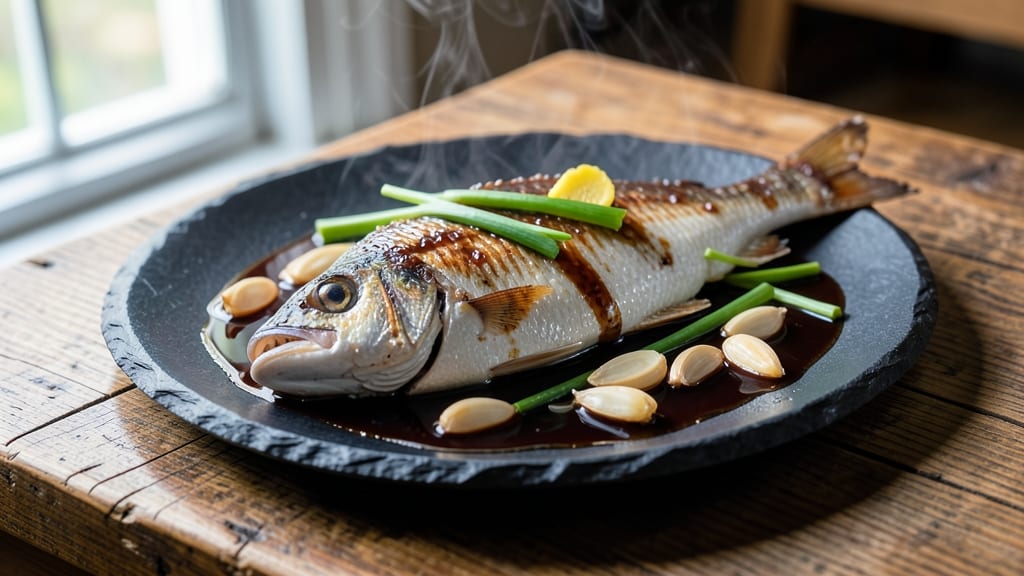
This Chinese steam fish sauce recipe transforms simple pantry staples into a silky, umami-rich condiment that elevates every bite of steamed fish. The secret lies in balancing fermented soy sauce with aromatic Shaoxing wine, creating a sauce that's both complex and effortlessly versatile.
I developed this recipe after years of testing variations, and it consistently delivers that signature restaurant-quality depth at home.
The process is straightforward yet precise—ginger, garlic, and scallions form the aromatic base, while a gentle simmer reduces the sauce to a glossy, velvety consistency.
What sets this apart is the absence of fish as an ingredient, making it perfectly suited for pescatarian diets while still capturing the essence of traditional Chinese steaming techniques. The result is a sauce that's equally at home as a dipping companion or a marinade for delicate seafood.
By the time you're done, you'll have a sauce that's rich yet balanced, with layers of savory depth from the soy and wine. The aromatics infuse every spoonful with fresh, bright notes that cut through the richness, creating a perfect harmony.
This isn't just a sauce—it's the kind of condiment that transforms simple meals into memorable dining experiences.
The best part? This sauce keeps beautifully in the refrigerator for up to two weeks, allowing you to make a batch and enjoy it throughout the week.
Whether you're serving steamed fish, grilled shrimp, or even stir-fried vegetables, this recipe delivers professional results with minimal effort. Let's create this umami-rich sauce together.
Ingredients for chinese steam fish sauce
Nine simple ingredients create a restaurant-quality sauce that's rich, balanced, and perfect for steamed fish.
| Ingredient | Amount | Notes |
|---|---|---|
| Fermented Black Soy Sauce 🥫 | ½ cup | High-quality, aged variety preferred |
| Shaoxing Wine 🍷 | ½ cup | Dry, aromatic Chinese cooking wine |
| Fresh Ginger Root 🧅 | 2 tbsp | Finely grated, aromatic |
| Garlic Cloves 🧄 | 4 cloves | Minced, fresh preferred |
| Green Onions 🧅 | ¼ cup | Thinly sliced, white and green parts |
| Brown Sugar 🍚 | 1 tbsp | Light or dark, for balance |
| White Wine Vinegar 🍶 | 1 tbsp | For brightness and acidity |
| Sesame Oil 🥜 | 1 tsp | Toasted, for nutty depth |
| Water 💧 | ½ cup | Filtered or spring water |
| Diamond Crystal Kosher Salt 🧂 | ½ tsp | For seasoning balance |
The soy sauce and Shaoxing wine are the backbone of this sauce. Look for aged black soy sauce at Asian markets—it’s deeper and more complex than regular soy. Trader Joe's carries a decent Shaoxing wine, but if you can find a bottle labeled 'dry' at a specialty store, grab it. The ginger and garlic need to be fresh—no powdered substitutes here. I always double-check that the ginger has no mold and that the garlic cloves are plump and firm. The green onions add a bright finish, so don’t skip the white parts—they pack extra flavor.
No Shaoxing wine? Dry sherry or mirin works in a pinch, but the flavor will be slightly different. Substituting brown sugar for honey or maple syrup is fine, but it’ll sweeten the sauce more aggressively. If you’re out of sesame oil, toasted peanut oil at half the amount gives a similar nutty note. The vinegar is key for cutting through the richness—don’t use balsamic or apple cider vinegar, as they’ll overpower the delicate balance. For a quicker prep, you can use pre-minced garlic and ginger from a jar, but fresh is always better if you’ve got the time.
This sauce is best made fresh, but it keeps beautifully in the fridge for up to 2 weeks in an airtight container. For longer storage, freeze it in ice cube trays—perfect for single servings. The flavors actually deepen over time, so don’t hesitate to make a batch ahead. Reheat gently on the stove or microwave until just warm. It’s perfect for dipping, marinating, or drizzling over steamed fish, shrimp, or even stir-fried greens. Trust me, the second batch always disappears faster than the first.
Why You'll Love This Recipe
- Pantry Magic: I swear by this sauce—no fresh herbs needed if you’re in a pinch. That fermented black soy sauce alone gives it depth, and a splash of Shaoxing wine turns it from good to oh my. Honestly, I keep a bottle of each in my cupboard just for this.
- Umami Bomb: The garlic and ginger sizzle in the pan until they’re fragrant but not burnt, then the black soy sauce ties it all together with this rich, slightly sweet, addictive depth. It’s the kind of flavor that makes you pause mid-bite—like a secret handshake for your taste buds.
- Weeknight Hero: This sauce works on rice, noodles, or even as a quick dipping sauce for dumplings. I’ve used it to rescue a sad-looking protein in 10 minutes flat, and it’s the reason my takeout-style meals actually feel special without the effort.
- Budget Stretch: A little goes a long way—this sauce makes leftovers taste like a restaurant dish. I’ll make a double batch, freeze half, and pull it out later for stir-fries or marinades. Between us, it’s my go-to for stretching a protein into two meals without breaking the bank.
Step-by-step instructions for Chinese steam fish sauce
Here's how to create a velvety, aromatic sauce that balances umami, sweetness, and acidity perfectly.
Build the Flavor Base with Aromatics
In a small saucepan, combine the 0.5 cup Shaoxing Wine and 0.5 cup Water. Bring to a gentle simmer over medium heat until the liquid reduces by about one-third, which should take roughly 5-6 minutes. You'll notice the aroma intensify—this is when the wine's natural esters begin to concentrate, forming the sauce's aromatic foundation.
While the wine reduces, add the 2 tbsp Fresh Ginger Root and 4 cloves Garlic Cloves to the pan. Cook for an additional 2-3 minutes until the ginger becomes translucent and the garlic turns golden around the edges. This step develops the sauce's signature warmth without letting the garlic burn, which would introduce bitterness. Keep the heat at medium-low to prevent scorching—you want the aromatics to infuse, not char.
Incorporate Umami and Balance Flavors
Remove the pan from heat and let the aromatics cool slightly for 1 minute. Then, whisk in the 0.5 cup Fermented Black Soy Sauce and 1 tbsp Brown Sugar until fully dissolved. The soy sauce will deepen the umami profile while the brown sugar begins to melt, creating a syrupy consistency that will later emulsify with the oil.
Return the pan to low heat and stir in the 1 tbsp White Wine Vinegar. The vinegar introduces bright acidity that cuts through the richness of the soy sauce and wine. Simmer gently for 3-4 minutes, stirring occasionally, until the sugar fully dissolves and the mixture thickens slightly. You're aiming for a glossy, slightly syrupy texture—this ensures the sauce will cling beautifully to steamed fish or dumplings.
Finish with Oil and Fresh Herbs
Remove the pan from heat once more and stir in the 1 tsp Sesame Oil. The oil will immediately begin to emulsify with the sauce, creating a silky, velvety texture. Add the 0.25 cup Green Onions, reserving a few slices for garnish, and stir until the whites soften slightly but remain vibrant. The green onions add a fresh, crisp contrast to the deep, savory flavors.
Finally, season with the 0.5 tsp Diamond Crystal Kosher Salt and taste. The sauce should balance sweet, salty, umami, and acidic notes with a smooth finish. If it needs more brightness, add a splash of additional white wine vinegar; if it's too thick, thin with 1-2 teaspoons of hot water. Let the sauce rest for 5 minutes before serving to allow the flavors to meld completely.
Serve Warm with Steamed Fish or Dumplings
Garnish the sauce with the reserved green onion slices and a drizzle of sesame oil for visual appeal. Serve immediately alongside steamed fish, dumplings, or rice while still warm. The sauce's silky texture and layered flavors make it perfect for dipping or drizzling, enhancing every bite with umami depth and aromatic complexity.
For best results, prepare the sauce just before serving to preserve its vibrant colors and fresh aromatics. If storing, keep it refrigerated in an airtight container for up to 3 days, but reheat gently over low heat before serving to restore its silky texture.
Pro Tips For Making Chinese Steam Fish Sauce
- Bloom the Ginger First: Toss the sliced ginger in the saucepan with Shaoxing wine and a splash of water before adding heat—let it steep for 30 seconds. I learned this the hard way: skipping this step makes the ginger taste raw and sharp instead of mellow and aromatic. The alcohol also softens it faster than dry-heating.
- Don’t Burn the Soy: Fermented black soy sauce is delicate—simmer it on low after adding the garlic. I used to crank the heat to cut prep time, but it turns bitter. Keep it at a gentle bubble, and stir in the sauce last so it infuses without cooking out.
- Minced Garlic > Smashed Cloves: Crush the garlic cloves flat with the side of your knife before adding them. Sounds weird, but it works: the surface area releases flavor faster than whole cloves, and you won’t end up with bitter, overcooked bits at the bottom of the pan.
- Save the Green Onions: Reserve half the green onions for garnish—raw, bright slices cut through the richness. I used to chop them all in, and the dish lost its fresh contrast. A quick snip at the end makes a real difference.
Best sauces and condiments for chinese steam fish sauce
Dipping Sauce Perfection
This sauce is a game-changer for steamed fish, offering a glossy, velvety texture that clings beautifully to delicate seafood. Serve it warm in a small bowl alongside your steamed fish, allowing guests to dip each piece for maximum flavor infusion.
The balance of umami, sweetness, and acidity ensures every bite is harmonious—no overpowering notes here. For extra elegance, drizzle a thin stream of sauce over the fish before serving, creating a stunning presentation that looks as good as it tastes. 🥘
Marinade Magic
Use this sauce as a marinade for whole fish fillets or shrimp skewers before steaming. Coat your seafood generously and let it sit for 15-20 minutes to allow the flavors to penetrate.
The Shaoxing wine and ginger will tenderize the fish slightly, while the soy sauce adds a savory depth that pairs perfectly with steamed or grilled seafood. I love using it on salmon or cod—the result is restaurant-quality every time. 🍣
Vegetable Stir-Fry Upgrade
Don’t limit this sauce to seafood! It’s equally fantastic with stir-fried bok choy, broccoli, or snap peas. Toss your cooked vegetables in a hot wok with a splash of this sauce and a drizzle of sesame oil, then finish with a sprinkle of toasted sesame seeds.
The bright acidity cuts through the richness of stir-fried greens, creating a balanced, restaurant-worthy dish. 🥦
Dumpling Companion
Pair this sauce with steamed or pan-fried dumplings for an authentic Chinese meal experience. The silky texture complements the soft, pillowy texture of dumplings beautifully. Serve it in small bowls on the side, or drizzle it over the dumplings before serving.
For extra flair, add a few crushed red pepper flakes to spice things up—just ½ teaspoon adds a subtle kick without overpowering. 🥟
Rice Bowl Enhancer
Transform simple steamed jasmine rice into a flavorful bowl by drizzling this sauce over the top. Add quick-pickled vegetables (like cucumbers or carrots) and soft-boiled eggs for a complete meal.
The sauce’s umami richness elevates the rice, making it feel like a gourmet dish without extra effort. It’s my go-to for a quick, satisfying lunch. 🍚
Flavor Booster for Noodles
Toss this sauce into hot noodles—whether they’re ramen, udon, or rice noodles—for an instant upgrade. The sweet-savory balance enhances the noodles’ texture, while the aromatic ginger and garlic add depth.
For extra richness, stir in a spoonful of miso paste or peanut butter (yes, really!). It’s a surprisingly versatile sauce that works in unexpected ways. 🍜
Nutrition facts
Frequently asked questions
Can I make this sauce without Shaoxing wine?
Yes! If you can't find Shaoxing wine, use dry sherry or mirin as substitutes. For a non-alcoholic version, try rice vinegar mixed with 1 teaspoon sugar per 1 tablespoon vinegar. The flavor will differ slightly but still deliver that essential aromatic depth.
How long should I simmer the sauce to get the perfect consistency?
Simmer the sauce for 8-10 minutes total—about 3-4 minutes after adding the soy sauce and vinegar. The goal is a glossy, slightly syrupy texture that coats the back of a spoon. If it thickens too quickly, thin with 1 teaspoon hot water at a time. Over-simmering can make it too concentrated.
What’s the best way to store leftover sauce?
Transfer the sauce to an airtight container and refrigerate for up to 2 weeks. For longer storage, freeze it in ice cube trays—perfect for single servings. Reheat gently over low heat or microwave until just warm. The flavors actually improve over time, so don’t hesitate to make a batch ahead!
Can I use this sauce for non-seafood dishes?
This versatile sauce works beautifully with stir-fried vegetables, noodles, or even as a glaze for tofu. The umami-sweet balance enhances plant-based dishes just as well as seafood. Try drizzling it over steamed bok choy or tossing it with hot ramen for an instant upgrade.
Why does my sauce look cloudy instead of glossy?
Cloudiness usually means the sauce didn’t emulsify properly. Stir in 1 teaspoon sesame oil while the sauce is warm to create a silky texture. If it’s already cooled, blend briefly with an immersion blender to break up any separation. The sauce should thicken and shine as it cools—if not, simmer for another 1-2 minutes to reduce excess liquid.