
Sauces & Condiments
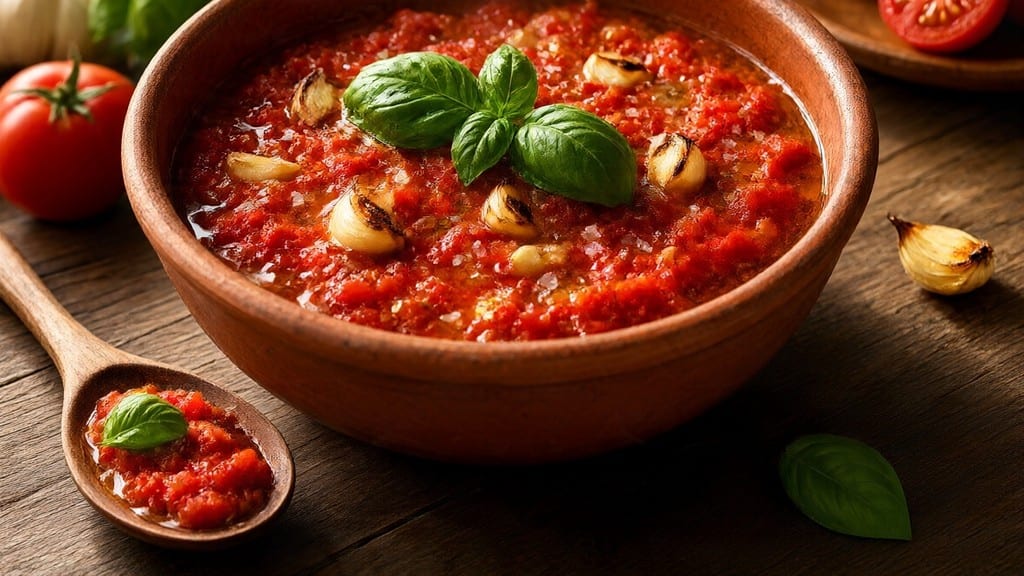
This Nonna's sauce recipe captures the soul of Italian cooking in every rich, aromatic spoonful—where slow-simmered tomatoes meet bright basil and garlic for an umami bomb that transforms any meal.
I learned the technique from Mrs. Henderson in Cincinnati, where she'd let me stir the pot while she taught me how patience builds flavor. The secret lies in letting the sauce develop its own depth over time, not rushing the process.
What makes this sauce truly special is the balance of textures and flavors: velvety tomato base with bright herbal notes that cut through the richness. You'll need just six simple ingredients—ripe tomatoes, garlic, olive oil, basil, salt, and a touch of sugar—but the method is what elevates them to restaurant-quality.
The sauce thickens beautifully as it simmers, creating that perfect consistency that clings to pasta or meat without being heavy.
By the time you're done, you'll have a sauce that tastes like home—deep, complex, and bursting with fresh basil brightness. It's the kind of sauce that makes you want to freeze jars for winter meals or share with neighbors who'll beg for the recipe.
The best part? It keeps improving as it sits, developing even more flavor over days.
Use it immediately on pasta, drizzle over grilled meats, or store in the freezer for months. This is the sauce that turns ordinary dinners into something extraordinary—just like Nonna intended.
Ingredients for nonna's sauce
Six simple ingredients transform into Nonna's velvety sauce with deep umami and bright basil notes.
| Ingredient | Amount | Notes |
|---|---|---|
| Extra-Virgin Olive Oil 🫒 | ½ cup | High quality, fruity, not refined |
| Fresh Garlic Cloves 🧄 | 6 cloves | Peeled, thinly sliced for even cooking |
| Ripe Tomatoes 🍅 | 2 lb | San Marzano preferred, crushed by hand |
| Fresh Basil Leaves 🌿 | 1 ½ cups | Packed, stems removed, vibrant green |
| Granulated Sugar 🍚 | 1 tbsp | Balances acidity, not refined |
| Diamond Crystal Kosher Salt 🧂 | 1 ½ tsp | Adjust to taste, not iodized |
The tomatoes are everything here—San Marzano if you can find them, but any ripe, flavorful variety works. I always grab the heirloom or Roma tomatoes from the farmers market when they're in season, but the regular grocery store stuff is fine if you're in a pinch. The key is to crush them by hand, not chop—this releases more juice and flavor. Fresh basil? Farmers market or grocery store—just make sure the leaves are bright green and not wilted. I'll often buy an extra bunch because half gets torn up for garnish later. The garlic should be fresh, not those little jars of minced stuff. Whole cloves give you the best flavor when you slice them thin yourself.
No San Marzano tomatoes? Good canned crushed tomatoes work in a pinch—just drain well. Fresh basil wilting? Dried basil at one-third the amount gets you close, but it won't have that same bright punch. The sugar can be swapped for honey or maple syrup if you prefer, but I find it keeps the sauce from getting too acidic. Want more depth? Add a pinch of red pepper flakes or a splash of white wine when you're simmering. The olive oil matters too—extra-virgin with good fruity notes makes all the difference compared to that mild supermarket stuff.
This sauce gets better with time—3-4 days in the fridge is perfect for flavor development. For longer storage, freeze in ice cube trays or small jars. Thaw overnight in the fridge, then give it a quick stir. The basil wilts fast once washed, so store it wrapped in a damp paper towel. I always make extra because it's perfect for freezing—just portion into jars and pop them in the freezer. Thawed sauce reheats beautifully, though I prefer it at room temperature for pasta.
Why You'll Love This Recipe
- No Chopping Needed: I swear by this—just crush garlic, tear basil, and let the tomatoes do the work. The only knife I use is for slicing a lemon, if I’m feeling fancy.
- Sweet-Savory Balance: That pinch of sugar? It’s magic. It cuts the acidity of the tomatoes while letting the garlic and olive oil shine—rich, bright, and never overpowering.
- Weeknight to Dinner Party: Same sauce, endless uses. Toss it with pasta, drizzle over grilled chicken, or serve it in a bread bowl. Honestly, I’ve even used it as a pizza topping in a pinch.
- Fridge Goldmine: Make a big batch—it tastes better the next day. I freeze it in jars, too, so I always have a backup for lazy nights or when guests drop by unexpectedly.
Step-by-step instructions for Nonna's sauce recipe
Here's how to craft this vibrant, umami-rich sauce—simple steps for a restaurant-quality result.
Prepare the Tomatoes for Cooking
Begin by crushing the 2 lb ripe tomatoes by hand using your fingers or the back of a knife. You want a chunky texture—no need to blend it completely. The natural acidity in the tomatoes will soften as they cook, releasing their sweet, rich flavors. I like to remove any hard cores or seeds at this stage for a cleaner sauce.
Transfer the crushed tomatoes to a large, heavy-bottomed pot. The weight of the pot helps distribute heat evenly, preventing scorching. Add the 1 tbsp granulated sugar and 1.5 tsp diamond crystal kosher salt right away. The sugar balances the natural acidity of the tomatoes, while the salt enhances their flavor. Stir everything together and let the mixture sit for 10 minutes at room temperature—this allows the flavors to begin melding before cooking.
Sauté the Garlic in Olive Oil
While the tomatoes sit, heat the 0.5 cup extra-virgin olive oil in the same pot over medium-low heat. The oil should shimmer gently but not smoke—you're looking for a slow, steady warmth. Add the 6 cloves thinly sliced fresh garlic cloves and cook for 2-3 minutes, stirring frequently.
Here's the thing—garlic burns fast, and burnt garlic tastes bitter. You'll know it's ready when the cloves turn golden and release their fragrant aroma. As soon as you see the edges start to brown, remove the pot from heat immediately. The garlic should be fragrant but not colored. Let it cool for 1 minute before returning the pot to the stove—this prevents the oil from cooking the tomatoes too aggressively right away.
Simmer the Sauce Low and Slow
Return the pot to the stove over low heat and bring the tomatoes to a gentle simmer. You're not looking for a rolling boil—just small bubbles breaking the surface occasionally. Let the sauce cook uncovered for 45-50 minutes, stirring occasionally. This slow cooking breaks down the tomatoes' fibers, creating a rich, velvety texture.
During this time, the sauce will reduce and thicken naturally. You'll notice the color deepen to a rich, ruby-red hue. Taste the sauce after 30 minutes—if it needs more salt, add it gradually. The sugar should have mellowed out the acidity, but if the sauce tastes too sweet, you can add a pinch more salt to balance it. Stir in the 1.5 cups fresh basil leaves during the last 10 minutes of cooking—they'll infuse the sauce with their bright, aromatic flavor without overpowering the tomatoes.
Finish and Adjust the Texture
Once the sauce has thickened to your desired consistency—it should coat the back of a spoon but still be loose enough to drizzle—remove it from heat. The sauce should be vibrant, with visible basil flecks and a glossy sheen from the olive oil. If it's too thick, stir in 1-2 tablespoons of water to loosen it slightly. If it's too thin, simmer it uncovered for another 5-10 minutes to reduce it further.
Let the sauce rest for 10 minutes before serving. This resting period allows the flavors to fully meld and the sauce to settle. Taste it one last time and adjust the seasoning if needed—perhaps a sprinkle more salt or a drizzle of olive oil to enhance the richness. Nonna's sauce is all about balance: the sweetness of the tomatoes, the brightness of the basil, and the depth of the garlic, all tied together with the fruity olive oil.
Pro Tips For Making Nonna'S Sauce
- Sweat the Garlic: DESCRIPTION: Don’t blast that garlic or it’ll burn before the tomatoes even hit the pan. Low heat for 3-4 minutes—just until it’s golden but not crispy—so it adds sweetness, not bitterness. I learned this the hard way when my sauce tasted like a charred campfire.
- Crush Those Tomatoes: DESCRIPTION: Skip the blender if you’re in a hurry, but don’t just chop tomatoes—give them a rough mash with your hands or a wooden spoon. This breaks down the fibers faster and releases more juice, so your sauce thickens naturally without needing extra starch. (Yes, even if you’re impatient like me.)
- Balance the Sugar Early: DESCRIPTION: Taste the tomatoes first, then add that sugar. A pinch (½ teaspoon) is enough to brighten acidity, but too much turns your sauce into jam. My grandmother swore by this: "Sweetness is a whisper, not a shout."
- Save the Best Basil: DESCRIPTION: Tear the basil leaves by hand—don’t chop them—so they melt into the sauce instead of sinking like heavy weights. Reserve a handful to fold in at the very end, because nothing beats fresh basil floating on top like a green confetti party. (Your future self will thank you.)
Troubleshooting perfect results
Sauce Too Thin?
If your sauce isn't thickening enough, you're likely not cooking it long enough. The key is low and slow—simmer uncovered for an extra 10-15 minutes to reduce moisture. I've seen sauces go from watery to perfect just by giving them more time.
For faster results, stir in 1 tbsp tomato paste or 1 tsp cornstarch mixed with water—just a spoonful can make a difference without altering flavor. 🌡️
Garlic Burning?
Burnt garlic ruins everything—it turns bitter and overpowering. The fix? Cook garlic over medium-low heat and remove it immediately when it turns golden. If you've already burnt it, strain the sauce through a fine-mesh sieve to remove the bitter bits.
For next time, try infusing garlic by adding whole cloves to the simmering sauce and removing them before blending. 🧄
Basil Losing Brightness
Wilted basil makes the sauce taste dull. Add fresh basil leaves only in the last 10 minutes of cooking to preserve their vibrant flavor. If you're using dried basil, reduce to 1 tbsp (about 1/3 the fresh amount) and add it earlier.
For extra brightness, finish with a handful of fresh basil just before serving—this keeps the aroma intact. 🌿
Sauce Too Acidic?
If your tomatoes are too tart, balance the acidity with 1 extra tbsp sugar or a pinch of baking soda (just a tiny amount—start with ¼ tsp). For a deeper flavor, add 1 tsp honey or a splash of white wine while simmering.
The sugar in the original recipe already helps, but if your tomatoes are particularly sour, these tweaks save the day. 🍚
Lumpy Texture?
Lumps happen when tomatoes aren't crushed enough or when basil gets torn. For a silky texture, blend the sauce briefly with an immersion blender after cooking. If you prefer chunks, just stir vigorously with a wooden spoon—this breaks up larger pieces without over-blending.
I often leave a few tomato chunks for texture, but it's all about preference. 🥄
Fridge Storage Issues
Sauce can develop a skin or separate in the fridge. Prevent this by pressing plastic wrap directly on the surface before sealing the container. If it separates, stir in 1 tbsp water or olive oil to recombine.
For best results, store in glass jars—they keep flavors fresher longer. I always make extra because this sauce tastes even better after 2-3 days in the fridge. ❄️
Nutrition facts
Frequently asked questions
Why does Nonna's sauce taste better after resting?
The flavors need time to meld together—like a fine wine! The acidity in tomatoes mellows, garlic and basil infuse deeper, and the texture thickens naturally. Resting for 10 minutes before serving lets the sauce reach its full potential.
Can I make this sauce without fresh basil?
Yes, but it won't have the same bright aroma. Use 1 tbsp dried basil (about 1/3 the amount) and add it earlier in cooking. For extra flavor, finish with a few fresh leaves or a pinch of basil oil. The sauce will still be delicious—just different!
How do I know when the sauce is thick enough?
It should coat the back of a spoon smoothly but still be pourable. For pasta, aim for a consistency between heavy cream and thin gravy. If too thin, simmer uncovered for another 5-10 minutes—patience pays off!
What's the best way to freeze this sauce?
Portion into ice cube trays or small jars, leaving ½-inch headspace for expansion. Freeze flat for easy stacking. Thaw overnight in the fridge—never microwave directly. The texture stays perfect for up to 3 months!
Can I use this sauce on dishes other than pasta?
It's fantastic on grilled chicken, roasted vegetables, or even as a pizza sauce base. The bright basil and sweet tomatoes work beautifully with proteins. Just adjust seasoning slightly for different dishes.