
Sauces & Condiments
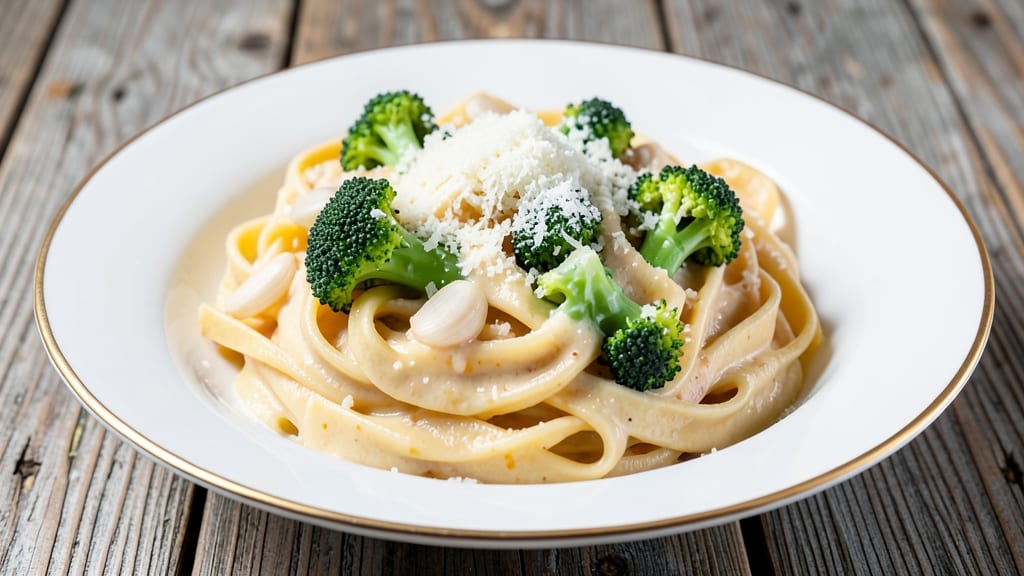
This one-pot alfredo sauce pasta with vegetables delivers restaurant-quality creaminess in just 25 minutes—no separate saucepan required. The secret lies in cooking the pasta directly in the sauce, where it absorbs rich, velvety flavors while staying tender.
I developed this method after years of testing, and it never fails to impress even picky eaters with its balanced blend of creamy sauce and crisp-tender vegetables.
The beauty of this recipe is its simplicity: one pot, minimal prep, and a foolproof technique that eliminates the risk of overcooked pasta or separated sauce. We'll start with garlic-infused butter as our flavor base, then build layers of richness with heavy cream and parmesan.
The vegetables—broccoli, bell peppers, and spinach—add color, texture, and nutrients without overpowering the creamy alfredo.
What you'll end up with is a creamy, indulgent pasta dish where every bite delivers perfectly cooked pasta coated in velvety sauce, crisp-tender vegetables, and just the right amount of cheesy goodness.
The sauce stays perfectly emulsified, clinging to each noodle without turning greasy. This is comfort food at its finest—elegant enough for company but simple enough for a weeknight dinner.
Serve immediately with extra grated parmesan and fresh black pepper for that final restaurant touch. The best part? Leftovers reheat beautifully, making this the ultimate meal-prep friendly dish. Let's get cooking!
Ingredients for alfredo sauce pasta with vegetables
One-pot magic with creamy alfredo and crisp-tender vegetables—no separate saucepan needed.
| Ingredient | Amount | Notes |
|---|---|---|
| Fettuccine Pasta 🍝 | 12 oz | High-quality, dried preferred |
| Unsalted Butter 🧈 | ½ cup | Cold, cubed for even melting |
| Garlic Cloves 🧄 | 4 cloves | Fresh, minced finely |
| Heavy Cream 🥛 | 1 cup | Full-fat for richness |
| Parmesan Cheese 🧀 | 1 ½ cups | Freshly grated from block |
| Broccoli Florets 🥦 | 2 cups | Fresh, cut into bite-sized pieces |
| Red Bell Pepper 🌶️ | ½ cup | Diced, any color |
| Fresh Spinach 🌿 | 2 cups | Chopped, loosely packed |
| Diamond Crystal Kosher Salt 🧂 | 1 tsp | For pasta water |
| Ground Black Pepper 🌶️ | ½ tsp | Freshly cracked |
| Extra-Virgin Olive Oil 🫒 | 1 tbsp | For tossing before serving |
| Fresh Black Peppercorns 🌶️ | 1 tbsp | For garnish |
The butter and garlic are your flavor foundation here. Use European-style butter if you can find it—it's richer and melts more smoothly. I always grab mine from Whole Foods or Trader Joe's for that extra quality. Fresh garlic matters too—pre-minced loses flavor fast. For the pasta, De Cecco or Barilla are my go-tos—they hold up better to the one-pot method. The Parmesan should be Parmigiano-Reggiano, freshly grated from a block. Pre-shredded has anti-caking agents that make the sauce grainy. If you're short on time, Penzeys sells pre-grated Parm that's actually decent.
No heavy cream? Half-and-half with an extra splash of milk works in a pinch, but you'll lose some richness. Swap the broccoli for cauliflower florets if you prefer, or add zucchini or mushrooms for extra texture. The bell pepper can be any color—yellow or orange work too. Fresh spinach is ideal, but frozen chopped spinach (thawed and drained) works if you're in a hurry. The key to the one-pot technique is patience—don't rush the pasta cooking, or it'll turn mushy. If you're worried about the sauce separating, stir in 1 tbsp of pasta water at the end to help emulsify it.
This dish reheats beautifully—just add a splash of milk or water to loosen the sauce. Keeps for 3-4 days in the fridge, though it's best served fresh. For meal prep, portion into containers with a little extra sauce on top to prevent drying. The pasta stays tender for 2-3 days in the fridge, but the sauce thickens slightly after reheating. Freeze for up to 3 months—just thaw in the fridge overnight and reheat gently. The best part? Leftovers taste even better the next day as the flavors meld.
Why You'll Love This Recipe
- 20-Minute Magic: I swear by this—just toss chopped veggies into simmering butter and garlic while the pasta cooks. No separate saucepan, no waiting around. The heavy cream and Parmesan blend right into the pasta water, so you’re basically done before you realize you’re hungry.
- Rich Without Effort: That first bite of creamy, garlicky fettuccine with crisp-tender veggies? It’s like a hug in sauce form. The butter and cream make it decadent, but the Parmesan rind (if you use it) adds a nutty depth that’s chef’s kiss—no fancy techniques required.
- Weeknight Wonder: Between us, this is my go-to when I’m too tired to think. Double the recipe, pack half for lunch—it reheats like a dream (just add a splash of milk to loosen the sauce). My kids even eat it cold the next day, and honestly? I don’t judge.
- Budget Luxury: A pound of pasta, a few cloves of garlic, and a block of cheese stretch this into three solid meals. The heavy cream might seem pricier, but a little goes a long way, and the flavor makes it feel like a splurge without breaking the bank. (Yes, even on a Tuesday night.)
Step-by-step instructions for creamy one-pot alfredo pasta
This method delivers restaurant-style richness in a single pot—no separate sauce needed.
Cook the Pasta and Prepare the Vegetables
Bring a large pot of water to a rolling boil and add the 12 oz fettuccine pasta along with 1 tsp diamond crystal kosher salt. Cook according to package instructions until al dente—about 1-2 minutes less than recommended. While the pasta cooks, prepare the vegetables: Steam the 2 cups broccoli florets for 3-4 minutes until bright green and tender-crisp (they'll finish cooking in the sauce). Dice the 0.5 cup red bell pepper into small, even pieces and chop the 2 cups fresh spinach roughly.
Here's the thing—cooking the pasta al dente is crucial. You want it to finish cooking in the creamy sauce, not turn mushy. And pre-steaming the broccoli ensures it stays vibrant without overcooking when combined with everything else. Keep the pasta water boiling for the next step.
Build the Creamy Alfredo Base
Drain the pasta, reserving 1 cup of pasta water, then return it to the pot. Reduce the heat to medium-low and add the 0.5 cup cold cubed unsalted butter. Stir constantly until the butter melts completely, about 2-3 minutes. This step is where the sauce starts to come together—don't rush it.
Next, add the 4 cloves minced garlic cloves and cook for 30 seconds until fragrant but not browned. Immediately pour in the 1 cup heavy cream, stirring continuously. The sauce will begin to thicken and coat the pasta. If it looks too thick, add 2-3 tablespoons of reserved pasta water to loosen it. This is the moment that matters: the cream should coat the pasta smoothly without clumping.
Incorporate the Cheese and Vegetables
Gradually add the 1.5 cups freshly grated parmesan cheese, stirring constantly until fully melted and smooth. The sauce should be velvety and cling to the pasta. Add the pre-steamed broccoli florets and diced red bell pepper, tossing gently to coat in the sauce. Let everything simmer together for 2 minutes to meld the flavors.
Now for the spinach—add the 2 cups chopped fresh spinach and stir vigorously. The spinach will wilt almost instantly, releasing its vibrant green color into the sauce. Taste and adjust seasoning with 0.5 tsp ground black pepper if needed. The sauce should be rich, creamy, and perfectly balanced—no need for extra salt since the parmesan and pasta water are already seasoned.
Finish with Olive Oil and Garnish
Remove the pot from heat and stir in the 1 tbsp extra-virgin olive oil. This adds a bright finish and helps balance the richness of the cheese. The oil should be fully incorporated, giving the sauce a silky texture. For the final touch, crack the 1 tbsp fresh black peppercorns over the top—this adds a delightful pop of peppery freshness that contrasts beautifully with the creamy sauce.
Serve immediately while the pasta is hot and the sauce is still velvety. The one-pot method keeps everything warm and cohesive, and the vegetables retain their vibrant colors and crisp-tender texture. This dish is all about comfort—creamy, cheesy, and packed with fresh vegetables, all in one delicious bowl.
Pro Tips For Making Alfredo Sauce Pasta With Vegetables
- Melt Butter Slowly: Your unsalted butter deserves patience—low heat, not a sizzle. I used to rush it, and the sauce would split like a bad joke. Warm the butter over medium-low, stirring constantly, until it’s just foamy before adding garlic. That’s when the magic starts.
- Toast Garlic Just Right: No one likes bitter garlic. Slice those cloves thin (⅛-inch) and cook them in the butter until they’re golden, not brown—about 30 seconds. Watch them like a hawk; once they darken, they’ll overpower the creamy sauce.
- Strain the Cream: Heavy cream has a way of turning lumpy if you’re not careful. Heat it gently (don’t boil) and strain it through a fine-mesh sieve before mixing it into the butter-garlic. Yes, it’s extra work, but your sauce will be silky instead of grainy.
- Finish with Cheese Off Heat: Parmesan is temperamental. Once your cream is warmed and the pasta is al dente, remove the pan from heat before stirring in the grated cheese. Let it melt into the sauce slowly—no scorching, no clumping. Stir in the pasta last, so it soaks up the goodness.
Storing and reheating this dish
Fridge Storage Tips
Store your alfredo pasta in an airtight container with a splash of water or milk to keep the sauce moist. I like using glass Pyrex containers—they preserve flavors better than plastic.
The dish stays fresh for 3-4 days in the fridge, though the sauce thickens slightly after the first day. For best texture, reheat gently on the stovetop with a little extra milk to restore creaminess. 🥣
Freezer-Friendly Method
Freeze portions in single-serving containers with a layer of sauce on top to prevent drying. Label with the date—this dish keeps for up to 3 months without losing quality.
When ready to eat, thaw overnight in the fridge, then reheat on low heat with 2-3 tablespoons of milk to prevent separation. The pasta might soften slightly, but a quick toss with a little pasta water revives it. ❄️
Reheating Perfection
For stovetop reheating, use medium-low heat and stir frequently to prevent scorching. Add 1-2 tablespoons of milk or water if the sauce looks too thick. Microwave reheating? Cover with a damp paper towel and heat in 1-minute intervals, stirring between each, until steaming hot.
The key is patience—the sauce should warm through evenly without breaking. 🔥
Vegetable Freshness Hacks
If reheating causes your spinach to wilt too much, add it fresh after reheating—it wilts instantly in hot sauce. For broccoli and bell peppers, reheat with a splash of water to keep them tender.
The one-pot method means veggies absorb flavors better after reheating, but a quick toss with 1 teaspoon of lemon juice brightens them up if needed. 🌿
Sauce Rescue Techniques
If your sauce separates after reheating, whisk in 1 tablespoon of cold butter or 2 tablespoons of heavy cream to re-emulsify. For a grainy texture from pre-shredded cheese, blend the sauce briefly with an immersion blender for ultra-smooth results.
A pinch of nutmeg or white pepper can also help restore depth if flavors seem flat. 💡
Meal Prep Pro Tips
Prep components separately for easy assembly: Cook pasta and sauce ahead, then store separately. When ready to serve, combine and reheat together. For extra flavor, add a garlic clove to the reheating water—it infuses the sauce beautifully.
I also keep extra parmesan on hand to grate fresh over reheated portions for that restaurant-quality finish. 🍽️
Nutrition facts
Frequently asked questions
Can I make this recipe without heavy cream?
Yes! For a lighter version, substitute the heavy cream with ½ cup whole milk plus ½ cup half-and-half. The sauce will still be creamy but slightly less rich. For a dairy-free option, use 1 cup full-fat coconut milk (canned, not carton) and add 1 tablespoon nutritional yeast for a cheesy flavor. The texture will be different but still delicious!
What vegetables work best in this dish?
The recipe uses broccoli, bell peppers, and spinach for a balanced mix of textures and nutrients. You can swap any vegetables that cook quickly—try zucchini, mushrooms, or asparagus instead. For heartier veggies like carrots or butternut squash, roast them first for 8-10 minutes before adding to the pasta. Just avoid watery veggies like tomatoes or cucumbers.
Why did my sauce separate after reheating?
Separation happens when the sauce cools too quickly or lacks enough fat to emulsify. Fix it by whisking in 1 tablespoon of cold butter or 2 tablespoons of heavy cream while reheating. For prevention, always reheat on low heat and stir constantly. A splash of milk or pasta water also helps restore creaminess. The one-pot method minimizes separation, but it can still occur with leftovers.
Can I use whole wheat pasta?
Whole wheat fettuccine works well, but cook it for 1 minute less than the package suggests since it takes longer to soften. The nuttier flavor pairs beautifully with the creamy sauce. For best results, add 1 extra tablespoon of butter to compensate for the pasta's drier texture. The sauce will still cling perfectly!
How do I make this dish kid-friendly?
For picky eaters, serve the pasta and sauce separately so they can mix to taste. Reduce the spinach to 1 cup and blend it into the sauce before adding the pasta. Add a side of garlic bread or roasted chicken to make it more appealing. You can also make a mild version by omitting the black peppercorns and using ½ teaspoon ground white pepper instead.