
Sauces & Condiments
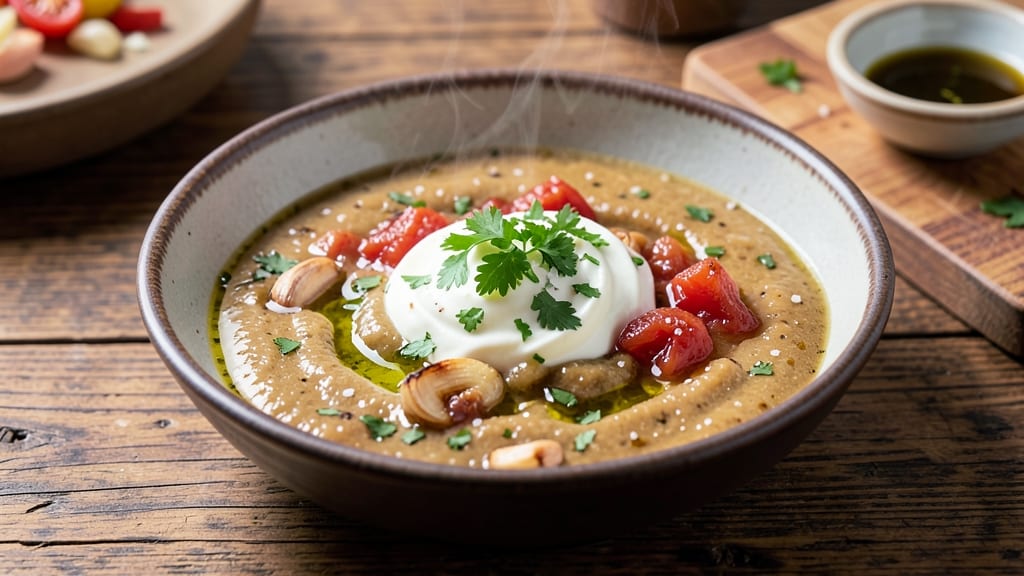
Ballymaloe sauce transforms simple ingredients into a velvety, herb-infused tomato velouté that elevates every dish it touches. Born in Ireland’s renowned Ballymaloe House, this sauce balances acidity, richness, and freshness—perfect for drizzling over grilled fish, seafood, or roasted vegetables. The secret lies in slow reduction and careful seasoning, creating a sauce that’s both elegant and approachable.
This recipe starts with shallots and garlic sautéed until fragrant, then deglazed with white wine to build depth. A blend of fresh herbs—parsley, tarragon, and chives—infuses the sauce with bright, aromatic notes, while a touch of cream adds luxurious body.
The key is patience: simmering the sauce until it thickens just enough to coat a spoon ensures it clings beautifully to food without overwhelming it.
What makes Ballymaloe sauce so versatile is its ability to complement both modern and traditional dishes. Use it as a finishing touch for seared scallops, a drizzle over creamy pasta, or even as a tangy accompaniment to grilled meats.
The sauce keeps well in the refrigerator for up to five days, making it ideal for meal prep—just reheat gently before serving.
Once you master this technique, you’ll find endless ways to adapt it: swap herbs for basil and oregano for a Mediterranean twist, or add a splash of lemon juice for extra brightness. The possibilities are limited only by your creativity.
Ingredients for ballymaloe sauce
Eleven ingredients blend elegance and approachability for this iconic Irish tomato velouté.
| Ingredient | Amount | Notes |
|---|---|---|
| Shallots 🧅 | ½ cup | Finely minced for aromatic base |
| Garlic Cloves 🧄 | 4 cloves | Peeled and thinly sliced |
| Dry White Wine 🍷 | ½ cup | Sauvignon Blanc preferred |
| Canned San Marzano Tomatoes 🍅 | 1 can | 28 oz, crushed by hand |
| Heavy Cream 🥛 | ¼ cup | Full-fat for luxurious texture |
| Fresh Parsley 🌿 | ¼ cup | Flat-leaf, finely chopped |
| Fresh Tarragon 🌿 | ¼ cup | Chopped, stems removed |
| Fresh Chives 🌿 | ¼ cup | Finely sliced, mild flavor |
| Extra-Virgin Olive Oil 🫒 | ½ cup | High-quality, fruity variety |
| Diamond Crystal Kosher Salt 🧂 | ½ tsp | Adjust to taste |
| Freshly Ground Black Pepper 🌶️ | ¼ tsp | Freshly cracked for intensity |
The foundation begins with San Marzano tomatoes—their natural sweetness and acidity are non-negotiable for authentic Ballymaloe flavor. Whole Foods or Trader Joe's carry high-quality cans, but any reputable brand works if labeled 'whole peeled' for easy crushing. Shallots should be vibrant purple, not dried out, and garlic cloves should be firm with no sprouting. For the herbs, freshness is critical: parsley and tarragon should be bright green with no wilting, while chives should have a crisp texture. Penzeys Spices offers excellent dried alternatives if fresh herbs aren't available, but fresh is preferred for that signature aromatic punch. The white wine should be dry and crisp—avoid oaky varieties that will overpower the delicate tomato base.
No San Marzano tomatoes? Crushed Roma tomatoes work as a second choice, though they lack the same depth. Substitute dried tarragon at one-third the amount if fresh isn't available, but the flavor will be subtler. For wine, dry vermouth or apple cider can mimic the acidity profile in a pinch. The cream can be swapped for half-and-half for a lighter texture, though the sauce will be less velvety. If you prefer a completely dairy-free version, coconut cream adds richness, though the flavor profile shifts slightly. Fresh basil can replace parsley for a Mediterranean twist, but reduce the amount to one-quarter cup to maintain balance. Always taste as you go—adjust salt and pepper gradually to avoid over-seasoning the delicate sauce.
This sauce develops complexity over time, so patience is key. Store in an airtight container in the refrigerator for up to five days, though it peaks after 24 hours as flavors meld. For longer storage, freeze in ice cube trays—thaw overnight in the fridge before reheating gently over low heat. The sauce thickens as it cools, so stir in a splash of warm water if it becomes too stiff. Reheat only until warm—boiling can break the emulsion and make it separate. Portion into small containers for easy drizzling over dishes throughout the week, ensuring each serving maintains its restaurant-quality consistency.
Why You'll Love This Recipe
- No Wine List Needed: I keep a bottle of dry white wine in my fridge just for this—no fancy decanter, no sommelier skills. That first splash of wine cuts through the shallots and garlic like magic, turning raw aromatics into something silky and bright.
- Tomatoes Do the Work: San Marzano tomatoes? They’re my secret shortcut. The natural sweetness balances the acidity of the wine, while the cream smooths it all out—no fancy reduction, no peeling, just open the can and let them shine.
- Crowd-Pleaser Every Time: This sauce disappears at dinner parties, but it’s not trying to impress. Slather it on grilled fish, toss it with pasta, or drizzle it over roasted veggies—no one will ask what’s in it, they’ll just ask for more.
- Leftovers That Lie: Between us, I make this sauce on Sundays and pretend it’s for dinner. The truth? It’s my freezer’s best-kept secret. Thaws in minutes, reheats like a dream, and still tastes like you slaved over it. (Spoiler: I don’t.)
Step-by-step instructions for fresh herb-infused tomato velouté
Here's how to craft this velvety sauce with perfect balance and depth.
Sauté the Aromatic Base
Heat the 0.5 cup extra-virgin olive oil in a medium saucepan over medium-low heat. Add the 0.5 cup finely minced shallots and cook for 5-6 minutes until completely translucent and just beginning to soften. This gentle cooking ensures they caramelize slightly without browning.
Increase heat to medium and add the 4 cloves thinly sliced garlic. Cook for 30-45 seconds until fragrant—you should smell the garlic's sweetness, not detect any bitterness. Here's the thing: garlic burns quickly, so keep your eye on the pan. Remove from heat immediately after the aroma develops.
Deglaze with Wine and Build the Tomato Foundation
Pour in the 0.5 cup dry white wine and increase heat to medium-high. Let it simmer for 2-3 minutes until reduced by about half, until you notice the alcohol odor has completely dissipated. This reduction concentrates the wine's flavor and removes any harshness.
Add the 1 can crushed San Marzano tomatoes and 0.5 tsp kosher salt. Stir well to combine, then increase heat to medium-high and bring to a gentle boil. Reduce heat to medium-low and let it simmer uncovered for 15-20 minutes, stirring occasionally, until the sauce thickens slightly and coats the back of a spoon.
Incorporate Fresh Herbs and Finish with Cream
Reduce heat to low and stir in the 0.25 cup chopped tarragon, 0.25 cup chopped parsley, and 0.25 cup sliced chives. Let the mixture simmer gently for 5 minutes to allow the herbs to release their essential oils and infuse the sauce. The herbs should be just barely wilted but still vibrant in color.
Remove from heat and stir in the 0.25 cup heavy cream. The sauce should immediately become silky and velvety. Taste and adjust seasoning with additional kosher salt or freshly ground black pepper as needed. The sauce should be bright, herbaceous, and perfectly balanced between the acidity of the tomatoes and the richness of the cream.
Strain and Serve
Line a fine-mesh strainer with cheesecloth or a coffee filter and place it over a clean bowl. Pour the sauce through the strainer, pressing gently with a wooden spoon to extract maximum flavor while removing any herb stems or seeds. This step ensures a silky texture without compromising the vibrant herb notes.
Serve the sauce immediately over grilled fish, roasted vegetables, or crusty bread. The sauce should be warm but not boiling, allowing the flavors to fully develop on the plate. For best results, use within 2-3 hours of preparation, as the fresh herbs will continue to infuse and brighten the sauce.
Pro Tips For Making Ballymaloe Sauce
- SWEEAT SHALLOTS LOW: I learned this the hard way—tossing chopped shallots in oil over high heat turns them bitter before they soften. Keep the heat at a gentle simmer (just enough to see tiny bubbles) and stir every 30 seconds. They’ll caramelize evenly without burning, and that sweetness is the foundation of the sauce.
- DEGLAZE WITH WINE: Pour in that white wine the second the shallots hit the pan—don’t wait. The alcohol will sizzle and evaporate faster, carrying off any burnt bits and infusing the sauce with bright acidity. Skip this step, and you’ll taste dull, flat wine instead of that crisp backbone the sauce needs.
- CRUSH TOMATOES BY HAND: Drain the San Marzano tomatoes but don’t skip crushing them with your fingers or a wooden spoon. The broken seeds and pulp release more natural sweetness and body into the sauce—way better than just dumping whole tomatoes into the pot. (Yes, it’s a little messy, but it makes a real difference.)
- WHISK CREAM AT END: After simmering the tomatoes and wine, turn off the heat before adding the heavy cream. Then, whisk it in slowly while the pot is still warm—this prevents curdling. If you add cold cream to hot liquid, you’ll end up with a lumpy, sad sauce. (I know, I’ve done it.)
Essential equipment for ballymaloe sauce
Saucepan Essentials
Start with a medium-sized stainless steel saucepan—I love my All-Clad 3-quart for its even heat distribution. The flat bottom prevents hot spots that can burn your sauce.
If you're on a budget, a Cuisinart MultiClad works perfectly too. Avoid non-stick pans for this recipe; they can't handle the prolonged simmering without releasing harmful fumes. 🔥
Straining Tools
A fine-mesh strainer lined with cheesecloth or a coffee filter is non-negotiable for achieving that silky texture. I keep a stainless steel skimmer with a handle (like the OXO Good Grips) for pressing the sauce through.
For a quicker (though slightly less refined) option, a nut milk bag works well. Just don't skip this step—it removes herb stems and seeds that can make your sauce gritty.
Measuring Tools
Precision matters when balancing flavors. Use a stainless steel measuring cup for the wine and olive oil, and a small kitchen scale for herbs if you're feeling fancy. I swear by my OXO Good Grips measuring spoons for the salt and pepper.
A microplane is a game-changer for garlic—it creates ultra-fine slices that infuse flavor without bitterness. For shallots, a sharp chef's knife and cutting board are all you need.
Heat Control
An instant-read thermometer (like the ThermoWorks Thermapen) helps monitor your sauce's temperature during simmering. Aim for 185-195°F—this ensures the sauce reduces properly without boiling over. A silicon spatula with a heat-resistant handle is perfect for stirring without scratching your pan.
For the wine reduction, I often use a small saucepan to concentrate flavors faster, then transfer to the main pan.
Storage Containers
Transfer your finished sauce to glass airtight containers—I prefer Le Parfait 16-ounce jars for their durability. For freezing, silicone ice cube trays are ideal—they let you portion single servings that thaw in minutes.
Label everything with the date (sauce keeps for 5 days refrigerated or 3 months frozen). A vacuum sealer extends freshness even longer, though it's optional.
Optional Upgrades
For a pro touch, a food mill (like the OXO Good Grips) makes straining effortless—just push the sauce through for a perfectly smooth texture. If you love wine, a wine funnel helps deglaze your pan without spills.
And for herb prep, a herb scissors (I use Kuhn Rikon) gives you clean, even cuts every time. These aren't essential, but they make the process smoother. ✨
Nutrition facts
Frequently asked questions
Can I make this sauce without white wine?
For a non-alcoholic version, substitute the 0.5 cup white wine with 0.5 cup apple cider vinegar or 0.5 cup vegetable broth. The acidity helps balance the tomatoes, while the broth adds depth. If using vinegar, reduce the amount slightly (0.4 cup) to avoid over-acidity. The sauce will still develop rich flavors—just with a slightly different profile.
How can I tell when the sauce is properly thickened?
Look for the "back-of-the-spoon" test: when you run a spoon through the simmering sauce, it should leave a visible trail that doesn't immediately disappear. The sauce should coat the spoon lightly but not be glue-like. If it's too thin, simmer uncovered for another 5-10 minutes. If it thickens too much, stir in 1-2 teaspoons warm water to restore balance. The ideal texture is silky yet pourable.
What are the best dishes to pair with this sauce?
This versatile sauce shines on grilled or roasted fish (especially halibut or branzino), seared scallops, and creamy pasta dishes like fettuccine or pappardelle. It also elevates roasted vegetables (try Brussels sprouts or asparagus) or even crusty bread for dipping. For a modern twist, drizzle it over grilled chicken or use it as a marinade base before reduction.
Why did my sauce separate after adding cream?
This usually happens if the sauce was too hot when you added the cream (above 185°F) or if you didn't stir gently. Always remove the pan from heat before adding cream, then stir constantly over low heat until fully incorporated. If separation occurs, whisk in 1 teaspoon cold water or a small amount of the reserved tomato liquid to re-emulsify. The key is patience—let the sauce cool slightly before adding dairy.
Can I make this sauce ahead of time?
Yes! This sauce actually tastes better after resting. Prepare it up to 24 hours ahead and store in an airtight container in the fridge. The flavors meld beautifully, and the herbs continue to infuse. Reheat gently over low heat, stirring occasionally, until warmed through (no boiling). If the sauce thickens too much when cold, stir in 1-2 teaspoons warm water before reheating. For longer storage, freeze in ice cube trays for easy portioning.