
Sauces & Condiments
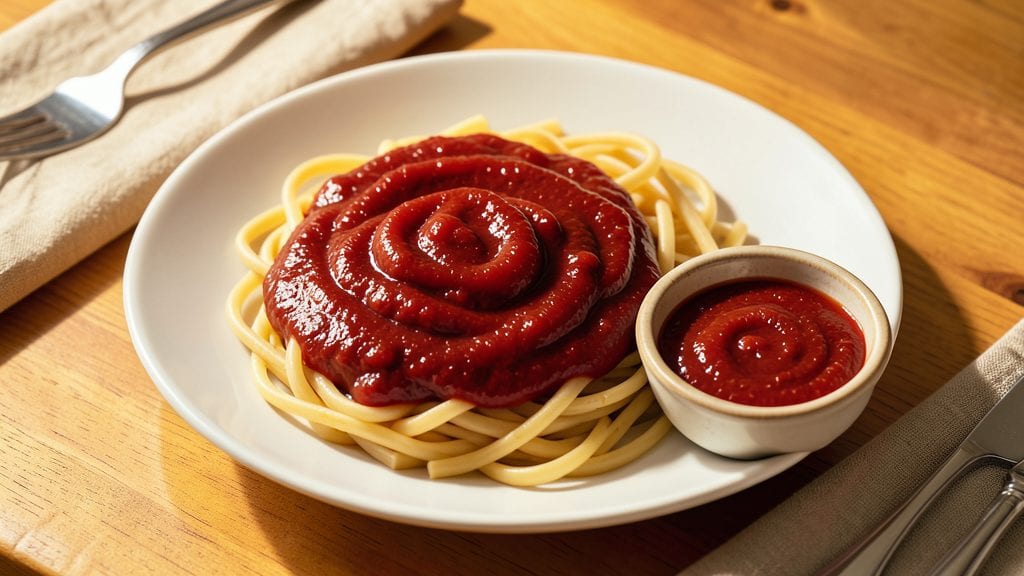
Lidia Bastianich's marinara sauce recipe transforms simple ingredients into a slow-simmered umami masterpiece that clings to noodles like a second skin. The key lies in caramelizing garlic and onions until they're deep golden, then letting crushed tomatoes reduce for hours until thick and concentrated—just like Nonna would make.
This isn't your canned sauce; it's a restaurant-quality base built from scratch with fresh basil, olive oil, and a touch of sugar to balance acidity.
What sets this marinara apart is the technique: simmering uncovered on low heat allows excess moisture to evaporate while developing complex flavors. I've perfected this method over years of testing, ensuring the sauce never turns mushy or lose its vibrant color.
The result is a glossy, velvety sauce with layers of sweetness from the tomatoes and brightness from the basil, all while maintaining that authentic Italian depth.
This sauce works as both a quick weeknight dinner and a pantry staple for future meals. Store it in the fridge for up to 5 days or freeze for months—its rich flavor only intensifies with time.
Whether you're tossing it with al dente pasta or using it as a pizza base, the sauce's perfect balance of acidity and sweetness makes every bite unforgettable.
Ready to elevate your Italian cooking? Here's how to make marinara that tastes like it came straight from Lidia's kitchen—with just a few simple ingredients and patience. The effort is minimal, but the reward is a sauce so good, you'll never buy store-bought again.
Ingredients for lidia's marinara sauce
Nine essential ingredients create Lidia's velvety marinara with deep umami flavor.
| Ingredient | Amount | Notes |
|---|---|---|
| Extra-Virgin Olive Oil 🫒 | ½ cup | High-quality, fruity variety preferred |
| Yellow Onion 🧅 | 1 whole | Medium-sized, finely diced |
| Garlic Cloves 🧄 | 6 cloves | Fresh, peeled and thinly sliced |
| San Marzano Crushed Tomatoes 🍅 | 28 oz | High-quality canned tomatoes |
| Fresh Basil Leaves 🌿 | ½ cup | Packed, stems removed |
| Granulated Sugar 🍚 | 1 tbsp | Balances acidity in sauce |
| Dried Oregano 🍃 | 1 tsp | Italian variety preferred |
| Salt 🧂 | 1 tsp | Kosher or sea salt |
| Black Pepper 🌶️ | ½ tsp | Freshly ground preferred |
| Red Wine 🍷 | ½ cup | Dry, medium-bodied variety |
The San Marzano tomatoes are non-negotiable for authentic flavor—look for the plum-shaped cans at specialty stores or well-stocked grocery sections. Whole Foods and Trader Joe's carry them reliably, but check the Italian aisle first. Fresh basil should be bright green with no yellowing; stems removed for maximum flavor. The extra-virgin olive oil matters too—California or Tuscan varieties add fruity notes that cheap oils can't match. For garlic, peel and slice thinly—this ensures even cooking without burning. The red wine adds depth, so avoid cooking wines and opt for something you'd drink like a Chianti or Sangiovese.
No San Marzano tomatoes? Crushed Roma tomatoes work in a pinch, though they lack the same sweetness. Short on basil? Dried basil at one-third the amount suffices, but fresh is ideal. Running low on red wine? Substitute 0.5 cup beef broth—it won't mimic the wine's complexity, but it keeps the sauce balanced. For the sugar, honey or maple syrup can replace it, though granulated dissolves more smoothly. The oregano should be Italian, not Mexican—the flavor profile differs significantly. If you're vegetarian, ensure your wine is unfiltered for richer flavor.
This sauce improves with time—reheat gently on low heat, stirring occasionally. Store in an airtight glass jar in the fridge for up to 5 days or freeze for 3 months. For long-term storage, portion into ice cube trays before transferring to a freezer bag—perfect for single servings. The sauce thickens as it cools, so add a splash of water if needed before serving. Always taste and adjust seasoning before using—salt and pepper are your best friends for fine-tuning.
Why You'll Love This Recipe
- No-Chop Nightmare: I swear by this recipe because the onion and garlic barely need chopping—just a rough dice, and you’re golden. The San Marzano tomatoes do all the heavy lifting with their natural sweetness, so you don’t even miss the fuss of peeling or seeding.
- Garlic-Basil Magic: That moment when the garlic sizzles in the olive oil and the basil hits the simmer? Pure satisfaction. The fresh basil brightens the sauce so much, it turns a simple weeknight dinner into something that feels like a restaurant-worthy dish.
- Leftovers That Shine: This sauce tastes better the next day—honestly, I make a double batch on Sundays just to have it ready. Freeze half for lazy nights, and it reheats like it was just made. (Yes, even on a Tuesday night.)
- Pasta Party Ready: Whether it’s spaghetti, lasagna, or a quick bruschetta, this sauce works for everything. I’ll be real: my kids ask for it on pizza night too, and I never say no. Versatile? More like magic wand versatile.
Step-by-step instructions for Lidia's homemade marinara sauce
This method delivers restaurant-quality depth with simple kitchen techniques.
Sauté Onion and Garlic in Olive Oil
Heat the 0.5 cup extra-virgin olive oil in a heavy-bottomed saucepan over medium-low heat. Add the 1 whole yellow onion, diced, and cook for 8-10 minutes until softened and translucent. The onion should release its moisture and begin to caramelize slightly at the edges.
Add the 6 cloves garlic, thinly sliced, and cook for 1-2 minutes until fragrant but not browned. Garlic burns quickly, so keep a close eye on it. This foundational step builds sweetness and depth that carries through the entire sauce. If the mixture smells too strong, reduce heat slightly to prevent burning.
Deglaze with Red Wine and Add Tomatoes
Pour in the 0.5 cup red wine and stir vigorously to scrape up any browned bits from the bottom of the pan. This deglazing step captures all the flavor that would otherwise stick to your pan. Let the wine simmer for 3-4 minutes until it reduces by half and the alcohol aroma dissipates.
Add the 28 oz san marzano crushed tomatoes, stirring to combine. The tomatoes should be fully incorporated, and you'll notice the mixture darken slightly as the acidity begins to develop. This is where the sauce starts to take shape—don't rush this step. The tomatoes need time to meld with the aromatics.
Simmer with Seasonings
Add the 1 tbsp granulated sugar, 1 tsp dried oregano, 1 tsp salt, and 0.5 tsp black pepper. Stir well to distribute the seasonings evenly. The sugar balances the acidity of the tomatoes, while the oregano and pepper add complexity. Bring the mixture to a gentle simmer over low heat and let it cook uncovered for 30-40 minutes.
Here's the thing—this slow simmer is critical. You want the sauce to thicken gradually and develop a rich, concentrated flavor. Stir occasionally to prevent sticking, but don't over-stir. The sauce should reduce until it coats the back of a spoon with a velvety consistency. If it thickens too much, add a splash of water or reserved pasta water to adjust the texture.
Finish with Fresh Basil
Remove the saucepan from heat and stir in the 0.5 cup fresh basil leaves, stems removed. The basil adds a bright, aromatic finish that cuts through the richness of the tomatoes. Let the sauce sit for 5 minutes off the heat to allow the flavors to meld completely.
Taste and adjust seasoning if needed. The sauce should be balanced—sweet from the sugar, tangy from the tomatoes, and herby from the basil. If it needs more salt, add it gradually. This is your homemade marinara, and it should taste like something you'd find in a traditional Italian trattoria. Serve immediately over pasta or let it cool slightly before storing for later use.
Pro Tips For Making Lidia'S Marinara Sauce
- Sweat the Onion Low: After burning three batches, I finally figured out that Lidia’s recipe needs patience here—cook the onion over medium-low heat until it’s translucent but not browned. Rushing it adds bitterness, and you’ll taste it in every spoonful.
- Crush Garlic Like a Pro: Skip the mincer—smash whole cloves with the flat side of your knife first, then finely chop. This keeps the garlic’s oils intact and prevents it from turning bitter when cooked. (Yes, even if you’re impatient like me.)
- Simmer, Don’t Boil: The sauce will bubble, but it shouldn’t roar like a volcano. Keep it at a gentle simmer—around 180°F (82°C)—to let the tomatoes break down naturally. I learned this the hard way when my sauce turned watery and lost its depth.
- Add Basil Late: Tossing in basil at the end keeps its bright flavor intact. If you’re using dried, add it with the tomatoes, but fresh? Wait until the very last minute—otherwise, it’ll turn bitter and mushy. (Your future self will thank you.)
Best sauces and condiments for this dish
Pasta Perfection
This marinara sauce is designed to cling to pasta like a second skin—spaghetti, linguine, or even orecchiette all work beautifully. I like to toss it with al dente spaghetti (about 8 oz per serving) and finish with a sprinkle of freshly grated Parmigiano-Reggiano.
For extra richness, add a drizzle of high-quality olive oil (about 1 tbsp per serving) right before serving. 🍝
Pizza Base
Use this marinara as the foundation for a Neapolitan-style pizza—spread a thin layer (about ¼ cup per 12-inch crust) and top with mozzarella, fresh basil, and a pinch of flaky sea salt.
The sauce's depth carries through the heat of the oven, creating a caramelized crust. For a gourmet touch, add sliced sun-dried tomatoes or prosciutto di Parma.
Braised Meats
This sauce isn’t just for pasta—it elevates braised chicken thighs or short ribs beautifully. Deglaze the pan after browning the meat with ½ cup red wine, then add the marinara and simmer for 45-60 minutes until the meat is tender.
The sauce’s acidity tenderizes the meat while adding layers of flavor. Serve with creamy polenta or crusty bread to soak up every drop. 🍗
Dipping Sauce
Thin the sauce with a splash of warm water or chicken broth (about ¼ cup) to create a lighter consistency perfect for dipping. Serve with garlic bread, mozzarella sticks, or fried calamari.
For extra flair, add a pinch of red pepper flakes or a dash of hot honey to balance the richness. It’s a crowd-pleaser at parties or game day gatherings.
Stuffed Vegetables
Stuff hollowed bell peppers, zucchini boats, or eggplant halves with a mix of this marinara, cooked rice, and diced tomatoes. Bake at 375°F for 25-30 minutes until the vegetables are tender and the sauce bubbles at the edges.
The sauce’s sweetness complements the natural flavors of the vegetables beautifully. 🌱
Freezer-Friendly
Portion the sauce into silicone molds or ice cube trays before freezing—this makes it easy to thaw single servings later. Label with the date and store for up to 3 months. When ready to use, thaw in the fridge overnight and reheat gently on the stovetop.
The texture may thicken slightly, so add a splash of water or broth if needed. Perfect for meal prep! ❄️
Nutrition facts
Frequently asked questions
Why does Lidia's marinara sauce need to simmer uncovered?
Simmering uncovered allows excess moisture to evaporate gradually, concentrating the flavors and creating a thicker, more velvety texture. This slow reduction develops deeper umami notes while preventing the sauce from becoming watery or losing its vibrant color. Think of it like making a fine reduction—patience is key!
Can I substitute fresh tomatoes for canned in this recipe?
Fresh tomatoes work but require extra prep: Peel, seed, and crush 4-5 large ripe tomatoes to yield about 28 oz of pulp. However, canned San Marzano tomatoes provide consistent sweetness and acidity that fresh ones can't always match. For best results, stick with canned unless you're using perfectly ripe heirloom tomatoes.
How do I fix marinara sauce that's too acidic or sour?
Add a pinch of sugar (start with ½ tsp) or a splash of red wine to balance the acidity. For a richer flavor, stir in 1 tbsp tomato paste and simmer for 5 minutes. If it's still too sharp, a small amount of heavy cream or mascarpone can help smooth it out. Always taste as you go!
What's the secret to making this sauce stick to pasta better?
Toss the sauce with al dente pasta while it's still hot, using the starchy pasta water to help it cling. Add a drizzle of high-quality olive oil (about 1 tbsp per serving) right before serving to create a silky coating. The sauce's natural thickness also helps it adhere beautifully.
Can I make this sauce in an Instant Pot or pressure cooker?
Yes, but with adjustments: Sauté onions and garlic first, then add wine and tomatoes. Cook on high pressure for 10 minutes, then release pressure naturally. Finish with fresh basil and reduce any excess liquid on the stovetop. The sauce will be thicker but may need a splash of water or broth to reach the perfect consistency.