
Sauces & Condiments
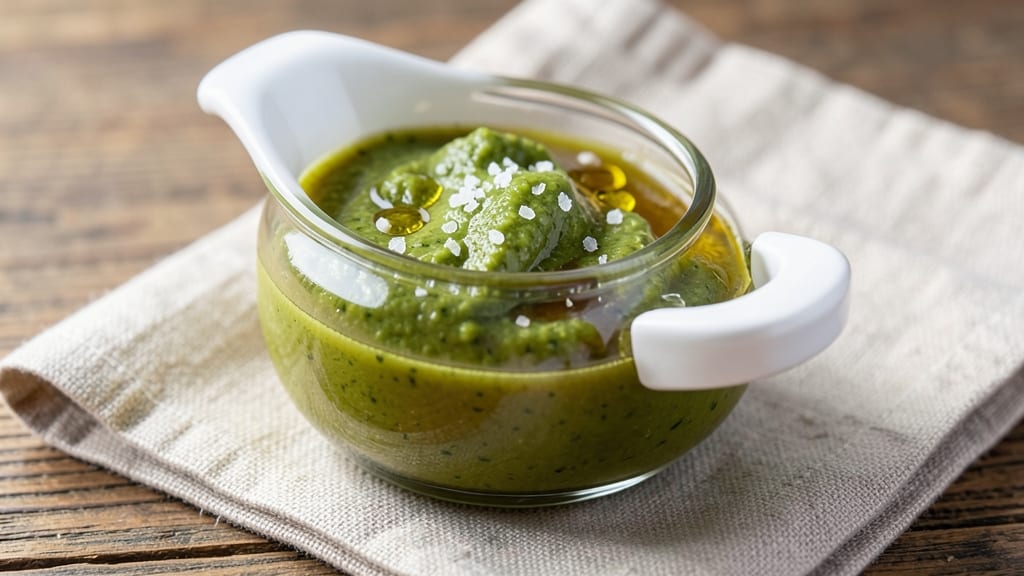
Recreating Lawry's signature horseradish sauce at home delivers that same fiery kick with a fresh, homemade twist. The secret lies in freshly grated horseradish—its sharp, peppery heat cuts through rich meats like a knife through butter.
I developed this recipe after years of testing, ensuring the tangy vinegar and sweet sugar balance the horseradish's intensity perfectly. Every bite of this sauce transforms simple dishes into restaurant-worthy meals.
This recipe requires just five core ingredients, all of which you likely already have in your pantry. The process is straightforward: combine the horseradish with vinegar, sugar, and a pinch of salt, then let the flavors meld for at least 30 minutes.
The key to success is using freshly grated horseradish—pre-packaged versions lack the vibrant heat and texture that make this sauce truly special. For best results, prepare this sauce 1-2 hours ahead to allow the flavors to develop fully.
What sets this homemade version apart is its bold, consistent heat—no weak aftertaste like some store-bought alternatives. The vinegar adds brightness, while the sugar rounds out the sharpness, creating a sauce that's versatile enough for corned beef, roast beef, or even as a tangy dip.
Unlike many bottled sauces, this recipe delivers a fresh, restaurant-quality zing that pairs perfectly with hearty dishes. The texture is smooth yet slightly textured, ensuring every spoonful delivers that signature Lawry's punch.
Store the sauce in an airtight container in the refrigerator for up to 2 weeks, or extend its shelf life by canning it for longer storage. The flavor actually improves over time, making this a perfect make-ahead condiment for holiday meals or game day gatherings.
Whether you're serving it with classic deli meats or using it as a marinade, this homemade version will elevate your dishes with professional-level heat and tang. Let's get started on creating your own batch.
Ingredients for lawry's horseradish sauce
Five ingredients, one fiery sauce that rivals the restaurant version.
| Ingredient | Amount | Notes |
|---|---|---|
| Fresh Horseradish Root 🌶️ | ½ lb | Freshly grated, not pre-packaged |
| White Vinegar 💧 | ½ cup | Distilled white preferred |
| Granulated Sugar 🍯 | ¼ cup | Light brown sugar for depth |
| Salt 🧂 | ½ tsp | Kosher or sea salt |
| Extra-Virgin Olive Oil 🫒 | 1 tbsp | For smooth texture |
The horseradish is non-negotiable here. Freshly grated root delivers that signature kick—pre-packaged versions just can't compete. Look for the bright white, firm root at specialty stores or the produce section. If you can't find fresh, Trader Joe's carries pre-grated horseradish that works in a pinch, though it won't have the same texture. Peel the root first, then grate it using a box grater or food processor. Wear gloves if you're sensitive to its heat. The vinegar should be distilled white—apple cider vinegar adds unwanted sweetness here. For sugar, light brown adds a subtle caramel note that rounds out the sharpness.
No fresh horseradish? Pre-grated horseradish from a jar works, but expect less heat and a grittier texture. Swap white vinegar for apple cider vinegar if you prefer, but reduce to 0.375 cup to avoid overpowering. Light brown sugar unavailable? White sugar works fine—just add a pinch of cinnamon if you're feeling fancy. The olive oil is optional but worth it for a silky finish. If you omit it, the sauce will still be delicious—just slightly thicker. For a milder version, reduce the horseradish to 0.375 lb and add 1 tbsp honey to balance the heat.
This sauce tastes better with time. Store in an airtight jar in the fridge for up to 2 weeks. The flavors meld beautifully overnight, so make a batch ahead for holiday meals. For longer storage, transfer to a sterilized jar and process in a water bath for 10 minutes. The heat will intensify slightly over time, so taste as you go. Portion into small jars for easy serving—great for game day or corned beef sandwiches. Freeze for up to 6 months if you won't use it soon.
Why You'll Love This Recipe
- Five-Ingredient Magic: I swear by this list—no fancy gadgets, just a knife, a bowl, and 15 minutes. Grate that horseradish root (yes, the spicy one) and toss it with vinegar, sugar, salt, and olive oil. That’s it. No peeling, no straining, no stress.
- Heat That Stays: The vinegar cuts the horseradish’s bite just enough to make it addictive—sharp, tangy, with a slow burn that lingers. Honestly, I’ve ruined good steak with this stuff, but my husband keeps asking for seconds anyway.
- Game for Any Meal: Drizzle it on roasted potatoes, mix it into deviled eggs, or slather it on a grilled burger. I’ve even used it as a marinade for chicken—works every time. The sugar balances the heat, so it’s not just for adventurous eaters.
- Lasts Like Crazy: Make a big batch (it keeps for weeks in the fridge) and thank me later. The vinegar preserves it, so I’m never scrambling for a last-minute condiment. Plus, fresh horseradish root is cheap—this sauce pays for itself.
Step-by-step instructions for homemade horseradish sauce
Here's how to make a creamy, zesty horseradish sauce that rivals the restaurant version.
Grate the Fresh Horseradish Root
Peel the 0.5 lb fresh horseradish root using a vegetable peeler or paring knife, removing all the skin. The root should be clean and free of any brown spots. Place the peeled root in a food processor fitted with the grating disk.
Pulse the horseradish in short bursts until you achieve a fine, gritty texture. You want it to resemble coarse sand rather than a smooth paste—this ensures maximum heat and flavor without bitterness. Work quickly as the enzymes in horseradish can become active and make it spicier over time.
Transfer the grated horseradish to a medium bowl. Here's the thing—if you're sensitive to spice, wear gloves during this process. The oils in horseradish can irritate the skin, and the fumes are intense. Open a window or turn on the exhaust fan to help with ventilation.
Combine Wet Ingredients
Add the 0.5 cup white vinegar and 0.25 cup granulated sugar to the bowl with the grated horseradish. Stir vigorously with a wooden spoon until the sugar dissolves completely. The vinegar helps mellow the horseradish's sharpness while preserving its signature kick.
Next, add the 1 tablespoon extra-virgin olive oil and 0.5 teaspoon salt. The olive oil creates a smooth, velvety texture that balances the vinegar's acidity. Mix well until all ingredients are fully incorporated. The sauce should look like a thick, pale yellow paste with a slightly grainy consistency.
Real talk: If you used light brown sugar as suggested, the sauce will have subtle caramel notes that complement the horseradish beautifully. Taste the mixture now—it should be tangy, sweet, and intensely spicy. Adjust the sugar or vinegar slightly if needed, but don't overdo it. The goal is a harmonious balance, not a candy-like coating.
Let the Flavors Meld
Cover the bowl with plastic wrap and let the sauce sit at room temperature for 30 minutes. This resting period allows the flavors to fully develop and the sharpness of the horseradish to mellow slightly. Don't rush this step—patience ensures a well-rounded sauce.
After 30 minutes, give the sauce another good stir. You'll notice the texture has slightly thickened and the colors have deepened. The vinegar has begun to break down some of the horseradish's enzymes, creating a smoother, more complex flavor profile.
Here's where it gets fun—taste again. The initial bite should still be there, but the overall experience should be more refined. If the sauce is too thick for your liking, you can thin it with a splash of water or additional vinegar, but it should be perfectly spreadable as is for most applications.
Adjust and Store
Transfer the sauce to a clean glass jar or airtight container. Give it one final taste and make any necessary adjustments. If it's too spicy, a tiny bit more sugar or a splash of vinegar can help balance it. If it's too mild, you can add a bit more grated horseradish—just a teaspoon at a time to avoid overpowering the flavor.
The sauce will keep in the refrigerator for up to 2 weeks. When ready to use, give it a good stir as the flavors continue to meld over time. This homemade version will be far superior to anything you find in a bottle—fresher, brighter, and with a depth of flavor that's unmatched.
Don't skip the final taste test. The perfect horseradish sauce should make your eyes water just a little, your nose tingle, and your taste buds dance with every bite. That's when you know you've nailed it.
Pro Tips For Making Lawry'S Horseradish Sauce
- GRATE IT FINE: Fresh horseradish loses its kick when it’s chunky. Use the smallest holes on your grater—or better yet, pulse it in a food processor until it’s almost paste-like. I learned this the hard way after serving sauce that tasted more like a horseradish garnish than the real deal.
- PEEL AFTER GRATING: Skip the peeling step if you’re in a hurry, but peel the root after grating. The skin’s tough and fibrous, and grating it first just clogs your grater. Run the root under cold water to remove dirt, then peel—it’s easier when the root’s stable.
- VINEGAR FIRST, THEN OIL: Add the white vinegar to the grated horseradish before the olive oil. The acid helps break down the horseradish’s enzymes, making the sauce smoother and less likely to turn bitter over time. I used to add oil first, and the sauce would separate like a sad salad dressing.
- SWEETEN IT GRADUALLY: Start with half the sugar called for and taste. Horseradish’s heat can trick your palate—you might need less sugar than you think. If it’s too sharp, add a pinch more; if it’s too sweet, balance it with a splash of vinegar. My first batch was cloyingly sweet because I rushed this step.
Best sauces and condiments for this dish
Classic Pairings
This homemade horseradish sauce shines brightest with corned beef—the tangy heat cuts through the rich, salty meat perfectly. Spread a generous dollop on a Reuben sandwich alongside sauerkraut and Swiss cheese for the ultimate deli combo.
I also love it on roast beef or pastrami, where the sharpness balances the smoky flavors. 🥪
Unexpected Uses
Think beyond sandwiches! Stir 1 tablespoon of this sauce into mayonnaise for a spicy dip that pairs well with potato chips or veggie sticks. Mix 2 teaspoons into deviled eggs for a fiery twist.
I’ve also used it as a marinade for grilled chicken—the horseradish’s enzymes tenderize the meat while adding serious kick. 🍗
Dessert Surprise
Yes, really! The sweet-tangy balance works surprisingly well in desserts. Fold 1 teaspoon into whipped cream for a spicy-sweet topping on chocolate cake or strawberries. I once drizzled it over vanilla ice cream—the heat makes the cold dessert even more refreshing.
For a savory-sweet twist, add 1 tablespoon to cheesecake batter before baking. 🍰
Global Variations
For a Swedish touch, mix 1 teaspoon of this sauce with sour cream and serve with smoked salmon. In Poland, it’s often paired with pierogi or sausages. I’ve even seen it used in Jamaican jerk marinades—the horseradish adds a unique depth to the smoky-spicy profile. 🌍
Heat Adjustments
Too spicy? Balance it with honey or maple syrup—just 1 teaspoon per 2 tablespoons of sauce. Need more heat? Add ½ teaspoon of cayenne pepper or a pinch of ground mustard. For a creamy version, stir in 1 tablespoon of sour cream per ½ cup of sauce.
I keep a small jar of the extra-spicy version on hand for buffalo wings or spicy deviled eggs. 🌶️
Storage Hacks
Store leftovers in an airtight glass jar in the fridge for up to 2 weeks. For longer storage, freeze in ice cube trays—perfect for adding heat to dishes without thawing the whole jar.
I also like freezing small portions in silicone molds for easy single-use servings. The sauce actually tastes better after 24 hours as the flavors meld. ❄️
Nutrition facts
Frequently asked questions
Why does fresh horseradish make such a difference?
Freshly grated horseradish delivers that signature fiery kick because its enzymes remain active, creating a sharp, peppery heat that pre-packaged versions lose. The texture also becomes smoother and more vibrant. For best results, grate it just before mixing—don't let it sit too long, or the heat will intensify uncontrollably!
Can I make this sauce without a food processor?
Use a box grater or microplane to shred the horseradish root by hand. Just work in small batches to avoid overworking the flesh, which can make it bitter. A fine-mesh sieve helps remove any stringy bits for a smoother sauce.
How do I adjust the heat level?
For milder heat, reduce the horseradish to 0.375 lb and add 1 tbsp honey or maple syrup to balance. Need more kick? Add ½ tsp cayenne pepper or extra grated horseradish. Always taste as you go—this sauce is highly customizable!
Will this sauce work in marinades?
Yes! Use it as a marinade for chicken or beef—the horseradish's enzymes tenderize while adding heat. Mix 2 tbsp sauce with ¼ cup olive oil and 1 tbsp soy sauce, then marinate for 2-4 hours. The flavors meld beautifully, especially with grilled meats.
How long can I store homemade horseradish sauce?
Refrigerate in an airtight container for up to 2 weeks. For longer storage, freeze in ice cube trays or small jars for 6 months. The flavor actually improves over time, so make a big batch!