
Sauces & Condiments
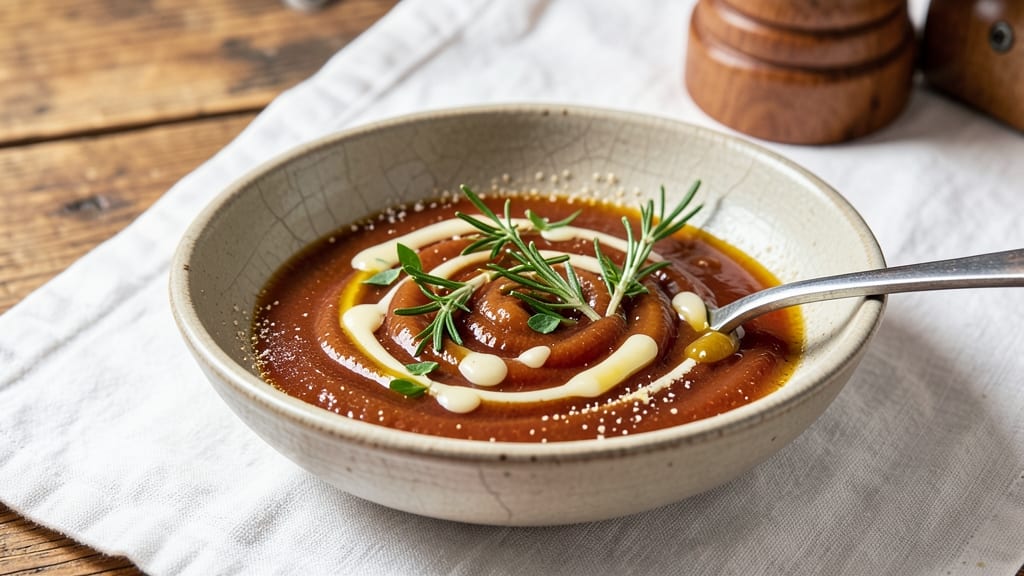
This apple cider vinegar sauce recipe transforms simple pantry staples into a versatile condiment that cuts through richness with its perfect balance of tangy sharpness and honeyed sweetness.
The magic lies in the slow reduction of vinegar, honey, and mustard, creating a glossy, flavor-packed sauce that elevates everything from grilled meats to fresh salads. I developed this recipe after realizing how often I reached for store-bought dressings that lacked depth—this version delivers restaurant-quality complexity at home.
The sauce begins with a simple base of apple cider vinegar and honey, simmered until thickened into a syrupy consistency. A touch of Dijon mustard adds subtle heat and creaminess, while fresh herbs like thyme or rosemary bring earthy notes that deepen with each use.
What makes this sauce truly special is its adaptability—it works as a tangy marinade, a bright salad dressing, or even a dipping sauce for fried foods. The key is patience during the reduction; rushing this step results in a thin, watery sauce that lacks impact.
Once complete, you’ll have a glossy, aromatic sauce with a perfect balance of sweet and sour that clings beautifully to proteins and vegetables. The vinegar’s acidity tenderizes meats while cutting through fatty dishes, making it ideal for grilled chicken, pork tenderloin, or even as a finishing drizzle on roasted vegetables.
Store it in an airtight container in the refrigerator for up to two weeks, or freeze for longer shelf life—its flavor only intensifies over time.
This sauce is more than just a condiment; it’s a flavor multiplier that transforms ordinary meals into something extraordinary. Try it on a classic Caesar salad for a modern twist, or use it to baste steaks during grilling for a caramelized crust.
The possibilities are endless, and the best part? You’ll never buy store-bought dressing again once you taste the difference. Let’s make it.
Ingredients for apple cider vinegar sauce
Nine pantry staples transform into a restaurant-quality sauce that brightens everything from salads to grilled meats.
| Ingredient | Amount | Notes |
|---|---|---|
| Apple Cider Vinegar 🍏 | 1 cup | Raw, unfiltered preferred |
| Raw Honey 🍯 | ½ cup | Local honey for depth |
| Dijon Mustard 🌶️ | 2 tbsp | High-quality, smooth variety |
| Fresh Thyme Leaves 🌿 | ¼ cup | Or 1 tbsp dried thyme |
| Fresh Rosemary Sprigs 🌿 | ⅛ cup | Finely chopped, stems removed |
| Granulated Garlic 🧄 | 1 tsp | Or 1 minced garlic clove |
| Sea Salt 🧂 | 1 tsp | Diamond Crystal preferred |
| Black Peppercorns 🌶️ | ½ tsp | Freshly cracked preferred |
| Extra-Virgin Olive Oil 🫒 | ¼ cup | For glossy finish |
| Water 💧 | ¼ cup | For thinning if needed |
The apple cider vinegar is the heart of this sauce—look for raw, unfiltered brands like Bragg or Texas Pete for that deep, complex flavor. Honey should be raw and local if possible (local farmers markets often have amazing small-batch options), but store-bought raw honey works too. I always double-check the Dijon mustard label for 100% mustard seeds—no additives or fillers. The fresh herbs? Trader Joe's has the best pre-packaged thyme and rosemary bundles, but if you're growing your own, fresh is absolutely essential for that bright, aromatic punch. The olive oil might seem like a small amount, but it's what gives the final sauce that gorgeous sheen and helps emulsify everything beautifully.
No raw honey? Maple syrup or agave nectar works in a pinch—just reduce the liquid slightly longer since they're less viscous. Substituting dried herbs? Use one-third the amount of fresh, but don't skip them entirely—they're what makes this sauce sing. Running short on apple cider vinegar? White wine vinegar or balsamic can work, though the flavor profile shifts slightly. The olive oil is non-negotiable for the glossy finish, but if you're avoiding it, avocado oil is a great alternative. And if your sauce turns out too thick after reduction? A splash of warm water brings it back to perfect consistency every time.
This sauce keeps beautifully—two weeks in the fridge in an airtight glass jar, or up to three months frozen. I always make a double batch because it disappears so fast—pork tenderloin, grilled chicken, even roasted Brussels sprouts all become showstoppers with this drizzled on top. For freezing, portion into ice cube trays first—perfect single-use amounts that thaw in minutes. And if you're using it as a marinade, never reuse the leftover sauce—always make fresh for maximum flavor impact.
Why You'll Love This Recipe
- Five-Ingredient Magic: I swear, this sauce is the kind of recipe that makes me feel like a genius—just vinegar, honey, mustard, and herbs. No fancy techniques, no last-minute grocery runs, and honestly? It’s the kind of thing I’ll make just to have on hand for whatever comes next.
- Tangy-Sweet Balance: That first bite when the sharpness of the apple cider vinegar meets the smooth honey? It’s like a little flavor hug. The Dijon mustard adds depth, while the thyme and rosemary give it this earthy, herbal punch—simple, but ridiculously good.
- Dresses Up Anything: Slather it on grilled chicken, drizzle it over roasted veggies, or toss it with a simple salad. I’ve even used it as a marinade for tofu—it’s that kind of reliable. Whether it’s a weeknight dinner or a fancy-ish brunch, this sauce shows up and saves the day.
- Lasts All Week: Between us, I make a big batch and keep it in the fridge for days. The flavors actually get better as it sits, and it’s way cheaper than buying store-bought dressings. Plus, no one ever complains when I pull it out—my kids even ask for it on their sandwiches.
Step-by-step instructions for apple cider vinegar sauce
This vibrant sauce comes together in minutes—where tangy apple cider vinegar meets rich honey and aromatic herbs.
Whisk Vinegar and Honey Together
In a medium saucepan, combine the 1 cup apple cider vinegar and 0.5 cup raw honey over low heat. Stir gently with a wooden spoon until the honey dissolves completely—you'll see the mixture transform from grainy to smooth and glossy. I like to use a heat diffuser or double boiler here to prevent the honey from overheating and crystallizing.
Let the mixture simmer gently for 3-4 minutes until it reaches 160°F—just warm enough to release the honey's floral notes without burning. The aroma will be intoxicating: bright apple acidity balanced by sweet, golden honey. Keep the heat low; this sauce is about harmony, not intensity.
Add Herbs and Aromatics
Remove the sauce from heat and stir in the 0.25 cup fresh thyme leaves and 0.125 cup finely chopped fresh rosemary sprigs. The herbs should float freely—no need to chop them finely, just enough to release their essential oils. Add the 1 tsp granulated garlic and let the mixture steep for 10 minutes at room temperature. This infusion is where the magic happens; the herbs soften slightly, releasing their piney, earthy flavors into the sauce.
While steeping, crush the 0.5 tsp black peppercorns lightly between your palms to release their oils. This step amplifies the sauce's depth without overpowering it. The sauce should now have a complex aroma—bright, herbal, and subtly spicy. If you're using dried thyme, reduce to 1 tbsp and steep for only 5 minutes to avoid bitterness.
Incorporate Mustard and Season
Return the sauce to low heat and whisk in the 2 tbsp Dijon mustard until fully combined. The mustard adds a subtle tang and helps emulsify the sauce later. Sprinkle in the 1 tsp sea salt and let the mixture simmer for another 2-3 minutes—just enough to meld all the flavors. Taste and adjust seasoning; you're aiming for a perfect balance of sweet, tangy, and herbal.
Here's the thing—this sauce should taste bold but not harsh. The mustard and salt work together to round out the vinegar's sharpness. If the sauce seems too thick, add 1-2 tablespoons of water at a time until it reaches a glossy, pourable consistency. The goal is a sauce that clings beautifully to proteins or vegetables without being syrupy.
Finish with Olive Oil for Shine
Remove the sauce from heat and let it cool slightly for 5 minutes. This resting period allows the flavors to fully integrate. Once cooled, whisk in the 0.25 cup extra-virgin olive oil slowly. The oil should emulsify naturally, creating a silky, velvety texture. If the sauce separates, simply whisk vigorously for 30 seconds—it'll come back together.
The final sauce should be vibrant, with a deep amber hue and a glossy sheen. It should coat the back of a spoon smoothly, with layers of flavor: bright apple cider vinegar, floral honey, earthy herbs, and a hint of mustard's bite. Strain out the herbs if you prefer a smoother texture, or leave them in for a rustic touch. This sauce keeps well in the refrigerator for up to 2 weeks, making it perfect for batch prep.
Pro Tips For Making Apple Cider Vinegar Sauce
- STIR CONSTANTLY AT FIRST: The moment you mix vinegar and honey, the sauce can curdle if you’re not paying attention. Keep a wooden spoon moving for the first 30 seconds—especially if your honey is thick or cold—until everything smooths out. I learned this the hard way when my first batch looked like split pea soup.
- USE DRY THYME STEMS: Fresh thyme leaves bruise easily and turn bitter when simmered. Tear the sprigs in half, then strip the leaves off the stems—save the stems for the sauce. They release flavor steadily without overpowering, and you’ll get more out of your bunch. (Yes, even if you’re impatient like me.)
- SALT THE VINEGAR FIRST: Toss in a pinch of flaky salt with the vinegar before adding honey—it balances the sharpness right from the start. Skipping this means you’ll either end up with a sauce that’s too tangy or need to add more honey later. Trust me, your taste buds will notice the difference.
- WARM THE HONEY: Cold honey sinks like a stone and refuses to emulsify. Microwave it for 10 seconds or place the jar in warm water for 2 minutes until it’s fluid. This isn’t about cooking—just getting it to flow so the sauce comes together silky-smooth. (Your future self will thank you.)
Make-ahead tips for apple cider vinegar sauce
Batch Prep Essentials
Make a double batch of this sauce—it disappears faster than you think! I always prepare 2 cups at once, storing one in the fridge and freezing the other in ice cube trays for single-use portions.
The frozen cubes thaw in 5-10 minutes under warm water, perfect for quick marinades or drizzles. 🍏
Storage Solutions
Use amber glass jars with airtight lids to preserve the sauce’s vibrant color and prevent oxidation. Store in the fridge for up to 2 weeks—the flavors actually deepen over time, becoming richer and more complex.
For longer storage, freeze in silicone molds or small jars, leaving ½-inch headspace to prevent ice crystal formation. Label with the date to track freshness.
Freezing for Convenience
Portion the sauce into 1-ounce servings before freezing—ideal for single-use applications like salad dressings or marinades. When ready to use, thaw in the fridge overnight or microwave for 10-15 seconds on 50% power.
Avoid reheating to 165°F—just warm gently to 100°F to preserve the delicate balance of flavors. The texture may thicken slightly after freezing, so add 1 tsp water per 2 tbsp sauce if needed.
Reviving Stored Sauce
If your refrigerated sauce thickens over time, simply reheat it gently in a saucepan over low heat for 2-3 minutes, stirring constantly. For a smoother consistency, whisk in 1 tsp water at a time until it reaches your desired pourability.
The sauce’s acidity means it won’t spoil easily, but if you notice a sour or off aroma, discard it—better safe than sorry. 💡
Marinade Hack
For marinades, use ½ cup of the sauce per 1 pound of protein (chicken, pork, or fish). Reserve ¼ cup to baste during cooking—simmer it in a small saucepan until reduced by half, then brush onto meats in the last 5 minutes of grilling or roasting.
This creates a caramelized crust that locks in moisture and adds depth. Always discard leftover marinade that touched raw meat.
Flavor Boost Over Time
The sauce’s complexity improves with age, especially when stored in the fridge. After 3-4 days, the vinegar’s acidity mellows slightly, and the herbs release even more aroma. For an extra boost, add ½ tsp fresh lemon juice or 1 tsp maple syrup when reheating to refresh the balance.
This makes it perfect for weeknight meals—just pull it from the fridge and use as-is. ✨
Nutrition facts
Frequently asked questions
Can I substitute white vinegar for apple cider vinegar in this sauce?
While you can use white vinegar, the flavor will be noticeably different. Apple cider vinegar adds a subtle sweetness and depth that white vinegar lacks. For a closer substitute, try balsamic vinegar—it provides a similar richness, though with a slightly different acidity profile. If you must use white vinegar, reduce the honey slightly (¼ cup) to balance the sharper taste.
How do I adjust the sweetness or tanginess in this sauce?
For more sweetness, add 1-2 tablespoons of honey per ½ cup sauce and simmer for 2-3 minutes to blend. For extra tang, increase the vinegar by 1 tablespoon and reduce the liquid by 1 minute to maintain thickness. Always taste as you go—this sauce is all about balance!
Can I make this sauce without mustard?
Yes! If you dislike mustard, simply omit it and increase the olive oil to ⅓ cup to help emulsify the sauce. The mustard adds depth and a slight creaminess, but the sauce will still shine with just vinegar, honey, and herbs. For a different twist, try 1 teaspoon of apple cider powder instead—it enhances the apple flavor beautifully.
What’s the best way to use leftover sauce?
This versatile sauce works as a marinade, salad dressing, or dipping sauce. For marinades, use ½ cup per pound of protein (like chicken or pork) and reserve ¼ cup to baste during cooking. As a dressing, whisk with 1 tablespoon olive oil and toss with greens. For dipping, serve with fried chicken or veggies—its tangy-sweet balance is irresistible!
Why did my sauce separate after adding olive oil?
This happens when the sauce cools too quickly or if the oil is added too fast. To fix it, whisk vigorously for 30 seconds—the heat from your hands will help re-emulsify it. For prevention, let the sauce cool slightly (5 minutes) before adding oil, and whisk slowly while incorporating. If it separates again, reheat gently over low heat while stirring constantly.