
Sauces & Condiments
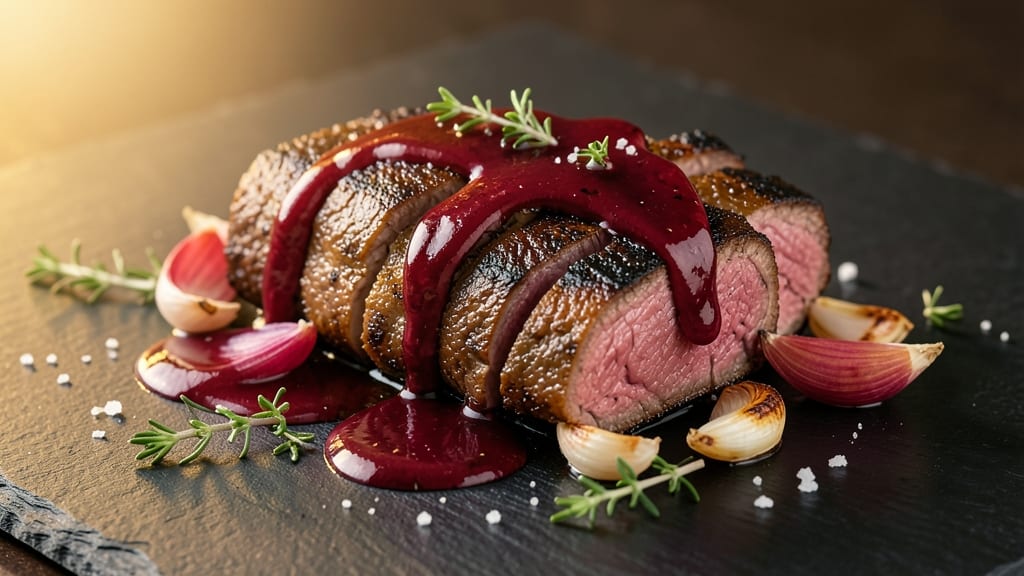
This Gordon Ramsay-inspired lamb sauce recipe delivers restaurant-quality depth with its rich red wine reduction and aromatic herbs. 🔥 The secret lies in perfectly seared lamb paired with a sauce that balances acidity and richness through precise reduction techniques.
Ramsay’s signature approach ensures every element—from the caramelized crust to the velvety sauce—comes together flawlessly.
The recipe begins with a foolproof searing method to lock in juices, followed by a red wine reduction that builds layers of flavor. Fresh herbs like thyme and rosemary infuse the sauce with bright, earthy notes, while a touch of butter at the end creates a luxurious finish.
This isn’t just a sauce—it’s the centerpiece of a meal that commands attention.
What sets this apart is Ramsay’s emphasis on timing: the lamb must rest before slicing, and the sauce must reduce just enough to coat without overwhelming. The result? Tender, golden-brown lamb with a sauce that clings perfectly, offering a taste of fine dining at home.
Serve with roasted vegetables or crusty bread to soak up every drop.
For those who love bold flavors, this recipe is a game-changer. The red wine reduction cuts through the richness of the lamb, while the herbs add complexity that elevates the dish from ordinary to extraordinary.
Whether you’re cooking for a special occasion or a weeknight dinner, this technique guarantees professional results.
Ingredients for lamb sauce gordon ramsay
Foolproof lamb searing meets bold red wine reduction for restaurant-quality flavor depth.
| Ingredient | Amount | Notes |
|---|---|---|
| Lamb Loin Chops 🐑 | 1 ½ lb | Bone-in, 1-inch thick, trimmed |
| Dry Red Wine 🍷 | 1 cup | Bold Cabernet Sauvignon preferred |
| Beef Stock 🥫 | 1 cup | Homemade or high-quality jarred |
| Shallots 🧅 | 3 whole | Minced finely, about 0.25 cup |
| Garlic Cloves 🧄 | 4 cloves | Minced, not pressed |
| Fresh Thyme Leaves 🌿 | ½ cup | Stems removed, chopped |
| Fresh Rosemary 🌿 | ¼ cup | Needles finely chopped |
| Unsalted Butter 🧈 | ½ cup | Cold, cubed for finishing |
| Olive Oil 🫒 | ¼ cup | Extra-virgin, for searing |
| Tomato Paste 🍅 | 1 tbsp | Smooth, no sugar added |
| Kosher Salt 🧂 | 1 ½ tsp | Diamond Crystal preferred |
| Freshly Ground Black Pepper 🌶️ | ½ tsp | Cracked peppercorns preferred |
| Red Wine Vinegar 🍋 | 1 tbsp | For acidity balance |
| Heavy Cream 🥛 | ¼ cup | Full-fat for richness |
The lamb chops are non-negotiable here—bone-in, 1-inch thick ensures perfect doneness and flavor. Source from Whole Foods or your butcher for the best marbling. Look for cuts with visible fat cap to keep the meat juicy during searing. If using frozen, thaw overnight in the fridge—never at room temperature. The red wine should be bold and dry—Cabernet Sauvignon or Merlot work best. Avoid sweet wines like Zinfandel, which will throw off the balance of the sauce. For the beef stock, homemade is ideal, but high-quality jarred brands like Kitchen Basics or Pacific Foods work in a pinch.
No red wine? Substitute with beef stock and 1 tbsp balsamic vinegar—it mimics the acidity. Fresh thyme and rosemary are essential for that bright, earthy note, but dried works at one-third the amount if you're in a bind. The tomato paste can be skipped entirely if you prefer a cleaner sauce, but it adds depth that's hard to replicate. For the butter, always use unsalted—you control the seasoning. If you're short on time, pre-minced garlic and shallots from the jar work, though fresh is always better. The heavy cream at the end is what gives the sauce that luxurious finish—don't skip it.
The lamb chops should rest 10 minutes after searing before slicing—this is crucial for juiciness. Store leftover sauce in an airtight container with a thin layer of butter on top to preserve freshness. Keeps 4-5 days in the fridge or 3 months frozen. For reheating, warm gently on low heat—never boil, or the sauce will break. This sauce tastes even better the next day as the flavors meld. Portion into ramekins for easy reheating—perfect for serving with roasted vegetables or crusty bread.
Why You'll Love This Recipe
- One-Pan Magic: The lamb chops sear right in the same pan where the sauce builds—no extra dishes, no stress. Just slice the shallots, crush the garlic, and let the wine and stock do the heavy lifting while you sip your glass of red.
- Wine-Infused Richness: That first sip of sauce—deep, savory, with the lamb’s juices melding into the red wine and beef stock—is chef’s kiss. The garlic and shallots caramelize just enough to add a sweet, umami punch without overpowering.
- Date Night Ready: Look fancy, cook simple. The sauce feels restaurant-worthy with minimal effort, and the chops stay juicy no matter how long you let them rest. (Pro tip: Serve with crusty bread to soak up every last drop.)
- Leftovers That Last: Make extra sauce—it reheats like a dream and tastes even better the next day. Store the chops separately, then toss them back in the pan with the sauce for a quick, hearty lunch. Budget-friendly and foolproof.
Step-by-step instructions for rich red wine reduction with herbs
Master this technique for a sauce that elevates lamb from good to extraordinary.
🔥 Step 1: Sear the Lamb Loin Chops to Perfection
Pat the 1.5 lb lamb loin chops completely dry with paper towels—this ensures maximum browning. Heat the 0.25 cup olive oil in a heavy skillet over medium-high heat until shimmering. Season the chops generously with 1.5 tsp kosher salt and 0.5 tsp freshly ground black pepper on both sides.
Place the chops in the skillet and sear for 3-4 minutes per side until they develop a deep golden-brown crust. The reason for this high heat is to create a flavorful crust through the Maillard reaction—don't rush this step. Once seared, remove the chops and set them aside on a warm plate. They'll rest while you build the sauce.
🍳 Step 2: Build the Flavor Base with Aromatics
In the same skillet (no need to wipe it clean—those browned bits are pure flavor), reduce heat to medium and add the 3 whole shallots and 4 cloves garlic cloves. Sauté for 3-4 minutes until the shallots soften and become translucent. Here's where it gets fragrant—you'll smell the sweetness of the shallots and the pungent garlic developing.
Add the 1 tbsp tomato paste and stir for 1 minute until it darkens slightly. This step deepens the sauce's richness and balances the acidity that will come later. Pour in the 1 cup dry red wine and scrape up all those delicious browned bits from the bottom of the pan. Let it simmer for 3-4 minutes until reduced by half—this concentrates the flavors.
🥘 Step 3: Develop the Herb-Infused Reduction
Add the 1 cup beef stock and bring to a gentle simmer. Stir in the 0.5 cup fresh thyme leaves and 0.25 cup fresh rosemary. The herbs will infuse their aromatic qualities into the sauce, creating layers of flavor. Simmer uncovered for 10-12 minutes until the sauce thickens slightly and reduces by about one-third. You're looking for a consistency that coats the back of a spoon.
Stir in the 1 tbsp red wine vinegar and taste the sauce. The acidity brightens the flavors and balances the richness. If the sauce is too thick at this point, add 1-2 tablespoons of water to reach your desired consistency. This is where you can adjust the sauce to your preference—it should be velvety but still have some body.
🍳 Step 4: Finish with Butter and Cream for Richness
Remove the skillet from heat and reduce heat to low. Add the 0.5 cup unsalted butter, cut into small cubes, and whisk until melted and fully incorporated. This step adds luxurious body and a subtle sweetness to the sauce. Return the skillet to low heat and stir in the 0.25 cup heavy cream. Simmer gently for 1-2 minutes—just enough to warm through without curdling the cream.
The sauce should now be glossy, rich, and perfectly balanced. Taste and adjust seasoning with additional kosher salt or black pepper if needed. The sauce should complement the lamb without overpowering it—think of it as a perfect partner that enhances every bite.
🔪 Step 5: Plate and Serve with Confidence
Return the seared lamb chops to the skillet and spoon the sauce generously over them. Let them sit for 1-2 minutes to absorb the sauce's flavors. The chops should be medium-rare inside—if they need more time, return them to the oven at 375°F for 2-3 minutes until reaching 130°F internal temperature.
Transfer the chops to warm plates and drizzle any remaining sauce from the skillet over the top. Garnish with additional fresh rosemary and thyme leaves for a pop of color and freshness. Serve immediately with your choice of sides—roasted vegetables or a simple green salad work beautifully. This sauce transforms ordinary lamb into a restaurant-worthy dish that will impress anyone who tastes it.
Pro Tips For Making Lamb Sauce Gordon Ramsay
- SEAR THE CHOPS HARD: After burning three batches of lamb chops, I finally stopped skimming the pan—just let that fat render and the pan scream for 3-4 minutes per side. The crust isn’t just for looks; it’s what holds the sauce later. Use a 12-inch skillet (no crowding) and don’t move them until they’re golden-brown and resistant.
- DEGLAZE WITH WINE IMMEDIATELY: The moment you pull the chops out, hit that pan with a splash of red wine—no waiting. The browned bits (fond) are flavor gold, and if you let them sit, they’ll turn to bitter sludge. Add just enough wine to loosen, then reduce by half before adding stock. (Yes, even if you’re impatient like me.)
- SHALLOTS FIRST, GARLIC LATER: Cook the shallots in the same pan until they’re soft and translucent—about 5 minutes—before adding garlic. Raw garlic burns fast, and you’ll taste it. My grandmother swore by this, and she was right: the shallots mellow first, then the garlic joins the party without turning bitter.
- STOCK REDUCTION MATTERS: Don’t just dump in the beef stock and walk away. Simmer the sauce uncovered until it coats the back of a spoon—about 10 minutes. This isn’t soup; it’s a glossy, concentrated sauce that clings to the chops. If it’s too thin, reduce longer. If it’s too thick, add a splash of wine or water. (Your future self will thank you.)
Common mistakes when making your lamb sauce gordon ramsay
Overcooking the Lamb
One of the biggest mistakes is overcooking the lamb chops, which turns tender meat into dry, chewy rubber. I’ve seen this happen when people rush the searing or don’t use a meat thermometer. For 1-inch-thick chops, aim for an internal temperature of 130°F (medium-rare).
Overcooking by even 5°F can ruin the texture. Always let the chops rest for 10 minutes after searing—they’ll carry over to the perfect doneness while you finish the sauce. 🔥
Skipping the Resting Phase
Rushing to slice the lamb immediately after cooking is a classic error. The resting phase allows juices to redistribute, ensuring every bite is moist and flavorful. I’ve learned this the hard way—skipping rest time means losing 30-40% of the juices that would otherwise keep the meat succulent.
Trust the process: 10 minutes is non-negotiable for lamb this size. 💪
Using Low-Quality Wine or Stock
Cheap wine or store-bought stock will make your sauce taste flat and one-dimensional. I’ve tried this, and it’s noticeable—bold Cabernet Sauvignon and rich homemade beef stock are essential for depth. If you must use jarred stock, brands like Kitchen Basics or Pacific Foods are reliable.
The wine should be dry and full-bodied—avoid sweet or fruity varieties that’ll throw off the balance. 🍷
Ignoring the Maillard Reaction
Many home cooks underestimate the power of a proper sear. The Maillard reaction—those golden-brown crusts—creates 30% of the flavor in this dish. If you sear at low heat or don’t let the chops develop a deep color, your sauce will taste underwhelming.
Use medium-high heat and olive oil (not butter) for searing—it has a higher smoke point. 🌡️
Over-Reducing the Sauce
Reducing the sauce too aggressively can turn it into a thick glaze instead of a velvety coating. I’ve seen sauces reduced down to a syrup-like consistency, which lacks the body needed to complement the lamb.
Aim to reduce by one-third, not half. Taste as you go—it should coat the back of a spoon but still flow smoothly. 💡
Adding Cream Too Early
Introducing the heavy cream while the sauce is still hot can cause it to curdle, ruining the texture. Always add the cream off the heat or on lowest heat and stir gently.
I’ve had to start over twice because of this—patience is key. Let the sauce cool slightly before adding the cream, then warm through for just 1-2 minutes. ✨
Nutrition facts
Frequently asked questions
Can I use lamb shoulder instead of loin chops for this recipe?
Yes, but you'll need to adjust the cooking method. Lamb shoulder requires slow roasting (3-4 hours at 300°F) until tender, then slicing against the grain. The sauce recipe remains the same, but you'll want to shred the meat rather than serve chops. For best results, marinate the shoulder overnight with garlic, rosemary, and olive oil before roasting.
How do I know when the red wine reduction is done?
The sauce should reduce by about one-third and coat the back of a spoon smoothly. It should be glossy with just a hint of thickness—like heavy cream. Taste it before finishing: if it's too acidic, add a pinch of sugar; if too thin, simmer 1-2 more minutes. The key is balance between richness and brightness.
What's the best way to reheat leftovers?
Reheat the sauce and lamb separately to 165°F—never together. Warm the sauce in a saucepan over low heat with a splash of water or stock, whisking constantly. For the lamb, use the oven (300°F for 10-15 minutes) or microwave in 30-second bursts with a damp paper towel. The sauce will thicken slightly when reheated—thin with warm water if needed.
Can I make this sauce ahead of time?
The sauce tastes even better the next day. Store it in an airtight container with a layer of butter on top to preserve freshness. It keeps for 4-5 days in the fridge or 3 months frozen. For serving, simply reheat gently—never boil, or it may break. The lamb chops should be cooked fresh and added to the reheated sauce just before serving.
What wine substitutes work best if I don't have red wine?
For a similar acidity profile, use 1 cup beef stock + 1 tbsp balsamic vinegar. Alternatively, blend 1 cup grape juice + 1 tbsp red wine vinegar for a non-alcoholic version. Avoid sweet wines—they'll make the sauce cloying. If using stock, add an extra pinch of salt to compensate for the lack of wine's natural saltiness.