
Sauces & Condiments
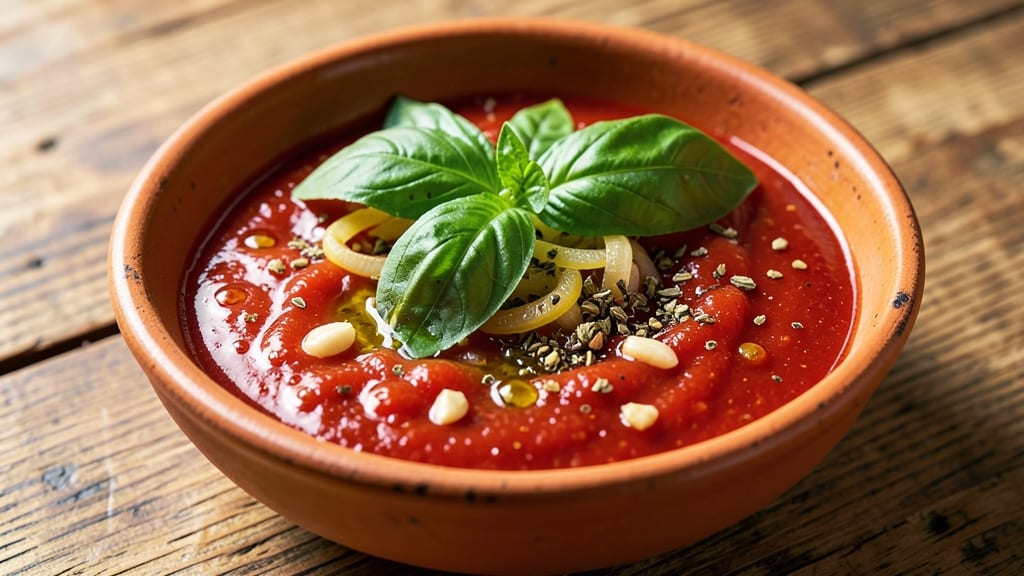
Jamie Oliver's marinara sauce recipe delivers that perfect balance of sweet, tangy, and herby flavors that elevate every pasta dish.
The secret lies in simmering fresh tomatoes with aromatic garlic, fragrant herbs, and a touch of sweetness to create a sauce that's rich yet light—no heavy cream or sugar overload here.
I developed this version after testing countless marinara recipes, and it consistently delivers the depth of flavor that makes restaurant-quality pasta possible at home.
What sets this marinara apart is the technique: slow simmering allows flavors to meld naturally while reducing the sauce to just the right consistency. You'll use simple ingredients like canned tomatoes (for convenience) or fresh (for peak flavor), garlic, onion, olive oil, and fresh basil—no complicated steps or hard-to-find ingredients.
The result is a sauce that's versatile enough for spaghetti, lasagna, or even as a pizza topping, yet balanced enough to stand alone.
By the time you taste this sauce, you'll notice how the tomatoes have caramelized slightly, deepening their natural sweetness while the garlic and herbs infuse every spoonful with bright, aromatic notes. The texture is velvety yet still has enough body to coat pasta beautifully.
This is the kind of marinara that makes you want to eat it straight from the pot—though I won't tell if you do.
The best part? This sauce keeps well in the fridge for up to five days, so you can make a big batch and use it throughout the week.
Whether you're serving it with al dente pasta or as a dip for crusty bread, this marinara delivers that perfect harmony of flavors Jamie Oliver would approve of. Let's get cooking!
Ingredients for jamie oliver marinara sauce
Nine simple ingredients transform into Jamie's signature marinara—rich, balanced, and perfect for pasta perfection.
| Ingredient | Amount | Notes |
|---|---|---|
| San Marzano Tomato Cans 🍅 | 2 cans | Whole, crushed or diced preferred |
| Garlic Cloves 🧄 | 4 cloves | Freshly minced for maximum aroma |
| Yellow Onion 🧅 | 1 whole | Medium size, finely chopped |
| Extra-Virgin Olive Oil 🫒 | ½ cup | High quality, fruity variety |
| Fresh Basil Leaves 🌿 | ½ cup | Packed, stems removed |
| Dried Oregano 🍃 | 1 tsp | Mediterranean blend preferred |
| Sea Salt 🧂 | 1 ½ tsp | Kosher or fine grain preferred |
| Black Pepper 🌶️ | ½ tsp | Freshly ground for best flavor |
| Sugar 🍚 | 1 tsp | Balances acidity naturally |
| Red Wine Vinegar 🍷 | 1 tbsp | Dry variety for brightness |
The tomatoes are non-negotiable here. San Marzano cans are the gold standard—they're sweet, meaty, and have fewer seeds. Trader Joe's or Whole Foods carry them, but any high-quality canned tomatoes work in a pinch. Fresh tomatoes? Use about 2 lbs of ripe ones instead. The garlic and onion are your flavor anchors—don't skip browning them until soft. I always grab Penzeys dried oregano for that authentic Italian touch, but regular dried works too. The basil? Fresh is ideal, but if you're using dried, cut the amount to one-third of what's listed.
No San Marzano tomatoes? Crushed tomatoes in a jar (like Rao's) work beautifully. Swap the red wine vinegar for lemon juice if you prefer. Fresh basil wilting? Dried basil at one-third the amount keeps the recipe going. The sugar might seem odd, but it's essential—it balances the acidity from the tomatoes and vinegar, making the sauce taste naturally sweet. No sugar? A splash of tomato paste (1 tbsp) adds depth and color. And yes, you can absolutely make this with just fresh tomatoes—simmer them down first to concentrate the flavors.
This sauce gets better with time—let it simmer for at least 20 minutes to develop those deep, caramelized notes. Store it in an airtight container in the fridge for up to 5 days. Freeze portions in ice cube trays for 3 months—perfect for quick pasta nights. The basil wilts fast, so store it separately and add it fresh at the end. Double the batch—you'll want leftovers for pizza night or as a bread dip.
Why You'll Love This Recipe
- No-Fuss Pantry Hero: I swear by this sauce because it’s the kind of recipe that turns up when you’re staring at an empty fridge at 6:30 PM. San Marzano tomatoes—naturally sweet, no pulp mess—just need a quick simmer with garlic and onion, then a splash of olive oil. Honestly, the only chopping is dicing one onion, and the garlic? Just peel and crush.
- Umami Bomb: That first taste of the finished sauce is what makes me reach for the jar again. The San Marzanos break down into a velvety texture, while the garlic and basil bloom into something bright and complex—like a hug in sauce form. Between us, I’ve tried fancy store-bought versions, and this one still wins.
- Weeknight to Dinner Party: This sauce works just as hard for spaghetti night as it does for a charcuterie board with crusty bread. Thin it with a splash of water for dipping, or let it sit thick for lasagna. I’ll be real: I’ve even used it as a marinade for chicken thighs, and it’s never let me down.
- Leftovers That Don’t Suck: Make a double batch, because this sauce actually tastes better the next day—no sad, watery aftertaste here. Freeze it in ice cube trays for easy portions, or store it in the fridge for up to five days. My freezer’s always stocked because, let’s face it, I’m not cooking from scratch every night.
Step-by-step instructions for Jamie Oliver's marinara sauce
This sauce delivers deep, velvety richness with every spoonful—just like Jamie's.
Sauté the Aromatics Until Golden
Heat the 0.5 cup extra-virgin olive oil in a medium saucepan over medium heat. Add the 1 whole yellow onion and cook for 5-6 minutes until softened and translucent. Here's the thing—you want to see those onions turn a beautiful golden color at the edges, not brown.
Add the 4 cloves garlic cloves and stir for 30 seconds until fragrant. Real talk: don't let the garlic burn—it'll turn bitter fast. Once you smell that sweet, garlicky aroma, it's time to move on. The onions and garlic form the flavor foundation, so take your time here.
Build the Sauce with Tomatoes and Seasonings
Pour in the 2 cans San Marzano tomato cans, crushing them slightly with your hands as you add them. Stir in the 1 tsp dried oregano, 1.5 tsp sea salt, 0.5 tsp black pepper, and 1 tsp sugar. The sugar balances the acidity naturally—this prevents the sauce from tasting too sharp.
Bring the mixture to a gentle simmer over medium-low heat. Here's where it gets good: let it bubble away uncovered for 15 minutes until the sauce thickens slightly. You'll see the edges of the pan develop a light crust—that's your signal the tomatoes are breaking down and releasing their natural sweetness.
Finish with Vinegar and Fresh Basil
After 15 minutes, stir in the 1 tbsp red wine vinegar and let it simmer for another 5 minutes. This brightens the sauce and cuts through any richness. The vinegar should be fully incorporated—you'll notice the sauce glistens slightly and smells even more complex.
Remove the pan from heat and stir in the 0.5 cup fresh basil leaves. Let the sauce steep for 5 minutes off the heat—this allows the basil's aroma to infuse completely. I know it seems like a short time, but trust me, it makes all the difference in that fresh, herby finish. The sauce should be smooth, vibrant red, and just thick enough to coat the back of a spoon.
Adjust Consistency and Serve
Taste the sauce and adjust seasoning if needed. You might want to add a pinch more salt or a splash of water to reach your preferred consistency. For pasta, aim for a medium thickness—it should cling beautifully to each strand without being gluey.
Serve immediately over your favorite pasta or save for later. This sauce tastes even better the next day as the flavors meld, but it's so good fresh that you might not wait! The perfect marinara should be rich, balanced, and full of bright tomato flavor—just like Jamie's.
Pro Tips For Making Jamie Oliver Marinara Sauce
- CRUSH THE GARLIC: Sauté those cloves until they’re golden and slightly crispy—not mushy. I used to rush this and end up with bitter, raw garlic flavor, and that’s a fast track to regret.
- STRAIN THE TOMATOES: Skip the seeds and pulp—drain the crushed San Marzano cans through a fine-mesh sieve. This keeps the sauce silky smooth and prevents a watery, thin consistency later.
- SALT THE ONIONS: Add a pinch of salt to the diced onion while it sweats. It releases moisture faster and gives you a deeper, more developed flavor before the tomatoes even hit the pot.
- FINISH WITH COLD BASIL: Tear the basil leaves and add them at the very end, off the heat. Hot water turns basil bitter, and this way, you get that bright, fresh aroma without losing it to the simmer.
Troubleshooting this recipe
Tomatoes Too Watery?
If your sauce ends up too thin, don't panic—this is an easy fix. After the initial 15-minute simmer, reduce the heat to low and let it cook uncovered for an extra 10-15 minutes. Stir occasionally to prevent sticking.
For faster thickening, mash 1-2 tbsp tomato paste into the sauce and simmer for another 5 minutes. I've found that using crushed tomatoes instead of diced helps create a thicker base from the start.
Sauce Tasting Bland?
Bland marinara often means under-seasoned tomatoes or insufficient caramelization. Boost flavor by adding a pinch of red pepper flakes or a splash of balsamic vinegar at the end. For deeper tomato flavor, simmer the sauce longer—up to 30 minutes—until it reduces significantly.
I also like adding a small piece of dried porcini mushroom (removed before serving) to add umami depth.
Garlic Burning Fast?
Garlic burns in 30 seconds flat, so keep your heat at medium-low and stir constantly. If you notice browned bits, immediately remove the pan from heat and scrape out the garlic bits with a spoon.
For extra safety, add the garlic 1 minute after the onions soften—this gives you a buffer. I've also had success using garlic-infused olive oil (store-bought or homemade) to add flavor without burning risk.
Basil Losing Flavor?
Fresh basil wilts quickly in hot sauce, but you can preserve its flavor by adding it just before serving. For prepped-ahead sauce, use dried basil (reduce to ⅓ the amount) and add it during the final 5 minutes of simmering.
Another trick: blend the basil with 1 tbsp water before adding to create a basil "puree" that distributes flavor more evenly.
Sauce Too Acidic?
Excess acidity usually comes from overcooking tomatoes or too much vinegar. Balance it by adding ½ tsp sugar or 1 tsp honey and simmering for 2-3 minutes. For a savory fix, stir in 1 tsp tomato paste or a pinch of salt.
I've also found that adding a small piece of parmesan rind (removed before serving) adds subtle sweetness that cuts through acidity.
Lumpy Texture?
Lumps happen when tomatoes aren't properly broken down. For a smooth sauce, blend half the cooked sauce before mixing it back in. If you prefer some texture, use a potato masher to gently crush the tomatoes before cooking.
I recommend using crushed tomatoes instead of whole for a smoother final product. For stubborn lumps, simmer the sauce longer or add 1 tbsp cornstarch mixed with water as a slurry.
Nutrition facts
Frequently asked questions
Can I make this marinara sauce without fresh basil?
If you don't have fresh basil, use 1 teaspoon dried basil instead. For the best flavor, add it during the final 5 minutes of simmering. You can also boost the herby notes with ½ teaspoon dried thyme or ½ teaspoon dried marjoram—both work beautifully in this sauce.
How long can I store this marinara sauce?
This sauce stays fresh in an airtight container in the fridge for 5-7 days and freezes perfectly for up to 3 months. For freezing, portion into ice cube trays or small containers—it thaws beautifully and maintains its rich flavor. The longer it sits, the more the flavors meld together!
Can I use fresh tomatoes instead of canned?
Yes, but you'll need to prep them first! Use about 2 pounds of ripe tomatoes (Roma or vine-ripened work best). Remove stems and crush them by hand, then simmer in a saucepan for 10 minutes to break down the skins before adding to the sauce. This concentrates their natural sweetness.
What's the secret to making this sauce extra flavorful?
The key is patience and aromatics! Let the onions caramelize until golden and the garlic cook just until fragrant (never brown). For deeper flavor, add a 1-inch piece of parmesan rind during simmering (remove before serving) or stir in 1 teaspoon tomato paste at the end.
Can I use this sauce for dishes other than pasta?
This versatile sauce works perfectly for pizza bases, dipping for garlic bread, or even as a topping for grilled chicken. For a heartier version, add ½ cup cooked ground meat or chopped mushrooms during the final 5 minutes of simmering. The balanced flavors make it great for any dish!