
Sauces & Condiments
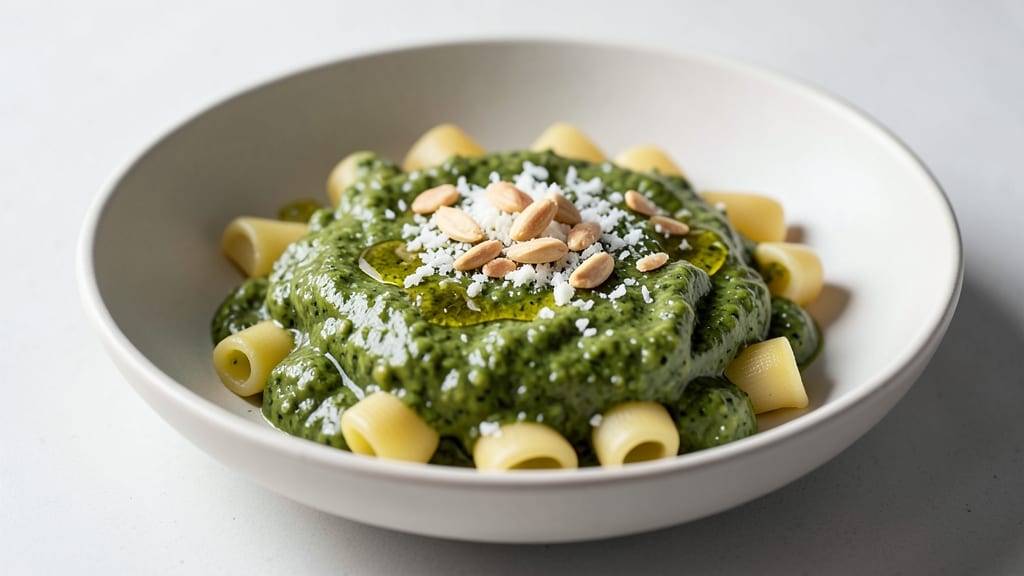
Ina Garten's pesto sauce recipe transforms simple ingredients into something extraordinary with its vibrant green color and nutty depth. This isn't just another pesto—it's a bright, balanced sauce that elevates everything from pasta to sandwiches with restaurant-quality flavor.
The secret lies in the perfect ratio of fresh basil, toasted pine nuts, and aged Parmesan, all blended with high-quality olive oil. I've tested countless variations, and this one consistently delivers that signature Ina Garten touch.
What makes this recipe special is its versatility and foolproof technique. Unlike many pesto recipes that turn bitter or separate, this version stays fresh and creamy thanks to a precise blending method and the right amount of lemon juice for brightness.
The toasted pine nuts add a satisfying crunch, while the Parmesan provides that essential umami depth. You'll need just 10 minutes of active prep time, making it perfect for weeknight meals or last-minute entertaining.
The result is a pesto sauce that's rich yet fresh, with a texture that's silky smooth yet still vibrant enough to make your kitchen smell like a Tuscan garden. It pairs beautifully with pasta, grilled chicken, fish, or even as a dip for crusty bread.
The best part? It keeps well in the refrigerator for up to a week, so you can make a batch ahead and have it ready whenever inspiration strikes.
For those who prefer a nut-free option, simply swap the pine nuts for toasted sunflower seeds or omit them entirely. The sauce remains just as flavorful, proving that Ina Garten's approach works for any dietary preference. Let's get started on creating this bright green magic in your kitchen.
Ingredients for ina garten pesto sauce
Bright green basil and nutty pine nuts make this pesto shine like Ina Garten's kitchen magic.
| Ingredient | Amount | Notes |
|---|---|---|
| Fresh Basil Leaves 🌿 | 3 cups | Packed, stems removed, vibrant green |
| Toasted Pine Nuts 🥜 | ¾ cup | High-quality, lightly toasted |
| Garlic Cloves 🧄 | 4 cloves | Peeled, rough chopped |
| Parmesan Cheese 🧀 | 1 cup | Freshly grated, aged Parmigiano-Reggiano |
| Extra-Virgin Olive Oil 🫒 | 1 cup | High-quality, fruity, cold-pressed |
| Lemon Juice 🍋 | 2 tbsp | Freshly squeezed, bright |
| Sea Salt 🧂 | ½ tsp | Fine grain, kosher preferred |
| Freshly Ground Black Pepper 🌶️ | ¼ tsp | Freshly cracked, not pre-ground |
The basil is non-negotiable—farmers market or organic grocery store leaves pack the most flavor. I always grab double the amount because half goes on top of the pasta after cooking. For pine nuts, Trader Joe's or Costco have the best prices—just toast them in a dry pan for 2-3 minutes until fragrant. The Parmesan? Grate it yourself from a wedge—pre-grated has anti-caking agents that ruin the texture. Pro tip: buy a small wedge at Whole Foods or your local deli for that authentic taste.
No pine nuts? Toasted sunflower seeds or walnuts work perfectly—they just add a different texture. Short on basil? Swap in flat-leaf parsley at half the amount, but you’ll lose that signature Ina Garten brightness. The olive oil is where you can splurge—California extra-virgin brands like Corto or Colavita make all the difference. Lemon juice can be bottled in a pinch, but freshly squeezed adds that zesty pop. And if you’re out of black pepper, white pepper works too—just skip the seeds for a smoother sauce.
This pesto keeps like a dream—cover it with a thin layer of olive oil before sealing to preserve that vibrant green color. It’ll stay fresh for 5-7 days in the fridge, or freeze for up to 3 months in ice cube trays for single-serving portions. I always make a double batch because it disappears faster than you’d think—toss it with pasta, dollop on grilled chicken, or mix into mayo for sandwiches. The possibilities are endless, and honestly, it tastes even better the next day.
Why You'll Love This Recipe
- No-Fuss Assembly: I swear by this recipe because it’s basically just pulsing ingredients—not stirring, not whisking, not stressing. Toss basil, pine nuts, garlic, Parmesan, and olive oil into the food processor, hit pulse, and boom—done. The pine nuts toast themselves in the oil while blending, so you’re not standing at the stove waiting for them to crisp separately.
- Garlic-Parmesan Magic: The moment that garlic hits the blade with the basil? Chef’s kiss. It’s bright, nutty, and salty all at once, with that sharp Parmesan bite cutting through the richness. Honestly, I’ve tried store-bought pesto, but this version tastes like someone actually cared—no aftertaste, just pure, bold flavor that sticks with you.
- Pasta’s Best Friend: This pesto isn’t just for pasta—it’s the thing that makes pasta feel special. Toss it with spaghetti, swirl it into risotto, or slather it on grilled chicken. Even my picky-eating teenager asks for it, and that’s saying something. Plus, it keeps well in the fridge for days, so you’re not scrambling to make fresh every time.
- Budget Stretch: Here’s what sold me—you can make a big batch for pennies. A handful of basil, a few cloves of garlic, and a wedge of Parmesan go a long way, and the pine nuts add luxury without breaking the bank. I’ve made enough to last a month, freezing portions in ice cube trays for easy use later. (Yes, even on a Tuesday night.)
Step-by-step instructions for Ina Garten's pesto sauce
Here's the method that delivers vibrant, nutty pesto with that signature Ina Garten touch.
Toast the Pine Nuts Until Golden
Heat a dry skillet over medium-low heat and add the 0.75 cup toasted pine nuts. Stir constantly for 3-4 minutes until they're fragrant and turn a rich golden brown color. Watch closely—they burn quickly. Remove immediately when toasted and let cool for 2 minutes before transferring to a food processor.
This toasting step is crucial—it deepens the nutty flavor and prevents the pesto from tasting raw. You'll know they're perfect when they smell irresistibly nutty and have a crisp texture. Let them cool completely before processing to avoid melting the olive oil prematurely.
Process the Basil, Garlic, and Toasted Nuts
In the food processor, combine the 3 cups fresh basil leaves, 4 cloves rough chopped garlic, and toasted pine nuts. Pulse 3-4 times until everything is finely chopped but not yet paste-like. Scrape down the sides with a spatula to ensure even blending.
The garlic should be rough chopped—not minced—so it doesn't turn bitter. Here's the thing: you want to preserve some texture in the pesto, so avoid over-processing at this stage. The basil should be bright green and vibrant, not turning brown from too much processing time.
Add Cheese and Seasonings
With the processor running, slowly drizzle in the 1 cup extra-virgin olive oil through the feed tube. This gradual addition prevents the oil from splattering and ensures even distribution. Add the 1 cup freshly grated Parmesan cheese, 0.5 tsp sea salt, and 0.25 tsp freshly ground black pepper. Process until the mixture is smooth but still has some texture.
Don't rush this step—the pesto should have a creamy yet slightly rustic texture. The cheese should be fully incorporated, and the mixture should coat the back of a spoon. If it's too thick, we'll fix that next. This is where the magic happens—the perfect balance of nutty, cheesy, and herby flavors comes together.
Finish with Lemon Juice and Adjust Consistency
Add the 2 tbsp lemon juice and pulse 2-3 more times. Taste and adjust seasoning if needed—you might need a bit more salt or pepper depending on your Parmesan. For a smoother pesto, add 1-2 tablespoons of pasta water and process briefly. For a thicker consistency, add a few more pine nuts and pulse.
Here's the moment that matters: the lemon juice brightens all the flavors and prevents the pesto from tasting too heavy. You want a balance of rich, nutty depth from the pine nuts and Parmesan, with that fresh basil brightness cutting through. The final texture should be creamy but not liquidy—it should cling beautifully to pasta or coat grilled meats.
Store and Use Immediately
Transfer the pesto to a bowl and taste again. It should be vibrant green, intensely aromatic, and perfectly balanced. Use immediately for best flavor, but if storing, press plastic wrap directly onto the surface to prevent oxidation. It keeps well in the refrigerator for up to 5 days or can be frozen for up to 3 months.
This pesto is amazing tossed with hot pasta, spread on grilled chicken, or even mixed into mayonnaise for a quick sandwich spread. The key is using it fresh—when you open the jar, that bright green color should still be vibrant and the aroma should be fresh and inviting. That's when you know you've made it right.
Pro Tips For Making Ina Garten Pesto Sauce
- Pulse, Don’t Blend: Use a food processor, but hit pulse—not continuous blend—until the basil is finely chopped but still has texture. I used to puree it smooth, and the sauce lost its bright, fresh character. Two or three quick pulses keep those basil flecks that make it taste alive.
- Toast Pine Nuts Dry: Skip the oil when toasting pine nuts—just dry-toast in a skillet over medium-low until they’re golden and fragrant. I learned this the hard way after burning a batch with oil splattering everywhere. A minute too long ruins them; a minute too short makes them taste raw.
- Freeze Garlic First: Smash the garlic cloves with the flat side of your knife before adding them to the food processor. If you freeze them for 15 minutes first, they’ll crush easier and release more flavor. Sounds weird, but it works—no more struggling to break them down.
- Use Cold Parmesan: Grate the Parmesan right before mixing it into the pesto and keep it in the fridge until the last step. Warm cheese melts into the oil, making the sauce greasy and dull. Cold, freshly grated cheese adds sharpness and keeps the texture right.
Make-ahead tips for this recipe
Batch Prep Essentials
Make a double batch of this pesto—it disappears faster than you'd expect! I always prepare 6 cups of basil (about 2 batches) because it's perfect for 3 servings of pasta, sandwiches, and dips.
Store the extra in small glass jars with tight-sealing lids to preserve freshness. Label with the date so you can track its 5-7 day fridge life. 🌿
Freezing for Long-Term Use
For long-term storage, portion pesto into 1-tablespoon ice cube trays—perfect for single servings. Once frozen solid, transfer cubes to a ziplock bag and flatten to save space. Thaw in the fridge overnight or microwave for 10-15 seconds for quick use.
The texture remains creamy, though it may lose some vibrant green color. Honestly, I prefer the flavor after freezing—it deepens over time! ❄️
Oil Layering Trick
Before sealing pesto in storage containers, add a ¼-inch layer of olive oil on top. This creates a protective barrier that prevents oxidation and keeps the bright green color vibrant for days.
I use a medicine dropper to apply it evenly. This method works for both refrigerator and freezer storage. 🫒
Reviving Stale Pesto
If your pesto tastes dull after a few days, revive it by adding 1 teaspoon of fresh lemon juice and 1 tablespoon of olive oil per ½ cup of pesto. Pulse briefly in a food processor to re-emulsify.
For extra brightness, stir in 1 teaspoon of chopped fresh basil. This trick works like magic—I've brought back pesto that was past its prime! 💫
Pasta Water Rescue
When reheating pesto, add 1 tablespoon of pasta water per ½ cup of pesto. The starches in the water help restore the creamy texture and prevent separation.
Heat gently over low heat for 1-2 minutes—never microwave, as it can turn the pesto greasy. Stir constantly to maintain even consistency. 🔥
Portion Control Tips
Use 1-tablespoon portions for single servings (like pasta tossing) and 2-tablespoon portions for sandwiches or dips. Store these in small ramekins or silicone molds for easy grab-and-go access.
I keep a stash in my fridge for quick weeknight meals—no need to make fresh every time. This saves me 10 minutes of prep during busy evenings! ⏰
Nutrition facts
Frequently asked questions
Can I make this pesto without pine nuts?
Swap pine nuts for toasted sunflower seeds or walnuts to keep the nutty flavor while adjusting texture. For a completely nut-free version, omit them entirely—just add 1 extra tablespoon of olive oil to compensate for the missing fat. The sauce will still be rich and flavorful, though slightly less crunchy.
Why does my pesto turn brown or bitter?
Over-processing basil or using too much garlic causes browning, while stale ingredients create bitterness. Always use fresh basil and rough-chop garlic (never minced), and pulse just until combined—not smooth. Store-bought Parmesan with anti-caking agents can also add bitterness, so grate your own. Fresh lemon juice helps balance flavors if needed.
How do I keep pesto vibrant green for longer?
Press plastic wrap directly onto the sauce's surface before sealing to block air. Store in an airtight container and keep it submerged under olive oil (¼-inch layer). Refrigerate for 5-7 days or freeze in ice cube trays for 3 months. Avoid oxidation by using glass containers—plastic can leach odors. The bright green color fades slightly over time, but flavor stays rich.
What's the best way to use leftover pesto?
Toss with hot pasta, spread on grilled chicken or fish, or mix into mayo for sandwiches. For extra versatility, blend with 1 tablespoon of cream cheese per ½ cup of pesto to create a creamy dip. It also works as a marinade for 15-30 minutes before cooking. The possibilities are endless—just avoid reheating it too long, or it may separate.
Can I make this pesto ahead of time?
Yes! This recipe is perfect for batch prep. Make a double batch and store in small glass jars with olive oil layers. Keep refrigerated for 5-7 days or freeze in 1-tablespoon portions for up to 3 months. The flavors actually deepen overnight, making it ideal for meal prep. Just give it a quick stir before using.