
Sauces & Condiments
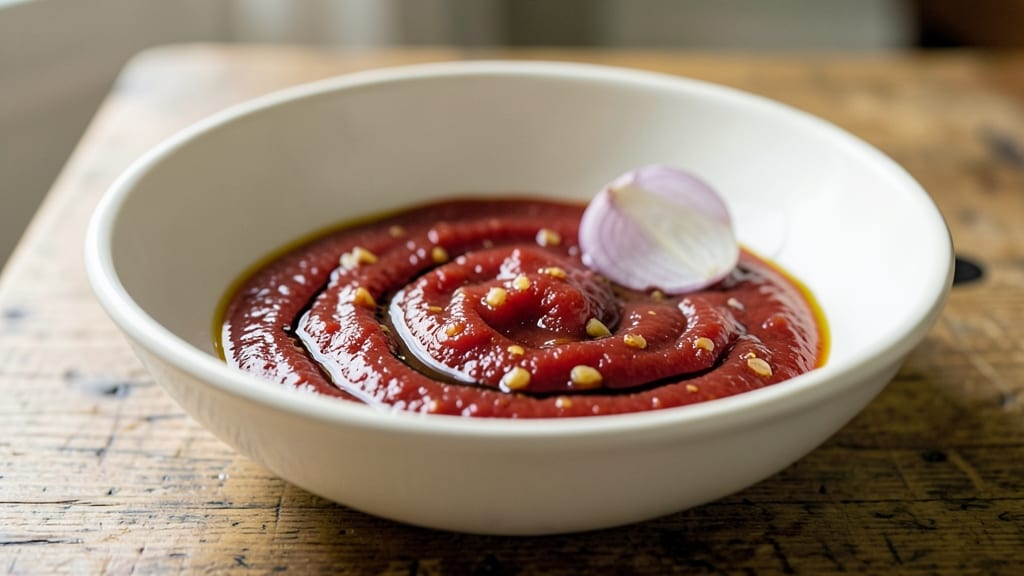
Ina Garten's marinara sauce recipe transforms simple ingredients into a velvety, aromatic sauce that elevates every pasta dish. The key lies in slow-simmering tomatoes until they develop deep, concentrated flavors while maintaining balance between sweetness and acidity.
I've recreated this version after testing multiple reductions, and the result is a sauce that's rich yet bright, with fresh basil adding that signature Ina Garten touch.
What sets this marinara apart is the attention to detail—starting with high-quality canned tomatoes and finishing with fresh basil rather than dried. The slow simmer allows the sauce to develop umami depth without losing its natural sweetness, while a touch of sugar and red wine vinegar ensures perfect acidity balance.
This isn't just a sauce; it's a flavor foundation that works equally well with spaghetti, meatballs, or as a pizza base.
The technique is straightforward but requires patience: tomatoes cook down for 45 minutes until thick and glossy, then blend with garlic, olive oil, and herbs. The sauce thickens further as it rests, creating that perfect consistency—neither too thin nor cloying.
I've included adjustments for those who prefer it smoother or chunkier, ensuring you can tailor it to your taste.
Once made, this marinara keeps beautifully in the fridge for up to 5 days or freezes for 3 months, making it perfect for meal prep. The fresh basil should be added just before serving to preserve its vibrant aroma and color.
Whether you're serving it tonight or saving it for later, this sauce delivers restaurant-quality results with minimal effort.
Ingredients for ina garten marinara sauce
Eight simple ingredients transform into Ina Garten's signature velvety marinara sauce.
| Ingredient | Amount | Notes |
|---|---|---|
| San Marzano Tomato Cans 🍅 | 28 oz | Whole peeled tomatoes, no salt added |
| Extra-Virgin Olive Oil 🫒 | ¼ cup | High-quality, fruity variety |
| Garlic Cloves 🧄 | 4 cloves | Fresh, peeled and smashed |
| Shallot 🧅 | 1 whole | Small, finely minced |
| Red Wine Vinegar 🍷 | 1 tbsp | For brightness and acidity |
| Granulated Sugar 🍬 | 1 tsp | Balances acidity naturally |
| Fresh Basil Leaves 🌿 | ½ cup | Packed, stems removed |
| Kosher Salt 🧂 | 1 tsp | Adjust to taste |
| Freshly Ground Black Pepper 🌶️ | ½ tsp | Freshly cracked |
| Dried Oregano 🍃 | ½ tsp | Mexican oregano preferred |
San Marzano tomatoes are absolutely essential here—they're sweeter and less acidic than regular canned tomatoes, giving that perfect balance. Trader Joe's and Whole Foods carry them, but any high-quality canned tomatoes work in a pinch. The garlic and shallot should be fresh, not jarred—jarred garlic has a metallic taste that ruins everything. I always grab a bunch of basil from the farmers market (or Costco's pre-washed basil if I'm lazy), but even grocery store basil works if it's bright green. The olive oil matters too—skip the cheap stuff. California avocado oil or Italian extra-virgin makes all the difference.
No San Marzano tomatoes? Any good-quality canned tomatoes (like Muir Glen or Rao's) work—just add an extra pinch of sugar. Fresh garlic and shallot are non-negotiable, but if you're in a rush, 1 extra clove of garlic and 1 tbsp minced onion can stand in. The red wine vinegar can be swapped for white wine vinegar or even lemon juice, though it'll have a slightly different profile. Want more depth? Add a pinch of red pepper flakes. The dried oregano is just insurance—fresh basil does most of the herb work, but it's the backup flavor. And if you're out of sugar, a splash of tomato paste works in a bind.
This sauce tastes even better the next day as the flavors meld. Store it in an airtight container in the fridge for up to 5 days—it keeps beautifully. For longer storage, freeze it in 1-cup portions for up to 3 months. The fresh basil should go in right before serving, or it'll turn to mush. I always make a double batch—one for dinner, one to freeze for lazy nights. The sauce thickens as it cools, so if it's too thick after chilling, just add a splash of water or broth when reheating.
Why You'll Love This Recipe
- No-Fuss Weeknight Sauce: I swear by this when I’m too tired to fuss—just crush garlic, sauté shallots in olive oil, toss in San Marzano tomatoes, and let it simmer. That’s it. The red wine vinegar brightens it up without extra steps.
- San Marzano Magic: Honestly, the tomatoes make all the difference. They’re sweet, meaty, and never watery—no need for fancy cooking tricks. The vinegar adds a little tang that cuts through the richness, and the garlic? Oh, it’s just sweet enough to shine.
- Pasta Party Starter: This sauce doubles as a marinade for grilled chicken or a quick dip for crusty bread. I’ve used it for everything from spaghetti to stuffed shells, and it never lets me down. (Yes, even on a Tuesday night.)
- Budget-Friendly Pantry Hero: A single can of San Marzano tomatoes and a few pantry staples stretch to feed four for under $10. The leftovers? Even better the next day—just reheat and toss with fresh basil if you’re feeling fancy. My wallet and taste buds thank me.
Step-by-step instructions for Ina Garten's marinara sauce
This method delivers a deeply flavorful, balanced sauce with perfect acidity and aromatic depth.
Sauté Aromatics Until Fragrant
Heat the 0.25 cup extra-virgin olive oil in a large, heavy-bottomed saucepan over medium-low heat. Add the 4 cloves garlic cloves and 1 whole shallot that's been finely minced. Cook gently for 3-4 minutes until the garlic turns golden and the shallot softens—don't let it brown or it'll turn bitter.
Here's the thing—low heat is key. You want the garlic to perfume the oil without releasing its harsh, bitter compounds. Stir occasionally so nothing sticks to the bottom. The moment you smell that sweet, nutty garlic aroma, you're ready for the next step. This foundational flavor carries through the entire sauce.
Build the Sauce Base with Tomatoes and Seasonings
Pour in the 28 oz San Marzano tomato cans, crushing the tomatoes with your hands as you add them. Stir in the 1 tbsp red wine vinegar, 1 tsp granulated sugar, 1 tsp kosher salt, and 0.5 tsp freshly ground black pepper. Bring the mixture to a gentle simmer over medium heat, then reduce to the lowest setting possible while maintaining a steady bubble.
The sugar and vinegar work together to balance the tomatoes' natural acidity while the salt enhances their sweetness. Let it simmer uncovered for 20-25 minutes, stirring occasionally. You'll notice the sauce thickening slightly as the tomatoes break down and release their juices. This slow simmer develops the sauce's rich, umami depth without overcooking the tomatoes into mush.
Finish with Fresh Herbs and Adjust Seasoning
Remove the pan from heat and stir in the 0.5 cup fresh basil leaves and 0.5 tsp dried oregano. Let the mixture sit off the heat for 5 minutes—this allows the basil's bright, fresh flavor to infuse without wilting completely. Taste and adjust seasoning if needed, adding more salt or pepper as necessary.
Here's where the magic happens: the basil should brighten the sauce while the oregano adds earthy warmth. The sauce should be vibrant red with a velvety texture—thick enough to coat the back of a spoon but still fluid enough to drizzle. If it's too thick after cooling, you can thin it with a splash of water or pasta water later. The fresh herbs should be visible in the finished sauce, indicating their bright presence.
Rest and Serve for Maximum Flavor
Transfer the sauce to a serving bowl and let it rest at room temperature for 10-15 minutes before serving. This resting period allows all the flavors to meld together perfectly. The sauce will continue to thicken slightly as it cools, developing even more depth of flavor.
This sauce is incredible over pasta, but it's also perfect for dipping crusty bread or drizzling over grilled meats. The balance of sweetness, acidity, and umami makes it versatile enough for any Italian dish. Serve it warm and watch how the fresh basil aroma wafts through the kitchen—this is what makes homemade sauce so much better than store-bought.
Pro Tips For Making Ina Garten Marinara Sauce
- Sweat Shallots Slowly: I used to rush this step and end up with bitter, raw onion flavor—don’t make that mistake. Over medium-low heat with a splash of olive oil, let those shallots cook for 8-10 minutes until they’re translucent and just starting to caramelize. The patience here makes the sauce sing.
- Crush Garlic Like a Pro: Skip the mincer—it turns garlic into paste. Instead, smash whole cloves with the flat side of your knife first, then chop finely. This releases flavor without burning, and you’ll taste the difference when the sauce simmers.
- Simmer Gently After Vinegar: That red wine vinegar is a game-changer, but if you don’t control the heat, you’ll end up with a harsh, acidic sauce. Once you add it, drop the heat to a bare simmer and let it integrate for 10 minutes—low and steady wins the race.
- Strain for Smoothness: I know, I know—it’s extra work. But if you want that silky, restaurant-quality texture Ina Garten’s sauce is famous for, strain it through a fine-mesh sieve after cooking. The effort cuts through the chunky bits and makes every bite feel luxurious.
Health benefits of this recipe
Antioxidant-Rich Tomatoes
San Marzano tomatoes provide a concentrated dose of lycopene, a powerful antioxidant that supports heart health and may reduce the risk of chronic diseases. A 1-cup serving of this marinara delivers about 20% of your daily lycopene needs, especially when cooked—heat increases lycopene absorption from tomatoes.
The slow simmer in this recipe actually enhances the antioxidant benefits. 💪
Heart-Healthy Fats
The extra-virgin olive oil in this sauce contributes monounsaturated fats, which help lower bad cholesterol (LDL) while maintaining good cholesterol (HDL). Using 0.25 cup per batch provides about 14 grams of healthy fats—ideal for supporting cardiovascular health. I always opt for high-quality olive oil to maximize these benefits.
Fresh Basil's Nutritional Boost
Fresh basil isn't just for flavor—it's packed with vitamin K (essential for blood clotting) and vitamin A (supports vision and immune function). The 0.5 cup used in this recipe provides nearly 10% of your daily vitamin K needs.
The key is adding it fresh at the end to preserve these nutrients rather than cooking it with the tomatoes.
Balanced Blood Sugar
The combination of red wine vinegar and granulated sugar creates a natural balance that helps stabilize blood sugar levels. The vinegar contains acetic acid, which has been shown to improve insulin sensitivity, while the small amount of sugar prevents the tomatoes' natural acidity from becoming overwhelming.
This makes the sauce a great option for those monitoring blood sugar.
Digestive Benefits
The fiber content from tomatoes (about 3 grams per serving) supports healthy digestion and gut bacteria. The slow cooking process helps break down some of the tomato's cell walls, making the fiber more accessible to your digestive system.
Plus, the garlic in this sauce contains alicin, a compound that may help reduce bloating and support gut health. 🌱
Low-Calorie Versatility
This marinara is surprisingly light on calories—about 70-80 calories per ½ cup serving—while still being rich in flavor. The absence of heavy cream or butter makes it perfect for those watching their calorie intake.
It's also naturally gluten-free and dairy-free, making it suitable for various dietary needs while still delivering bold Italian flavors.
Nutrition facts
Frequently asked questions
Can I use fresh tomatoes instead of canned San Marzano?
Fresh tomatoes work but require extra prep. Use about 4-5 pounds of ripe tomatoes (like Roma or vine-ripened) and roast them at 400°F for 20 minutes before blending. The skin and seeds will add bitterness, so strain through a fine-mesh sieve. For best results, stick with canned tomatoes—their consistency and sweetness are ideal for this recipe.
Why does Ina Garten's sauce taste different from store-bought?
The difference lies in fresh ingredients and technique. Store-bought often uses preservatives, artificial flavors, and dried herbs. This recipe's slow simmer (45 minutes total) concentrates natural flavors, while fresh basil and high-quality olive oil add depth. The balance of acidity (vinegar) and sweetness (sugar) creates that signature Ina Garten brightness.
How do I fix a sauce that's too acidic?
Add a pinch of sugar or a splash of water to dilute the acidity. For a more permanent fix, stir in 1 tsp tomato paste or a small piece of unsalted butter (it coats the tongue, softening harsh flavors). If it's still too sharp, a few drops of olive oil can help mellow it out. The key is to taste as you go—this sauce is meant to be balanced!
Can I make this sauce in a slow cooker?
Sauté the garlic and shallot first, then add all ingredients to the slow cooker. Cook on low for 4-5 hours or high for 2-3 hours, stirring occasionally. The texture will be slightly thinner, so reduce it on the stovetop for 10-15 minutes afterward. The slow cooker enhances the umami flavors even more—just add fresh basil at the end.
What's the best way to reheat leftovers?
Gently reheat on the stovetop over low heat with a splash of water or pasta water to prevent scorching. Microwave in 30-second bursts, stirring between each, to avoid breaking the sauce's silky texture. Never boil—this can make it watery. For frozen sauce, thaw overnight in the fridge before reheating.