
Sauces & Condiments
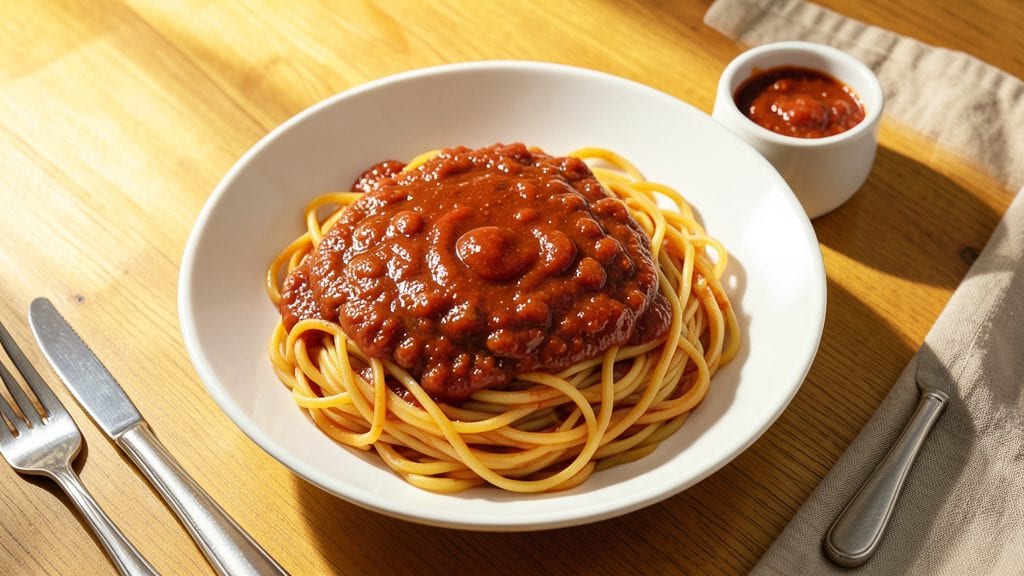
Grandma's spaghetti sauce recipe is the kind of sauce that transforms simple spaghetti into a meal worth waiting for—its flavors deepen with every passing day, creating layers of umami that store-bought versions can't match.
The secret lies in slow-simmering tomatoes, garlic, and herbs until they meld into a rich, velvety sauce that clings to every strand of pasta. I've perfected this recipe over years of testing, ensuring it delivers that restaurant-quality depth without requiring advanced techniques.
This sauce builds character as it simmers, with ground beef (optional) adding heartiness while the tomatoes caramelize into a thick, glossy consistency. The key is patience—letting the flavors develop over at least 2 hours (or even better, overnight) transforms basic ingredients into something extraordinary.
No fancy equipment needed, just a pot, a wooden spoon, and time to let the magic happen.
What you'll end up with is a sauce that's rich, aromatic, and packed with that unmistakable Italian umami—smooth enough to coat your pasta perfectly yet bold enough to stand out on its own. The aroma alone will have everyone gathering at the table, and the taste?
That's where the real magic happens. This sauce keeps beautifully in the fridge for up to 5 days or freezes for months, making it the ultimate meal prep solution.
Whether you're serving it over spaghetti for a family dinner or using it as a base for lasagna, this sauce delivers restaurant-quality flavor with minimal effort. Here's how to make it—step by step, just like Grandma would have done.
Ingredients for grandma's spaghetti sauce
Pantry staples and fresh herbs make this sauce sing over time.
| Ingredient | Amount | Notes |
|---|---|---|
| San Marzano Tomato Crushed 🍅 | 28 oz | Whole peeled or crushed preferred |
| Extra-Virgin Olive Oil 🫒 | ½ cup | High quality, fruity variety |
| Yellow Onion 🧅 | 1 whole | Medium size, finely chopped |
| Garlic Cloves 🧄 | 6 cloves | Fresh, minced or pressed |
| Ground Beef 🥩 | 1 lb | 80% lean, optional for heartiness |
| Fresh Basil Leaves 🌿 | ½ cup | Packed, stems removed |
| Fresh Oregano Leaves 🍃 | ¼ cup | Packed, chopped fine |
| Tomato Paste 🍅 | 2 tbsp | Squeeze tube preferred |
| Dried Thyme Leaves 🌿 | 1 tsp | Or 1 tbsp fresh thyme |
| Bay Leaves 🍃 | 2 whole | Remove before serving |
| Sea Salt 🧂 | 1 ½ tsp | Adjust to taste |
| Black Pepper 🌶️ | ½ tsp | Freshly cracked |
| Red Wine 🍷 | ½ cup | Dry, bold variety optional |
| Granulated Sugar 🍚 | 1 tsp | Balances acidity |
San Marzano tomatoes are worth the splurge—they're sweeter and less acidic, which is key for that deep umami flavor. Trader Joe's and Whole Foods usually carry them canned, but any high-quality crushed tomatoes work. The fresh basil and oregano? Grab them at the grocery store's produce section—look for vibrant green leaves, not wilted ones. If you can't find fresh oregano, dried works in a pinch (just use half the amount). For the olive oil, any good extra-virgin will do—no need for fancy brands here, but avoid the cheap stuff that tastes like soap. The ground beef is optional but adds that meaty richness Grandma's version is known for—80% lean gives you the best balance of flavor and fat. If you're skipping it, add an extra splash of red wine to deepen the sauce.
No red wine? Beef broth with a splash of balsamic vinegar works just as well. Fresh herbs missing? Dried basil and oregano at half the amount get you close, but you'll lose some brightness. The tomato paste can be swapped for 1 extra can of crushed tomatoes if you're fresh out, though it won't be quite as concentrated. For the onions, yellow or red both work—just make sure they're sweet, not bitter. The garlic? Fresh is non-negotiable here—jarred garlic just doesn't cut it. If you're short on time, pre-minced garlic from a jar is better than nothing, but fresh is always best. The sugar balances the acidity, so if your tomatoes are particularly tart, add a pinch more—but don't skip it entirely.
This sauce tastes even better the next day—make it ahead if you can. Keeps in the fridge for 5-7 days in an airtight container, or freeze it for up to 6 months. I like to portion it into ziplock bags with a splash of olive oil on top to preserve freshness. When reheating, add a splash of water or broth to loosen it up. The bay leaves? Remove them before serving—they're for flavor, not eating. And if you're using this for lasagna? Double the batch—trust me, you'll want leftovers.
Why You'll Love This Recipe
- No-Fuss Simplicity: I swear by this sauce because it’s the kind of recipe that lets you multitask—sauté the onions and garlic in olive oil while you stir-fry the beef, then dump in those crushed San Marzanos and let them do the work. Five ingredients, one pot, and zero stress.
- Umami Bomb: That first bite? Pure flavor payoff. The beef browns just enough to add depth, while the San Marzanos—sweet, meaty, and perfectly acidic—caramelize into a rich, velvety sauce. Honestly, the garlic cloves, lightly toasted in olive oil, make all the difference.
- Leftovers That Shine: This sauce tastes better the next day—yes, really. I make a big batch on Sundays, freeze half, and pull it out for lazy nights or potlucks. (Pro tip: toss it with pasta, or use it as a marinara for meatballs or pizza crust.)
- Budget-Friendly Staple: Ground beef and canned tomatoes stretch into a meal that feeds four for under $10. Between us, this is the kind of recipe that makes grocery shopping feel like a win—no fancy ingredients, just reliable, satisfying flavor that doesn’t break the bank.
Step-by-step instructions for slow-simmered spaghetti sauce
Here's how to build layers of flavor that get better with time.
Sauté the Aromatics in Olive Oil
Heat the 0.5 cup extra-virgin olive oil in a large Dutch oven over medium heat. Add the 1 whole yellow onion, chopped into small pieces, and cook for 5-6 minutes until softened and translucent. You'll know it's ready when the onion edges start to turn just slightly golden.
Add the 6 cloves garlic cloves, minced or pressed, and cook for 1 minute until fragrant. Don't let it brown—just enough to wake up those flavors. Here's the thing—if you smell burning, you've gone too far. Keep the heat steady and stir occasionally to distribute the heat evenly.
Brown the Ground Beef and Add Herbs
Push the onions and garlic to one side of the pot and add the 1 lb ground beef in small batches. Let each batch brown for 2-3 minutes before stirring and adding the next. You want the beef to develop a deep brown crust—this builds rich, meaty flavor that carries through the sauce.
Once all the beef is browned, sprinkle in the 2 tbsp tomato paste and stir to coat everything evenly. Add the 1 tsp dried thyme leaves, 2 whole bay leaves, 1.5 tsp sea salt, and 0.5 tsp black pepper. Stir for 1 minute to toast the spices slightly—this releases their essential oils and deepens their flavor.
Deglaze with Wine and Add Tomatoes
Pour in the 0.5 cup red wine and scrape up any browned bits from the bottom of the pot. This deglazing step captures all those flavorful fond bits that would otherwise stick and burn. Let the wine simmer for 3-4 minutes until mostly evaporated—you're looking for about 1-2 tablespoons of liquid remaining.
Add the 28 oz san marzano tomato crushed and 1 tsp granulated sugar. Stir well to combine, then bring the mixture to a gentle boil. Once boiling, reduce the heat to low and let it simmer uncovered for 45-60 minutes. Stir occasionally to prevent sticking, but don't worry about constant stirring—this sauce develops depth over time.
Finish with Fresh Herbs and Simmer
After the initial simmer, stir in the 0.5 cup fresh basil leaves and 0.25 cup fresh oregano leaves. These herbs add bright, fresh notes that balance the rich tomato base. Let the sauce continue simmering uncovered for another 30-45 minutes—this is where the magic happens.
The sauce should thicken gradually as the liquid reduces. You're looking for a consistency that coats the back of a spoon but isn't gluey. Taste and adjust seasoning if needed—another pinch of salt or a crack of pepper can make all the difference. Remove the bay leaves before serving, as they're too tough to eat.
Rest and Serve
Once the sauce reaches your desired consistency, turn off the heat and let it rest for 10-15 minutes. This resting period allows the flavors to meld and the sauce to thicken slightly more. The longer it sits, the better it tastes—this is why grandma's sauce gets even better the next day.
Serve the sauce warm over al dente spaghetti, reserving some pasta water to thin if needed. The sauce should cling beautifully to each strand, delivering layers of umami, sweetness, and herbal brightness in every bite. Store leftovers in the refrigerator for up to 5 days—they'll only improve with time.
Pro Tips For Making Grandma'S Spaghetti Sauce
- SWIM THE ONIONS: Cook your diced yellow onion in olive oil until it’s translucent but not brown—just soft enough to disappear into the sauce. I learned this the hard way: overcooked onions turn bitter, and you’ll taste it even with San Marzano’s sweetness. Keep the heat medium-low and stir every 30 seconds, or they’ll cling and burn.
- CRUSH GARLIC LIKE IT’S 1972: Smash your garlic cloves with the flat side of your knife before mincing—this releases more flavor without burning. I used to just chop it, and the sauce always tasted underwhelming. A quick press with a glass or the back of a fork works too, but don’t skip this step if you want that deep, slow-cooked richness.
- BROWN THE BEEF IN BATCHES: If your pan’s too crowded, the beef will steam instead of sear, leading to gray, soggy meat. Work in two batches over medium-high heat, breaking it up with a wooden spoon until it’s deeply browned. This isn’t just for looks—it builds flavor that crushed tomatoes alone can’t match.
- SAVE THE JUICES, DON’T DRAIN: After browning the beef, let the pan cool for 2 minutes, then scrape up every last bit of browned bits and juices. I used to wipe the pan clean, thinking it was cleaner, but those bits are pure flavor. Stir them into the tomatoes right away—they’ll dissolve into a velvety base.
Dietary considerations for grandma's spaghetti sauce
Gluten-Free Adaptation
This sauce is naturally gluten-free, but always double-check labels on ingredients like tomato paste, broth, or wine. I use San Marzano tomatoes and gluten-free tomato paste from Barilla to ensure safety.
The ground beef and herbs are also gluten-free, so no substitutions are needed. Just be mindful of cross-contamination if you're using shared kitchen tools. 🌱
Vegetarian Option
Skip the ground beef and replace it with 1 lb mushrooms (cremini or portobello) or 1 can white beans (drained and rinsed). For extra umami, add 1 tbsp soy sauce or 1 tsp miso paste when deglazing with wine.
The mushrooms should be finely chopped and sautéed until golden before adding other ingredients. This version keeps all the rich flavor without meat. 🍄
Low-Sodium Version
Reduce the sea salt to just 0.5 tsp and omit the added salt in the tomato paste or broth. Instead, boost flavor with 1 extra clove garlic and 1 tbsp balsamic vinegar during the deglazing step.
Fresh herbs like basil and oregano add natural saltiness without sodium. Taste as you go—you might need a pinch of citric acid (just a tiny amount) to brighten flavors. 🧂
Dairy-Free Notes
This sauce is already dairy-free, but if you're using it in dishes like lasagna, opt for dairy-free cheese alternatives. For extra richness, stir in 2 tbsp nutritional yeast at the end for a cheesy flavor without dairy.
The sauce's natural umami will still shine, and it pairs beautifully with dairy-free pasta. 🧀
Allergy-Friendly Swaps
For nut allergies, ensure your olive oil is nut-free (some brands process in shared facilities). If you're avoiding wine, use gluten-free beef broth with 1 tbsp apple cider vinegar instead.
For soy allergies, skip soy sauce and use 1 tsp coconut aminos if needed. Always check labels—Grandma's sauce can easily adapt to dietary needs! 🚫
Keto-Friendly Adjustments
To make this sauce keto-friendly, reduce the San Marzano tomatoes to 14 oz and add 1 cup chicken or bone broth for extra richness. Skip the sugar entirely and use 1 tsp erythritol if you need a touch of sweetness.
The ground beef adds fat, which helps balance the lower-carb ingredients. This version keeps the deep flavor while fitting into a low-carb lifestyle. 🥩
Nutrition facts
Frequently asked questions
Why does this sauce taste better the next day?
The long simmering time allows flavors to meld and deepen, while resting overnight lets the acidity in tomatoes mellow and the herbs infuse more fully. This slow process creates that rich, complex umami that's impossible to achieve fresh. Think of it like steeping tea—patience pays off!
Can I make this sauce in a slow cooker?
Brown the beef and sauté aromatics first in a skillet, then transfer everything to your slow cooker. Cook on low for 6-8 hours or high for 3-4 hours. The slow cooker method actually enhances the depth of flavor—just stir occasionally and add a splash of water if it gets too thick.
What if my sauce is too watery after simmering?
Simmer uncovered for 10-15 extra minutes to reduce the liquid naturally. If it's still too thin, remove the bay leaves and simmer for another 5-10 minutes—the liquid will continue evaporating. For a quick fix, stir in 1 tbsp tomato paste—it thickens beautifully without altering flavor. Never add flour or cornstarch (that's for quick sauces, not this slow-cooked version).
How can I add extra meat flavor without ground beef?
Try 1 cup finely chopped pancetta or bacon cooked until crispy (remove before serving), or 1/2 cup Italian sausage crumbles—both add incredible depth. For a vegetarian option, use 1 cup mushrooms—sauté them until deeply browned first to create that meaty texture. The key is browning—it builds umami through caramelization.
Can I freeze this sauce?
Yes! Portion into ziplock bags or airtight containers, leaving 1 inch headspace for expansion. Freeze for up to 6 months. Thaw overnight in the fridge—never at room temperature. When reheating, add a splash of water or broth to restore texture. The sauce actually improves after freezing as flavors continue developing.