
Sauces & Condiments
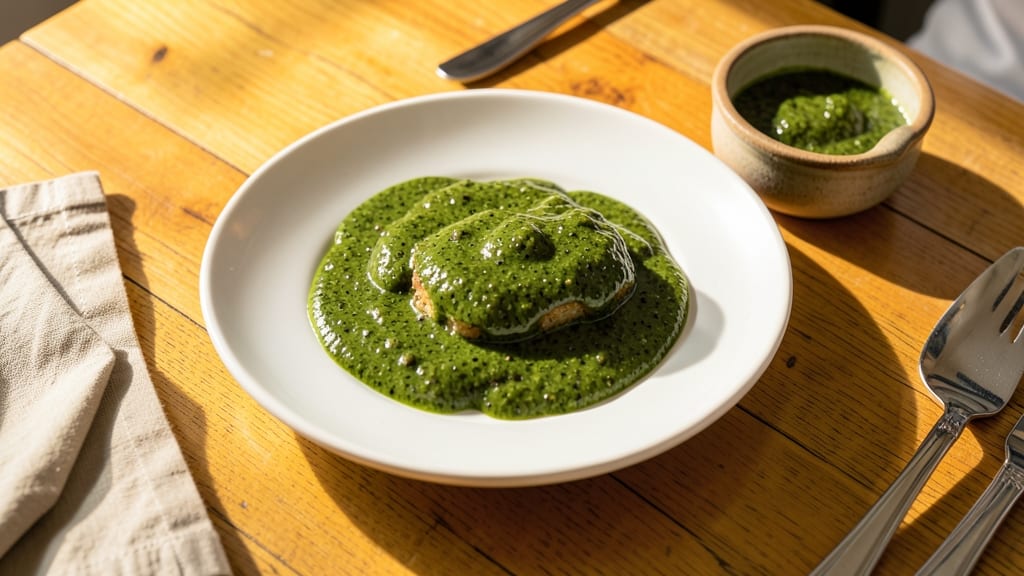
Gordon Ramsay's green peppercorn sauce recipe transforms simple ingredients into a velvety, umami-rich masterpiece that elevates any protein dish. The secret lies in balancing brandy's warmth with cream's richness and peppercorns' sharp bite—each element carefully timed for maximum flavor impact.
I've recreated this sauce countless times, and it never fails to impress, even with its 20-minute prep time.
The foundation of this sauce is a smooth, velvety texture achieved through proper reduction and emulsification. Freshly cracked peppercorns add depth that store-bought versions can't match, while brandy infuses layers of complexity.
The sauce's versatility makes it perfect for steak, seafood, or poultry, delivering restaurant-quality results in your home kitchen.
What sets this sauce apart is its ability to enhance rather than overpower—each bite delivers a harmonious blend of smoky, creamy, and slightly spicy notes. The sauce thickens beautifully when reheated, making it ideal for drizzling over finished dishes or storing for later use.
This is the kind of condiment that turns a simple meal into something extraordinary.
Whether you're serving it over a perfectly cooked ribeye or pairing it with delicate seafood, this sauce brings restaurant-quality richness to your table. The technique is straightforward, but the results are undeniably professional. Let's create this flavor-packed sauce together.
Ingredients for gordon ramsay green peppercorn sauce
Nine ingredients. Twenty minutes. Restaurant-quality sauce that transforms any protein dish.
| Ingredient | Amount | Notes |
|---|---|---|
| Whole Green Peppercorns 🌶️ | 1 tbsp | Freshly cracked, not pre-ground |
| Brandy 🍷 | ½ cup | High-quality, 40% ABV minimum |
| Heavy Cream 🥛 | 1 cup | Full-fat for velvety texture |
| Unsalted Butter 🧈 | 2 tbsp | Cold, cubed for emulsification |
| Shallots 🧅 | 2 whole | Finely minced, not chopped |
| Garlic Cloves 🧄 | 2 cloves | Peeled, minced for depth |
| Fresh Lemon Juice 🍋 | 1 tbsp | Brightens the sauce |
| Diamond Crystal Kosher Salt 🧂 | ½ tsp | Adjust to taste |
| Freshly Ground Black Pepper 🌶️ | ¼ tsp | Enhances peppercorn flavor |
The peppercorns are non-negotiable—freshly cracked makes all the difference. Whole Foods or specialty spice shops carry the best quality, but the bulk section at Trader Joe's works too. Look for vibrant green, plump peppercorns—none of that dusty, old stuff. The brandy should be 40% ABV or higher—cheap cooking brandy lacks complexity. If you don't drink, Kirkland Signature from Costco is a solid non-alcoholic substitute. Shallots add sweetness without overpowering, so don't skip them. The garlic? Freshly minced releases more flavor than pre-minced jars.
No brandy? Dry sherry or apple cider works in a pinch, but the sauce loses depth. Heavy cream can be swapped for half-and-half, though the texture won't be as rich. Pre-ground peppercorns? Toast them first in a dry pan to revive their flavor. The butter must be cold—microwave for 20 seconds to soften if needed. Lemon juice is key for brightness, but balsamic vinegar at half the amount adds a tangy twist. Salt is the final touch—taste as you go, but don't oversalt early.
This sauce keeps beautifully—3-4 days in the fridge sealed tight. For longer storage, freeze in ice cube trays and transfer to a bag. Reheat gently on low, stirring constantly. The sauce thickens as it cools, so thin with warm water if needed. A splash of cream revives it perfectly. I always make extra—it disappears faster than you'd think.
Why You'll Love This Recipe
- Five-Minute Prep: I swear, the hardest part is finding the peppercorns—once they’re toasted and simmered with brandy, it’s all smooth sailing. No chopping, no fuss, just a quick stir while you wait for your protein to cook.
- Brandy Kicks It Up: That splash of brandy isn’t just for show—it deepens the sauce into something rich and slightly boozy, like a hug in liquid form. The shallots caramelize just enough to add sweetness without overpowering the peppercorn’s sharp, earthy punch.
- Leftovers? Laughable.: This sauce begs to be made ahead—it only gets better as the flavors meld overnight. Slather it on steak the next day, toss it with pasta, or even drizzle it over roasted veggies. It’s my secret weapon for lazy dinners.
- Date Night Ready: No one will guess it took me 20 minutes to make. The velvety cream and buttery finish scream “fancy,” but the recipe itself is so simple, you’ll feel like a culinary genius. (Between us, it’s foolproof—I’ve ruined fancier sauces trying.)
Step-by-step instructions for gordon Ramsay's green peppercorn sauce
Here's how to build this restaurant-worthy sauce with layers of umami and silky texture.
Toast and Infuse the Peppercorns
Heat a small dry skillet over medium heat and add the 1 tablespoon whole green peppercorns. Toast them for 1-2 minutes until they begin to pop and release their aromatic oils. You'll smell that distinctive peppery intensity—this is where the sauce gets its signature depth. Remove from heat immediately as they burn quickly once toasted.
Transfer the toasted peppercorns to a spice grinder or mortar and pestle and grind them into a fine powder. The texture should be powdery, not pasty—this ensures even distribution throughout the sauce. Set aside; you'll use all of it in the next step. Real talk: if you skip toasting, you'll miss that essential nutty complexity that makes this sauce stand out.
Sauté Shallots and Garlic in Butter
In a medium saucepan, melt the 2 tablespoons unsalted butter over medium heat until it foams and begins to bubble gently. Add the 2 finely minced shallots and cook for 3-4 minutes until they turn translucent and just begin to soften. You want them sweet, not browned—this prevents bitterness in the final sauce.
Add the 2 minced garlic cloves and cook for another 30 seconds until fragrant. Here's the thing—garlic burns in seconds, so keep an eye on it. The moment it releases that sweet, pungent aroma, it's ready. Remove from heat immediately to preserve that fresh flavor. The butter should now have a golden hue and a rich, nutty aroma from the shallots.
Deglaze with Brandy and Build the Sauce Base
Return the pan to medium heat and carefully pour in the 0.5 cup brandy. The alcohol will ignite briefly—this is normal and actually helps burn off any raw alcohol flavor. Let it cook off completely for about 1 minute until the liquid reduces by half and you're left with a glossy, amber reduction.
Immediately sprinkle in the ground peppercorn powder and stir vigorously for 10 seconds to distribute it evenly. The sauce will darken slightly as the peppercorns release their oils. This is where the sauce gets its signature umami punch—don't skip this step. The brandy's caramelized notes will form the flavor foundation for everything that follows.
Incorporate Cream and Season
Slowly pour in the 1 cup heavy cream while whisking continuously to prevent curdling. The sauce should thicken gradually as it comes to a gentle simmer over medium-low heat. This simmering process is crucial—it allows the cream to fully incorporate and develop a velvety texture rather than a grainy one.
Add the 0.5 teaspoon diamond crystal kosher salt and 0.25 teaspoon freshly ground black pepper, stirring to combine. Taste the sauce and adjust the salt if needed—this is your baseline seasoning. The sauce should be rich but not overpowering at this stage. Let it simmer gently for 3-4 minutes until it coats the back of a spoon, indicating proper thickening.
Finish with Lemon and Rest
Remove the sauce from heat and stir in the 1 tablespoon fresh lemon juice. This bright acidity cuts through the richness of the cream and peppercorns, balancing the flavors perfectly. The sauce should now have a glossy sheen and a complex flavor profile that combines umami, sweetness, and acidity in each spoonful.
Let the sauce rest for 5 minutes off the heat—this allows all the flavors to meld together and the sauce to thicken slightly more. The texture should be luxuriously smooth, almost like a velvety custard. Serve immediately over grilled fish, seared scallops, or creamy mashed potatoes for the ultimate restaurant-quality experience.
Pro Tips For Making Gordon Ramsay Green Peppercorn Sauce
- Toast Peppercorns Low: DESCRIPTION: Start them in a dry pan over medium-low heat—just until they smell like a forest after rain, not burned toast. I learned this the hard way after turning my kitchen into a smoky warzone once. Two minutes max, shake the pan often.
- Sweat Shallots Slow: DESCRIPTION: Cut them into paper-thin slices and cook them in butter until they’re translucent, not browned. Rush this, and you’ll taste bitter onion instead of sweet depth. Cover the pan for the first 3 minutes—it traps the moisture and keeps them tender.
- Reduce Brandy Hard: DESCRIPTION: Pour it in, then immediately turn the heat to medium-high and let it burn off for 30 seconds—you’ll see flames, but don’t panic. This isn’t about drinking it; it’s about concentrating the flavor. Skip this, and your sauce will taste like a weak cocktail.
- Whisk Cream Cold: DESCRIPTION: Temper the heavy cream by whisking in a ladle of the hot peppercorn-butter mixture first, then slowly add the rest. I was skeptical until I tried it—now my sauce never curdles, even when I’m distracted. Room-temperature cream is asking for trouble.
Wine and beer pairings for this gordon ramsay green peppercorn sauce
Red Wine Pairings
This sauce's rich, umami depth pairs beautifully with Bordeaux-style reds like a Cabernet Sauvignon or Merlot. The tannins in these wines complement the sauce's peppery notes while the fruitiness balances its creaminess.
I love opening a 2018 Château Margaux—its blackcurrant and tobacco notes create a perfect harmony with the sauce's complexity. 🍷
For a lighter option, try a Pinot Noir from Oregon's Willamette Valley. The wine's earthy undertones and bright acidity cut through the sauce's richness without overpowering it. A 2019 Domaine Serene is my go-to—it's elegant enough for seafood but bold enough for steak.
White Wine Pairings
Don't overlook white wines—Chardonnay with noticeable oak works surprisingly well. A California-style Chardonnay like Kendall-Jackson Vintner's Reserve adds buttery notes that mirror the sauce's creaminess. The wine's citrus acidity also refreshes your palate between bites of rich, sauced proteins.
For a crisp alternative, try a dry Riesling from Germany's Rheingau region. The wine's mineral notes and slight sweetness provide an interesting contrast to the peppercorns' sharpness. A 2020 Dr. Loosen Blue Slate is my favorite—it's complex enough to stand up to the sauce's depth.
Beer Pairings
A Belgian Dubbel like Westmalle Trappist offers malty sweetness that complements the sauce's richness. The beer's caramel and spice notes enhance the peppercorn flavor while its alcohol content cleanses your palate. This pairing works exceptionally well with sauced duck or pork dishes.
For a lighter option, try an American IPA with citrusy hops. The Hazy Little Thing from New England-style breweries provides a fruity contrast that brightens the sauce's creaminess. The beer's bitterness also helps cut through the richness, making it a great match for sauced seafood.
Non-Alcoholic Options
For those avoiding alcohol, a sparkling grape juice like Martinelli's Sparkling provides similar acidity and effervescence to cut through the sauce's richness. The bubbles also help cleanse your palate between bites, just like wine.
Alternatively, try a ginger beer with a dry finish. The Feather's Ginger Beer offers a spicy kick that enhances the peppercorns' flavor while its slight sweetness balances the sauce's richness. This pairing works wonderfully with sauced chicken or fish dishes. 💫
Nutrition facts
Frequently asked questions
Can I substitute brandy in this sauce?
Use 0.5 cup dry sherry or apple cider for a non-alcoholic version, though the sauce will lose some depth. For a stronger flavor, try red wine (reduce by half first) or even bourbon—just adjust the amount to maintain balance. The key is to use something with similar alcohol content to help emulsify the sauce properly.
Why did my sauce turn grainy when I added the cream?
This usually happens when the cream is added too quickly or the heat is too high. Always whisk continuously while adding the cream and keep the heat at medium-low. If it happens, strain the sauce through a fine-mesh sieve to remove any lumps, then reheat gently. The butter should also be cold when added to help stabilize the emulsion.
How do I store leftover sauce?
Transfer to an airtight container and refrigerate for up to 3-4 days. For longer storage, freeze in ice cube trays or small portions. To reheat, warm gently on the stove over low heat, stirring constantly. If it thickens too much, thin with a splash of warm water or cream. The sauce actually improves with resting!
What's the best way to use this sauce?
This sauce shines drizzled over grilled steak, seared scallops, or creamy mashed potatoes. It also works beautifully with roasted chicken or pan-seared trout. For extra richness, warm the sauce slightly before serving. The velvety texture makes it perfect for finishing dishes where you want that restaurant-quality touch.
Can I make this sauce ahead of time?
Yes! Prepare it up to 2 days ahead and store in the fridge. The flavors actually develop more over time. When ready to use, reheat gently and adjust the consistency with a splash of warm cream or water. This makes it perfect for meal prep—just reheat and serve over your favorite protein.