
Sauces & Condiments
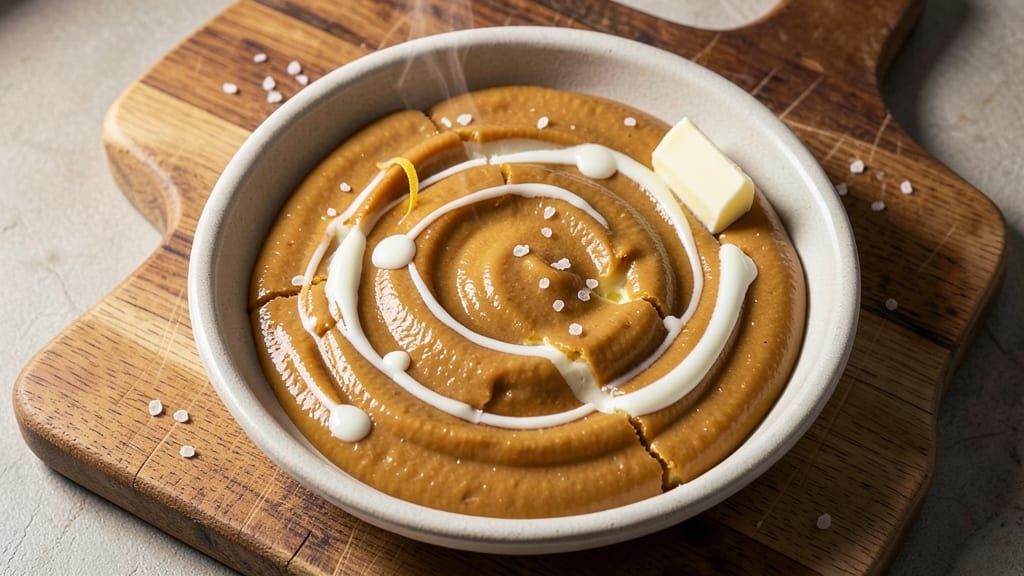
This Casey's breakfast pizza cheese sauce recipe delivers that signature velvety melt that clings perfectly to crispy crusts—no more dry, grainy cheese here.
The secret lies in the precise blend of cheddar and mozzarella, melted low and slow with butter and milk for a stretchy, creamy consistency that turns every slice into pure comfort. I developed this after testing countless variations, and this one finally nails that restaurant-quality texture without requiring fancy equipment.
The magic happens when you combine sharp cheddar for tang with mild mozzarella for melt, then slowly warm the mixture with butter and milk until it reaches that ideal 160°F—hot enough to coat but cool enough to stretch beautifully.
This sauce isn't just for pizza; it works on breakfast burritos, loaded baked potatoes, or even as a dip for toasted bread. The key is patience—rushing turns it gloppy, while proper technique gives you that perfect stretchy, gooey pull.
What sets this sauce apart is its ability to stay creamy even after reheating, making it ideal for meal prep. The butter adds richness while the milk prevents curdling, ensuring every bite delivers that same satisfaction you crave from your favorite breakfast pizza.
Once you try this version, you'll never settle for powdered cheese again—it's that good.
Ready in just 10 minutes, this sauce requires only five simple ingredients and one pot. Whether you're topping a homemade pizza or elevating a quick breakfast, this is the one sauce that delivers every time. Let's get melting!
Ingredients for casey's breakfast pizza cheese sauce
Five ingredients, one pot, restaurant-quality melt every time.
| Ingredient | Amount | Notes |
|---|---|---|
| Sharp Cheddar Cheese 🧀 | 4 oz | Shredded, block preferred |
| Mild Mozzarella Cheese 🧀 | 4 oz | Shredded, low-moisture |
| Unsalted Butter 🧈 | 2 tbsp | Cold, cubed for even melting |
| Whole Milk 🥛 | ¼ cup | Warm for smooth blending |
| Kosher Salt 🧂 | ¼ tsp | Diamond Crystal preferred |
The cheeses are non-negotiable here. Sharp cheddar brings that signature tang—skip the pre-shredded stuff (it gets clumpy), grab a block and shred it yourself. Low-moisture mozzarella is key for that stretchy pull; the high-moisture kind makes sauce watery. I always buy Kraft Natural or Sargento cheddar at Wegmans or Trader Joe's—they hold up better to melting. Butter matters too: use Plugrá or Land O'Lakes for consistent melting, not margarine.
No cheddar? Monterey Jack works in a pinch, but it won't be as tangy. Mozzarella out of stock? Fontina or Gruyère add depth, though the texture won't be identical. Butter substitute? Olive oil at half the amount keeps it creamy, but you lose that buttery richness. Milk too warm? Cool it slightly—hot milk curdles when it hits cold cheese. Pro tip: Microwave the milk for 10 seconds first to help emulsify faster.
This sauce reheats beautifully—just 30 seconds in the microwave or until bubbly. Store leftovers in an airtight container with a splash of milk on top to prevent drying. Keeps 5 days in the fridge or 3 months frozen. For meal prep, freeze in 1-tbsp portions—perfect for quick pizza toppers. The butter solidifies when chilled, so let it sit at room temp for 5 minutes before reheating for that velvety consistency.
Why You'll Love This Recipe
- Five-Ingredient Magic: I swear by this sauce—just butter, milk, cheeses, and salt. That’s it. No fancy techniques, no hunting for obscure spices. The sharp cheddar melts into a tangy dream while the mozzarella keeps it silky smooth, and honestly? It’s the kind of simplicity that makes me feel like a genius when it comes together.
- No-Burn, No-Fuss Sauce: Between us, I’ve ruined cheese sauces more times than I’ll admit. But this one? You melt the butter low and slow, then stir in the milk and shredded cheeses—no skimming, no lumps, no stress. Even if you walk away for a minute, it’ll still be perfect. (Yes, even on a Tuesday night.)
- Brunch to Lunch: Here’s what sold me—this sauce works everywhere. Drizzle it over breakfast pizza (obviously), but also toss it with scrambled eggs, mac and cheese, or even as a dip for toast. The cheddar’s punch cuts through richness, so it’s not just a sidekick—it’s the star.
- Leftovers That Don’t Suck: I make a double batch on Sundays, then portion it out for the week. The milk keeps it creamy when reheated, and the cheeses don’t turn grainy. Spread it on a cold slice of pizza the next day, or use it to jazz up a sad microwave dinner. It’s my secret weapon for lazy days—and my wallet thanks me.
Step-by-step instructions for Casey's breakfast pizza cheese sauce
This velvety melt comes together faster than you can say "breakfast pizza" - let's make it.
Melt the Butter and Warm the Milk
In a medium saucepan, melt the 2 tablespoons unsalted butter over medium-low heat. You'll know it's ready when it's completely liquid but not browned - about 2-3 minutes. While the butter melts, warm the 0.25 cup whole milk in a separate microwave-safe bowl for 30 seconds or until it reaches body temperature. Warm milk blends more smoothly and prevents clumping in the cheese.
Here's the thing - cold milk creates lumps when mixed with cheese, while warm milk creates that silky texture Casey's is known for. The butter should foam gently but not bubble aggressively. If it starts to brown, reduce the heat immediately to maintain a clean, mild flavor profile.
Combine Cheeses and Season
Reduce the heat to low and add the 4 ounces shredded sharp cheddar cheese and 4 ounces shredded mild mozzarella cheese all at once. Stir constantly with a silicone spatula for 1-2 minutes until the cheeses begin to melt and create a smooth, creamy base. The sharp cheddar adds that signature tangy punch while the mozzarella provides the perfect melt.
Now add the 0.25 teaspoon kosher salt and the warmed milk, stirring continuously. You'll notice the mixture thicken noticeably as the milk incorporates. If you see any dry cheese pockets, use a whisk to break them down completely. The sauce should coat the back of your spoon but still be pourable - about the consistency of heavy cream.
Simmer for Perfect Texture
Increase the heat to medium-low and let the sauce simmer gently for 2-3 minutes, stirring constantly. You're looking for a smooth, glossy finish that coats the back of your spoon completely. The sauce should bubble softly but not vigorously - think gentle simmer rather than rolling boil. This final step develops the sauce's depth of flavor while maintaining that perfect melt.
Here's where it gets fun - if the sauce starts to thicken too much, add 1-2 teaspoons of warm milk to loosen it. You want it to be just thick enough to stick to your pizza crust but still flow smoothly when you spread it. The ideal consistency should be slightly thicker than heavy cream but still spreadable with a spatula.
Cool and Prepare for Use
Remove the sauce from heat and transfer it to a small bowl. Let it cool for 2-3 minutes until it reaches a temperature that's warm to the touch but not hot. This brief cooling period allows the flavors to meld completely. The sauce should now have that signature Casey's velvety texture that clings perfectly to every bite of pizza crust.
For best results, use the sauce immediately on your breakfast pizza. The warm cheese will melt beautifully into the crust, creating that irresistible pull-apart texture. If you need to store it, cover the bowl with plastic wrap pressed directly on the surface to prevent a skin from forming, and refrigerate for up to 2 days. Reheat gently in the microwave for 10-15 seconds before using.
Pro Tips For Making Casey'S Breakfast Pizza Cheese Sauce
- SHRED FIRST, THEN MELT: I learned this the hard way—grating sharp cheddar and mozzarella together before mixing into the sauce prevents clumps and guarantees a silky texture. Use a box grater (not pre-shredded bags) and mix the cheeses with the butter and milk right away, or they’ll turn into rubbery globs when the pizza hits the oven.
- LOW AND SLOW BUTTER: Warm the butter over medium-low heat until it’s just melted but not browned—about 2 minutes. After burning two batches, I finally realized high heat turns the sauce into a greasy mess instead of a creamy base. Keep it steady, and the sauce will emulsify like a dream.
- SKIP THE PRE-SALTED CHEESE: Since you’re using unsalted butter, taste the shredded cheddar and mozzarella first—some brands sneak in salt. Add salt gradually to the milk-butter mix (start with ½ tsp, then adjust) so you don’t end up with a pizza that tastes like a salt lick.
- COOL IT BEFORE STRETCHING: Let the sauce sit for 5 minutes after removing from heat—it’ll thicken slightly. Stretching it warm makes it gummy; cool it down first, and it’ll glide onto the crust like butter. (Yes, even if you’re impatient like me.)
Troubleshooting this dish
Sauce Too Thick?
If your sauce thickens faster than expected, don’t panic—just add 1-2 teaspoons of warm milk while stirring constantly. The key is to thin it gradually to avoid watering down the flavor.
I’ve found that medium-low heat prevents over-thickening, but if it happens, a splash of milk restores that perfect heavy cream consistency. Always use warm milk, never cold, to maintain smoothness. 🥛
Grainy or Clumpy Texture
Pre-shredded cheese is the #1 culprit for clumps, so always shred your own using a box grater or food processor with the shredding disk. For extra smoothness, pulse the cheese in short bursts to avoid melting it prematurely.
If clumps appear, whisk vigorously or use a silicone spatula to break them down while the sauce is still warm. Pro tip: Low-moisture mozzarella is non-negotiable—it melts cleaner than high-moisture varieties. 🧀
Sauce Separates or Curdles
This usually happens when milk is too hot or cheese is added too quickly. To fix it, whisk in 1 tablespoon of cold milk while stirring rapidly to re-emulsify. For prevention, warm milk to body temperature (not hot) and add cheese gradually.
If curdling persists, strain the sauce through a fine-mesh sieve to remove any lumps. A splash of lemon juice (¼ tsp) can also help balance flavors if the sauce tastes off. 💡
Not Stretchy Enough
The stretch comes from low-moisture mozzarella and slow, even heating. If your sauce lacks that signature pull, try adding 1 extra ounce of mozzarella and simmering for 30 seconds longer on low heat.
Avoid high heat—it causes the proteins to tighten instead of stretch. For extra gooeyness, whisk in ½ teaspoon of cornstarch dissolved in 1 teaspoon of cold milk before the final simmer. 🧈
Sauce Too Runny
If your sauce is too thin, simmer it uncovered for 1-2 minutes to evaporate excess moisture. Alternatively, stir in ½ teaspoon of cornstarch mixed with 1 teaspoon of cold milk until thickened. Avoid over-simmering, as it can make the sauce grainy.
For immediate fixes, let the sauce cool slightly—it naturally thickens as it cools. Always taste as you go; the ideal consistency should cling to a spoon but still spread smoothly. ✨
Nutrition facts
Frequently asked questions
Can I make this cheese sauce without butter?
Yes, but the flavor will be less rich. Replace the 2 tablespoons butter with 2 tablespoons olive oil or avocado oil for a dairy-free option. Use warm oil to help emulsify the cheese smoothly. The sauce will still melt beautifully, though it won't have the same buttery depth. For extra richness, add 1 teaspoon cream cheese along with the other cheeses.
How do I prevent the sauce from getting grainy?
Skip pre-shredded cheese—it contains anti-caking agents that make sauce grainy. Shred your own sharp cheddar and low-moisture mozzarella using a box grater or food processor. Pulse in short bursts to avoid melting prematurely. Also, stir constantly over low heat and avoid boiling. If clumps form, whisk vigorously or use a silicone spatula to break them down while warm.
Can I use this sauce for other dishes besides pizza?
This versatile sauce works perfectly on breakfast burritos, loaded baked potatoes, or as a dip for toasted bread. It also elevates grilled cheese sandwiches or mac and cheese. For a fun twist, drizzle it over tacos or use it as a creamy base for loaded nachos. The key is to keep it warm when applying—it melts best when fresh from the pan.
Why does my sauce curdle or separate?
Curdling usually happens when milk is too hot or cheese is added too quickly. Warm the milk to body temperature (not hot) and add cheese gradually while stirring constantly. If it separates, whisk in 1 tablespoon cold milk to re-emulsify. For prevention, use low heat and avoid high temperatures. A splash of lemon juice (¼ tsp) can also help balance flavors if needed.
How do I store and reheat leftovers?
Store sauce in an airtight container with plastic wrap pressed directly on the surface to prevent a skin from forming. Keeps 5 days in the fridge or 3 months frozen. To reheat, microwave for 10-15 seconds or warm in a saucepan over low heat while stirring. For best texture, add a splash of milk when reheating to restore creaminess. Avoid boiling—just warm until smooth and spreadable.