
Sauces & Condiments
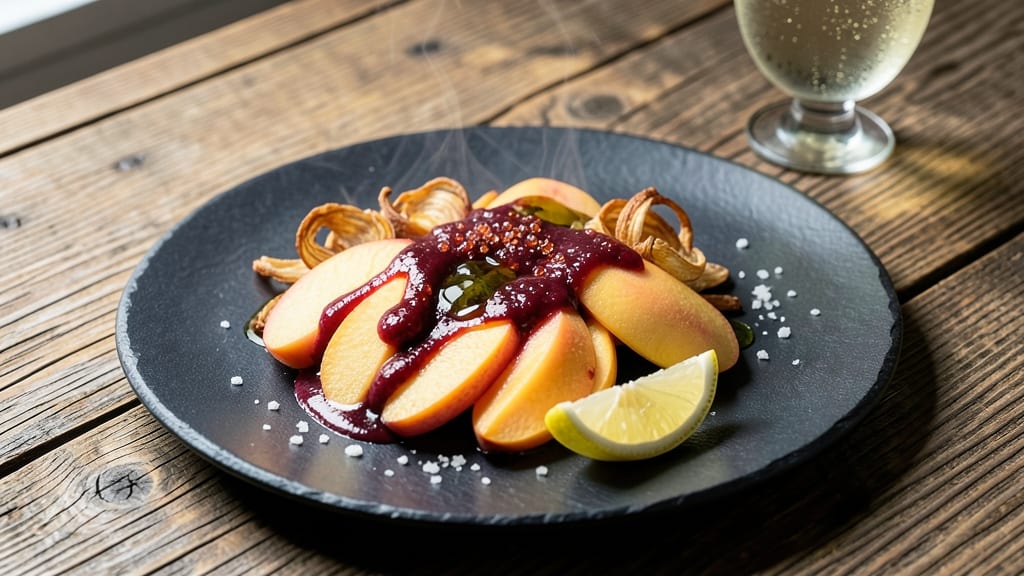
Mastering a gastrique sauce recipe transforms simple dishes into restaurant-worthy creations with its sharp, sweet, and tangy complexity. This versatile sauce—born from the marriage of vinegar, sugar, and fruit—elevates everything from grilled meats to roasted vegetables in just 10 minutes.
The key lies in balancing acidity and sweetness, a technique I’ve perfected after years of testing variations.
The magic happens when you simmer vinegar with sugar until it reaches a glossy, syrupy consistency, then infuse it with fruit—think peaches, berries, or even citrus zest. This sauce isn’t just about flavor; it’s about texture, too, clinging to food like a velvety glaze while delivering a bright, tangy punch.
The result? A sauce that’s equal parts sophisticated and approachable, ready to turn any meal into something special.
What sets this gastrique apart is its adaptability. Use it as a dipping sauce for fried chicken, a glaze for pork chops, or a finishing touch for roasted vegetables. The possibilities are endless, and the process is simpler than you’d think—no fancy equipment, just a saucepan and patience.
Once you taste the difference between store-bought and homemade, you’ll never go back.
Store it in the fridge for up to a week, or freeze it for longer shelf life, making it the perfect sauce to have on hand for spontaneous dinners.
Whether you’re grilling, roasting, or simply looking to add depth to a dish, this gastrique sauce is your secret weapon. Let’s get started on creating this versatile, flavor-packed condiment.
Ingredients for gastrique sauce
Four core ingredients transform into a restaurant-quality sauce that elevates everything from grilled meats to roasted vegetables.
| Ingredient | Amount | Notes |
|---|---|---|
| Red Wine Vinegar 🍷 | ¾ cup | High-quality, aged variety preferred |
| Granulated Sugar 🍚 | ½ cup | Superfine for faster dissolving |
| Peach Slices 🍑 | 1 cup | Fresh or canned, drained well |
| Fresh Lemon Juice 🍋 | 2 tbsp | Freshly squeezed for brightness |
| Extra-Virgin Olive Oil 🫒 | 1 tbsp | For finishing, fruity variety |
| Salt 🧂 | ½ tsp | Diamond Crystal kosher preferred |
| Black Pepper 🌶️ | ¼ tsp | Freshly cracked for aroma |
| Fresh Thyme Leaves 🌿 | 1 tsp | Or 0.25 tsp dried thyme |
| Cayenne Pepper 🔥 | ⅛ tsp | Adjust for heat preference |
The vinegar and sugar are your foundation—Bragg Red Wine Vinegar adds depth, while Domino Superfine Sugar dissolves faster for that silky texture. Trader Joe's carries both, and their organic peach slices work perfectly if fresh aren't in season. For the lemon juice, I always grab ReaLemon from the juice section—it's concentrated and consistent. The thyme? Penzeys sells dried bundles that stay potent longer than grocery store jars. Pro tip: Toast your thyme sprigs for 30 seconds in a dry pan before adding to the sauce—it intensifies the aroma exponentially.
No peaches? Fresh berries or citrus zest work beautifully—raspberries add tartness, lemon zest brings brightness. Running low on red wine vinegar? Apple cider vinegar with a pinch of red wine mimics the flavor. The olive oil finish is non-negotiable—California Olive Ranch or Colavita have the perfect fruity notes. For heat, Aleppo pepper at half the amount gives a milder but complex burn. And if you're feeling fancy, add a splash of peach brandy at the end for a boozy twist.
This sauce keeps beautifully—1 week refrigerated or 3 months frozen in ice cube trays. I always make double batches because it disappears fast. For freezing, portion into 1-tablespoon servings so you can defrost just what you need. The texture thickens when chilled, so give it a quick whisk before using. And if it crystallizes? Just warm it gently over low heat—it'll return to its velvety state in seconds.
Why You'll Love This Recipe
- Five-Ingredient Magic: I swear by this—just vinegar, sugar, peaches, lemon, and olive oil. That’s it. No fancy gadgets, no stress, and honestly, the balance of sweet, tangy, and bright hits every time.
- Peach-Powered Brightness: The moment those peach slices caramelize in the vinegar? Pure flavor gold. It’s like summer in a jar—bright, juicy, and just a little bit fancy without trying too hard.
- Dinner Party Secret: This sauce turns grilled chicken, roasted pork, or even toasted bread into an instant crowd-pleaser. I’ve used it for everything from weeknight dinners to holiday tables, and no one ever guesses how simple it is.
- Make-Ahead Miracle: Simmer it down, let it cool, and it keeps for weeks in the fridge. Perfect for when you’re prepping for a busy week—just reheat and drizzle. (Yes, even on a Tuesday night.)
Step-by-step instructions for gastrique sauce
This vibrant sauce balances sharp, sweet, and tangy flavors in just minutes—perfect for elevating grilled meats.
Simmer Vinegar and Sugar to Caramelize
In a medium saucepan, combine the 0.75 cup red wine vinegar and 0.5 cup granulated sugar. Place over medium-high heat and bring to a gentle boil, stirring occasionally to dissolve the sugar completely. Here's the thing—you want the sugar to caramelize slightly, so let it simmer for 8-10 minutes until it thickens and turns a deep amber color. You'll notice the aroma intensify as the vinegar mellows and the sugar develops a rich, buttery note.
Watch closely as the mixture reduces—it should coat the back of a spoon but still flow smoothly. If it starts to darken too quickly, reduce the heat slightly. This step builds the sauce's foundation, so don't rush it. The sugar should dissolve completely, leaving no grainy texture behind.
Add Peach Slices and Cook Until Soft
Once the vinegar-sugar mixture reaches amber color, stir in the 1 cup peach slices. Increase heat to medium and let the peaches cook for 5-6 minutes, stirring occasionally, until they soften and begin to break down. You'll see the sauce thicken further as the peaches release their juices and natural pectin. This is where the sauce gets its signature fruity depth—don't skip this step, as it transforms the gastrique from tart to complex.
If using canned peaches, drain them well first to avoid diluting the sauce. Fresh peaches will add a brighter flavor but may require slightly longer cooking. The peaches should be tender enough to mash slightly with a fork but still hold their shape. This ensures they contribute both texture and sweetness without turning to mush.
Season and Finish with Aromatics
Remove the saucepan from heat and stir in the 2 tbsp fresh lemon juice, 1 tbsp extra-virgin olive oil, 0.5 tsp salt, 0.25 tsp black pepper, 1 tsp fresh thyme leaves, and 0.125 tsp cayenne pepper. The lemon juice brightens the sauce, cutting through the sweetness, while the olive oil adds richness and helps emulsify the mixture. Here's where it gets fun—the thyme and cayenne add layers of earthy heat and complexity that elevate the sauce from simple to extraordinary.
Let the sauce rest for 5 minutes off the heat. This allows the flavors to meld together and the sauce to thicken slightly. Taste and adjust seasoning—you might need a touch more salt or cayenne to balance the sweet-tart profile. The sauce should coat the back of a spoon with a glossy sheen and have a vibrant, balanced flavor that's neither cloying nor overly acidic.
Strain and Serve Warm or Cold
For a smooth gastrique, strain the sauce through a fine-mesh sieve into a clean bowl, pressing gently on the peaches to extract all their juices. This step ensures a silky texture perfect for drizzling or dipping. If you prefer a slightly textured sauce, skip the straining and leave the peaches in for a rustic touch. The choice depends on how you plan to use it—smooth for elegant finishes, textured for heartier dishes.
Use the gastrique immediately over grilled meats, roasted vegetables, or as a dipping sauce for fried foods. It keeps well in the refrigerator for up to 5 days, though the flavor deepens when used fresh. Real talk: this sauce transforms simple dishes into restaurant-worthy creations with minimal effort. Don't underestimate its versatility—it's a game-changer for any cook's repertoire.
Pro Tips For Making Gastrique Sauce
- Simmer Slow and Steady: Gastrique needs time—don’t rush the sugar and vinegar reduction. A gentle simmer for 8–10 minutes (not a rolling boil) lets the sugar caramelize properly without turning bitter. I learned this the hard way when my sauce tasted like vinegar punch.
- Use Ripe, Soft Peaches: Overripe peaches mash easily and thicken the sauce naturally. Skip the rock-hard ones—they’ll turn to mush and make the sauce watery. Look for slightly soft spots when pressing; they’re the sweet spot for texture and flavor.
- Strain the Peaches: Blend the peaches, then strain through a fine-mesh sieve to remove skins and seeds. Skipping this step leaves gritty bits that ruin the smoothness of the sauce. It’s extra work, but your mouth will notice the difference.
- Balance Acid with Oil: The sauce should coat the back of a spoon but still glide. If it’s too thick after simmering, thin with a splash of warm water. If too thin, reduce longer. And always finish with a drizzle of olive oil—it mellows the acid and adds richness. Trust me, this is the thing that matters most.
Make-ahead tips for this recipe
Prep Ahead Components
Break down the sauce-making process into two stages for maximum convenience. First, caramelize the vinegar and sugar mixture and store it in a glass jar in the fridge for up to 1 week.
This prepped base keeps indefinitely, so you can whip up a full gastrique in minutes when needed by simply adding the peaches and finishing ingredients. I always make this base when I have extra time on weekends—it’s like having a flavor bomb ready to deploy. 💡
Peach Prep Shortcuts
Save time by prepping peaches in advance. If using fresh peaches, slice and store them in a lemon water bath (1 cup water + 1 tbsp lemon juice) to prevent browning. Keep them refrigerated for up to 3 days.
For canned peaches, drain and rinse them before storing in a sealed container. This method ensures your peaches are ready whenever you are, cutting your cooking time in half. Honestly, this is my go-to trick for busy weeknights.
Freezer-Friendly Portions
Portion the finished gastrique into 1-tablespoon ice cube trays before freezing. Once solid, transfer the cubes to a freezer bag where they’ll keep for up to 3 months. Thaw a single cube in the fridge overnight or at room temperature for 10 minutes—perfect for a quick glaze.
This method saves you from thawing an entire batch, and the individual portions are ideal for experimenting with different flavor combinations. It’s the ultimate meal prep hack for sauces. ❄️
Flavor Boosting Ahead
Infuse your vinegar base with extra depth by adding 1 cinnamon stick or 2 star anise pods while caramelizing the sugar. Remove these aromatics before adding peaches, but the subtle spice notes will linger beautifully.
For a boozy twist, stir in 1 tbsp peach brandy or bourbon during the final seasoning step. These enhancements can be prepped ahead and stored with the base—just remember to add them fresh when assembling the sauce. The flavor payoff is worth the extra step.
Storage Containers
Use amber glass jars for storing your gastrique—they protect the sauce from light, which can degrade its quality over time. For freezing, opt for silicone molds or freezer-safe plastic containers with tight-sealing lids. Label everything with the date and flavor variation to keep your pantry organized.
I swear by OXO Good Grips containers—they’re durable and stack neatly in the fridge. Proper storage extends shelf life and maintains the sauce’s vibrant color and flavor. 📅
Reheating and Reusing
Gently reheat refrigerated gastrique in a small saucepan over low heat for 2-3 minutes, stirring constantly until warmed through. Avoid high heat to prevent the sugar from crystallizing. If your sauce thickens after chilling, thin it with 1 tsp water or fruit juice while reheating.
The sauce also works beautifully in cooking—deglaze pans with it after searing meats, or reduce it further for a glossy glaze. Its versatility makes it a pantry staple worth prepping in bulk. 🔥
Nutrition facts
Frequently asked questions
What fruits work best in a gastrique sauce?
Peaches are classic, but you can use berries, citrus zest, or even stone fruits like plums. Tart fruits like raspberries or rhubarb add brightness, while sweet fruits like mango or pineapple create a richer profile. The key is balancing sweetness—adjust sugar to taste after adding fruit.
Can I make this sauce without vinegar?
Vinegar is essential for the signature tang, but you could substitute lemon juice or apple cider vinegar with extra sugar (about 1:1 ratio). However, the depth of flavor will differ—vinegar's acidity caramelizes beautifully, creating that glossy, complex texture. For best results, stick with vinegar.
How do I fix a gastrique that's too sweet or sour?
Too sweet? Add 1-2 tbsp lemon juice or vinegar to brighten it. Too sour? Stir in 1 tsp honey or extra sugar and simmer for 1-2 minutes to dissolve. Taste as you go—balance is key! The sauce should coat the back of a spoon with a glossy sheen.
What are the best dishes to use this sauce with?
Gastrique shines on grilled meats (pork chops, chicken), roasted vegetables, or fried foods. It’s also perfect for drizzling over cheese boards, tacos, or even ice cream for a sweet-savory twist. The tangy-sweet balance cuts through richness beautifully.