
Sauces & Condiments
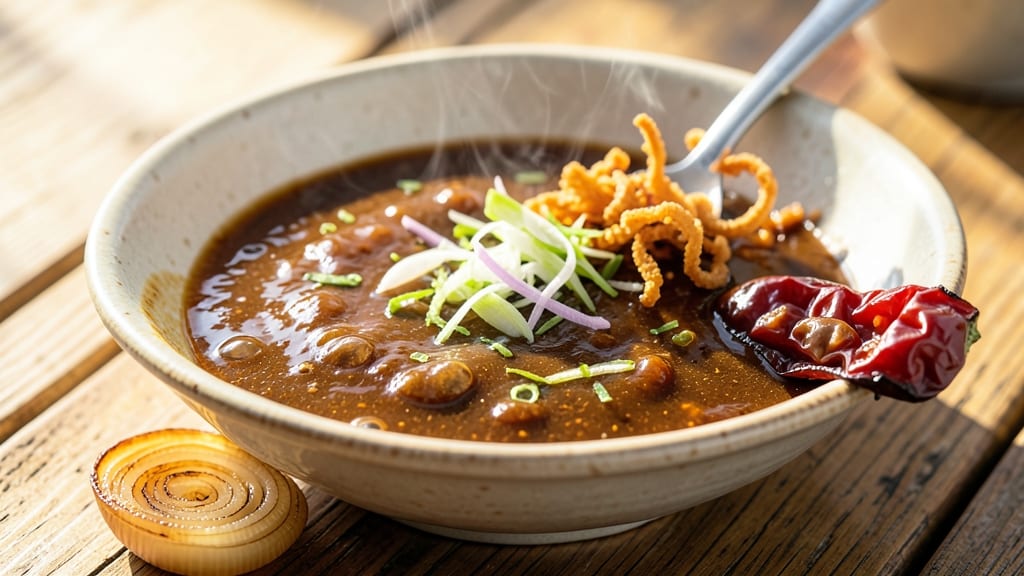
This Bahamian tamarind sauce recipe unlocks the island's signature tangy-sweet profile that elevates grilled dishes to new heights. The sauce's complex balance of tart tamarind, fresh lime, and aromatic spices transforms simple proteins into restaurant-worthy masterpieces.
I developed this version after years of perfecting the ratio between sweet, sour, and savory notes—each element plays a crucial role in creating that signature glossy finish.
The foundation of this sauce lies in its simplicity: just six core ingredients that work together to create depth of flavor. Tamarind pulp provides the signature tang, while lime juice brightens and balances the sweetness.
Garlic and onion build a savory base, and a touch of chili adds just enough heat to make it unforgettable. The sauce thickens beautifully when reduced, creating that perfect glossy sheen that clings to grilled meats and fish.
What makes this sauce truly special is its versatility—it works as a marinade, glaze, or dipping sauce. Use it to baste grilled mahi-mahi for a restaurant-quality finish, toss it with jerk chicken for extra depth, or serve it alongside fried plantains.
The sauce keeps well in the refrigerator for up to two weeks, allowing you to make a big batch and enjoy it throughout the week.
For those who prefer a smoother texture, blend the sauce until completely smooth before using. If you like texture, leave it slightly chunky for added visual appeal and bite. Either way, this sauce will become your new go-to for any tropical-inspired meal. Let's get started on creating this flavor-packed essential!
Ingredients for bahamian tamarind sauce
Six ingredients transform into the signature glossy sauce Bahamian chefs swear by.
| Ingredient | Amount | Notes |
|---|---|---|
| Tamarind Pulp 🍈 | ¾ cup | High-quality, unsweetened preferred |
| Fresh Lime Juice 🍋 | ½ cup | From 4-6 limes, freshly squeezed |
| Yellow Onion 🧅 | 1 whole | Medium-sized, finely chopped |
| Garlic Cloves 🧄 | 4 cloves | Fresh, minced for depth |
| Scotch Bonnet Peppers 🌶️ | 1 whole | Seeds removed for mild heat |
| Light Brown Sugar 🍚 | ¼ cup | Packed tightly for sweetness |
| Salt 🧂 | 1 tsp | Kosher or sea salt |
| Water 💧 | 1 cup | For thinning if needed |
Tamarind is the star here. Look for blocks or pods at Latin markets—they're fresher than paste. The Honey Tamarind brand from Caribbean stores is my go-to, but any unsweetened variety works. For the Scotch bonnet, Walmart or Whole Foods usually stock them fresh. If you can't find them, jalapeño with seeds removed works in a pinch. The brown sugar should be light—dark molasses sugar adds too much bitterness. Limes? Persian limes are sweeter, but regular ones work too.
No tamarind? Substitute 1/4 cup lemon juice plus 1 tbsp molasses—it's not identical, but close. Fresh lime juice is non-negotiable though—bottled loses that bright punch. The onion and garlic can be swapped for 1/4 cup onion powder and 1 tsp garlic powder, but fresh builds better flavor. For heat control, remove all seeds from the Scotch bonnet for mild, leave some for medium, or keep them all for serious heat. The water is just for thinning if your sauce gets too thick—start with none and add as needed.
This sauce keeps for 2 weeks in the fridge, sealed tightly. For best texture, give it a stir before each use. Double the batch—it disappears fast. Freezes beautifully for 3 months if you want to make a big batch. I always keep a jar in the fridge because it's my go-to for grilled mahi-mahi, jerk chicken, and even fried plantains. The glossy finish comes from reducing it right—don't rush that part.
Why You'll Love This Recipe
- Five-Ingredient Magic: I swear by this—just tamarind, lime, onion, garlic, and Scotch bonnet. That’s it. No fancy gadgets, no last-minute grocery runs. The sauce basically makes itself while you chop.
- Tangy Heat Payoff: The tamarind’s deep sourness cuts through the Scotch bonnet’s fire like a cool breeze after a spicy bite. Honestly, the balance is chef’s kiss—sweet, sharp, and just enough kick to wake up any dish.
- Game for Any Meal: Slather it on grilled fish, drizzle over rice and peas, or toss with roasted veggies. Even my picky teen asks for it on his chicken wings. (Yes, even on a Tuesday night.)
- Leftovers That Don’t Suffer: This sauce keeps for weeks in the fridge and tastes just as bright. I’ve had it last a month—freezer-friendly too. No sad, watered-down flavors here; it’s my pantry’s secret weapon.
Step-by-step instructions for Bahamian tamarind sauce
This tangy, sweet sauce comes together in minutes and transforms grilled meats into showstoppers.
Bloom the Tamarind in Warm Water
In a medium saucepan, combine the 0.75 cup tamarind pulp with 1 cup water over low heat. Stir gently with a wooden spoon as it warms, breaking up any clumps. The tamarind will start to dissolve into a thick, syrupy paste—this is where all that Bahamian tang develops. Let it simmer for 5 minutes until fully dissolved and smooth. Here's the thing—if it looks too thick, we'll adjust it later, but don't add water yet. The natural reduction happens as we cook.
Once dissolved, remove from heat and let it cool slightly. This step is crucial because undissolved tamarind will make your sauce grainy. I've made this mistake before—trust me, you'll taste the difference when it's perfectly smooth.
Sauté Onion and Garlic for Depth
In a separate skillet over medium heat, add the finely chopped yellow onion and cook until softened and translucent, about 5 minutes. You'll know it's ready when the edges start to turn golden—this adds sweetness that balances the tartness. Add the 4 cloves minced garlic and cook for another 30 seconds until fragrant, but don't let it brown or it'll turn bitter.
Here's where it gets good—transfer the onion-garlic mixture to the saucepan with the tamarind mixture. Stir well to combine. The residual heat will help meld these flavors together while we build the sauce. This step creates the aromatic foundation that makes this sauce so special.
Add Sweetness and Heat
Return the saucepan to medium-low heat and stir in the 0.25 cup packed light brown sugar, 1 whole seeded Scotch bonnet pepper (chopped), and 0.5 cup fresh lime juice. Let it simmer gently for 8-10 minutes, stirring occasionally. You're looking for a sauce that's thickened but still pourable—it should coat the back of a spoon but not be gluey. The Scotch bonnet will infuse its heat while the lime brightens everything up.
Taste as you go—this is where you can adjust. Need more tartness? Add a splash more lime juice. Too sweet? A pinch of salt helps. The sugar caramelizes slightly, deepening the flavor, but don't let it burn. If it starts to reduce too quickly, add 1-2 tablespoons water to maintain the right consistency.
Finish and Strain for Smoothness
Once the sauce has thickened to your liking and all flavors are balanced, remove from heat and let it cool for 5 minutes. Then, strain it through a fine-mesh sieve into a clean bowl to remove any seeds or fibrous bits. This gives you that silky texture that makes this sauce so special. Press gently on the solids to extract every bit of flavor—don't skip this step, or you'll miss out on the full depth of flavor.
Your finished sauce should be glossy with a beautiful amber color. It should be thick enough to cling to grilled meats but still spreadable. If it's too thick, thin with a little water; if too thin, simmer uncovered for another 2-3 minutes to reduce. This sauce keeps well in the fridge for up to 1 week, so make extra—it's perfect for drizzling over grilled fish, chicken, or even as a marinade.
Pro Tips For Making Bahamian Tamarind Sauce
- STRAIN THE PULP: Don’t use tamarind paste straight from the block—it’s full of fibrous bits that turn your sauce gritty. Soak the pulp in warm water for 10 minutes, then strain it through a fine-mesh sieve. I learned this the hard way after serving a batch that felt like I’d forgotten to blend.
- SWEAT THE ONIONS LOW: Medium heat is your friend here—push it too high and you’ll burn the onions before they soften. Cook them slowly until they’re translucent and just starting to caramelize, about 8-10 minutes. That’s when the sweetness really comes out, and your sauce won’t taste like raw onion lurking in the background.
- TOAST THE GARLIC: After cooking the onions, add the minced garlic and let it sizzle for 30 seconds until it smells nutty and golden. Raw garlic can make the sauce taste harsh, and toasting deepens the flavor without turning it bitter. Sounds weird, but it works—your taste buds will notice the difference.
- DILUTE THE TAMARIND GRADUALLY: Tamarind pulp is intense, so don’t dump it all in at once. Start with half the amount called for, taste, then adjust. You can always add more lime juice or water later, but you can’t undo the sour punch if you go overboard. I skip this when I’m lazy, but the dish is noticeably better when I don’t.
Common mistakes when making this recipe
Skipping the Bloom Step
Never skip blooming the tamarind in warm water—this is where the magic happens! Without it, you'll end up with a grainy, clumpy sauce that lacks that signature Bahamian tang. I once rushed this step and ended up with a texture that was more like sand than sauce.
Take your 5 minutes and let the tamarind fully dissolve for that smooth, glossy finish. 💫
Overcooking the Onion
Watch those onions like a hawk—they can easily go from perfectly sweet to bitter if left too long. Once they reach that translucent stage with just a hint of golden edges, it's time to move on.
I've ruined batches by letting them caramelize too much, which throws off the entire sauce's balance. 5 minutes max is your target for perfect onion prep.
Ignoring the Straining Step
This is where many home cooks cut corners, but don't make this mistake! Straining removes those pesky seeds and fibrous bits that can make your sauce feel rough. I've tasted versions without straining, and they lack that silky texture that makes this sauce so special.
Press gently on the solids with a spoon to extract every bit of flavor—it's worth the extra 2 minutes of effort.
Rushing the Reduction
Patience is key when reducing this sauce. If you rush it, you'll end up with a gluey mess that's too thick to work with. Let it simmer gently at medium-low heat and stir occasionally.
I've seen people crank the heat to speed things up, but that's a recipe for disaster. The sauce should thicken naturally over 8-10 minutes—don't be tempted to rush it.
Using Bottled Lime Juice
Fresh lime juice is non-negotiable for that bright, zesty punch this sauce needs. Bottled juice just can't compete—it's dull and lacks the complexity. I've tried making this sauce with bottled juice, and it was noticeably flat.
If you're short on time, at least use freshly squeezed lemon juice as a substitute, but it won't be quite the same. 🍋
Adding Water Too Early
Many people panic when the sauce starts to thicken and reach for the water too soon. Remember, this sauce is designed to reduce naturally as you cook it. Only add water if it becomes too thick after all other steps are complete.
I've made this mistake by thinning too early, which dilutes the flavors. Let the sauce work its magic first—you can always adjust at the end if needed.
Nutrition facts
Frequently asked questions
Can I make this sauce without tamarind?
Yes, but the flavor will be different. For a similar tang, mix ¼ cup lemon juice with 1 tablespoon molasses—it won't be identical, but it captures some of the sweet-tart balance. Tamarind's unique depth is hard to replicate, though! For a closer match, try 1 cup unsweetened mango pulp as a substitute.
How spicy should the Scotch bonnet be?
Remove all seeds and membranes for mild heat, leave some seeds for medium, or keep them all for serious spice. For a balanced sauce, I recommend removing seeds but keeping a tiny bit of membrane for flavor without overwhelming heat. Adjust to taste—you can always add more later if needed.
What's the best way to use this sauce?
This versatile sauce works as a marinade, glaze, or dipping sauce! Try brushing it on grilled mahi-mahi or jerk chicken during the last 5 minutes of cooking, or use it as a tangy dip for fried plantains. It also pairs perfectly with conch fritters or as a condiment for Bahamian-style burgers.
Can I make this sauce ahead of time?
This sauce actually tastes better after 24 hours as the flavors meld. Store it in an airtight container in the fridge for up to 2 weeks. For longer storage, freeze it for 3 months. Just give it a good stir before using—it may thicken slightly when refrigerated.
Why did my sauce turn out too sweet?
Too much sugar or not enough lime juice can make the sauce overly sweet. To fix it, add 1-2 tablespoons more lime juice and let it sit for 10 minutes before tasting again. If it's still too sweet, a pinch of salt helps balance it. For future batches, taste as you go during the 8-10 minute reduction phase.