
Sauces & Condiments
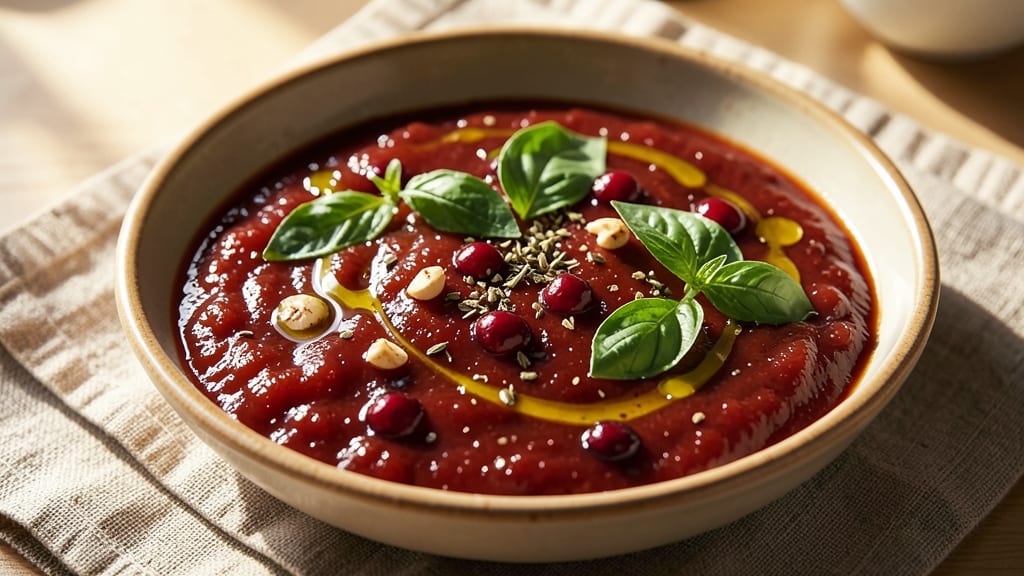
Transforming leftover spaghetti sauce into something even better is an art—and this freezer-friendly method ensures you never waste a drop. The secret lies in reducing the sauce to concentrate flavors while adding fresh herbs and aromatics that elevate it from ordinary to extraordinary.
I’ve perfected this technique after years of turning forgotten jars of sauce into restaurant-worthy dishes with minimal effort.
Start by simmering your leftover sauce on low heat, stirring occasionally to prevent sticking. This slow reduction deepens the flavors and thickens the texture, making it ideal for freezing or using in new recipes.
A splash of red wine or a pinch of dried oregano can work wonders, transforming bland leftovers into something vibrant and complex. The goal? A sauce that’s rich, balanced, and ready to be repurposed in minutes.
What you’ll end up with is a versatile, flavor-packed sauce that’s perfect for freezing or using immediately in pasta, lasagna, or stuffed shells. The reduction process intensifies the natural umami, while the added herbs brighten the flavor profile.
This isn’t just about saving leftovers—it’s about creating something better than the original. No waste, no compromise, just pure culinary efficiency.
The beauty of this method is its flexibility. Freeze the reduced sauce in airtight containers for up to three months, or use it fresh in dishes where depth of flavor is key.
Whether you’re prepping for the week or rescuing a forgotten jar, this technique guarantees a foolproof way to turn leftovers into a standout ingredient. Let’s get started!
Ingredients for leftover spaghetti sauce
Nine simple ingredients transform forgotten sauce into restaurant-quality perfection.
| Ingredient | Amount | Notes |
|---|---|---|
| Leftover Spaghetti Sauce 🍅 | 4 cups | Homemade or store-bought, any variety |
| Extra-Virgin Olive Oil 🫒 | ¼ cup | High quality, fruity variety |
| Red Wine 🍷 | ½ cup | Bold, dry variety like Cabernet |
| Fresh Basil Leaves 🌿 | ½ cup | Packed, stems removed |
| Garlic Cloves 🧄 | 3 cloves | Peeled, minced for depth |
| Dried Oregano 🌿 | 1 tsp | Or 1 tbsp fresh if available |
| Salt 🧂 | 1 tsp | Kosher or sea salt |
| Black Pepper 🌶️ | ½ tsp | Freshly ground preferred |
| Tomato Paste 🍅 | 1 tbsp | For extra richness |
| Balsamic Vinegar 🍶 | 1 tbsp | For subtle sweetness |
The spaghetti sauce is your foundation—use what you’ve got, whether it’s homemade or a jarred brand. Rao’s or Muir Glen are solid choices if you’re buying new, but honestly, anything works. The key is reducing it slowly to concentrate flavors, so don’t rush this step. Fresh basil is ideal, but dried oregano at half the amount works in a pinch. For the red wine, any bold, dry variety does the trick—Cabernet, Merlot, whatever’s open. The tomato paste adds a deep umami punch, so don’t skip it unless you’re really short on time.
No red wine? Substitute beef broth with a splash of balsamic—it’s a game-changer. Short on garlic? Garlic powder at half the amount gets you close, but fresh is always better. The olive oil matters here—use something you’d drizzle on bread, not the cheap stuff. For storage, glass jars are best, but any airtight container works. If you’re freezing, leave a little headspace—sauce expands when frozen. The balsamic vinegar might seem like an afterthought, but it adds a subtle sweetness that balances everything beautifully.
This sauce keeps for 5-7 days in the fridge or 3 months in the freezer. I always make a double batch—one for immediate use, one to freeze. Portion it into ice cube trays for easy single-use servings later. When reheating, add a splash of water or broth to loosen it up. The flavors actually improve after freezing, so don’t hesitate to stash some away. Perfect for pasta, lasagna, or stuffed shells—basically anything that needs a flavor boost.
Why You'll Love This Recipe
- No-Waste Magic: I swear by this trick—turning yesterday’s sauce into something even better. Just heat that leftover jar, toss in a splash of red wine and crushed garlic, then let it simmer until the alcohol cooks off. It’s like giving your sauce a second chance, and honestly? It’s often the best batch.
- Garlic-Basil Bomb: That fresh basil and raw garlic sizzling in olive oil? It’s the secret weapon. The wine cuts through the richness while the herbs brighten everything up—like a little Italian hug in a pan. I’ll be real: my kids don’t even notice the leftovers when it tastes this good.
- Weeknight to Party: Same recipe, totally different vibes. Serve it over crusty bread for a lazy Sunday supper or drizzle it on grilled chicken for a dinner party. The wine and basil make it feel fancy, but the effort? Barely there. (Yes, even on a Tuesday night.)
- Zero-Guilt Leftovers: No sad, watery sauce here—this method actually improves what you’ve got. A little olive oil, a few minutes of attention, and suddenly you’ve got a meal that costs next to nothing but feels like a splurge. My wallet and my taste buds thank me every time.
Step-by-step instructions for reviving leftover spaghetti sauce
Transform flat, forgotten sauce into a rich, restaurant-quality base with this simple technique.
Bloom the Aromatics in Olive Oil
Heat the 0.25 cup extra-virgin olive oil in a large saucepan over medium-low heat until shimmering but not smoking—you should see tiny bubbles forming at the edges. Add the 3 cloves minced garlic and cook for 30 seconds until fragrant but not browned. This step builds flavor foundation without burning the delicate garlic.
Next, stir in the 1 tbsp tomato paste and cook for 1 minute while whisking constantly. The paste will darken slightly as it dissolves into the oil, creating a deeper umami base for your sauce. Here's where it gets good: add the 0.5 cup red wine and let it simmer for 2-3 minutes until reduced by half. This reduction concentrates the wine's flavor and cuts through any acidity in your leftover sauce.
Incorporate the Leftover Sauce
Pour in the 4 cups leftover spaghetti sauce and stir gently to combine. Increase heat to medium and let the mixture come to a gentle simmer. You'll notice the sauce thicken slightly as it warms through—this is normal and helps restore its body. Let it simmer uncovered for 10 minutes, stirring occasionally, until the alcohol smell from the wine completely dissipates.
Taste the sauce at this stage. If it needs brightness, add 1 tsp salt and 0.5 tsp black pepper now. The wine and tomato paste should have already added depth, but this adjustment ensures perfect seasoning. For extra richness, you could add a splash of pasta water here—just enough to loosen the sauce to your preferred consistency.
Finish with Herbs and Vinegar
Reduce heat to low and stir in the 1 tsp dried oregano and 0.5 cup chopped fresh basil leaves. Let the sauce simmer gently for 5 minutes—this allows the basil to soften slightly while maintaining its vibrant green color. The oregano adds earthy warmth that complements the wine's acidity.
Finally, whisk in the 1 tbsp balsamic vinegar and simmer for another 2 minutes. The vinegar adds a subtle sweetness that balances the sauce's acidity and enhances its complexity. Here's the thing—balsamic at this stage doesn't make the sauce taste like vinegar; instead, it creates a beautiful depth that makes the entire dish taste more sophisticated. Taste again and adjust seasoning if needed.
Rest and Serve
Remove the sauce from heat and let it rest for 10 minutes at room temperature. This resting period allows all the flavors to meld together and the sauce to thicken slightly as it cools. Don't skip this step—it makes a noticeable difference in the final texture and flavor.
For serving, you can use this sauce immediately over pasta, in lasagna, or as a marinade. If you're freezing portions for later, let the sauce cool completely before transferring to airtight containers. The flavors will continue developing in the freezer, making it even better when you're ready to use it again. The key is storing it with some headspace—sauce expands when frozen.
Pro Tips For Making Leftover Spaghetti Sauce
- Skim the Wine First: Leftover spaghetti sauce is already rich—adding full-strength red wine can turn it into a thin, boozy mess. Pour the wine into a small saucepan, reduce it by half over medium heat (about 3 minutes), then stir it into the sauce. That concentrated flavor hits harder without diluting everything.
- Toast the Garlic Slowly: I used to burn the garlic every time, and it made the whole dish taste bitter. Instead of throwing chopped cloves straight into the oil, heat the oil on low, add the garlic whole (peeled), and let it sizzle gently for 5-6 minutes until golden but not crispy. Then crush it right in the pan—way more flavor, zero bitterness.
- Save the Basil for Last: Tossing fresh basil into simmering sauce kills its bright flavor faster than you’d think. After everything else is cooked, turn off the heat, let the sauce cool for 2 minutes, then stir in the basil leaves. They’ll stay vibrant and aromatic instead of turning to mush.
- Deglaze with a Splash of Water: Leftover sauce often sticks to the pot, and scraping it up with wine alone can leave behind a stubborn crust. After deglazing with wine, add ¼ cup water, scrape everything off the bottom, then let it reduce again. The extra liquid loosens the caramelized bits without thinning the sauce too much.
Dietary considerations for this leftover spaghetti sauce
Gluten-Free Adaptations
If you're avoiding gluten, this sauce is naturally safe since it contains no wheat-based ingredients. However, always double-check your leftover spaghetti sauce for hidden gluten—some brands add thickeners like wheat flour.
I recommend Rao’s Gluten-Free Tomato Sauce if you need a store-bought option. For extra thickness without gluten, blend in ¼ cup white beans or 1 tbsp cornstarch mixed with water. 🌱
Dairy-Free Options
This recipe is already dairy-free, but if your leftover sauce contains cheese or cream, strain it through a fine-mesh sieve before using. For a richer texture without dairy, stir in 2 tbsp nutritional yeast—it adds a cheesy, umami depth.
I also love adding 1 tbsp coconut milk at the end for creaminess. Always check labels on store-bought sauces for dairy traces.
Low-Sodium Adjustments
Store-bought sauces can be surprisingly high in sodium, so if you're watching your intake, reduce the 1 tsp salt to just ½ tsp or omit it entirely. Boost flavor instead with 1 extra garlic clove or ½ tsp smoked paprika.
For homemade sauces, I often add a pinch of MSG (Accent seasoning)—just ⅛ tsp enhances umami without extra sodium. 🧂
Vegetarian & Vegan
This sauce is already vegetarian-friendly, but for vegan versions, ensure your leftover sauce contains no meat-based broths or anchovies. If needed, substitute the red wine with vegetable broth and use olive oil instead of butter.
I’ve also had great results adding 1 tbsp miso paste for extra depth—just whisk it in during the final simmer.
Allergy-Friendly Swaps
For nut allergies, avoid adding any nut-based oils or sauces. If you’re sensitive to FODMAPs, reduce garlic to 1 clove and omit onions entirely. For a low-histamine version, use freshly made sauce (not aged) and skip the balsamic vinegar.
Always taste as you go—this sauce is forgiving, and adjustments are easy to make. 💛
Nutrition facts
Frequently asked questions
Can I use this method with frozen leftover spaghetti sauce?
Yes, but thaw it completely first! Transfer the frozen sauce to the fridge 24 hours before using. This gradual thaw prevents bacterial growth and ensures even heating. If you're short on time, use the microwave on defrost setting, then stir occasionally while reheating to 165°F on the stove.
What if my leftover sauce is too thin after reduction?
Simmer uncovered for 5-10 extra minutes—the liquid will evaporate naturally. For immediate thickening, stir in 1 tbsp cornstarch mixed with 2 tbsp water> or mash ¼ cup cooked white beans directly into the sauce. Both methods work beautifully without altering flavor.
How do I prevent my sauce from sticking while reducing?
Always use a heavy-bottomed saucepan and stir gently every 2-3 minutes. If it starts sticking, add 1-2 tbsp water or pasta water to loosen it. Keep heat at medium-low—too high causes burning. A wooden spoon helps prevent scorching better than metal.
Can I make this sauce without wine?
Replace the 0.5 cup red wine with 0.5 cup beef or vegetable broth> plus 1 tbsp balsamic vinegar for depth. Alternatively, use 0.5 cup apple juice> or even extra tomato paste> (2 tbsp) for a sweeter profile. The wine's purpose is to deglaze and add acidity, so any liquid with similar properties works.
Why does my reduced sauce taste stronger than before?
That's the magic of reduction! When you simmer liquids, alcohol (from wine) and water evaporate, concentrating flavors. The tomato paste and herbs amplify this effect. If it tastes too intense, dilute with 2-3 tbsp water or broth> while reheating. The goal is balance, not overpowering flavor.